
Filter
6649
Text search:
WHO,
United
Nations
Featured
520
1717
Language
6219
271
178
174
112
72
50
47
18
10
9
9
9
8
8
7
7
7
6
6
6
5
5
5
5
5
5
5
4
4
4
4
4
4
4
4
3
3
3
3
3
3
3
3
3
2
2
2
2
2
2
2
2
1
1
1
1
1
1
1
1
1
1
1
1
1
1
Document type
3503
1337
723
358
301
171
114
79
26
22
6
3
2
1
Countries / Regions
351
183
149
142
135
129
126
125
124
114
114
107
103
103
95
93
91
91
90
81
76
74
64
62
62
59
58
51
51
49
47
46
46
45
44
42
41
39
35
34
33
32
32
32
30
26
25
24
24
23
22
21
21
21
19
18
18
18
17
17
16
16
16
16
13
12
12
12
11
11
10
10
9
9
8
8
8
8
7
7
7
7
7
7
6
6
6
6
6
5
5
5
5
5
4
4
4
4
4
4
4
4
4
4
3
3
3
3
3
3
3
3
3
3
3
2
2
2
2
2
2
2
2
2
2
2
2
2
2
2
2
2
1
1
1
1
1
1
1
1
1
1
1
1
1
1
1
1
1
1
1
1
1
1
Authors & Publishers
910
274
271
210
208
197
136
110
104
94
49
45
44
42
40
37
34
31
31
29
29
26
26
25
24
24
23
23
23
22
21
21
21
21
21
20
19
18
18
18
18
18
17
17
17
17
17
17
16
16
16
15
15
15
15
15
15
15
14
14
14
14
14
14
14
13
13
13
13
12
12
12
12
12
11
11
11
11
11
11
10
10
10
10
10
10
10
10
10
9
9
9
8
8
8
8
8
8
8
8
8
8
8
8
8
8
7
7
7
7
7
7
7
7
7
7
7
7
7
7
7
7
7
7
7
7
6
6
6
6
6
6
6
6
6
6
6
6
6
6
6
6
6
6
6
6
6
6
6
5
5
5
5
5
5
5
5
5
5
5
5
5
5
5
5
5
5
5
5
5
5
5
5
5
5
5
5
5
5
5
5
5
5
5
5
5
5
5
5
5
4
4
4
4
4
4
4
4
4
4
4
4
4
4
4
4
4
4
4
4
4
4
4
4
4
4
4
4
4
4
4
4
4
4
4
4
4
4
4
4
4
4
4
4
4
4
4
4
4
4
4
4
4
4
4
4
4
4
4
4
4
4
4
4
4
4
4
4
3
3
3
3
3
3
3
3
3
3
3
3
3
3
3
3
3
3
3
3
3
3
3
3
3
3
3
3
3
3
3
3
3
3
3
3
3
3
3
3
3
3
3
3
3
3
3
3
3
3
3
3
3
3
3
3
3
3
3
3
3
3
3
3
3
3
3
3
3
3
3
3
3
3
3
3
3
3
3
3
3
3
3
3
3
3
3
3
3
3
3
3
3
3
3
3
3
3
3
3
3
3
3
3
3
3
3
3
3
3
3
3
3
3
3
3
3
3
3
3
3
3
3
3
3
3
3
3
3
3
3
3
3
3
3
3
3
3
3
3
3
3
3
3
3
3
3
3
3
3
3
3
3
3
3
3
3
3
2
2
2
2
2
2
2
2
2
2
2
2
2
2
2
2
2
2
2
2
2
2
2
2
2
2
2
2
2
2
2
2
2
2
2
2
2
2
2
2
2
2
2
2
2
2
2
2
2
2
2
2
2
2
2
2
2
2
2
2
2
2
2
2
2
2
2
2
2
2
2
2
2
2
2
2
2
2
2
2
2
2
2
2
2
2
2
2
2
2
2
2
2
2
2
2
2
2
2
2
2
2
2
2
2
2
2
2
2
2
2
2
2
2
2
2
2
2
2
2
2
2
2
2
2
2
2
2
2
2
2
2
2
2
2
2
2
2
2
2
2
2
2
2
2
2
2
2
2
2
2
2
2
2
2
2
2
2
2
2
2
2
2
2
2
2
2
2
2
2
2
2
2
2
2
2
2
2
2
2
2
2
2
2
2
2
2
2
2
2
2
2
2
2
2
2
2
2
2
2
2
2
2
2
2
2
2
2
2
2
2
2
2
2
2
2
2
2
2
2
2
2
2
2
2
2
2
2
2
2
2
2
2
2
2
2
2
2
2
2
2
2
2
2
2
2
2
2
2
2
2
2
2
2
2
2
2
2
2
2
2
2
2
2
2
2
2
2
2
2
2
2
2
2
2
2
2
2
2
2
2
2
2
2
2
2
2
2
2
2
2
2
2
2
2
2
2
2
2
2
2
2
2
2
2
2
2
2
2
2
2
2
2
2
2
2
2
2
2
2
2
2
2
2
2
2
2
2
2
2
2
2
2
2
2
2
2
2
2
2
2
2
2
2
2
2
2
2
2
2
2
2
2
2
2
2
2
2
2
2
2
2
2
2
2
2
2
2
2
2
2
2
1
1
1
1
1
1
1
1
1
1
1
1
1
1
1
1
1
1
1
1
1
1
1
1
1
1
1
1
1
1
1
1
1
1
1
1
1
1
1
1
1
1
1
1
1
1
1
1
1
1
1
1
1
1
1
1
1
1
1
1
1
1
1
1
1
1
1
1
1
1
1
1
1
1
1
1
1
1
1
1
1
1
1
1
1
1
1
1
1
1
1
1
1
1
1
1
1
1
1
1
1
1
1
1
1
1
1
1
1
1
1
1
1
1
1
1
1
1
1
1
1
1
1
1
1
1
1
1
1
1
1
1
1
1
1
1
1
1
1
1
1
1
1
1
1
1
1
1
1
1
1
1
1
1
1
1
1
1
1
1
1
1
1
1
1
1
1
1
1
1
1
1
1
1
1
1
1
1
1
1
1
1
1
1
1
1
1
1
1
1
1
1
1
1
1
1
1
1
1
1
1
1
1
1
1
1
1
1
1
1
1
1
1
1
1
1
1
1
1
1
1
1
1
1
1
1
1
1
1
1
1
1
1
1
1
1
1
1
1
1
1
1
1
1
1
1
1
1
1
1
1
1
1
1
1
1
1
1
1
1
1
1
1
1
1
1
1
1
1
1
1
1
1
1
1
1
1
1
1
1
1
1
1
1
1
1
1
1
1
1
1
1
1
1
1
1
1
1
1
1
1
1
1
1
1
1
1
1
1
1
1
1
1
1
1
1
1
1
1
1
1
1
1
1
1
1
1
1
1
1
1
1
1
1
1
1
1
1
1
1
1
1
1
1
1
1
1
1
1
1
1
1
1
1
1
1
1
1
1
1
1
1
1
1
1
1
1
1
1
1
1
1
1
1
1
1
1
1
1
1
1
1
1
1
1
1
1
1
1
1
1
1
1
1
1
1
1
1
1
1
1
1
1
1
1
1
1
1
1
1
1
1
1
1
1
1
1
1
1
1
1
1
1
1
1
1
1
1
1
1
1
1
1
1
1
1
1
1
1
1
1
1
1
1
1
1
1
1
1
1
1
1
1
1
1
1
1
1
1
1
1
1
1
1
1
1
1
1
1
1
1
1
1
1
1
1
1
1
1
1
1
1
1
1
1
1
1
1
1
1
1
1
1
1
1
1
1
1
1
1
1
1
1
1
1
1
1
1
1
1
1
1
1
1
1
1
1
1
1
1
1
1
1
1
1
1
1
1
1
1
1
1
1
1
1
1
1
1
1
1
1
1
1
1
1
1
1
1
1
1
1
1
1
1
1
1
1
1
1
1
1
1
1
1
1
1
1
1
1
1
1
1
1
1
1
1
1
1
1
1
1
1
1
1
1
1
1
1
1
1
1
1
1
1
1
1
1
1
1
1
1
1
1
1
1
1
1
1
1
1
1
1
1
1
1
1
1
1
1
1
1
1
1
1
1
1
1
1
1
1
1
1
1
1
1
1
1
1
1
1
1
1
1
1
1
1
1
1
1
1
1
1
1
1
1
1
1
1
1
1
1
1
1
1
1
1
1
1
1
1
1
1
1
1
1
1
1
1
1
1
1
1
1
1
1
1
1
1
1
1
1
1
1
1
1
1
1
1
1
1
1
1
1
1
1
1
1
1
1
1
1
1
1
1
1
1
1
1
1
1
1
1
1
1
1
1
1
1
1
1
1
1
1
1
1
1
1
1
1
1
1
1
1
1
1
1
1
1
1
1
1
1
1
1
1
1
1
1
1
1
1
1
1
1
1
1
1
1
1
1
1
1
1
1
1
1
1
1
1
1
1
1
1
1
1
1
1
1
1
1
1
1
1
1
1
1
1
1
1
1
1
1
1
1
1
1
1
1
1
1
1
1
1
1
1
1
1
1
1
1
1
1
1
1
1
1
1
1
1
1
1
1
1
1
1
1
1
1
1
1
1
1
1
1
1
1
1
1
1
1
1
1
1
1
1
1
1
1
1
1
1
1
1
1
1
1
1
1
1
1
1
1
1
1
1
1
1
1
1
1
1
1
1
1
1
1
1
1
1
1
1
1
1
1
1
1
1
1
1
1
1
1
1
1
1
1
1
1
1
1
1
1
1
1
1
1
1
1
1
1
1
1
1
1
1
1
1
1
1
1
1
1
1
1
1
1
1
1
1
1
1
1
1
1
1
1
1
1
1
1
1
1
1
1
1
1
1
1
1
1
1
1
1
1
1
1
1
1
1
1
1
1
1
1
1
1
1
1
1
1
1
1
1
1
1
1
1
1
1
1
1
1
1
1
1
1
1
1
1
1
1
1
1
1
1
1
1
1
1
1
1
1
1
1
1
1
1
1
1
1
1
1
1
1
1
1
1
1
1
1
1
1
1
1
1
1
1
1
1
1
1
1
1
1
1
1
1
1
1
1
1
1
1
1
1
1
1
1
1
1
1
1
1
1
1
1
1
1
1
1
1
1
1
1
1
1
1
1
1
1
1
1
1
1
1
1
1
1
1
1
1
1
1
1
1
1
1
1
1
1
1
1
1
1
1
1
1
1
1
1
1
1
1
1
1
1
1
1
1
1
1
1
1
1
1
1
1
1
1
1
1
1
1
1
1
1
1
1
1
1
1
1
1
1
1
1
1
1
1
1
1
1
1
1
1
1
1
1
1
1
1
1
1
1
1
1
1
1
1
1
1
1
1
1
1
1
1
1
1
1
1
1
1
1
1
1
1
1
1
1
1
1
1
1
1
1
1
1
1
1
1
1
1
1
1
1
1
1
1
1
1
1
1
1
1
1
1
1
1
1
1
1
1
1
1
1
1
1
1
1
1
1
1
1
1
1
1
1
1
1
1
1
1
1
1
1
1
1
1
1
1
1
1
1
1
1
1
1
1
1
1
1
1
1
1
1
1
1
1
1
1
1
1
1
1
1
1
1
1
1
1
1
1
1
1
1
1
1
1
1
1
1
1
1
1
1
1
1
1
1
1
1
1
1
1
1
1
1
1
1
1
1
1
1
1
1
1
1
1
1
1
1
1
1
1
1
1
1
1
1
1
1
1
1
1
1
1
1
1
1
1
1
1
1
1
1
1
1
1
1
1
1
1
1
1
1
1
1
1
1
1
1
1
1
1
1
1
1
1
1
1
1
1
1
1
1
1
1
1
1
1
1
1
1
1
1
1
1
1
1
1
1
1
1
1
1
1
1
1
1
1
1
1
1
1
1
1
1
1
1
1
1
1
1
1
1
1
1
1
1
1
1
1
1
1
1
1
1
1
1
1
1
1
1
1
1
1
1
1
1
1
1
1
1
1
1
1
1
1
1
1
1
1
1
1
1
1
1
1
1
1
1
1
1
1
1
1
1
1
1
1
1
1
1
1
1
1
1
1
1
1
1
1
1
1
1
1
1
1
1
1
1
1
1
1
1
1
1
1
1
1
1
1
1
1
1
1
1
1
1
1
1
1
1
1
1
1
1
1
1
1
1
1
1
1
1
1
1
1
1
1
1
1
1
1
1
1
1
1
1
1
1
1
1
1
1
1
1
1
1
1
1
1
1
1
1
1
1
1
1
1
1
1
1
1
1
1
1
1
1
1
1
1
1
1
1
1
1
1
1
1
1
1
1
1
1
1
1
1
1
1
1
1
1
1
1
1
1
1
1
1
1
1
1
1
1
1
1
1
1
1
1
1
1
1
1
1
1
1
1
1
1
1
1
1
1
1
1
1
1
1
1
1
1
1
1
1
1
1
1
1
1
1
1
1
1
1
1
1
1
1
1
1
1
1
1
1
1
1
1
1
1
1
1
1
1
1
1
1
1
1
1
1
1
1
1
1
1
1
1
1
1
1
1
1
1
1
1
1
1
1
1
1
1
1
1
1
1
1
1
1
1
1
1
1
1
1
1
1
1
1
1
1
1
1
1
1
1
1
1
1
1
1
1
1
1
1
1
1
1
1
1
1
1
1
1
1
1
1
1
1
1
1
1
1
1
1
1
1
1
1
1
1
1
1
1
1
1
1
1
1
1
1
1
1
1
1
1
1
1
1
1
1
1
1
1
1
1
1
1
1
1
1
1
1
1
1
1
1
1
1
1
1
1
1
1
1
1
1
1
1
1
1
1
1
1
1
1
1
1
1
1
1
1
1
1
1
1
1
1
1
1
1
1
1
1
1
1
1
1
1
1
1
1
1
1
1
1
1
1
1
1
1
1
1
1
1
1
1
1
1
1
1
1
1
1
1
1
1
1
1
1
1
1
1
1
1
1
1
1
1
1
1
1
1
1
1
1
1
1
1
1
1
1
1
1
1
1
1
1
1
1
1
1
1
1
1
1
1
1
1
1
1
1
1
1
1
1
1
1
1
1
1
1
1
1
1
1
1
1
1
1
1
1
1
1
1
1
1
1
1
1
1
1
1
1
1
1
1
1
1
1
1
1
1
1
1
1
1
1
1
1
1
1
1
1
1
1
1
1
1
1
1
1
1
1
1
1
1
1
1
1
1
1
1
1
1
1
1
1
1
1
1
1
1
1
1
1
1
1
1
1
1
1
1
1
1
1
1
1
1
1
1
1
1
1
1
1
1
1
1
1
1
1
1
1
1
1
1
1
1
1
1
1
1
1
1
1
1
1
1
1
1
1
1
1
1
1
1
1
1
1
1
1
1
1
1
1
1
1
1
1
1
1
1
1
1
1
1
1
1
1
1
1
1
1
1
1
1
1
1
1
1
1
1
1
1
1
1
1
1
1
1
1
1
1
1
1
1
1
1
1
1
1
1
1
1
1
1
1
1
1
1
1
1
1
1
1
1
1
1
1
1
1
1
1
1
1
1
1
1
1
1
1
1
1
1
1
1
1
1
1
1
1
1
1
1
1
1
1
1
1
1
1
1
1
1
1
1
1
1
1
1
1
1
1
1
1
1
1
1
1
1
1
1
1
1
1
1
1
1
1
1
1
1
1
1
1
1
1
1
1
1
1
1
1
1
1
1
1
1
1
1
1
1
1
1
1
1
1
1
1
1
1
1
1
1
1
1
1
1
1
1
1
1
1
1
1
1
1
1
1
1
1
1
1
1
1
1
1
1
1
1
1
1
1
1
1
1
1
1
1
1
1
1
1
1
1
1
1
1
1
1
1
1
1
1
1
1
1
1
1
1
1
1
1
1
1
1
1
1
1
1
1
1
1
1
1
1
1
1
1
1
1
1
1
1
1
1
1
1
1
1
1
1
1
1
1
1
1
1
1
1
1
1
1
1
1
1
1
1
1
1
1
1
1
1
1
1
1
1
1
1
1
1
1
1
1
1
1
1
1
1
1
1
1
1
1
1
1
1
1
1
1
1
1
1
1
1
1
1
1
1
1
1
1
1
1
1
1
1
1
1
1
1
1
1
1
1
1
1
1
1
1
1
1
1
1
1
1
1
1
1
1
1
1
1
1
1
1
1
1
1
1
1
1
1
1
1
1
1
1
1
1
1
1
1
1
1
1
1
1
1
1
1
1
1
1
1
1
1
1
1
1
1
1
1
1
1
1
1
1
1
1
1
1
1
1
1
1
1
1
1
1
1
1
1
1
1
1
1
1
1
1
1
1
1
1
1
1
1
1
1
1
1
1
1
1
1
1
1
1
1
1
1
1
1
1
1
1
1
1
1
1
1
1
1
1
1
1
1
1
1
1
1
1
1
1
1
1
1
1
1
1
1
1
1
1
1
1
1
1
1
1
1
1
1
1
1
1
1
1
1
1
1
1
1
1
1
1
1
1
1
1
1
1
1
1
1
1
1
1
1
1
1
1
1
1
1
1
1
1
1
1
1
1
1
1
1
1
1
1
1
1
1
1
1
1
1
1
1
1
1
1
1
1
1
1
1
1
1
1
1
1
1
1
1
1
1
1
1
1
1
1
1
1
1
1
1
1
1
1
1
1
1
1
1
1
1
1
1
1
1
1
1
1
1
1
1
1
1
1
1
1
1
1
1
1
1
1
1
1
1
1
1
1
1
1
1
1
1
1
1
1
1
1
1
1
1
1
1
1
1
1
1
1
1
1
1
1
1
1
1
1
1
1
1
1
1
1
1
1
1
1
1
1
1
1
1
1
1
1
1
1
1
1
1
1
1
1
1
1
1
1
1
1
1
1
1
1
1
1
1
1
1
1
1
1
1
1
1
1
1
1
1
1
1
1
1
1
1
1
1
1
1
1
1
1
1
1
1
1
1
1
1
1
1
1
1
1
1
1
1
1
1
1
1
1
1
1
1
1
1
1
1
1
1
1
1
1
1
1
1
1
1
1
1
1
1
1
1
1
1
1
1
1
1
1
1
1
1
1
1
1
1
1
1
1
1
1
1
1
1
1
1
1
1
1
1
1
1
1
1
1
1
1
1
1
1
1
1
1
1
1
1
1
1
1
1
1
1
1
1
1
1
1
1
1
1
1
1
1
1
1
1
1
1
1
1
1
1
1
1
1
1
1
1
1
1
1
1
1
1
1
1
1
1
1
1
1
1
1
1
1
1
1
1
1
1
1
1
1
1
1
1
1
1
1
1
1
1
1
1
1
1
1
1
1
1
1
1
1
1
1
1
1
1
1
1
1
1
1
1
1
1
1
1
1
1
1
1
1
1
1
1
1
1
1
1
1
1
1
1
1
1
1
1
1
1
1
1
1
1
1
1
1
1
1
1
1
1
1
1
1
1
1
1
1
1
1
1
1
1
1
1
1
1
1
1
1
1
1
1
1
1
1
1
1
1
1
1
1
1
1
1
1
1
1
1
1
1
1
1
1
1
1
1
1
1
1
1
1
1
1
1
1
1
1
1
1
1
1
1
1
1
1
1
1
1
1
1
1
1
1
1
1
1
1
1
1
1
1
1
1
1
1
1
1
1
1
1
1
1
1
1
1
1
1
1
1
1
1
1
1
1
1
1
1
1
1
1
1
1
1
1
1
1
1
1
1
1
1
1
1
1
1
1
1
1
1
1
1
1
1
1
1
1
1
1
1
1
1
1
1
1
1
1
1
1
1
1
1
1
1
1
1
1
1
1
1
1
1
1
1
1
1
1
1
1
1
1
1
1
1
1
1
1
1
1
1
1
1
1
1
1
1
1
1
1
1
1
1
1
1
1
1
1
1
1
1
1
1
1
1
1
1
1
1
1
1
1
1
1
1
1
1
1
1
1
1
1
1
1
1
1
1
1
1
1
1
1
1
1
1
1
1
1
1
1
1
1
1
1
1
1
1
1
1
1
1
1
1
1
1
1
1
1
1
1
1
1
1
1
1
1
1
1
1
1
1
1
1
1
1
1
1
1
1
1
1
1
1
1
1
1
1
1
1
1
1
1
1
1
1
1
1
1
1
1
1
1
1
1
1
1
1
1
1
1
1
1
1
1
1
1
1
1
1
1
1
1
1
1
1
1
1
1
1
1
1
1
1
1
1
1
1
1
1
1
1
1
1
1
1
1
1
1
1
1
1
1
1
1
1
1
1
1
1
1
1
1
1
1
1
1
1
1
1
1
1
1
1
1
1
1
1
1
1
1
1
1
1
1
1
1
1
1
1
1
1
1
1
1
1
1
1
1
1
1
1
1
1
1
1
1
1
1
1
1
1
1
1
1
1
1
1
1
1
1
1
1
1
1
1
1
1
1
1
1
1
1
1
1
1
1
1
1
1
1
1
1
1
1
1
1
1
1
1
1
1
1
1
1
1
1
1
1
1
1
1
1
1
1
1
1
1
1
1
1
1
1
1
1
1
1
1
1
1
1
1
1
1
1
1
1
1
1
1
1
1
1
1
1
1
1
1
1
1
1
1
1
1
1
1
1
1
1
1
1
1
1
1
1
1
1
1
1
1
1
1
1
1
1
1
1
1
1
1
1
1
1
1
1
1
1
1
1
1
1
1
1
1
1
1
1
1
1
1
1
1
1
1
1
1
1
1
1
1
1
1
1
1
1
1
1
1
1
1
1
1
1
1
1
1
1
1
1
1
1
1
1
1
1
1
1
1
1
1
1
1
1
1
1
1
1
1
1
1
1
1
1
1
1
1
1
1
1
1
1
1
1
1
1
1
1
1
1
1
1
1
1
1
1
1
1
1
1
1
1
1
1
1
1
1
1
1
1
1
1
1
1
1
1
1
1
1
1
1
1
1
1
1
1
1
1
1
1
1
1
1
1
1
1
1
1
1
1
1
1
1
1
1
1
1
1
1
1
1
1
1
1
1
1
1
1
1
1
1
1
1
1
1
1
1
1
1
1
1
1
1
1
1
1
1
1
1
1
1
1
1
1
1
1
1
1
1
1
1
1
1
1
1
1
1
1
1
1
1
1
1
1
1
1
1
1
1
1
1
1
1
1
1
1
1
1
1
1
1
1
1
1
1
1
1
1
1
1
1
1
1
1
1
1
1
1
1
1
1
1
1
1
1
1
1
1
1
1
1
1
1
1
1
1
1
1
1
1
1
1
1
1
1
1
1
1
1
1
1
1
1
1
1
1
1
1
1
1
1
1
1
1
1
1
1
1
1
1
1
1
1
1
1
1
1
1
1
1
1
1
1
1
1
1
1
1
1
1
1
1
1
1
1
1
1
1
1
1
1
1
1
1
1
1
1
1
1
1
1
1
1
1
1
1
1
1
1
1
1
1
1
1
1
1
1
1
1
1
1
1
1
1
1
1
1
1
1
1
1
1
1
1
1
1
1
1
1
1
1
1
1
1
1
1
1
1
1
1
1
1
1
1
1
1
1
1
1
1
1
1
1
1
1
1
1
1
1
1
1
1
1
1
1
1
1
1
1
1
1
1
1
1
1
1
1
1
1
1
1
1
1
1
1
1
1
1
1
1
1
1
1
1
1
1
1
1
1
1
1
1
1
1
1
1
1
1
1
1
1
1
1
1
1
1
1
1
1
1
1
1
1
1
1
1
1
1
1
1
1
1
1
1
1
1
1
1
1
1
1
1
1
1
1
1
1
1
1
1
1
1
1
1
1
1
1
1
1
1
1
1
1
1
1
1
1
1
1
1
1
1
1
1
1
1
1
1
1
1
1
1
1
1
1
1
1
1
1
1
1
1
1
1
1
1
1
1
1
1
1
1
1
1
1
1
1
1
1
1
1
1
1
1
1
1
1
1
1
1
1
1
1
1
1
1
1
1
1
1
1
1
1
1
1
1
1
1
1
1
1
1
1
1
1
1
1
1
1
1
1
1
1
1
1
1
1
1
1
1
1
1
1
1
1
1
1
1
1
1
1
1
1
1
1
1
1
1
1
1
1
1
1
1
1
1
1
1
1
1
1
1
1
1
1
1
1
1
1
1
1
1
1
1
1
1
1
1
1
1
1
1
1
1
1
1
1
1
1
1
1
1
1
1
1
1
1
1
1
1
1
1
1
1
1
1
1
1
Publication Years
1
2103
4009
498
32
2
2
2
Category
2478
463
462
341
339
109
47
1
Toolboxes
507
484
433
403
339
274
243
173
169
160
144
142
122
117
101
96
87
86
68
53
46
38
37
34
28
6
2
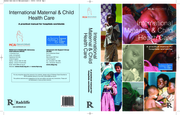
The purpose of adding the books to the website of MCAI for download, is to make this life-saving, up-to-date information available to all who need it. Fill in a short registration field and you can download the pdf-files.
If you work in a hospita
...
l in a low income country - providing free care - you are probably intitled to FREE copies of these books. MCAI will send them to you, all you have to do is to read our Flyer and fill in the request form.
more
The Zimbabwe National Pharmacovigilance Policy Handbook, 2nd Edition updates the November 2013 version to indicate the Zimbabwe National Pharmacovigilance (PV) Centre’s compliance with the WHO Pharmacovigilance Indicators Handbook 2015.
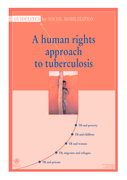
Guidelines for social mobilization
TB and poverty; TB and children; TB and women; TB, migrants and refugees; TB and prisons
WHO/CDS/STB/2001.9
Original: English; Distribution: Limited
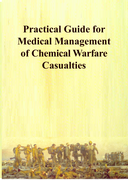
This Guide contains information, guidelines, diagrams and other materials addressed to medical practitioners who are engaged in the treatment of casualties of chemical weapons. It is made available to the public for information purposes, but is not
...
intended to be used by the public. All decisions regarding patient care must be made with a healthcare provider and consider the unique characteristics of each patient.
more
This report presents the findings of the Estimating the Size of Populations through a Household Survey (ESPHS) study that took place in 2011. The study utilized a single household survey to estimate the size of several key populations, including sex workers, men
...
who have sex with men (MSM), injecting drug users (IDU), and clients of sex workers. These populations include several groups outlined in the National Strategic Plan for HIV and AIDS as most at risk for HIV infection, specifically sex workers and MSM.
more
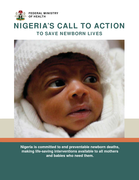
Nigeria is committed to end preventable newborn deaths, making life-saving interventions available to all mothers and babies who need them.

This annual report outlines achievements and challenges of delivering these partnerships. NUDOR takes this opportunity to thank all organizations, individuals and decision makers who have supported NUDOR to contribute to the promotion, respect and r
...
ealization of the rights of persons with disabilities.
more
Estimating the size of key affected populations (KAP) provides important data for planning and implementing an effective response to the HIV epidemic. In the Philippines, these KAP include males who have sex with males (MSM), female sex workers (FSW
...
), and injecting drug users (IDU). Given the difficulty in reaching these populations, as well as their high mobility, the process consequently entailed a specific methodology to directly estimate the size of KAP.
The national estimate of MSM was 531,500 or 2.2% (1.8%-3.2%) of males aged 15-49. Within this MSM estimate, figures for transgender women (TGW) and male transactional sex workers (MSW) were determined. The national estimate for TGW was 122,800 or about 0.50% (0.40%-0.75%) of males aged 15-49, and 23% of the MSM population. Meanwhile, MSW comprised 0.35% (0.29%-0.53%) of the male population aged 15-49 and 16% of the MSM population, giving a best estimate of 86,600.
The estimate of combined RFSW and FFSW was 66,100 or 0.28% (0.19%-0.40%) of females aged 15-49. Meanwhile, there are approximately 10,000 to 21,700 IDU or 0.04%-0.09% of males aged 15-49. more
The national estimate of MSM was 531,500 or 2.2% (1.8%-3.2%) of males aged 15-49. Within this MSM estimate, figures for transgender women (TGW) and male transactional sex workers (MSW) were determined. The national estimate for TGW was 122,800 or about 0.50% (0.40%-0.75%) of males aged 15-49, and 23% of the MSM population. Meanwhile, MSW comprised 0.35% (0.29%-0.53%) of the male population aged 15-49 and 16% of the MSM population, giving a best estimate of 86,600.
The estimate of combined RFSW and FFSW was 66,100 or 0.28% (0.19%-0.40%) of females aged 15-49. Meanwhile, there are approximately 10,000 to 21,700 IDU or 0.04%-0.09% of males aged 15-49. more

A National Service Programme for All Children with Special Needs and their Families
In Myanmar, we estimate that at least 40% of children require ECI services for short to longer periods of time. At present, 35.1% of Myanmar children are moderately to severely stunted; all of these children are l ... ikely to have one or more developmental delays. In addition, at least 5% to 12% of the nation’s children will be identified to have disabilities, chronic diseases or atypical behaviours.
Over time, approximately 70% of the children who will be served will improve in their development, attain expected levels of development for their age, and will consolidate their gains within one to two years. Other children, approximately 30%, will have lifelong disabilities or other conditions, and ECI services usually greatly improve their development and help them to achieve their full potential. more
In Myanmar, we estimate that at least 40% of children require ECI services for short to longer periods of time. At present, 35.1% of Myanmar children are moderately to severely stunted; all of these children are l ... ikely to have one or more developmental delays. In addition, at least 5% to 12% of the nation’s children will be identified to have disabilities, chronic diseases or atypical behaviours.
Over time, approximately 70% of the children who will be served will improve in their development, attain expected levels of development for their age, and will consolidate their gains within one to two years. Other children, approximately 30%, will have lifelong disabilities or other conditions, and ECI services usually greatly improve their development and help them to achieve their full potential. more
Climate Change Toolkit for Health Professionals
recommended
This toolkit consists of eight modules which have been prepared as stand-alone documents that can be read by themselves, but they have also been prepared to complement one another. It has been designed as a tool for health professionals and students in the health care and public health sectors
...
who want to engage more directly on the issue of climate change as educators with their patients, peers and communities, and/or as advocates for the policies, programs and practices needed to mitigate climate change and/or prepare for climate change in their workplaces and communities
more
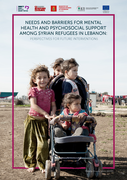
Needs and barriers for mental health and psychosocial support among syrian refugees in lebanon: perspectives for future interventions
European Union Civil protection and Humanitarian Aid
European Union Civil protection and Humanitarian Aid
(2018)
CC
Results
Recommendations• NGOs should provide MHPSS services with a focus on empowerment and self-reliance
• Introduce interventions focusing on pain mechanisms, coping strategies and physical resilience
• Implement livelihood programmes
• Increase service accessibility and outreach activ
...
ities
• Provide support groups for people who have lost a close family member
• Highlight the importance of supervision and training
• Ensure high quality service provisions by applying relevant outcome measures and to further contribute to the evidence base for MHPSS
• Diversify MHPSS activities to different target groups, including men and women, and address the needs of elderly and individuals with disabilities
This study provides evidence of a large gap between the need of MHPSS among Syrian refugees and provided services. Of the 1082 respondents in this study, 62% expressed that they needed assistance to deal with physical pain and distress. Almost 80% reported being in pain, of which 27% were in severe or very severe pain. Additionally, 55% suffer from distress and 56% rate their own health as fair or poor. Even among the 18-25-yearolds, the prevalence of reporting their overall health as fair was 30.7%. For functionality levels, 28.5% felt severely or extremely emotionally affected by their health problems, and more than 20% had serious difficulties in doing day-to-day work. On the other hand, the majority (72-74%) had no problems in maintaining friendships and participating in community activities
more
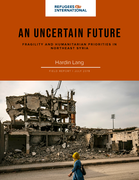
After almost eight bloody years, the war in Syria finally appears to be reaching the endgame. The Assad regime controls some two-thirds of the country. In the northwest, the regime of Syrian President Bashar al-Assad has launched an offensive against opposition-controlled Idlib governorate under the
...
cover of a brutal Russian bombing campaign. Upwards of 3 million Syrians in Idlib are under threat. Meanwhile, in northeast Syria, the Syrian Democratic Forces—the Syrian Kurdish dominated militia backed by the United States—have dislodged the Islamic State and now control one-third of the country. However, the humanitarian situation in the northeast remains extremely fragile and could deteriorate quickly. Indeed, over a third of the 4 million people in this area need humanitarian assistance and some 600,000 are displaced.
more
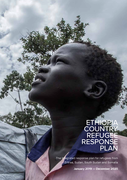
he refugee flow to Ethiopia continued during 2018, with 36,1351 persons seeking safety and protection within the country’s borders. At the start of 2019, the nation hosted 905,8312 thousand refugees who were forced to flee their homes as a result
...
of insecurity, political instability, military conscription, conflict, famine and other problems in their countries of origin. Ethiopia is one of the largest refugee asylum countries world-wide, and the second largest in Africa, reflecting the ongoing fragility and conflict in the region. Ethiopia provides protection to refugees from some 26 countries. Among the principal factors leading to this situation are predominantly the conflict in South Sudan, the prevailing political environment in Eritrea, together with conflict and draught in Somalia.
more

This Community Health Systems (CHS) Catalog country profile is the 2016 update of a landscape
assessment that was originally conducted by the Advancing Partners & Communities (APC) project
in 2014. The CHS Catalog focuses on 25 countries deemed priority by the
...
United States Agency for
International Development’s (USAID) Office of Population and Reproductive Health, and includes
specific attention to family planning (FP), a core focus of the APC project.
The update comes as many countries are investing in efforts to support the Sustainable Development
Goals and to achieve universal health coverage while modifying policies and strategies to better align
and scale up their community health systems.
The purpose of the CHS Catalog is to provide the most up-to-date information available on community
health systems based on existing policies and related documentation in the 25 countries. Hence, it does
not necessarily capture the realities of policy implementation or service delivery on the ground. APC
has made efforts to standardize the information across country profiles, however, content between
countries may vary due to the availability and quality of the data obtained from policy documents.
more
A conceptual framework for the environmental surveillance of antibiotics and antibiotic resistance
Patricia M.C. Huijbers, Carl-Fredrik Flach, D.G. Joakim Larsson
Centre for Antibiotic Resistance Research (CARe), University of Gothenburg
(2019)
C2
The systematic surveillance of antibiotic use and antibiotic re-sistance prevalence in humans and animals is imperative for managingbacterial infectious disease (JPIAMR, 2019;WHO, 2015). Many low-income countries currently face substantial challenge
...
s in building national surveillance systems due to a lack of infrastructure and resources,resulting in a shortage of systematic data (FAO/OIE/WHO, 2018)
more
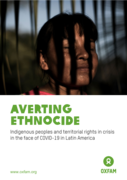
There are indigenous communities at high risk in every country of the region. At stake are the lives of 45 million people who belong to more than 800 indigenous peoples. Of these, some 100 are spread across several countries, around 200 maintain vol
...
untary isolation or are in initial contact, and nearly 500 are at risk of disappearing due to their reduced numbers. Due to their lower immune resistance, their lack of access to hospital care and the increasing penetration of extractive activities in their territories, indigenous communities in voluntary isolation or in initial contact are cause for particular concern.
Far from hospitals and the news cameras, indigenous people in Latin American become ill and die without access to the means needed to protect themselves. They face the pandemic in conditions of social exclusion, racism and discrimination, which highlights historical inequalities and extreme precariousness in basic and health services.
more
Background: Cervical cancer accounts for 23% of cancer incidence and 22% of cancer mortality among women in Burkina Faso. These proportions are more than 2 and 5 times higher than those of developed countries, respectively. Before 2010, cervical cancer prevention (CECAP) services in Burkina Faso wer
...
e limited to temporary screening campaigns.
Program Description: Between September 2010 and August 2014, program implementers collaborated with the Ministry of Health and professional associations to implement a CECAP program focused on coupling visual inspection with acetic acid (VIA) for screening with same-day cryotherapy treatment for eligible women in 14 facilities. Women with larger lesions or lesions suspect for cancer were referred for loop electrosurgical excision procedure (LEEP). The program trained providers, raised awareness through demand generation activities, and strengthened monitoring capacity.
Methods: Data on program activities, service provision, and programmatic lessons were analyzed. Three data collection tools, an individual client form, a client registry, and a monthly summary sheet, were used to track 3 key CECAP service indicators: number of women screened using VIA, proportion of women who screened VIA positive, and proportion of women screening VIA positive who received same-day cryotherapy.
Results: Over 4 years, the program screened 13,999 women for cervical cancer using VIA; 8.9% screened positive; and 65.9% received cryotherapy in a single visit. The proportion receiving cryotherapy on the same day started at a high of 82% to 93% when services were provided free of charge, but dropped to 51% when a user fee of $10 was applied to cover the cost of supplies. After reducing the fee to $4 in November 2012, the proportion increased again to 78%. Implementation challenges included difficulties tracking referred patients, stock-outs of key supplies, difficulties with machine maintenance, and prohibitive user fees. Providers were trained to independently monitor services, identify gaps, and take corrective actions.
Conclusions: Following dissemination of the results that demonstrated the acceptability and feasibility of the CECAP program, the Burkina Faso Ministry of Health included CECAP services in its minimum service delivery package in 2016. Essential components for such programs include provider training on VIA, cryotherapy, and LEEP; provider and patient demand generation; local equipment maintenance; consistent supply stocks; referral system for LEEP; non-prohibitive fees; and a monitoring data collection system.
more
BACKGROUND: Growing political attention to antimicrobial resistance (AMR) offers a rare opportunity for achieving meaningful action. Many governments have developed national AMR action plans, but most have not yet implemented policy interventions to reduce antimicrobial overuse. A systematic evidenc
...
e map can support governments in making evidence-informed decisions about implementing programs to reduce AMR, by identifying, describing, and assessing the full range of evaluated government policy options to reduce antimicrobial use in humans.
METHODS AND FINDINGS: Seven databases were searched from inception to January 28, 2019, (MEDLINE, CINAHL, EMBASE, PAIS Index, Cochrane Central Register of Controlled Trials, Web of Science, and PubMed). We identified studies that (1) clearly described a government policy intervention aimed at reducing human antimicrobial use, and (2) applied a quantitative design to measure the impact. We found 69 unique evaluations of government policy interventions carried out across 4 of the 6 WHO regions. These evaluations included randomized controlled trials (n = 4), non-randomized controlled trials (n = 3), controlled before-and-after designs (n = 7), interrupted time series designs (n = 25), uncontrolled before-and-after designs (n = 18), descriptive designs (n = 10), and cohort designs (n = 2). From these we identified 17 unique policy options for governments to reduce the human use of antimicrobials. Many studies evaluated public awareness campaigns (n = 17) and antimicrobial guidelines (n = 13); however, others offered different policy options such as professional regulation, restricted reimbursement, pay for performance, and prescription requirements. Identifying these policies can inform the development of future policies and evaluations in different contexts and health systems. Limitations of our study include the possible omission of unpublished initiatives, and that policies not evaluated with respect to antimicrobial use have not been captured in this review.
CONCLUSIONS: To our knowledge this is the first study to provide policy makers with synthesized evidence on specific government policy interventions addressing AMR. In the future, governments should ensure that AMR policy interventions are evaluated using rigorous study designs and that study results are published.
more
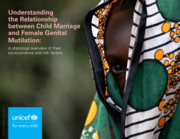
Child marriage and female genital mutilation (FGM) threaten the well-being of millions of girls around the world. Both have existed for generations, as manifestations of gender inequality, and have been propagated by discriminatory norms that devalue girls. In many countries where both child marriag
...
e and FGM are common, girls most at risk for each practice tend to share certain characteristics, such as low levels of education, rural residence, and living in poorer households. Yet, there are distinct differences in what drives each practice, and many communities in which one may be common, will not practice the other.
This report seeks to identify the extent to which child marriage and FGM co-exist. The intersection of these two practices – that is, the share of women who underwent FGM and were married in childhood – is reviewed over time, to determine whether girls’ likelihood of experiencing both practices has changed across generations. Lastly, the analysis identifies the characteristics that most commonly distinguish the girls who experience one practice from those who experience both.
more
During the first year of the Covid-19 pandemic, the world’s economy slowed. Yet, the global annual average particulate pollution (PM2.5) was largely unchanged from 2019 levels. At the same time, growing evidence shows air pollution—even when experienced at very low levels—hurts human health. T
...
his recently led the World Health Organization (WHO) to revise its guideline for what it considers a safe level of exposure of particulate pollution, bringing most of the world—97.3 percent of the global population—into the unsafe zone. The AQLI finds that particulate air pollution takes 2.2 years off global average life expectancy, or a combined 17 billion life-years, relative to a world that met the WHO guideline. This impact on life expectancy is comparable to that of smoking, more than three times that of alcohol use and unsafe water, six times that of HIV/AIDS, and 89 times that of conflict and terrorism.
more
