Filter
4478
Text search:
infectious
diseases
Featured
511
1008
Language
4115
186
165
103
70
69
46
34
8
8
8
7
5
4
4
3
3
3
3
3
3
2
2
2
2
2
2
2
2
2
2
2
2
2
2
2
2
2
2
1
1
1
1
1
1
1
1
1
1
1
1
1
1
1
1
1
1
1
1
Document type
1894
960
818
269
206
130
86
34
34
18
10
8
7
2
Countries
245
180
113
111
110
98
96
87
84
73
71
70
55
53
49
45
45
45
43
42
41
39
39
37
36
35
34
34
34
31
30
28
28
25
24
22
22
21
21
19
18
17
17
16
15
14
14
14
13
11
11
10
9
9
9
8
8
8
8
8
8
8
7
7
7
7
7
6
6
6
6
6
6
6
6
5
5
5
5
5
5
4
4
4
4
3
3
3
3
3
3
3
3
2
2
2
2
2
2
2
2
2
2
2
2
2
2
2
2
2
2
2
1
1
1
1
1
1
1
1
1
1
1
1
1
1
1
1
1
1
1
1
1
1
1
1
1
1
1
1
1
1
1
1
Authors & Publishers
736
198
139
116
112
64
58
55
36
31
31
29
28
28
24
24
23
22
22
21
21
20
18
18
17
17
16
16
15
15
15
15
14
14
13
12
12
12
12
12
12
12
12
11
11
11
11
11
11
10
10
10
10
10
10
10
10
10
9
9
9
9
9
8
8
8
8
8
8
8
8
8
8
7
7
7
7
7
7
7
7
7
7
7
7
6
6
6
6
6
6
6
6
6
6
6
6
6
6
6
5
5
5
5
5
5
5
5
5
5
5
5
5
5
5
5
5
5
5
5
5
5
5
5
5
5
5
5
5
5
5
5
5
4
4
4
4
4
4
4
4
4
4
4
4
4
4
4
4
4
4
4
4
4
4
4
4
4
4
4
3
3
3
3
3
3
3
3
3
3
3
3
3
3
3
3
3
3
3
3
3
3
3
3
3
3
3
3
3
3
3
3
3
3
3
3
3
3
3
3
3
3
3
3
3
3
3
3
3
3
3
3
3
3
3
3
3
3
3
3
3
3
3
3
3
3
3
3
3
3
3
3
3
3
3
3
3
3
3
3
3
3
3
3
2
2
2
2
2
2
2
2
2
2
2
2
2
2
2
2
2
2
2
2
2
2
2
2
2
2
2
2
2
2
2
2
2
2
2
2
2
2
2
2
2
2
2
2
2
2
2
2
2
2
2
2
2
2
2
2
2
2
2
2
2
2
2
2
2
2
2
2
2
2
2
2
2
2
2
2
2
2
2
2
2
2
2
2
2
2
2
2
2
2
2
2
2
2
2
2
2
2
2
2
2
2
2
2
2
2
2
2
2
2
2
2
2
2
2
2
2
2
2
2
2
2
2
2
2
2
2
2
2
2
2
2
2
2
2
2
2
2
2
2
2
2
2
2
2
2
2
2
2
2
2
2
2
2
2
2
2
2
2
2
2
2
2
2
2
2
2
2
2
2
2
2
2
2
2
2
2
2
2
2
2
2
2
2
2
2
2
2
2
2
2
2
2
2
2
2
2
2
2
2
2
2
2
2
2
2
2
2
2
2
2
2
2
2
2
2
2
2
2
2
2
2
2
2
2
2
2
2
2
2
2
2
1
1
1
1
1
1
1
1
1
1
1
1
1
1
1
1
1
1
1
1
1
1
1
1
1
1
1
1
1
1
1
1
1
1
1
1
1
1
1
1
1
1
1
1
1
1
1
1
1
1
1
1
1
1
1
1
1
1
1
1
1
1
1
1
1
1
1
1
1
1
1
1
1
1
1
1
1
1
1
1
1
1
1
1
1
1
1
1
1
1
1
1
1
1
1
1
1
1
1
1
1
1
1
1
1
1
1
1
1
1
1
1
1
1
1
1
1
1
1
1
1
1
1
1
1
1
1
1
1
1
1
1
1
1
1
1
1
1
1
1
1
1
1
1
1
1
1
1
1
1
1
1
1
1
1
1
1
1
1
1
1
1
1
1
1
1
1
1
1
1
1
1
1
1
1
1
1
1
1
1
1
1
1
1
1
1
1
1
1
1
1
1
1
1
1
1
1
1
1
1
1
1
1
1
1
1
1
1
1
1
1
1
1
1
1
1
1
1
1
1
1
1
1
1
1
1
1
1
1
1
1
1
1
1
1
1
1
1
1
1
1
1
1
1
1
1
1
1
1
1
1
1
1
1
1
1
1
1
1
1
1
1
1
1
1
1
1
1
1
1
1
1
1
1
1
1
1
1
1
1
1
1
1
1
1
1
1
1
1
1
1
1
1
1
1
1
1
1
1
1
1
1
1
1
1
1
1
1
1
1
1
1
1
1
1
1
1
1
1
1
1
1
1
1
1
1
1
1
1
1
1
1
1
1
1
1
1
1
1
1
1
1
1
1
1
1
1
1
1
1
1
1
1
1
1
1
1
1
1
1
1
1
1
1
1
1
1
1
1
1
1
1
1
1
1
1
1
1
1
1
1
1
1
1
1
1
1
1
1
1
1
1
1
1
1
1
1
1
1
1
1
1
1
1
1
1
1
1
1
1
1
1
1
1
1
1
1
1
1
1
1
1
1
1
1
1
1
1
1
1
1
1
1
1
1
1
1
1
1
1
1
1
1
1
1
1
1
1
1
1
1
1
1
1
1
1
1
1
1
1
1
1
1
1
1
1
1
1
1
1
1
1
1
1
1
1
1
1
1
1
1
1
1
1
1
1
1
1
1
1
1
1
1
1
1
1
1
1
1
1
1
1
1
1
1
1
1
1
1
1
1
1
1
1
1
1
1
1
1
1
1
1
1
1
1
1
1
1
1
1
1
1
1
1
1
1
1
1
1
1
1
1
1
1
1
1
1
1
1
1
1
1
1
1
1
1
1
1
1
1
1
1
1
1
1
1
1
1
1
1
1
1
1
1
1
1
1
1
1
1
1
1
1
1
1
1
1
1
1
1
1
1
1
1
1
1
1
1
1
1
1
1
1
1
1
1
1
1
1
1
1
1
1
1
1
1
1
1
1
1
1
1
1
1
1
1
1
1
1
1
1
1
1
1
1
1
1
1
1
1
1
1
1
1
1
1
1
1
1
1
1
1
1
1
1
1
1
1
1
1
1
1
1
1
1
1
1
1
1
1
1
1
1
1
1
1
1
1
1
1
1
1
1
1
1
1
1
1
1
1
1
1
1
1
1
1
1
1
1
1
1
1
1
1
1
1
1
1
1
1
1
1
1
1
1
1
1
1
1
1
1
1
1
1
1
1
1
1
1
1
1
1
1
1
1
1
1
1
1
1
1
1
1
1
1
1
1
1
1
1
1
1
1
1
1
1
1
1
1
1
1
1
1
1
1
1
1
1
1
1
1
1
1
1
1
1
1
1
1
1
1
1
1
1
1
1
1
1
1
1
1
1
1
1
1
1
1
1
1
1
1
1
1
1
1
1
1
1
1
1
1
1
1
1
1
1
1
1
1
1
1
1
1
1
1
1
1
1
1
1
1
1
1
1
1
1
1
1
1
1
1
1
1
1
1
1
1
1
1
1
1
1
1
1
1
1
1
1
1
1
1
1
1
1
1
1
1
1
1
1
1
1
1
1
1
1
1
1
1
1
1
1
1
1
1
1
1
1
1
1
1
1
1
1
1
1
1
1
1
1
1
1
1
1
1
1
1
1
1
1
1
1
1
1
1
1
1
1
1
1
1
1
1
1
1
1
1
1
1
1
1
1
1
1
1
1
1
1
1
1
1
1
1
1
1
1
1
1
1
1
1
1
1
1
1
1
1
1
1
1
1
1
1
1
1
1
1
1
1
1
1
1
1
1
1
1
1
1
1
1
1
1
1
1
1
1
1
1
1
1
1
1
1
1
1
1
1
1
1
1
1
1
1
1
1
1
1
1
1
1
1
1
1
1
1
1
1
1
1
1
1
1
1
1
1
1
1
1
1
1
1
1
1
1
1
1
1
1
1
1
1
1
1
1
1
1
1
1
1
1
1
1
1
1
1
1
1
1
1
1
1
1
1
1
1
1
1
1
1
1
1
1
1
1
1
1
1
1
1
1
1
1
1
1
1
1
1
1
1
1
1
1
1
1
1
1
1
1
1
1
1
1
1
1
1
1
1
1
1
1
1
1
1
1
1
1
1
1
1
1
1
1
1
1
1
1
1
1
1
1
1
1
1
1
1
1
1
1
1
1
1
1
1
1
1
1
1
1
1
1
1
1
1
1
1
1
1
1
1
1
1
1
1
1
1
1
1
1
1
1
1
1
1
1
1
1
1
1
1
1
1
1
1
1
1
1
1
1
1
1
1
1
1
1
1
1
1
1
1
1
1
1
1
1
1
1
1
1
1
1
1
1
1
1
1
1
1
1
1
1
1
1
1
1
1
1
1
1
1
1
1
1
1
1
1
1
1
1
1
1
1
1
1
1
1
1
1
1
1
1
1
1
1
1
1
1
1
1
1
1
1
1
1
1
1
1
1
1
1
1
1
1
1
1
1
1
1
1
1
1
1
1
1
1
1
1
1
1
1
1
1
1
1
1
1
1
1
1
1
1
1
1
1
1
1
1
1
1
1
1
1
1
1
1
1
1
1
1
1
1
1
1
1
1
1
1
1
1
1
1
1
1
1
1
1
1
1
1
1
1
1
1
1
1
1
1
1
1
1
1
1
1
1
1
1
1
1
1
1
1
1
1
1
1
1
1
1
1
1
1
1
1
1
1
1
1
1
1
1
1
1
1
1
1
1
1
1
1
1
1
1
1
1
1
1
1
1
1
1
1
1
1
1
1
1
1
1
1
1
1
1
1
1
1
1
1
1
1
1
1
1
1
1
1
1
1
1
1
1
1
1
1
1
1
1
1
1
1
1
1
1
1
1
1
1
1
1
1
1
1
1
1
1
1
1
1
1
1
1
1
1
1
1
1
1
1
1
1
1
1
1
1
1
1
1
1
1
1
1
1
1
1
1
1
1
1
1
1
1
1
1
1
1
1
1
1
1
1
1
1
1
1
1
1
1
1
1
1
1
1
1
1
1
1
1
1
1
1
1
1
1
1
1
1
1
1
1
1
1
1
1
1
1
1
1
1
1
1
1
1
1
1
1
1
1
1
1
1
1
1
1
1
1
1
1
1
1
1
1
1
1
1
1
1
1
1
1
1
1
1
1
1
1
1
1
1
1
1
1
1
1
1
1
1
1
1
1
1
1
1
1
1
1
1
1
1
1
1
1
1
1
1
1
1
1
1
1
1
1
1
1
1
1
1
1
1
1
1
1
1
1
1
1
1
1
1
1
1
1
1
1
1
1
1
1
1
1
1
1
1
1
1
1
1
1
1
1
1
1
1
1
1
1
1
1
1
1
1
1
1
1
1
1
1
1
1
1
1
1
1
1
1
1
1
1
1
1
1
1
1
1
1
1
1
1
1
1
1
1
1
1
1
1
1
1
1
1
1
1
1
1
1
1
1
1
1
1
1
1
1
1
1
1
1
1
1
1
1
1
1
1
1
1
1
1
1
1
1
1
1
1
1
1
1
1
1
1
1
1
1
1
1
1
1
1
1
1
1
1
1
1
1
1
1
1
1
1
1
1
1
1
1
1
1
1
1
1
1
1
1
1
1
1
1
1
1
1
1
1
1
1
1
1
1
1
1
1
1
1
1
1
1
1
1
1
1
1
1
1
1
1
1
1
1
1
1
1
1
1
1
1
1
1
1
1
1
1
1
1
1
1
1
1
1
1
1
1
1
1
1
1
1
1
1
1
1
1
1
1
1
1
1
1
1
1
1
1
1
1
1
1
1
1
1
1
1
1
1
1
1
1
1
1
1
1
1
1
1
1
1
1
1
1
1
1
1
1
1
1
1
1
1
1
1
1
1
1
1
1
1
1
1
1
1
1
1
1
1
1
1
1
1
1
1
1
1
1
1
1
1
1
1
1
1
1
1
1
1
1
1
1
1
1
1
1
1
1
1
1
1
1
1
1
1
1
1
1
1
1
1
1
1
1
1
1
1
1
1
1
1
1
1
1
1
1
1
1
1
1
1
1
1
1
1
1
1
1
1
1
1
1
1
1
1
1
1
1
1
1
1
1
1
1
1
1
1
1
1
1
1
1
1
1
1
1
1
1
1
1
1
1
1
1
1
1
1
1
1
1
1
1
1
1
1
1
1
1
1
1
1
1
1
1
1
1
1
1
1
1
1
1
1
1
1
1
1
1
1
1
1
1
1
1
1
1
1
1
1
1
1
1
1
1
1
1
1
1
1
1
1
1
1
1
1
1
1
1
1
1
1
1
1
1
1
1
1
1
1
1
1
1
1
1
1
1
1
1
1
1
1
1
1
1
1
1
1
1
1
1
1
1
1
1
1
1
1
1
1
1
1
1
1
1
1
1
1
1
1
1
1
1
1
1
1
1
1
1
1
1
1
1
1
1
1
1
1
1
1
1
1
1
1
1
1
1
1
1
1
1
1
1
1
1
1
1
1
1
1
1
1
1
1
1
1
1
1
1
1
1
1
1
1
1
1
1
1
1
1
1
1
1
1
1
1
1
1
1
1
1
1
1
1
1
1
1
1
1
1
1
1
1
1
1
1
1
1
1
1
1
1
1
1
1
1
1
1
1
1
1
1
1
1
1
1
1
1
1
1
1
1
1
1
1
1
1
1
1
1
1
1
1
1
1
1
1
1
1
1
1
1
1
1
1
1
1
1
1
1
1
1
1
1
1
1
1
1
1
1
1
1
1
1
1
1
1
1
1
1
1
1
1
1
1
1
1
1
1
1
1
1
1
1
1
1
1
1
1
1
1
1
1
1
1
1
1
1
1
1
1
1
1
1
1
1
1
1
1
1
1
1
1
1
1
1
1
1
1
1
1
1
1
1
1
1
1
1
1
1
1
1
1
1
1
1
1
1
1
1
1
1
1
1
1
1
1
1
1
1
1
1
1
1
1
1
1
1
1
1
1
1
1
1
1
1
1
1
1
1
1
1
1
1
1
1
1
1
1
1
1
1
1
1
1
1
1
1
1
1
1
1
1
1
1
1
1
1
1
1
1
1
1
1
1
1
1
1
1
1
1
1
1
1
1
1
1
1
1
1
1
1
1
1
1
1
1
1
1
1
1
1
1
1
1
1
1
1
1
1
1
1
1
1
1
1
1
1
1
1
1
1
1
1
1
1
1
1
1
1
1
1
1
1
1
1
1
1
1
1
1
1
1
1
1
1
1
1
1
1
1
1
1
1
1
1
1
1
1
1
1
1
1
1
1
1
1
1
1
1
1
1
1
1
1
1
1
1
1
1
1
1
1
1
1
1
1
1
1
1
1
1
1
1
1
1
1
1
1
1
1
1
1
1
1
1
1
1
1
1
1
1
1
1
1
1
1
1
1
1
1
1
1
1
1
1
1
1
1
1
1
1
1
1
1
1
1
1
1
1
1
1
1
1
1
1
1
1
1
1
1
1
1
1
1
1
1
1
1
1
1
1
1
1
1
1
1
1
1
1
1
1
1
1
1
1
1
1
1
1
1
1
1
1
1
1
1
1
1
1
1
1
1
1
1
1
1
1
1
1
1
1
1
1
1
1
1
1
1
1
1
1
1
1
1
1
1
1
1
1
1
1
1
1
1
1
1
1
1
1
1
1
1
1
1
1
1
1
1
1
1
1
1
1
1
1
1
1
1
1
1
1
1
1
1
1
1
1
1
1
1
1
1
1
1
1
1
1
1
1
1
1
1
1
1
1
1
1
1
1
1
1
1
1
1
1
1
1
1
1
1
1
1
1
1
1
1
1
1
1
1
1
1
1
1
1
1
1
1
1
1
1
1
1
1
1
1
1
1
1
1
1
1
1
1
1
1
1
1
1
1
1
1
1
1
1
1
1
1
1
1
1
1
1
1
1
1
1
1
1
1
1
1
1
1
1
1
1
1
1
1
1
1
1
1
1
1
1
1
1
1
1
1
1
1
1
1
1
1
1
1
1
1
1
1
1
1
1
1
1
1
1
1
1
1
1
1
1
1
1
1
1
1
1
1
1
1
1
1
1
1
1
1
1
1
1
1
1
1
1
1
1
1
1
1
1
1
1
1
1
1
1
1
1
1
1
1
1
1
1
1
1
1
1
1
1
1
1
1
1
1
1
1
1
1
1
1
1
1
1
1
1
1
1
1
1
1
1
1
1
1
1
1
1
1
1
1
1
1
1
1
1
1
1
1
1
1
1
1
1
1
1
1
1
1
1
1
1
1
1
1
1
1
1
1
1
1
1
1
1
1
1
1
1
1
1
1
1
1
1
1
1
1
1
1
1
1
1
1
1
1
1
1
1
1
1
1
1
1
1
1
1
1
1
1
1
1
1
1
1
1
1
1
1
1
1
1
1
1
1
1
1
1
1
1
1
1
1
1
1
1
1
1
1
1
1
1
1
1
1
1
1
1
1
1
1
1
1
1
1
1
1
1
1
1
1
1
1
1
1
1
1
1
1
1
1
1
1
1
1
1
1
1
1
1
1
1
1
1
1
1
1
1
1
1
1
1
1
1
1
1
1
1
1
1
1
1
1
1
1
1
1
1
1
1
1
1
1
1
1
1
1
1
1
1
1
Publication Years
1670
2396
378
32
1
1
Category
1476
409
261
251
158
76
68
2
Toolboxes
512
387
292
258
235
224
162
148
119
112
107
105
81
79
77
69
69
69
65
60
56
43
29
26
4
1
1

The Story of Cholera is seen as a great tool to promote basic hygiene practices and has been narrated in Arabic to be shown in these Settlements. It is seen as both a prevention measure against potential cholera outbreak and/or other type of diarrheal dise
...
ases. Tested on site it has received a great welcome from the refugee community and is expected to have a major impact in the hygiene promotion response.
Download flashcards, video and mobile phone version at: http://globalhealthmedia.org/story-of-cholera/videos/registration/
more
For thousands of years, humans have been using wildlife for commercial and subsistence purposes. Wildlife trade takes place at local, national and international levels, with different forms of wildlife, such as live animals, partly processed products and finished products. Wildlife is a vital source
...
of safe and nutritious food, clothing, medicine, and other products, in addition to having religious and cultural value. Wildlife trade also contributes to livelihoods, income generation and overall economic development.
However, wildlife trade can have detrimental effects on species conservation, depleting natural resources, impoverishing biodiversity and degrading ecosystems (Morton et al., 2021). Wildlife trade, whether legal or illegal, regulated or unregulated, can pose threats to animal health and welfare. It also presents opportunities for zoonotic pathogens to spill over between wildlife and domestic animals, and for diseases to emerge with serious consequences for public or animal health and profound economic impacts (IPBES, 2020; Swift et al., 2007; Smith et al., 2009; Gortazar et al., 2014; Stephen, 2021; Stephen et al., 2022; FAO, 2020). The risk of pathogen spillover and disease emergence is amplified with increased interaction between humans, wildlife and domestic animals. The risk of pathogen spillover has also been exacerbated by climate change, intensified agriculture and livestock production, deforestation, and other land-use changes. Wildlife trade is also a risk to ecosystem biodiversity via the introduction of invasive species (Wikramanayake et al., 2021). Therefore, increased effort must be put into understanding the potential consequences of the wildlife trade, mapping and analysing the adjacent risks, and implementing strategies to manage those risks. Reducing wildlife-trade risks not only helps to limit disease but also minimises the negative effects of invasive species. Between 1960 and 2021, invasive alien species caused estimated cumulative damage of around 116 billion euros across 39 countries in the European Union alone, despite strict import regulations (Haubrock et al., 2021). The effect of invasive species is extremely apparent.
more

The Malaria Consortium website provides comprehensive information about the organization’s work in preventing, controlling, and eventually eliminating malaria and other communicable diseases. It showcases the organization’s projects, research, p
...
ublications, and policy work across Africa and Asia. The site highlights areas such as disease surveillance, health system strengthening, seasonal malaria chemoprevention, and integrated community case management.
more

Mpox can spread in humans through close contact, usually skin-to-skin contact, including sexual contact, with an infected person or animal, as well as with materials contaminated with the virus such as clothing, beddings and towels, and respiratory droplets in prolonged face to face contact. People
...
remain infectious from the onset of symptoms until all the lesions have scabbed and healed. The virus may spread from infected animals through handling infected meat or through bites or scratches. Diagnosis is confirmed by polymerase chain reaction (PCR) testing of material from a lesion for the virus’s DNA.
more

The purpose of this guide is to provide updated clinical guidance on TB/HIV, with an emphasis on diagnostic aspects—including new techniques—as well as current treatment, while maintaining a public health approach. By compiling and consolidating the latest World Health Organization recommendatio
...
ns on the subject into a single guide, the aim is to create a reference and consultation document that is frequently used, and that unifies and standardizes the comprehensive management of TB/HIV co-infection in healthcare facilities based on the principle of “two diseases, one patient.” It also seeks to support the updating of national standards and guidelines on co-infection and to complement the coordinated work that must exist between TB and HIV prevention and control programs at all levels, within the framework of the twelve internationally recommended TB/HIV collaborative activities.
more

COTS (Cholera Outbreak Training and Shigellosis) Program Health Promotion Worker Pocket Card
recommended
The COTS Cholera Outbreak Training and Shigellosis Program Pocket Card provides essential guidelines for health promotion workers to prevent and manage cholera and shigellosis outbreaks. It emphasizes proper sanitation, hygiene practices, safe water handling, and food safety as the primary methods f
...
or disease control. Key recommendations include handwashing, disinfecting water with chlorine, using latrines, and ensuring safe food preparation. The document also outlines hospital policies, waste disposal procedures, and safety measures for healthcare workers dealing with diarrheal diseases. Additionally, it provides dehydration assessment guidelines, treatment protocols using Oral Rehydration Solution (ORS) and IV fluids, and appropriate antibiotic treatments for both cholera and shigellosis. The goal is to equip healthcare workers with quick-reference tools to effectively contain outbreaks and prevent further transmission.
more

The document focuses on household water treatment methods to ensure access to safe drinking water, particularly in areas with limited access to clean water sources. It highlights the importance of safe water, noting that contaminated water is a major cause of waterborne
...
diseases such as diarrhea and cholera. Treating water at the household level is emphasized as an effective way to reduce health risks.
The document outlines several treatment methods, including boiling, which kills most pathogens; chlorination, which disinfects water by adding chlorine; filtration, which removes dirt and certain microbes using simple or advanced filters; and solar disinfection (SODIS), which involves exposing water in clear plastic bottles to sunlight for several hours to kill microbes. Additionally, it stresses the importance of safe water storage, such as using clean and covered containers to prevent recontamination, and practicing good hygiene, including regular handwashing and maintaining cleanliness around water sources.
By promoting these methods, the document aims to raise awareness and provide practical solutions for improving water quality at the household level, thereby reducing the spread of diseases and enhancing public health.
more
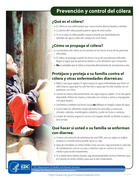
The document titled "Prevención y control del cólera" (Cholera Prevention and Control) provides essential guidance on preventing and managing cholera, a disease characterized by severe watery diarrhea and vomiting. Without prompt treatment, cholera can lead to death due to dehydration within hours
...
. The disease is primarily transmitted through the ingestion of food or water contaminated with the feces of an infected person.
To protect against cholera and other diarrheal diseases, the document emphasizes the importance of drinking safe water, such as bottled water with intact seals, boiled water, or water treated with chlorine products. Frequent handwashing with safe water and soap is recommended, and in the absence of soap, hands can be cleaned using ash or sand followed by rinsing with safe water. Proper sanitation practices, such as using latrines or burying feces and avoiding defecation near water sources, are crucial. The document also highlights safe food practices, including thoroughly cooking food (especially seafood), consuming it while hot, keeping it covered, and peeling fruits and vegetables. Ensuring the safe cleaning of kitchens and areas where the family bathes or washes clothes is also advised.
In case of diarrheal illness, the document stresses the immediate use of oral rehydration solution (ORS) to prevent dehydration and the importance of seeking medical attention as quickly as possible. Patients should continue ORS intake both at home and during transit to a health facility. These preventative measures and prompt treatment strategies are vital for reducing cholera transmission and mortality.
more
Clinical managment
recommended
Quality clinical care is at the heart of a robust, effective response to outbreaks. Frontline health workers need evidence-based tools and training to provide safe, effective and quality clinical care.
The Clinical Management channel includes videos on a range of
...
diseases, such as Ebola, diphtheria and influenza. The channel also hosts a full course series on COVID-19 which covers a holistic pathway of care of a patient, from screening and triage to rehabilitation and palliative care.
more
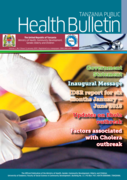
The Tanzania Public Health Bulletin provides updates on important public health issues in Tanzania. It includes government statements, surveillance reports, outbreak updates, and research articles on communicable diseases such as Ebola and cholera.
...
The bulletin aims to inform health professionals, policymakers, researchers, and the general public by sharing evidence-based information, surveillance data, and public health recommendations to strengthen disease prevention, outbreak preparedness, and health promotion in Tanzania.
more

The document "J-esyon ak bon manipilasyon manje yo" focuses on proper food handling and hygiene practices to prevent contamination and foodborne illnesses. It provides comprehensive guidelines for individuals and communities, emphasizing the importance of food safety. Key recommendations include kee
...
ping raw and cooked foods separate, ensuring thorough cooking of perishable items like meat and fish, and checking canned goods for damage or expiration before use. It stresses the need to use treated or boiled water for cooking, drinking, and washing food, as contaminated water can lead to diseases such as diarrhea, typhoid, and skin infections.
The document also highlights critical hygiene practices, such as washing hands with soap and treated water before handling food or eating, and thoroughly cleaning food preparation areas. Proper storage of food at suitable temperatures to prevent spoilage is another key focus, along with protecting food from animals, insects, and other sources of contamination. Overall, the manual emphasizes that maintaining proper hygiene and safe food handling practices is vital for preventing illnesses and promoting public health, making it a valuable resource for educating communities on food safety.
more

Hygiene Awareness Manual (Arabic) - GIZ
recommended
The "Hygiene Awareness Manual" focuses on promoting improved hygiene practices within communities, emphasizing personal and household hygiene, water safety, and environmental health. It highlights the importance of handwashing, oral hygiene, and maintaining cleanliness of the skin and clothing as ke
...
y aspects of personal and family hygiene. Specific practices such as regular bathing and wearing clean clothes are also emphasized.
For household hygiene, the manual provides guidance on safe food preparation and storage, as well as keeping living spaces, kitchens, and latrines clean to prevent contamination. It also addresses water safety, emphasizing the need to store water in clean containers, treat it for safe consumption, and dispose of wastewater properly to avoid environmental contamination.
The manual underscores the significance of balanced nutrition and food safety, offering guidelines for cooking and preserving food to reduce health risks. It also delves into disease prevention, explaining the causes and transmission of waterborne and hygiene-related diseases, such as cholera and dysentery, and outlining effective methods to prevent them through proper sanitation and hygiene.
This comprehensive guide serves as a practical resource for community health workers and households, aiming to foster better hygiene practices, prevent diseases, and enhance overall health and well-being.
more

PHSM are vital in reducing the risk and scale of infectious disease transmission and lowering hospitalization and deaths. Examples include contact tracing, quarantine and isolation, mask use, ventilation, school or workplace measures, mobility restr
...
ictions and travel requirements.
While these measures are essential, decision-making on PHSM becomes particularly complex during rapidly evolving health emergencies, with incomplete information and under significant public and political pressure, especially when the pathogen is novel or poorly understood. In such contexts, guidance needs to be agile and responsive, developed and adapted based on emerging evidence and shifting epidemiological patterns. Decision-makers are frequently confronted with difficult trade-offs, having to balance measures that are:
─ effective but socially disruptive;
─ cost-effective but logistically burdensome;
─ beneficial for public health but economically disruptive; or
─ practical but inequitable or unethical
more

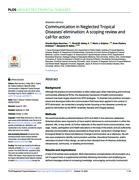
PLoS Negl Trop Dis 16(10): e0009774. Although the practice of communication is often called upon when intervening asn involgvingcommunties affected by NTD's, the disciplinary framewokr of healt communication research has been largely absent from NTD strategies. To illustrate how practices conceptual
...
ized and developed within the communication field habe been applied in the context of NTD elimination, we conducted a scoping review focusing on two diseases currently targeted for elimination by the WHO: lymphatic filariasis and Chagas disease
more
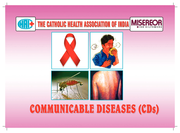
At the global, national, and regional levels, there are several guidelines and guides regarding the preparedness, prevention, surveillance, and control of diseases caused by respiratory viruses; most initiatives focus on specific virus events or cas
...
es. During the coronavirus disease 2019 (COVID-19) pandemic, it has been found that even when there are strategies designed and planned for pandemics, it is necessary to strengthen and improve them. Planning for imminent threats, including those posed by respiratory viruses, contributes to strengthening the core capacities of the International Health Regulations (IHR [2005])
more