
Filter
3208
Text search:
Vaccines
Featured
355
735
Language
2901
228
141
93
82
65
35
23
9
7
4
3
3
3
3
3
2
2
2
2
2
2
2
2
2
2
2
1
1
1
1
1
1
1
1
1
1
1
1
1
1
1
1
1
Document type
1221
613
532
207
199
180
62
61
48
39
18
16
10
Countries
192
102
76
68
65
63
60
59
59
58
57
50
47
46
40
38
33
31
30
30
30
28
28
28
28
27
26
26
24
22
22
21
20
20
19
19
18
17
17
16
15
14
14
14
13
12
12
12
11
11
9
8
8
8
8
7
7
7
7
7
6
6
6
5
5
5
5
5
4
4
4
4
4
4
4
4
4
4
3
3
3
3
3
3
3
3
3
2
2
2
2
2
2
1
1
1
1
1
1
1
1
1
1
1
1
1
1
1
1
1
1
1
1
1
1
1
1
1
1
1
1
1
1
1
1
1
Authors & Publishers
694
140
100
85
76
56
46
43
42
41
40
34
29
28
26
23
22
22
15
15
14
14
13
13
11
11
10
10
10
10
10
10
10
9
9
9
9
9
9
8
8
8
8
8
7
7
7
7
7
7
7
7
7
7
6
6
6
6
6
6
6
6
6
6
6
6
6
5
5
5
5
5
5
5
5
5
5
5
5
5
5
5
5
5
5
5
5
5
5
5
4
4
4
4
4
4
4
4
4
4
4
4
4
4
4
4
4
4
4
4
4
4
4
4
4
4
4
4
4
4
4
4
4
4
4
4
4
4
3
3
3
3
3
3
3
3
3
3
3
3
3
3
3
3
3
3
3
3
3
3
3
3
3
3
3
3
3
3
3
3
3
3
3
3
3
3
3
3
3
3
3
3
3
3
3
3
3
3
3
3
3
3
3
3
3
3
3
3
3
3
3
3
3
3
2
2
2
2
2
2
2
2
2
2
2
2
2
2
2
2
2
2
2
2
2
2
2
2
2
2
2
2
2
2
2
2
2
2
2
2
2
2
2
2
2
2
2
2
2
2
2
2
2
2
2
2
2
2
2
2
2
2
2
2
2
2
2
2
2
2
2
2
2
2
2
2
2
2
2
2
2
2
2
2
2
2
2
2
2
2
2
2
2
2
2
2
2
2
2
2
2
2
2
2
2
2
2
2
2
2
2
2
2
2
2
2
2
2
2
2
2
2
2
2
2
2
2
2
2
2
2
2
2
2
2
2
2
2
2
2
2
2
2
2
2
2
2
2
2
2
2
2
2
2
2
2
2
2
2
2
2
2
1
1
1
1
1
1
1
1
1
1
1
1
1
1
1
1
1
1
1
1
1
1
1
1
1
1
1
1
1
1
1
1
1
1
1
1
1
1
1
1
1
1
1
1
1
1
1
1
1
1
1
1
1
1
1
1
1
1
1
1
1
1
1
1
1
1
1
1
1
1
1
1
1
1
1
1
1
1
1
1
1
1
1
1
1
1
1
1
1
1
1
1
1
1
1
1
1
1
1
1
1
1
1
1
1
1
1
1
1
1
1
1
1
1
1
1
1
1
1
1
1
1
1
1
1
1
1
1
1
1
1
1
1
1
1
1
1
1
1
1
1
1
1
1
1
1
1
1
1
1
1
1
1
1
1
1
1
1
1
1
1
1
1
1
1
1
1
1
1
1
1
1
1
1
1
1
1
1
1
1
1
1
1
1
1
1
1
1
1
1
1
1
1
1
1
1
1
1
1
1
1
1
1
1
1
1
1
1
1
1
1
1
1
1
1
1
1
1
1
1
1
1
1
1
1
1
1
1
1
1
1
1
1
1
1
1
1
1
1
1
1
1
1
1
1
1
1
1
1
1
1
1
1
1
1
1
1
1
1
1
1
1
1
1
1
1
1
1
1
1
1
1
1
1
1
1
1
1
1
1
1
1
1
1
1
1
1
1
1
1
1
1
1
1
1
1
1
1
1
1
1
1
1
1
1
1
1
1
1
1
1
1
1
1
1
1
1
1
1
1
1
1
1
1
1
1
1
1
1
1
1
1
1
1
1
1
1
1
1
1
1
1
1
1
1
1
1
1
1
1
1
1
1
1
1
1
1
1
1
1
1
1
1
1
1
1
1
1
1
1
1
1
1
1
1
1
1
1
1
1
1
1
1
1
1
1
1
1
1
1
1
1
1
1
1
1
1
1
1
1
1
1
1
1
1
1
1
1
1
1
1
1
1
1
1
1
1
1
1
1
1
1
1
1
1
1
1
1
1
1
1
1
1
1
1
1
1
1
1
1
1
1
1
1
1
1
1
1
1
1
1
1
1
1
1
1
1
1
1
1
1
1
1
1
1
1
1
1
1
1
1
1
1
1
1
1
1
1
1
1
1
1
1
1
1
1
1
1
1
1
1
1
1
1
1
1
1
1
1
1
1
1
1
1
1
1
1
1
1
1
1
1
1
1
1
1
1
1
1
1
1
1
1
1
1
1
1
1
1
1
1
1
1
1
1
1
1
1
1
1
1
1
1
1
1
1
1
1
1
1
1
1
1
1
1
1
1
1
1
1
1
1
1
1
1
1
1
1
1
1
1
1
1
1
1
1
1
1
1
1
1
1
1
1
1
1
1
1
1
1
1
1
1
1
1
1
1
1
1
1
1
1
1
1
1
1
1
1
1
1
1
1
1
1
1
1
1
1
1
1
1
1
1
1
1
1
1
1
1
1
1
1
1
1
1
1
1
1
1
1
1
1
1
1
1
1
1
1
1
1
1
1
1
1
1
1
1
1
1
1
1
1
1
1
1
1
1
1
1
1
1
1
1
1
1
1
1
1
1
1
1
1
1
1
1
1
1
1
1
1
1
1
1
1
1
1
1
1
1
1
1
1
1
1
1
1
1
1
1
1
1
1
1
1
1
1
1
1
1
1
1
1
1
1
1
1
1
1
1
1
1
1
1
1
1
1
1
1
1
1
1
1
1
1
1
1
1
1
1
1
1
1
1
1
1
1
1
1
1
1
1
1
1
1
1
1
1
1
1
1
1
1
1
1
1
1
1
1
1
1
1
1
1
1
1
1
1
1
1
1
1
1
1
1
1
1
1
1
1
1
1
1
1
1
1
1
1
1
1
1
1
1
1
1
1
1
1
1
1
1
1
1
1
1
1
1
1
1
1
1
1
1
1
1
1
1
1
1
1
1
1
1
1
1
1
1
1
1
1
1
1
1
1
1
1
1
1
1
1
1
1
1
1
1
1
1
1
1
1
1
1
1
1
1
1
1
1
1
1
1
1
1
1
1
1
1
1
1
1
1
1
1
1
1
1
1
1
1
1
1
1
1
1
1
1
1
1
1
1
1
1
1
1
1
1
1
1
1
1
1
1
1
1
1
1
1
1
1
1
1
1
1
1
1
1
1
1
1
1
1
1
1
1
1
1
1
1
1
1
1
1
1
1
1
1
1
1
1
1
1
1
1
1
1
1
1
1
1
1
1
1
1
1
1
1
1
1
1
1
1
1
1
1
1
1
1
1
1
1
1
1
1
1
1
1
1
1
1
1
1
1
1
1
1
1
1
1
1
1
1
1
1
1
1
1
1
1
1
1
1
1
1
1
1
1
1
1
1
1
1
1
1
1
1
1
1
1
1
1
1
1
1
1
1
1
1
1
1
1
1
1
1
1
1
1
1
1
1
1
1
1
1
1
1
1
1
1
1
1
1
1
1
1
1
1
1
1
1
1
1
1
1
1
1
1
1
1
1
1
1
1
1
1
1
1
1
1
1
1
1
1
1
1
1
1
1
1
1
1
1
1
1
1
1
1
1
1
1
1
1
1
1
1
1
1
1
1
1
1
1
1
1
1
1
1
1
1
1
1
1
1
1
1
1
1
1
1
1
1
1
1
1
1
1
1
1
1
1
1
1
1
1
1
1
1
1
1
1
1
1
1
1
1
1
1
1
1
1
1
1
1
1
1
1
1
1
1
1
1
1
1
1
1
1
1
1
1
1
1
1
1
1
1
1
1
1
1
1
1
1
1
1
1
1
1
1
1
1
1
1
1
1
1
1
1
1
1
1
1
1
1
1
1
1
1
1
1
1
1
1
1
1
1
1
1
1
1
1
1
1
1
1
1
1
1
1
1
1
1
1
1
1
1
1
1
1
1
1
1
1
1
1
1
1
1
1
1
1
1
1
1
1
1
1
1
1
1
1
1
1
1
1
1
1
1
1
1
1
1
1
1
1
1
1
1
1
1
1
1
1
1
1
1
1
1
1
1
1
1
1
1
1
1
1
1
1
1
1
1
1
1
1
1
1
1
1
1
1
1
1
1
1
1
1
1
1
1
1
1
1
1
1
1
1
1
1
1
1
1
1
1
1
1
1
1
1
1
1
1
1
1
1
1
1
1
1
1
1
1
1
1
1
1
1
1
1
1
1
1
1
1
1
1
1
1
1
1
1
1
1
1
1
1
1
1
1
1
1
1
1
1
1
1
1
1
1
1
1
1
1
1
1
1
1
1
1
1
1
1
1
1
1
1
1
1
1
1
1
1
1
1
1
1
1
1
1
1
1
1
1
1
1
1
1
1
1
1
1
1
1
1
1
1
1
1
1
1
1
1
1
1
1
1
1
1
1
1
1
1
1
1
1
1
1
1
1
1
1
1
1
1
1
1
1
1
1
1
1
1
1
1
1
1
1
1
1
1
1
1
1
1
1
1
1
1
1
1
1
1
1
1
1
1
1
1
1
1
1
1
1
1
1
1
1
1
1
1
1
1
1
1
1
1
1
1
1
1
1
1
1
1
1
1
1
1
1
1
1
1
1
1
1
1
1
1
1
1
1
1
1
1
1
1
1
1
1
1
1
1
1
1
1
1
1
1
1
1
1
1
1
1
1
1
1
1
1
1
1
1
1
1
1
1
1
1
1
1
1
1
1
1
1
1
1
1
1
1
1
1
1
1
1
1
1
1
1
1
1
1
1
1
1
1
1
1
1
1
1
1
1
1
1
1
1
1
1
1
1
1
1
1
1
1
1
1
1
1
1
1
1
1
1
1
1
1
1
1
1
1
1
1
1
1
1
1
1
Publication Years
1550
1444
201
13
Category
1165
262
160
152
132
46
30
2
Toolboxes
727
154
150
114
108
93
90
85
79
77
75
70
62
59
59
56
55
50
49
25
23
19
18
12
2

28 Dec 2020. The main objective of these guidelines is to provide tools for staff working in the field of immunization to support effective communication between health personnel and the general population, with the aim of strengthening, maintaining or recovering trust in
...
vaccines and the immunization programs in the Region of the Americas.
Available in English, Spanish and Portuguese
more

As of January 20, 2021 the Covid-19 - living NMA initiative collected 150 RCTs and 36 non-randomised studies of vaccines from the ICTRP. 93 of these trials are recruiting patients.
3 February 2021
Vaccine- and vaccination-related crises require a communication response that is different from the communication strategies used to promote the benefits and importance of vaccines in general. This document presents the technical gu
...
idance needed to develop a communication plan that is appropriate for managing crises related to vaccine safety. This guidance will be useful for managers in the areas of immunization and vaccine and vaccination safety. They will also help preparedness and response teams working in safety crises to optimize their communication plans in order to regain, maintain, or strengthen trust in vaccines, vaccination, and immunization programs in general.
more
The authors state that researchers, governments and global agencies should proceed with particular care in the evaluation of candidate SARS-CoV-2 vaccines in LMICs, with effective communication to build trust and avoid generation of vaccine hesitanc
...
y. Vaccine efficacy is often highly variable between high-resource and low-resource settings
Archives of Disease in Childhood, vol.106 Issue 2
more
Social and behavior change (SBC) professionals have often been tasked to find ways to influence knowledge, attitudes, and practices, about vaccines. Now that the COVID-19 vaccines are becoming avail
...
able worldwide, renewed emphasis and urgency for SBC efforts arise.
To that end, WHO has offered three factors that play a role in vaccine hesitancy, the first two of which can be addressed by SBC: Complacency: Low perceived risk of vaccine-preventable diseases, and vaccination not deemed necessary. Other life/health issues are a greater priority.
Confidence: Low levels of trust in vaccines, in the delivery system, and in health authorities
Convenience: Barriers related to geographic accessibility, availability, affordability, and acceptability of services
This resource page provide a selection of SBC research, tools, and examples that aid in understanding this issue, especially in light of the recent availability of COVID-19 vaccines and the urgency for immunization worldwide.
more
8 February 2021
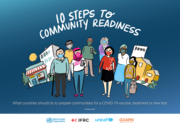
This document highlights 10 well established Risk Communication and Community Engagement (RCCE) principles that have proven their power. Together they put communities at the heart of the roll out of new vaccines, treatments and test
...
s and promote trust, the critical ingredient for all community action. Informed, engaged and empowered communities are the bedrock for the arrival of new vaccines, treatments and tests that will be introduced to reduce the spread of COVID-19 and save lives. With communities fully engaged and actively participating through the full cycle of planning, delivery and assessment for biomedical tools, demand for these tools can be increased, leading to widespread and effective uptake and use
more
Join the campaign to call on countries and companies to ensure that by the time World Health Day arrives on 7 April, COVID-19 vaccines are being administered in every country, as a symbol of hope for overcoming both the pandemic and the inequalities
...
that lie at the root of so many global health challenges.
This call to action can be fulfilled through supporting COVAX and the ACT Accelerator to equitably distribute vaccines, treatments and diagnostics globally.
Sign the declaration!
more

7 Febr. 2021
As COVID-19 continues to wreak havoc in countries – decimating people’s livelihoods, and leaving health systems struggling to provide healthcare and vaccines for the entire population - governments and donors should look to the Chu
...
rch as a partner. The essential Church networks, trusted and rooted in local communities, can reach the most vulnerable people and remote places where governments often struggle to reach. DR Congo is among several countries where the Catholic Church is the main provider of community health services, particularly in more remote areas.
more

8 Febr. 2021. The South African Council of Churches is holding a media briefing to speak on the myths on the coronavirus vaccines in light of the conspiracy theories making the rounds.
Conspiracy theories about the coronavirus vaccine have been d
...
oing the rounds for a while now.
more
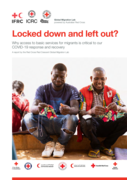
A new report released today documents an “invisible wall” which has blocked migrants from accessing basic services since the start of the COVID-19 pandemic, and is now preventing them from accessing vaccines.
The Vaccination Demand Hub is a network of partner organizations innovating together to understand why people miss out and to improve acceptance and uptake of vaccines, to ensure that everyone everywhere is protected against vaccine preventable dise
...
ases.
more
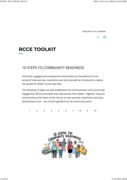
10 Steps to Community Readiness
recommended
A toolbox for community engagement to support COVID-19 response. The following 10 steps are well established risk communication and community engagement (RCCE) principles that have proven their power. Together, they put communities at the heart of the roll-out of new
...
vaccines, treatments and tests, and promote trust – the critical ingredient for all community action.
more
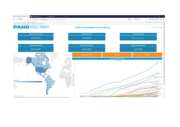
COVID-19 Vaccination in the Americas
recommended
On March 1, 2021, the countries of the Americas began receiving vaccines through the COVAX Mechanism, an unprecedented global effort between CEPI, Gavi, Unicef, PAHO, and WHO to ensure equitable access to immunization throughout the world. The PAHO
...
Revolving Fund is the mechanism designated by COVAX to procure the vaccines on behalf of the countries in the region.
— Data on vaccine doses administered in the Americas
more

24 May 2021; Guidance for vaccinators on how to store, prepare, draw up and administer COVID-19 vaccines Updated May 2021 · Western Cape Edition
Practical Approach to Care Kit: Vaccine

14 July 2021 This article is part of a series of explainers on vaccine development and distribution. Learn more about vaccines – from how they work and how they’re made to ensuring safety and equitable access – in WHO’s
...
Vaccines Explained series.
COVID-19 vaccines have proven to be safe, effective and life-saving. Like all vaccines, they do not fully protect everyone who is vaccinated, and we do not yet know how well they can prevent people from transmitting the virus to others. So as well as getting vaccinated, we must also continue with other measures to fight the pandemic.
Available in English, French, Spanish, Arabic, Chinese and Russian
more
When situations occur in which unwanted events are rightly or wrongly connected with vaccination, they may erode confidence in vaccines and the authorities delivering them. This document presents the scientific evidence behind WHO’s recommendation
...
s on building and restoring confidence in vaccines and vaccination, both in ongoing work and during crises. The evidence draws on a vast reserve of laboratory research and fieldwork within psychology and communication. It examines how people make decisions about vaccination; why some people are hesitant about vaccination; and the factors that drive a crisis, covering how building trust, listening to and understanding people, building relations, communicating risk and shaping messages to the audiences may mitigate crises. This document provides a knowledge base for stakeholders who develop communication strategies or facilitate workshops on communication and trust-building activities in relation to vaccines and immunization, such as immunization programme units, ministries of health, public relations and health promotion units, vaccine safety communication trainers and immunization advisory bodies.
more
COVID Behaviors Dashboard
recommended
Global and Regional View of Vaccine Acceptance and Related Behaviors.
This new interactive tool captures information on knowledge, attitudes and behaviors around vaccines, masking, testing and more from 12 million people in 115 countries.
Insight
...
s and analyses on how to use the data were written by researchers and social and behavior change communication experts at CCP in collaboration with WHO’s Global Outbreak Alert and Response Network. This site is intended to be used by policy makers, health officials and practitioners at national and subnational levels to better understand the behavioral drivers behind vaccine uptake, masking and physical distancing among other behaviors that affect the spread of COVID-19.
more

Every country has been affected by COVID-19, with nearly a quarter
of a billion cases and almost 5 million deaths reported globally as of
end of September 2021. Despite the stunning speed with which highly
effective and safe vaccines have been
...
developed, new waves of disease
are still pushing health systems to the breaking point, increasingly
transmissible variants are emerging, some survivors are suffering
serious long-term sequelae, and the International Monetary Fund
estimates that global economic losses could exceed US$5.3 trillion
by 2026, if COVID-19 becomes endemic.
Although over 6 billion doses of COVID-19 vaccine have already been
administered, and global production is now reaching 1.5 billion doses
per month, the world is not positioned to end the pandemic. In areas of
high vaccine coverage, there have been massive reductions in serious
disease, hospitalization and death but, globally, vaccine access is highly
inequitable with coverage ranging from 1% to over 70%, depending
largely on a country’s wealth. Consequently, SARS CoV-2 variants
continue to emerge, causing surges of disease and slowing or even
reversing the reopening of societies and economies.
more

WHO and Psyon Games have joined forces to launch a new tower defense game called the Antidote COVID-19 to turn complex, scientific information into a fun learning experience. During the course of the game, players will learn about their immune system, pathogens,
...
vaccines and how to protect themselves from COVID-19.
The game comes at a critical point of the pandemic where misinformation is hindering COVID-19 vaccine acceptance and adherence to other public health measures due to fear, mistrust and doubt. By putting players in the driver’s seat, the game urges everyone to play a role in fighting harmful misinformation online, and learning and sharing the facts from trusted sources of information.
The game starts just before the pandemic begins. The player is recruited to halt the spread of SARS-COV-2, the virus that causes COVID-19, by developing vaccines and helping the human immune system fight off the virus. Based on real events, this online adventure takes the player to the frontline of science, ultimately providing lifesaving information in the palms of their hands.
more
5 April 2022, Addendum. This policy brief confirms WHO guidance and policy on injection safety in the context of the extraordinary increase in global injections resulting from COVID-19 immunization campaigns. It also calls attention to information on specialized syringes for COVID-19
...
vaccines and broad short-term and long-term solutions to address and alleviate supply shortages related to vaccine products with non-standard dose volumes.
more
