
Filter
5958
Text search:
specific
populations
Featured
566
1563
Language
5834
164
111
69
63
38
30
13
7
6
4
4
4
3
2
2
2
2
2
2
1
1
1
1
1
1
1
1
1
1
1
1
1
1
1
1
1
1
1
1
1
1
1
Document type
2904
1263
808
380
310
112
95
49
13
10
7
3
Countries
341
192
159
123
122
115
108
106
103
100
98
96
91
90
90
82
81
68
67
62
61
56
49
46
41
40
38
37
36
35
35
34
34
32
32
31
31
30
25
25
25
23
22
22
21
19
18
18
18
17
17
16
16
15
14
14
12
12
12
11
11
11
11
11
10
10
9
9
9
9
8
8
8
7
6
6
5
5
5
5
5
5
5
4
4
4
4
4
4
3
3
3
3
3
3
3
3
3
3
3
3
3
2
2
2
2
2
2
2
2
2
2
2
2
2
2
2
2
2
2
2
2
2
2
1
1
1
1
1
1
1
1
1
1
1
1
1
1
1
1
1
1
1
1
1
1
1
1
1
1
1
1
Authors & Publishers
946
264
183
180
166
107
83
82
68
64
49
36
36
34
31
29
28
27
27
27
25
25
22
22
22
22
21
19
19
19
19
19
19
19
18
18
18
17
16
16
16
16
15
15
15
15
15
14
14
14
13
13
13
13
13
13
13
12
12
12
12
12
12
11
11
11
10
10
10
10
10
10
10
9
9
9
9
9
9
9
9
9
9
9
8
8
8
8
8
8
8
8
8
8
7
7
7
7
7
7
7
7
7
7
7
7
7
7
6
6
6
6
6
6
6
6
6
6
6
6
6
6
6
6
6
6
6
6
6
6
6
5
5
5
5
5
5
5
5
5
5
5
5
5
5
5
5
5
5
5
5
5
5
5
5
5
5
5
5
5
5
5
5
4
4
4
4
4
4
4
4
4
4
4
4
4
4
4
4
4
4
4
4
4
4
4
4
4
4
4
4
4
4
4
4
4
4
4
4
4
4
4
4
4
4
4
4
4
4
4
4
4
4
4
4
4
4
4
4
4
4
4
4
4
4
4
4
4
3
3
3
3
3
3
3
3
3
3
3
3
3
3
3
3
3
3
3
3
3
3
3
3
3
3
3
3
3
3
3
3
3
3
3
3
3
3
3
3
3
3
3
3
3
3
3
3
3
3
3
3
3
3
3
3
3
3
3
3
3
3
3
3
3
3
3
3
3
3
3
3
3
3
3
3
3
3
3
3
3
3
3
3
3
3
3
3
3
3
3
3
3
3
3
3
3
3
3
3
3
3
3
3
3
3
3
3
3
3
2
2
2
2
2
2
2
2
2
2
2
2
2
2
2
2
2
2
2
2
2
2
2
2
2
2
2
2
2
2
2
2
2
2
2
2
2
2
2
2
2
2
2
2
2
2
2
2
2
2
2
2
2
2
2
2
2
2
2
2
2
2
2
2
2
2
2
2
2
2
2
2
2
2
2
2
2
2
2
2
2
2
2
2
2
2
2
2
2
2
2
2
2
2
2
2
2
2
2
2
2
2
2
2
2
2
2
2
2
2
2
2
2
2
2
2
2
2
2
2
2
2
2
2
2
2
2
2
2
2
2
2
2
2
2
2
2
2
2
2
2
2
2
2
2
2
2
2
2
2
2
2
2
2
2
2
2
2
2
2
2
2
2
2
2
2
2
2
2
2
2
2
2
2
2
2
2
2
2
2
2
2
2
2
2
2
2
2
2
2
2
2
2
2
2
2
2
2
2
2
2
2
2
2
2
2
2
2
2
2
2
2
2
2
2
2
2
2
2
2
2
2
2
2
2
2
2
2
2
2
2
2
2
2
2
2
2
2
2
2
2
2
2
2
2
2
2
2
2
2
2
2
2
2
2
2
2
2
2
2
2
2
2
2
2
2
2
2
2
2
2
2
2
2
2
2
2
2
2
2
2
2
2
2
2
2
2
2
2
2
2
2
2
1
1
1
1
1
1
1
1
1
1
1
1
1
1
1
1
1
1
1
1
1
1
1
1
1
1
1
1
1
1
1
1
1
1
1
1
1
1
1
1
1
1
1
1
1
1
1
1
1
1
1
1
1
1
1
1
1
1
1
1
1
1
1
1
1
1
1
1
1
1
1
1
1
1
1
1
1
1
1
1
1
1
1
1
1
1
1
1
1
1
1
1
1
1
1
1
1
1
1
1
1
1
1
1
1
1
1
1
1
1
1
1
1
1
1
1
1
1
1
1
1
1
1
1
1
1
1
1
1
1
1
1
1
1
1
1
1
1
1
1
1
1
1
1
1
1
1
1
1
1
1
1
1
1
1
1
1
1
1
1
1
1
1
1
1
1
1
1
1
1
1
1
1
1
1
1
1
1
1
1
1
1
1
1
1
1
1
1
1
1
1
1
1
1
1
1
1
1
1
1
1
1
1
1
1
1
1
1
1
1
1
1
1
1
1
1
1
1
1
1
1
1
1
1
1
1
1
1
1
1
1
1
1
1
1
1
1
1
1
1
1
1
1
1
1
1
1
1
1
1
1
1
1
1
1
1
1
1
1
1
1
1
1
1
1
1
1
1
1
1
1
1
1
1
1
1
1
1
1
1
1
1
1
1
1
1
1
1
1
1
1
1
1
1
1
1
1
1
1
1
1
1
1
1
1
1
1
1
1
1
1
1
1
1
1
1
1
1
1
1
1
1
1
1
1
1
1
1
1
1
1
1
1
1
1
1
1
1
1
1
1
1
1
1
1
1
1
1
1
1
1
1
1
1
1
1
1
1
1
1
1
1
1
1
1
1
1
1
1
1
1
1
1
1
1
1
1
1
1
1
1
1
1
1
1
1
1
1
1
1
1
1
1
1
1
1
1
1
1
1
1
1
1
1
1
1
1
1
1
1
1
1
1
1
1
1
1
1
1
1
1
1
1
1
1
1
1
1
1
1
1
1
1
1
1
1
1
1
1
1
1
1
1
1
1
1
1
1
1
1
1
1
1
1
1
1
1
1
1
1
1
1
1
1
1
1
1
1
1
1
1
1
1
1
1
1
1
1
1
1
1
1
1
1
1
1
1
1
1
1
1
1
1
1
1
1
1
1
1
1
1
1
1
1
1
1
1
1
1
1
1
1
1
1
1
1
1
1
1
1
1
1
1
1
1
1
1
1
1
1
1
1
1
1
1
1
1
1
1
1
1
1
1
1
1
1
1
1
1
1
1
1
1
1
1
1
1
1
1
1
1
1
1
1
1
1
1
1
1
1
1
1
1
1
1
1
1
1
1
1
1
1
1
1
1
1
1
1
1
1
1
1
1
1
1
1
1
1
1
1
1
1
1
1
1
1
1
1
1
1
1
1
1
1
1
1
1
1
1
1
1
1
1
1
1
1
1
1
1
1
1
1
1
1
1
1
1
1
1
1
1
1
1
1
1
1
1
1
1
1
1
1
1
1
1
1
1
1
1
1
1
1
1
1
1
1
1
1
1
1
1
1
1
1
1
1
1
1
1
1
1
1
1
1
1
1
1
1
1
1
1
1
1
1
1
1
1
1
1
1
1
1
1
1
1
1
1
1
1
1
1
1
1
1
1
1
1
1
1
1
1
1
1
1
1
1
1
1
1
1
1
1
1
1
1
1
1
1
1
1
1
1
1
1
1
1
1
1
1
1
1
1
1
1
1
1
1
1
1
1
1
1
1
1
1
1
1
1
1
1
1
1
1
1
1
1
1
1
1
1
1
1
1
1
1
1
1
1
1
1
1
1
1
1
1
1
1
1
1
1
1
1
1
1
1
1
1
1
1
1
1
1
1
1
1
1
1
1
1
1
1
1
1
1
1
1
1
1
1
1
1
1
1
1
1
1
1
1
1
1
1
1
1
1
1
1
1
1
1
1
1
1
1
1
1
1
1
1
1
1
1
1
1
1
1
1
1
1
1
1
1
1
1
1
1
1
1
1
1
1
1
1
1
1
1
1
1
1
1
1
1
1
1
1
1
1
1
1
1
1
1
1
1
1
1
1
1
1
1
1
1
1
1
1
1
1
1
1
1
1
1
1
1
1
1
1
1
1
1
1
1
1
1
1
1
1
1
1
1
1
1
1
1
1
1
1
1
1
1
1
1
1
1
1
1
1
1
1
1
1
1
1
1
1
1
1
1
1
1
1
1
1
1
1
1
1
1
1
1
1
1
1
1
1
1
1
1
1
1
1
1
1
1
1
1
1
1
1
1
1
1
1
1
1
1
1
1
1
1
1
1
1
1
1
1
1
1
1
1
1
1
1
1
1
1
1
1
1
1
1
1
1
1
1
1
1
1
1
1
1
1
1
1
1
1
1
1
1
1
1
1
1
1
1
1
1
1
1
1
1
1
1
1
1
1
1
1
1
1
1
1
1
1
1
1
1
1
1
1
1
1
1
1
1
1
1
1
1
1
1
1
1
1
1
1
1
1
1
1
1
1
1
1
1
1
1
1
1
1
1
1
1
1
1
1
1
1
1
1
1
1
1
1
1
1
1
1
1
1
1
1
1
1
1
1
1
1
1
1
1
1
1
1
1
1
1
1
1
1
1
1
1
1
1
1
1
1
1
1
1
1
1
1
1
1
1
1
1
1
1
1
1
1
1
1
1
1
1
1
1
1
1
1
1
1
1
1
1
1
1
1
1
1
1
1
1
1
1
1
1
1
1
1
1
1
1
1
1
1
1
1
1
1
1
1
1
1
1
1
1
1
1
1
1
1
1
1
1
1
1
1
1
1
1
1
1
1
1
1
1
1
1
1
1
1
1
1
1
1
1
1
1
1
1
1
1
1
1
1
1
1
1
1
1
1
1
1
1
1
1
1
1
1
1
1
1
1
1
1
1
1
1
1
1
1
1
1
1
1
1
1
1
1
1
1
1
1
1
1
1
1
1
1
1
1
1
1
1
1
1
1
1
1
1
1
1
1
1
1
1
1
1
1
1
1
1
1
1
1
1
1
1
1
1
1
1
1
1
1
1
1
1
1
1
1
1
1
1
1
1
1
1
1
1
1
1
1
1
1
1
1
1
1
1
1
1
1
1
1
1
1
1
1
1
1
1
1
1
1
1
1
1
1
1
1
1
1
1
1
1
1
1
1
1
1
1
1
1
1
1
1
1
1
1
1
1
1
1
1
1
1
1
1
1
1
1
1
1
1
1
1
1
1
1
1
1
1
1
1
1
1
1
1
1
1
1
1
1
1
1
1
1
1
1
1
1
1
1
1
1
1
1
1
1
1
1
1
1
1
1
1
1
1
1
1
1
1
1
1
1
1
1
1
1
1
1
1
1
1
1
1
1
1
1
1
1
1
1
1
1
1
1
1
1
1
1
1
1
1
1
1
1
1
1
1
1
1
1
1
1
1
1
1
1
1
1
1
1
1
1
1
1
1
1
1
1
1
1
1
1
1
1
1
1
1
1
1
1
1
1
1
1
1
1
1
1
1
1
1
1
1
1
1
1
1
1
1
1
1
1
1
1
1
1
1
1
1
1
1
1
1
1
1
1
1
1
1
1
1
1
1
1
1
1
1
1
1
1
1
1
1
1
1
1
1
1
1
1
1
1
1
1
1
1
1
1
1
1
1
1
1
1
1
1
1
1
1
1
1
1
1
1
1
1
1
1
1
1
1
1
1
1
1
1
1
1
1
1
1
1
1
1
1
1
1
1
1
1
1
1
1
1
1
1
1
1
1
1
1
1
1
1
1
1
1
1
1
1
1
1
1
1
1
1
1
1
1
1
1
1
1
1
1
1
1
1
1
1
1
1
1
1
1
1
1
1
1
1
1
1
1
1
1
1
1
1
1
1
1
1
1
1
1
1
1
1
1
1
1
1
1
1
1
1
1
1
1
1
1
1
1
1
1
1
1
1
1
1
1
1
1
1
1
1
1
1
1
1
1
1
1
1
1
1
1
1
1
1
1
1
1
1
1
1
1
1
1
1
1
1
1
1
1
1
1
1
1
1
1
1
1
1
1
1
1
1
1
1
1
1
1
1
1
1
1
1
1
1
1
1
1
1
1
1
1
1
1
1
1
1
1
1
1
1
1
1
1
1
1
1
1
1
1
1
1
1
1
1
1
1
1
1
1
1
1
1
1
1
1
1
1
1
1
1
1
1
1
1
1
1
1
1
1
1
1
1
1
1
1
1
1
1
1
1
1
1
1
1
1
1
1
1
1
1
1
1
1
1
1
1
1
1
1
1
1
1
1
1
1
1
1
1
1
1
1
1
1
1
1
1
1
1
1
1
1
1
1
1
1
1
1
1
1
1
1
1
1
1
1
1
1
1
1
1
1
1
1
1
1
1
1
1
1
1
1
1
1
1
1
1
1
1
1
1
1
1
1
1
1
1
1
1
1
1
1
1
1
1
1
1
1
1
1
1
1
1
1
1
1
1
1
1
1
1
1
1
1
1
1
1
1
1
1
1
1
1
1
1
1
1
1
1
1
1
1
1
1
1
1
1
1
1
1
1
1
1
1
1
1
1
1
1
1
1
1
1
1
1
1
1
1
1
1
1
1
1
1
1
1
1
1
1
1
1
1
1
1
1
1
1
1
1
1
1
1
1
1
1
1
1
1
1
1
1
1
1
1
1
1
1
1
1
1
1
1
1
1
1
1
1
1
1
1
1
1
1
1
1
1
1
1
1
1
1
1
1
1
1
1
1
1
1
1
1
1
1
1
1
1
1
1
1
1
1
1
1
1
1
1
1
1
1
1
1
1
1
1
1
1
1
1
1
1
1
1
1
1
1
1
1
1
1
1
1
1
1
1
1
1
1
1
1
1
1
1
1
1
1
1
1
1
1
1
1
1
1
1
1
1
1
1
1
1
1
1
1
1
1
1
1
1
1
1
1
1
1
1
1
1
1
1
1
1
1
1
1
1
1
1
1
1
1
1
1
1
1
1
1
1
1
1
1
1
1
1
1
1
1
1
1
1
1
1
1
1
1
1
1
1
1
1
1
1
1
1
1
1
1
1
1
1
1
1
1
1
1
1
1
1
1
1
1
1
1
1
1
1
1
1
1
1
1
1
1
1
1
1
1
1
1
1
1
1
1
1
1
1
1
1
1
1
1
1
1
1
1
1
1
1
1
1
1
1
1
1
1
1
1
1
1
1
1
1
1
1
1
1
1
1
1
1
1
1
1
1
1
1
1
1
1
1
1
1
1
1
1
1
1
1
1
1
1
1
1
1
1
1
1
1
1
1
1
1
1
1
1
1
1
1
1
1
1
1
1
1
1
1
1
1
1
1
1
1
1
1
1
1
1
1
1
1
1
1
1
1
1
1
1
1
1
1
1
1
1
1
1
1
1
1
1
1
1
1
1
1
1
1
1
1
1
1
1
1
1
1
1
1
1
1
1
1
1
1
1
1
1
1
1
1
1
1
1
1
1
1
1
1
1
1
1
1
1
1
1
1
1
1
1
1
1
1
1
1
1
1
1
1
1
1
1
1
1
1
1
1
1
1
1
1
1
1
1
1
1
1
1
1
1
1
1
1
1
1
1
1
1
1
1
1
1
1
1
1
1
1
1
1
1
1
1
1
1
1
1
1
1
1
1
1
1
1
1
1
1
1
1
1
1
1
1
1
1
1
1
1
1
1
1
1
1
1
1
1
1
1
1
1
1
1
1
1
1
1
1
1
1
1
1
1
1
1
1
1
1
1
1
1
1
1
1
1
1
1
1
1
1
1
1
1
1
1
1
1
1
1
1
1
1
1
1
1
1
1
1
1
1
1
1
1
1
1
1
1
1
1
1
1
1
1
1
1
1
1
1
1
1
1
1
1
1
1
1
1
1
1
1
1
1
1
1
1
1
1
1
1
1
1
1
1
1
1
1
1
1
1
1
1
1
1
1
1
1
1
1
1
1
1
1
1
1
1
1
1
1
1
1
1
1
1
1
1
1
1
1
1
1
1
1
1
1
1
1
1
1
1
1
1
1
1
1
1
1
1
1
1
1
1
1
1
1
1
1
1
1
1
1
1
1
1
1
1
1
1
1
1
1
1
1
1
1
1
1
1
1
1
1
1
1
1
1
1
1
1
1
1
1
1
1
1
1
1
1
1
1
1
1
1
1
1
1
1
1
1
1
1
1
1
1
1
1
1
1
1
1
1
1
1
1
1
1
1
1
1
1
1
1
1
1
1
1
1
1
1
1
1
1
1
1
1
1
1
1
1
1
1
1
1
1
1
1
1
1
1
1
1
1
1
1
1
1
1
1
1
1
1
1
1
1
1
1
1
1
1
1
1
1
1
1
1
1
1
1
1
1
1
1
1
1
1
1
1
1
1
1
1
1
1
1
1
1
1
1
1
1
1
1
1
1
1
1
1
1
1
1
1
1
1
1
1
1
1
1
1
1
1
1
1
1
1
1
1
1
1
1
1
1
1
1
1
1
1
1
1
1
1
1
1
1
1
1
1
1
1
1
1
1
1
1
1
1
1
1
1
1
1
1
1
1
1
1
1
1
1
1
1
1
1
1
1
1
1
1
1
1
1
1
1
1
1
1
1
1
1
1
1
1
1
1
1
1
1
1
1
1
1
1
1
1
1
1
1
1
1
1
1
1
1
1
1
1
1
1
1
1
1
1
1
1
1
1
1
1
1
1
1
1
1
1
1
1
1
1
1
1
1
1
1
1
1
1
1
1
1
1
1
1
1
1
1
1
1
1
1
1
1
1
1
1
1
1
1
1
1
1
1
1
1
1
1
1
1
1
1
1
1
1
1
1
1
1
1
1
1
1
1
1
1
1
1
1
1
1
1
1
1
1
1
1
1
1
1
1
1
1
1
1
1
1
1
1
1
1
1
1
1
1
1
1
1
1
1
1
1
1
1
1
1
1
1
1
1
1
1
1
1
1
1
1
1
1
1
1
1
1
1
1
1
1
1
1
1
1
1
1
1
1
1
1
1
1
1
1
1
1
1
1
1
1
1
1
1
1
1
1
1
1
1
1
1
1
1
1
1
1
1
1
1
1
1
1
1
1
1
1
1
1
1
1
1
1
1
1
1
1
1
1
1
1
1
1
1
1
1
1
1
1
1
1
1
1
1
1
1
1
1
1
1
1
1
1
1
1
1
1
1
1
1
1
1
1
1
1
1
1
1
1
1
1
1
1
1
1
1
1
1
1
1
1
1
1
1
1
1
1
1
1
1
1
1
1
1
1
1
1
1
1
1
1
1
1
1
1
1
1
1
1
1
1
1
1
1
1
1
1
1
1
1
1
1
1
1
1
1
1
1
1
1
1
1
1
1
1
1
1
1
1
1
1
1
1
1
1
1
1
1
1
1
1
1
1
1
1
1
1
1
1
1
1
1
1
1
1
1
1
1
1
1
1
1
1
1
1
1
1
1
1
1
1
1
1
1
1
1
1
1
1
1
1
1
1
1
1
1
1
1
1
1
1
1
1
1
1
1
1
1
1
1
1
1
1
1
1
1
1
1
1
1
1
1
1
1
1
1
1
1
1
1
1
1
1
1
1
1
1
1
1
1
1
1
1
1
1
1
1
1
1
1
1
1
1
1
1
1
1
1
1
1
1
1
1
1
1
1
1
1
1
1
1
1
1
1
1
1
1
1
1
1
1
1
1
1
1
1
1
1
1
1
1
1
1
1
1
1
1
1
1
1
1
1
1
1
1
1
1
1
1
1
1
1
1
1
1
1
1
1
1
1
1
1
1
1
1
1
1
1
1
1
1
1
1
1
1
1
1
1
1
1
1
1
1
1
1
1
1
1
1
1
1
1
1
1
1
1
1
1
1
1
1
1
1
1
1
1
1
1
1
1
1
1
1
1
1
1
1
1
1
1
1
1
1
1
1
1
1
1
1
1
1
1
1
1
1
1
1
1
1
1
1
1
1
1
1
1
1
1
1
1
1
1
1
1
1
1
1
1
1
1
1
1
1
1
1
1
1
1
1
1
1
1
1
1
1
1
1
1
1
1
1
1
1
1
1
1
1
1
1
1
1
1
1
1
1
1
1
1
1
1
1
1
1
1
1
1
1
1
1
1
1
1
1
1
1
1
1
1
1
1
1
1
1
1
1
1
1
1
1
1
1
1
1
1
1
1
1
1
1
1
1
1
1
1
1
1
1
1
1
1
1
1
1
1
1
1
1
1
1
1
1
1
1
1
1
1
1
1
1
1
1
1
1
1
1
1
1
1
1
1
1
1
1
1
1
1
1
1
1
1
1
1
1
1
1
1
1
1
1
1
1
1
1
1
1
1
1
1
1
1
1
1
1
1
1
1
1
1
1
1
1
1
1
1
1
1
1
1
1
1
1
1
1
1
1
1
1
1
1
1
1
1
1
1
1
1
1
1
1
1
1
1
1
1
1
1
1
1
1
1
1
1
1
1
1
1
1
1
1
1
1
1
1
1
1
1
1
1
1
1
1
1
1
1
1
1
1
1
1
1
1
1
1
1
1
1
1
1
1
1
1
1
1
1
1
1
1
1
1
1
1
1
1
1
1
1
1
1
1
1
1
1
1
1
1
1
1
1
1
1
1
1
1
1
1
1
1
1
1
1
1
1
1
1
1
1
1
1
1
1
1
1
1
1
1
1
1
1
1
1
1
1
1
1
1
1
1
1
1
1
1
1
1
1
1
1
1
1
1
1
1
1
1
1
1
1
1
1
1
1
1
1
1
1
1
1
1
1
1
1
1
1
1
1
1
1
1
1
1
1
1
1
1
1
1
1
1
1
1
1
1
1
1
1
Publication Years
2096
3395
441
25
1
Category
2001
477
449
399
319
92
43
3
Toolboxes
555
477
326
271
246
229
209
199
139
137
136
135
132
123
117
103
102
100
98
60
59
44
43
38
16
5
2

Member States of the Region have initiated processes to strengthen leadership and governance for mental health. Several countries have developed and implemented mental health plans, strategies and legislations. Direct spending on mental health needs to be increased throughout the Region through the
...
health sector as well as other relevant sectors.
more

The WHO COVID-19 Clinical management: living guidance contains the most up-to-date recommendations for the clinical management of people with COVID-19. Providing guidance that is comprehensive and holistic for the optimal care of COVID-19 patients throughout their entire illness is important.
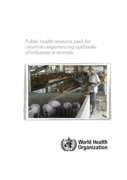
This resource pack was developed for the country offices of the World Health Organization and national Public Health institutions, as an overview of the key information needed for advising their Member States in response to questions raised on human health due to influenza outbreaks or detections in
...
animals. It assembles the available information from WHO, FAO and WOAH, on recommendations and guidelines on influenza that might be relevant to a country experiencing detections or outbreaks of influenza in animals or facing suspicion of human infections with animal-origin influenza viruses. This resource pack updates the information provided in the Summary of Key Information Practical to Countries Experiencing Outbreaks of A(H5N1) and Other Subtypes of Avian Influenza, published in 2016. Additionally, the scope of this current document was broadened to address the risks to public health from all animal influenza viruses, not only avian influenza. Links to existing resources were updated and new resources were added where available.
more
The burden of diabetes is enormous, positioning it as one of the main challenges facing public health today. Currently, it is estimated that 62 million people are living with diabetes in the Region of the Americas and projections show its prevalence will continue rising over the following years. The
...
Region shows the highest number of years of healthy life lost (through either disability or premature death) due to diabetes worldwide. The high costs associated with its treatment produce a heavy economic burden. Its complications can seriously affect the quality of life of people living with diabetes, their families, and society and overload health systems. This report shows the latest internationally comparable data on diabetes and its main risk factors by year, country, and sex.
more
La carga de la diabetes es enorme, posicionándola como uno de los principales desafíos que enfrenta la salud pública en la actualidad. Actualmente, se estima que 62 millones de personas viven con diabetes en la Región de las Américas y las proyecciones muestran que su prevalencia seguirá aumen
...
tando en los próximos años. La Región muestra el mayor número de años de vida saludable perdidos (ya sea por discapacidad o muerte prematura) debido a la diabetes en todo el mundo. Los altos costes asociados a su tratamiento producen una pesada carga económica. Sus complicaciones pueden afectar seriamente la calidad de vida de las personas que viven con diabetes, sus familias y la sociedad y sobrecargar los sistemas de salud. Este informe muestra los últimos datos comparables internacionalmente sobre la diabetes y sus principales factores de riesgo por año, país y sexo. También incluye un resumen de la respuesta de los sistemas de salud de los países a la diabetes, incluidos planes nacionales, objetivos, vigilancia, directrices y acceso a medicamentos y tecnologías esenciales, y sintetiza información sobre las complicaciones relacionadas con la diabetes y la estrecha relación entre la diabetes y otras patologías, como enfermedades cardiovasculares, tuberculosis y COVID-19.
more

Cholera is a major health risk in many parts of the world, affecting millions of people every year. Since mid-2021, the world has been facing an acute upsurge of the 7th cholera pandemic, which is characterized by the number, size and concurrence of multiple outbreaks, the spread to areas that had b
...
een free of cholera for decades and alarmingly high mortality rates. The mortality associated with these outbreaks is of particular concern as many countries have reported higher case fatality ratios (CFR) than in previous years
more

Financing Global Health 2013: Transition in an Age of Austerity, IHME’s fifth annual report on global health expenditure, depicts financing trends that underline the resilience of development assistance for health. This year’s updated estimates show that despite lackluster economic growth and fi
...
scal cutbacks in many developed countries, total assistance remained steady, reaching an all-time high of $31.3 billion in 2013. While annual increases have leveled off since 2010, continued international funding is a sign of the international development community’s enduring support for global health.
The report also shows shifts in sources of financing. As funding from many bilateral donors and development banks has declined, growth in funding from the GAVI Alliance, the Global Fund to Fight AIDS, Tuberculosis and Malaria, non-governmental organizations, and the UK government is counteracting these cuts. Development assistance for different health issues is tracked up to 2011, revealing that the greatest increase in funding was for maternal, newborn, and child health.
more

The environment in which young people live, learn and play significantly affects their decisions about whether to consume alcohol. Environmental factors are the main risk factors driving alcohol consumption and related harm among young people. Environments that normalize alcohol consumption – term
...
ed alcogenic environments – include contexts with unregulated advertising and marketing of alcoholic beverages, higher alcohol outlet density, products designed to facilitate affordability and low prices of alcoholic beverages. A recent body of research evidence has emerged related to the measurement, functional significance and consequences of living in alcogenic environments. This includes findings on the complex and bidirectional interactions among alcohol acceptability, availability and affordability and how they create and perpetuate alcogenic environments. Comprehensive and enforced alcohol control policies are effective at delaying the age of onset and lowering alcohol prevalence and frequency among young people. Evidence consistently confirms the effectiveness of designing and implementing alcohol control policies that regulate upstream the drivers of alcogenic environment, including alcohol availability, acceptability and affordability. These policies need to be multipronged and address the complex interactions between these drivers and the local alcohol culture
more

There is growing understanding and high-level endorsement of the importance of strong collaborative multisectoral approaches to address a broad range of social, economic and governance issues for the prevention and control of noncommunicable disease (NCDs) and mental health conditions. In 2019, Worl
...
d Health Organization (WHO) Member States requested the WHO Director-General to provide an analysis across countries of successful approaches for the prevention and control of NCDs that used multisectoral action.This report describes the experiences of different countries, areas and territories in implementing multisectoral actions to tackle NCDs and is the first step to address their request for an analysis of such efforts
more

The world is off track to make significant progress towards universal health coverage (UHC) (SDG target 3.8) by 2030 as improvements to health services coverage have stagnated since 2015, and the proportion of the population that faced catastrophic levels of out-of-pocket (OOP) health spending has i
...
ncreased.
more

While there has been real progress in addressing the burden of disease in the WHO African region, the COVID-19 pandemic has highlighted the link between health, economics and security, as the region saw decades of progress threatened, including positive trends in decreasing inequality. In the Africa
...
n Region the momentum towards achieving the 2030 SDG disease burden reduction targets (SDG targets 3.3, 3.4 and 3B) has stalled.
The COVID-19 pandemic was also a major threat to gains made, such as the eradication of polio in the region, declared in 2020; reduced numbers of new HIV infections in 2021 compared to 2010; and passing the 2020 milestone of the End TB Strategy, with a 22% reduction in new cases compared with 2015. However, the pandemic also disrupted essential health services in 92% of countries globally, 22.7 million children missed basic immunization, there was an increase in malaria and TB, and global deaths from TB rose for the first time since 2015.
more

This report compiles data for the first time on the far-reaching consequences of uncontrolled hypertension, including heart attacks, strokes and premature death, along with substantial economic losses for communities and countries. It also contains information on the global, regional and country-lev
...
el burden of hypertension and progress of control efforts.
more
This action plan is intended for senior-level decision-makers in ministries of health, malaria
programme managers, entomologists, and epidemiologists working on malaria and other vectorborne diseases programmes. It is also intended for decision-makers and technical and advocacy
staff at other orga
...
nizations and stakeholders involved in public health, malaria control and
elimination, and urban and rural development.
more

This brief update on tuberculosis (TB) in the African region covers the state of TB in the WHO African region, strategic priorities and targets and the impact of COVID-19 on essential services. This is followed by key figures for the region, the role of WHO in country support and, recognizing the im
...
portance of diagnosis and drug susceptibility testing, a focus onstrengthening laboratory networks and the regional laboratory and diagnostic objectives. A brief update of the state of the science and how this is funded across the African region is provided, before closing with challenges and opportunities,strategic directions and a brief discussion of funding concerns. Discussions around the drivers of the disease, and issues of the poverty, inequality and stigma that continue to plague those living with TB are fully recognized, but are outside the scope of this report.
more

This document seeks to help health communication professionals working on the topic of immunization more effectively communicate about Events Supposedly Attributed to Vaccination and Immunization (ESAVI) by building trust in National Immunization Programs, understanding risk perceptions related to v
...
accination, and responding to false information related to vaccination. It includes practical dos and don’ts regarding risk communication and community engagement processes and principles, messaging, risk perceptions, handling false information, collaborating with partners, and pharmacovigilance, as well as real-world examples.
more

Trustworthy, evidence-based health guidelines form the basis of national policies affecting both patients and health-care workers. Emphasizing the link between robust evidence and people’s trust in their health systems, Dr Hans Henri P. Kluge, WHO Regional Director for Europe said at the launch ev
...
ent, “Trust and transformation are key words for us, especially when we talk about improving and strengthening our health systems. Transformation should first and foremost serve the interests of patients and health-care workers”.
While it is not always easy to demonstrate the immediate effect of guidelines on people’s health, there is no viable alternative to utilizing guidelines based on the best available evidence.
Yet, developing robust guidelines remains a challenge for most countries. “Guidelines need to be both simple to use and timely, they need to address people’s real needs, especially at the local level, and should ultimately reflect the resources available,” said Dr Natasha Azzopardi-Muscat, Director, Country Health Policies and Systems, WHO/Europe. “This means that any successful guideline needs to be adjusted and adapted to local contexts and realities.”
more

WHO today released its first roadmap to tackle postpartum haemorrhage (PPH) – defined as excessive bleeding after childbirth - which affects millions of women annually and is the world’s leading cause of maternal deaths.
Despite being preventable and treatable, PPH results in around 70 000 de
...
aths every year. For those who survive, it can cause disabilities and psychological trauma that last for years.
“Severe bleeding in childbirth is one of the most common causes of maternal mortality, yet it is highly preventable and treatable,” said Dr Tedros Adhanom Ghebreyesus, WHO Director-General. “This new roadmap charts a path forward to a world in which more women have a safe birth and a healthy future with their families.”
The Roadmap aims to help countries address stark differences in survival outcomes from PPH, which reflect major inequities in access to essential health services. Over 85% of deaths from PPH happen in sub-Saharan Africa and South Asia. Risk factors include anaemia, placental abnormalities, and other complications in pregnancy such as infections and pre-eclampsia.
Many risk factors can be managed if there is quality antenatal care, including access to ultrasound, alongside effective monitoring in the hours after birth. If bleeding starts, it also needs to be detected and treated extremely quickly. Too often, however, health facilities lack necessary healthcare workers or resources, including lifesaving commodities such as oxytocin, tranexamic acid or blood for transfusions.
“Addressing postpartum haemorrhage needs a multipronged approach focusing on both prevention and response - preventing risk factors and providing immediate access to treatments when needed - alongside broader efforts to strengthen women’s rights,” said Dr Pascale Allotey, WHO Director for Sexual and Reproductive Health and HRP, the UN’s special programme on research development and training in human reproduction. “Every woman, no matter where she lives, should have access to timely, high quality maternity care, with trained health workers, essential equipment and shelves stocked with appropriate and effective commodities – this is crucial for treating postpartum bleeding and reducing maternal deaths.”
more

The World Health Organization (WHO) is releasing the second edition of its Global Accelerated Action for the Health of Adolescents (AA-HA!) guidance. The document aims to equip governments to respond to the health and well-being challenges, opportunities and needs of adolescents.
The guidance pro
...
vides the latest available data on adolescent health and well-being. It also outlines an updated list of core indicators that data should be collected on. Globally, road injury was the top cause of death for adolescent males in 2019. Among female adolescents, the leading causes of death were diarrhoeal diseases among the younger group (10-14 years) and tuberculosis (TB) in the older group (15-19 years).
Over the last 20 years, mortality rates have declined among adolescents globally, with the largest decline in older (15–19 years) adolescent girls. For non-fatal diseases, the burden has not improved over the past two decades, with the main causes of ill health in this category being: mental health conditions (depressive and anxiety disorders, childhood behavioural disorders), iron deficiency anaemia, skin diseases and migraine.
Adolescent well-being depends on a range of factors, including healthy food, education, life skills and employability, connectedness, feeling valued by society, safe and supportive environments, resilience, and the freedom to make choices. To take an appropriately holistic approach, the guidance outlines how to take crosscutting action to support adolescent health and well-being, with mutually reinforcing interventions across sectors, such as health, education, social protection, and telecommunications. Targeted efforts are also required to engage adolescents, as they trust health systems less than adults do and are especially vulnerable to modern-day trends, like online bullying and gaming.
more

Significant progress has been made in the eradication of three priority diseases in the African Region, as a result of extensive collaboration between the Regional Office, WHO country offices and countries. For example, in August 2020, the region was certified free of wild poliovirus. In the area of
...
neglected tropical diseases, Guinea worm disease is on the verge of eradication, and 12 member states are within reach of being certified as having eradicated yaws by the end of this year.
more

What countries need: Investments needed for 2010 targets
