
Filter
4465
Text search:
Impact
on
human
resources
for
health
and
policy
response
Featured
423
1196
Language
4378
102
78
60
53
30
28
7
5
5
5
3
3
3
3
2
2
2
2
2
2
2
2
2
2
2
1
1
1
1
1
1
1
1
1
1
1
1
1
1
1
1
1
1
1
1
1
1
1
1
1
1
1
Document type
2206
925
595
299
268
75
50
32
7
2
1
1
Countries
272
137
115
96
92
90
87
84
83
80
77
72
69
68
67
63
60
59
58
52
43
42
37
35
34
34
30
29
29
29
27
26
25
25
25
22
22
19
19
19
18
17
17
16
16
15
15
13
12
12
12
11
11
10
10
9
9
9
9
9
9
8
8
8
8
7
7
7
7
6
6
6
6
5
5
5
5
5
4
4
4
4
4
4
4
4
3
3
3
3
3
3
3
3
2
2
2
2
2
2
2
2
2
2
2
2
2
2
2
2
2
2
2
1
1
1
1
1
1
1
1
1
1
1
1
1
1
1
1
1
1
1
1
1
1
1
1
1
1
1
1
1
1
1
Authors & Publishers
675
165
133
132
128
77
75
64
53
37
33
24
24
22
22
21
20
20
19
19
18
18
18
18
17
17
16
16
16
15
15
15
14
14
13
13
13
13
12
12
12
11
11
11
10
10
10
10
10
10
10
10
9
9
9
9
9
9
9
9
9
9
8
8
8
8
8
8
8
7
7
7
7
7
7
7
7
7
7
7
7
7
7
6
6
6
6
6
6
6
6
6
6
6
6
6
6
6
6
6
6
6
6
6
6
6
6
6
5
5
5
5
5
5
5
5
5
5
5
5
5
5
5
5
5
5
5
5
5
5
5
5
5
5
5
5
5
5
5
4
4
4
4
4
4
4
4
4
4
4
4
4
4
4
4
4
4
4
4
4
4
4
4
4
4
4
4
4
4
4
4
4
4
4
4
4
4
4
4
4
4
3
3
3
3
3
3
3
3
3
3
3
3
3
3
3
3
3
3
3
3
3
3
3
3
3
3
3
3
3
3
3
3
3
3
3
3
3
3
3
3
3
3
3
3
3
3
3
3
3
3
3
3
3
3
3
3
3
3
3
3
3
3
3
3
3
3
3
3
3
3
3
3
3
3
3
3
3
3
3
3
2
2
2
2
2
2
2
2
2
2
2
2
2
2
2
2
2
2
2
2
2
2
2
2
2
2
2
2
2
2
2
2
2
2
2
2
2
2
2
2
2
2
2
2
2
2
2
2
2
2
2
2
2
2
2
2
2
2
2
2
2
2
2
2
2
2
2
2
2
2
2
2
2
2
2
2
2
2
2
2
2
2
2
2
2
2
2
2
2
2
2
2
2
2
2
2
2
2
2
2
2
2
2
2
2
2
2
2
2
2
2
2
2
2
2
2
2
2
2
2
2
2
2
2
2
2
2
2
2
2
2
2
2
2
2
2
2
2
2
2
2
2
2
2
2
2
2
2
2
2
2
2
2
2
2
2
2
2
2
2
2
2
2
2
2
2
2
2
2
2
2
2
2
2
2
2
2
2
2
2
2
2
2
2
2
2
2
2
2
2
2
2
2
2
2
2
2
2
2
2
2
2
2
2
2
2
2
2
2
2
2
2
2
2
2
2
2
2
2
2
2
2
2
2
2
2
2
2
2
2
2
2
1
1
1
1
1
1
1
1
1
1
1
1
1
1
1
1
1
1
1
1
1
1
1
1
1
1
1
1
1
1
1
1
1
1
1
1
1
1
1
1
1
1
1
1
1
1
1
1
1
1
1
1
1
1
1
1
1
1
1
1
1
1
1
1
1
1
1
1
1
1
1
1
1
1
1
1
1
1
1
1
1
1
1
1
1
1
1
1
1
1
1
1
1
1
1
1
1
1
1
1
1
1
1
1
1
1
1
1
1
1
1
1
1
1
1
1
1
1
1
1
1
1
1
1
1
1
1
1
1
1
1
1
1
1
1
1
1
1
1
1
1
1
1
1
1
1
1
1
1
1
1
1
1
1
1
1
1
1
1
1
1
1
1
1
1
1
1
1
1
1
1
1
1
1
1
1
1
1
1
1
1
1
1
1
1
1
1
1
1
1
1
1
1
1
1
1
1
1
1
1
1
1
1
1
1
1
1
1
1
1
1
1
1
1
1
1
1
1
1
1
1
1
1
1
1
1
1
1
1
1
1
1
1
1
1
1
1
1
1
1
1
1
1
1
1
1
1
1
1
1
1
1
1
1
1
1
1
1
1
1
1
1
1
1
1
1
1
1
1
1
1
1
1
1
1
1
1
1
1
1
1
1
1
1
1
1
1
1
1
1
1
1
1
1
1
1
1
1
1
1
1
1
1
1
1
1
1
1
1
1
1
1
1
1
1
1
1
1
1
1
1
1
1
1
1
1
1
1
1
1
1
1
1
1
1
1
1
1
1
1
1
1
1
1
1
1
1
1
1
1
1
1
1
1
1
1
1
1
1
1
1
1
1
1
1
1
1
1
1
1
1
1
1
1
1
1
1
1
1
1
1
1
1
1
1
1
1
1
1
1
1
1
1
1
1
1
1
1
1
1
1
1
1
1
1
1
1
1
1
1
1
1
1
1
1
1
1
1
1
1
1
1
1
1
1
1
1
1
1
1
1
1
1
1
1
1
1
1
1
1
1
1
1
1
1
1
1
1
1
1
1
1
1
1
1
1
1
1
1
1
1
1
1
1
1
1
1
1
1
1
1
1
1
1
1
1
1
1
1
1
1
1
1
1
1
1
1
1
1
1
1
1
1
1
1
1
1
1
1
1
1
1
1
1
1
1
1
1
1
1
1
1
1
1
1
1
1
1
1
1
1
1
1
1
1
1
1
1
1
1
1
1
1
1
1
1
1
1
1
1
1
1
1
1
1
1
1
1
1
1
1
1
1
1
1
1
1
1
1
1
1
1
1
1
1
1
1
1
1
1
1
1
1
1
1
1
1
1
1
1
1
1
1
1
1
1
1
1
1
1
1
1
1
1
1
1
1
1
1
1
1
1
1
1
1
1
1
1
1
1
1
1
1
1
1
1
1
1
1
1
1
1
1
1
1
1
1
1
1
1
1
1
1
1
1
1
1
1
1
1
1
1
1
1
1
1
1
1
1
1
1
1
1
1
1
1
1
1
1
1
1
1
1
1
1
1
1
1
1
1
1
1
1
1
1
1
1
1
1
1
1
1
1
1
1
1
1
1
1
1
1
1
1
1
1
1
1
1
1
1
1
1
1
1
1
1
1
1
1
1
1
1
1
1
1
1
1
1
1
1
1
1
1
1
1
1
1
1
1
1
1
1
1
1
1
1
1
1
1
1
1
1
1
1
1
1
1
1
1
1
1
1
1
1
1
1
1
1
1
1
1
1
1
1
1
1
1
1
1
1
1
1
1
1
1
1
1
1
1
1
1
1
1
1
1
1
1
1
1
1
1
1
1
1
1
1
1
1
1
1
1
1
1
1
1
1
1
1
1
1
1
1
1
1
1
1
1
1
1
1
1
1
1
1
1
1
1
1
1
1
1
1
1
1
1
1
1
1
1
1
1
1
1
1
1
1
1
1
1
1
1
1
1
1
1
1
1
1
1
1
1
1
1
1
1
1
1
1
1
1
1
1
1
1
1
1
1
1
1
1
1
1
1
1
1
1
1
1
1
1
1
1
1
1
1
1
1
1
1
1
1
1
1
1
1
1
1
1
1
1
1
1
1
1
1
1
1
1
1
1
1
1
1
1
1
1
1
1
1
1
1
1
1
1
1
1
1
1
1
1
1
1
1
1
1
1
1
1
1
1
1
1
1
1
1
1
1
1
1
1
1
1
1
1
1
1
1
1
1
1
1
1
1
1
1
1
1
1
1
1
1
1
1
1
1
1
1
1
1
1
1
1
1
1
1
1
1
1
1
1
1
1
1
1
1
1
1
1
1
1
1
1
1
1
1
1
1
1
1
1
1
1
1
1
1
1
1
1
1
1
1
1
1
1
1
1
1
1
1
1
1
1
1
1
1
1
1
1
1
1
1
1
1
1
1
1
1
1
1
1
1
1
1
1
1
1
1
1
1
1
1
1
1
1
1
1
1
1
1
1
1
1
1
1
1
1
1
1
1
1
1
1
1
1
1
1
1
1
1
1
1
1
1
1
1
1
1
1
1
1
1
1
1
1
1
1
1
1
1
1
1
1
1
1
1
1
1
1
1
1
1
1
1
1
1
1
1
1
1
1
1
1
1
1
1
1
1
1
1
1
1
1
1
1
1
1
1
1
1
1
1
1
1
1
1
1
1
1
1
1
1
1
1
1
1
1
1
1
1
1
1
1
1
1
1
1
1
1
1
1
1
1
1
1
1
1
1
1
1
1
1
1
1
1
1
1
1
1
1
1
1
1
1
1
1
1
1
1
1
1
1
1
1
1
1
1
1
1
1
1
1
1
1
1
1
1
1
1
1
1
1
1
1
1
1
1
1
1
1
1
1
1
1
1
1
1
1
1
1
1
1
1
1
1
1
1
1
1
1
1
1
1
1
1
1
1
1
1
1
1
1
1
1
1
1
1
1
1
1
1
1
1
1
1
1
1
1
1
1
1
1
1
1
1
1
1
1
1
1
1
1
1
1
1
1
1
1
1
1
1
1
1
1
1
1
1
1
1
1
1
1
1
1
1
1
1
1
1
1
1
1
1
1
1
1
1
1
1
1
1
1
1
1
1
1
1
1
1
1
1
1
1
1
1
1
1
1
1
1
1
1
1
1
1
1
1
1
1
1
1
1
1
1
1
1
1
1
1
1
1
1
1
1
1
1
1
1
1
1
1
1
1
1
1
1
1
1
1
1
1
1
1
1
1
1
1
1
1
1
1
1
1
1
1
1
1
1
1
1
1
1
1
1
1
1
1
1
1
1
1
1
1
1
1
1
1
1
1
1
1
1
1
1
1
1
1
1
1
1
1
1
1
1
1
1
1
1
1
1
1
1
1
1
1
1
1
1
1
1
1
1
1
1
1
1
1
1
1
1
1
1
1
1
1
1
1
1
1
1
1
1
1
1
1
1
1
1
1
1
1
1
1
1
1
1
1
1
1
1
1
1
1
1
1
1
1
1
1
1
1
1
1
1
1
1
1
1
1
1
1
1
1
1
1
1
1
1
1
1
1
1
1
1
1
1
1
1
1
1
1
1
1
1
1
1
1
1
1
1
1
1
1
1
1
1
1
1
1
1
1
1
1
1
1
1
1
1
1
1
1
1
1
1
1
1
1
1
1
1
1
1
1
1
1
1
1
1
1
1
1
1
1
1
1
1
1
1
1
1
1
1
1
1
1
1
1
1
1
1
1
1
1
1
1
1
1
1
1
1
1
1
1
1
1
1
1
1
1
1
1
1
1
1
1
1
1
1
1
1
1
1
1
1
1
1
1
1
1
1
1
1
1
1
1
1
1
1
1
1
1
1
1
1
1
1
1
1
1
1
1
1
1
1
1
1
1
1
1
1
1
1
1
1
1
1
1
1
1
1
1
1
1
1
1
1
1
1
1
1
1
1
1
1
1
1
1
1
1
1
1
1
1
1
1
1
1
1
1
1
1
1
1
1
1
1
1
1
1
1
1
1
1
1
1
1
1
1
1
1
1
1
1
1
1
1
1
1
1
1
1
1
1
1
1
1
1
1
1
1
1
1
1
1
1
1
1
1
1
1
1
1
1
1
1
1
1
1
1
1
1
1
1
1
1
1
1
1
1
1
1
1
1
1
1
1
1
1
1
1
1
1
1
1
1
1
1
1
1
1
1
1
1
1
1
1
1
1
1
1
1
1
1
1
1
1
1
1
1
1
1
1
1
1
1
1
1
1
1
1
1
1
1
1
1
1
1
1
1
1
1
1
1
1
1
1
1
1
1
1
1
1
1
1
1
1
1
1
1
1
1
1
1
1
1
1
1
1
1
1
1
1
1
1
1
1
1
1
1
1
1
1
1
1
1
1
1
1
1
1
1
1
1
1
1
1
1
1
1
1
1
1
1
1
1
1
1
1
1
1
1
1
1
1
1
1
1
1
1
1
1
1
1
1
1
1
1
1
1
1
1
1
1
1
1
1
1
1
1
1
1
1
1
1
1
1
1
1
1
1
1
1
1
1
1
1
1
1
1
1
1
1
1
1
1
1
1
1
1
1
1
1
1
1
1
1
1
1
1
1
1
1
1
1
1
1
1
1
1
1
1
1
1
1
1
1
1
1
1
1
1
1
1
1
1
1
1
1
1
1
1
1
1
1
1
1
1
1
1
1
1
1
1
1
1
1
1
1
1
1
1
1
1
1
1
1
1
1
1
1
1
1
1
1
1
1
1
1
1
1
1
1
1
1
1
1
1
1
1
1
1
1
1
1
1
1
1
1
1
1
1
1
1
1
1
1
1
1
1
1
1
1
1
1
1
1
1
1
1
1
1
1
1
1
1
1
1
1
1
1
1
1
1
1
1
1
1
1
1
1
1
1
1
1
1
1
1
1
1
1
1
1
1
1
1
1
1
1
1
1
1
1
1
1
1
1
1
1
1
1
1
1
1
1
1
1
1
1
1
1
1
1
1
1
1
1
1
1
1
1
1
1
1
1
1
1
1
1
1
1
1
1
1
1
1
1
1
1
1
1
1
1
1
1
1
1
1
1
1
1
1
1
1
1
1
1
1
1
1
1
1
1
1
1
1
1
1
1
1
1
1
1
1
1
1
1
1
1
1
1
1
1
1
1
1
1
1
1
1
1
1
1
1
1
1
1
1
1
1
1
1
1
1
1
1
1
1
1
1
1
1
1
1
1
1
1
1
1
1
1
1
1
1
1
1
1
1
1
1
1
1
1
1
1
1
1
1
1
1
1
1
1
1
1
1
1
1
1
1
1
1
1
1
1
1
1
1
1
1
1
1
1
1
1
1
1
1
1
1
1
1
1
1
1
1
1
1
1
1
1
1
1
1
1
1
1
1
1
1
1
1
1
1
1
1
1
1
1
1
1
1
1
1
1
1
1
1
1
1
1
1
1
1
1
1
1
1
1
1
1
1
1
1
1
1
1
1
1
1
1
1
1
1
1
1
1
1
1
1
1
1
1
1
1
1
1
1
1
1
1
1
1
1
1
1
1
1
1
1
1
1
1
1
1
1
1
1
1
1
1
1
1
1
1
1
1
1
1
1
1
1
1
1
1
1
1
1
1
1
1
1
1
1
1
1
1
1
1
1
1
1
1
1
1
1
1
1
1
1
1
1
1
1
1
1
1
1
1
1
1
1
1
1
1
1
1
1
1
1
1
1
1
1
1
1
1
1
1
1
1
1
1
1
1
1
1
1
1
1
1
1
1
1
1
1
1
1
1
1
1
1
1
1
1
1
1
1
1
1
1
1
1
1
1
1
1
1
1
1
1
1
1
1
1
1
1
1
1
1
1
1
1
1
1
1
1
1
1
1
1
1
1
1
1
1
1
1
1
1
1
1
1
1
1
1
1
1
1
1
1
1
1
1
1
1
1
1
1
1
1
1
1
1
1
1
1
1
1
1
1
1
1
1
1
1
1
1
1
1
1
1
1
1
1
1
1
1
1
1
1
1
1
1
1
1
1
1
1
1
1
1
1
1
1
1
1
1
1
1
1
1
1
1
1
1
1
1
1
1
1
1
1
1
1
1
1
1
1
1
1
1
1
1
1
1
1
1
1
1
1
1
1
1
1
1
1
1
1
1
1
1
1
1
1
1
1
1
1
1
1
1
1
1
1
1
1
1
1
1
1
1
1
1
1
1
1
1
1
1
1
1
1
1
1
1
1
1
1
1
1
1
1
1
1
1
1
1
1
1
1
1
1
1
1
1
1
1
1
1
1
1
1
1
1
1
1
1
1
1
1
1
1
1
1
1
1
1
1
1
1
1
1
1
1
1
1
1
1
1
1
1
1
1
1
1
1
1
1
1
1
1
1
1
1
1
1
1
1
1
1
1
1
1
1
1
1
1
1
1
1
1
1
1
1
1
1
1
1
1
1
1
1
1
1
1
1
1
1
1
1
1
1
1
1
1
1
1
1
1
1
1
1
1
1
1
1
1
1
1
1
1
1
1
1
1
1
1
1
1
1
1
1
1
1
1
1
1
1
1
1
1
1
1
1
1
1
1
1
1
1
1
1
1
1
1
1
1
1
1
1
1
1
1
1
1
1
1
1
1
1
1
1
1
1
1
1
1
1
1
1
1
1
1
1
1
1
1
Publication Years
1
1522
2557
369
14
2
Category
1557
420
276
261
246
68
26
2
Toolboxes
368
341
267
217
197
173
173
142
132
118
109
104
100
91
85
80
69
62
58
58
33
26
21
17
17
2
1
This report is dedicated to the struggle of LGBTQ+ people, activists, and
their allies in the push for decriminalization, equity, advancement of
human
...
rights, and against regressive criminalization, persecution, violence, and
harassment.
more
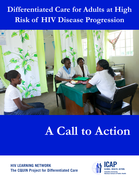
The evidence base for differentiated care for stable patients has grown in recent years. There has been less attention, however, to developing differentiated models of care
...
for patients with advanced or unstable HIV disease. Current clinical guidelines and policies regarding optimal packages of care for high-risk patients give few or no recommendations about how, by whom, or where they should be delivered for optimal impact.
more
more
Getting to know cerebral palsy
recommended
Working with parent groups – a training resource for facilitators, parents, caregivers, and persons with cerebral palsy.
TThis manual aims to increase knowledge
...
and skills in caring for a child with cerebral palsy. Research highlighted the significant needs of the caregivers, and how they can gain a huge amount of support from meeting with each other in an understanding environment.
It promotes a participatory learning approach with an emphasis on working with groups and the empowerment of parents and caregivers.
Download the manual and teaching materials for free, in English, French, Arabic or Spanish. A Chichewa (Malawi) version is also ready for sharing and the manual is being translated in a variety of other languages through the online community Working in the Community with Children with Cerebral Palsy
more

Research Paper.
As the fighting in Syria winds down, international humanitarian organisations (IHOs) operating from Damascus are hopeful that the Syrian government’s interference in their work will decrease. However, the government is attempting to formalise its influence over humanitarian operat
...
ions.
Throughout the Syrian conflict, the government has imposed multiple administrative processes on humanitarian organisations to limit their ability to operate independently. This includes restricting the operational environment; undermining organisational independence; imposing local partners; influencing procurement procedures; and preventing direct monitoring and evaluation.
While some level of coordination with the government might be a pragmatic necessity to ensure the safety of operations in regime-controlled areas, this cooperation should not enable the government to use aid for military or political purposes. Consequently, international humanitarian organisations have an ethical dilemma in how they provide aid in these areas without undermining their principles of humanity, independence, impartiality and neutrality.
more
Between 1992 and 2012, disasters caused more than 1.3 million deaths, affected more than 4.4 billion people and led to US$ 2 trillion in economic damages
...
and losses around the world. This Disaster Risk Management Strategy explains how the Agency for Technical Cooperation and Development (ACTED) anticipates disasters and advocates for more upstream consideration of their occurrence. There are sections on community based disaster risk management and ecosystem based disaster resilience, as well as a look to the future
more
Students' Toolkit: Social accountability in medical schools
The International Federation of Medical Students’ Associations (IFMSA); Training for Health Equity Network (THEnet)
(2017)
C2
This toolkit aims to provide you with a brief introduction of what SA and its core principles are, and how you as a student can apply several of the existing tools
...
for your own school to really make a difference.
French, Spanish and Arabic Version available: https://ifmsa.org/social-accountability/
more

The Planetary Health Education Framework is a project of the Planetary Health Alliance (planetaryhealthalliance.org). The Planetary Health Alliance
...
is a consortium of over 250 partners from around the world committed to understanding and addressing the human health impacts of global environmental change
more

Public health emergencies, including pandemics, highlight the need for health systems and servic
...
es that are prepared, resilient and ready to respond to health security threats. Endorsed by Member States in 2023, the Asia Pacific Health Security Action Framework (APHSAF) is designed to engage multisectoral actors in health security, and to reflect the complex nature of current and future public health emergencies. The Framework presents six interconnected, multisectoral domains of work that together form a comprehensive, multi-hazard health security system — emphasizing the One Health approach. The Framework also supports progress towards the Sustainable Development Goals and universal health coverage while meeting the responsibilities and obligations of the International Health Regulations (2005).
more

In the course of implementing a recently funded network of hubs for building capacities in mental health service development, training, and researc
...
h (RedeAmericas), the peer support workers are being introduced into the mental health workforce in three Latin American countries for the very first time. They will be part of a team, along with community mental health workers, that provides a modified Critical Time Intervention to individuals with severe psychiatric disorders living in the community. This article reviewed the background of this increasingly widespread development, and discussed its merits, as well as potential obstacles within local contexts.
more
At the World Humanitarian Summit in Istanbul in May 2016, leaders made over 3,700 commitments to advance the Agenda for Humanity. In their first self-reports against these commitments, 142 stakeholders described the efforts they made from June to De
...
cember 2016 to realize this ambitious vision.
The 2017 annual synthesis report on progress provides a summary of their collective achievements around the 5 Core Responsibilities and 24 Transformations of the Agenda for Humanity.
Executive summary in
English: https://www.agendaforhumanity.org/sites/default/files/asr/2017/Nov/No%20time%20to%20retreat%20Executive%20Summary_NEW_web_nov27.pdf;
French: https://www.agendaforhumanity.org/sites/default/files/asr/2018/Jan/No%20time%20to%20retreat_Executive%20summary_FRENCH_Final_web.pdf
Spanish: https://www.agendaforhumanity.org/sites/default/files/asr/2018/Jan/No%20time%20to%20retreat_Executive%20summary_Spanish_final_web.pdf more
English: https://www.agendaforhumanity.org/sites/default/files/asr/2017/Nov/No%20time%20to%20retreat%20Executive%20Summary_NEW_web_nov27.pdf;
French: https://www.agendaforhumanity.org/sites/default/files/asr/2018/Jan/No%20time%20to%20retreat_Executive%20summary_FRENCH_Final_web.pdf
Spanish: https://www.agendaforhumanity.org/sites/default/files/asr/2018/Jan/No%20time%20to%20retreat_Executive%20summary_Spanish_final_web.pdf more
The Camp Managment Toolkit
recommended
Applicable to both IDP and refugee scenarios, the Toolkit incorporates a wide range of relevant information on managing displaced populations living in communal settings (collective centres, spontan
...
eous sites, established camps, etc.). Large scale displacements caused by recent conflict and natural disaster events have created a high demand for the Toolkit, which has proven an invaluable resource for field practitioners, government actors and displaced populations since its original release in 2004.
Available in other languages
more
This report addresses the impact of emergency shelter programs in the development of post-relief economies and in building incomes of affected populations. It provides a review
...
and analysis of the available literature relevant to understanding the economic impact of emergency shelter programs, additional research conducted by CHF International on income development of beneficiaries of emergency shelter programs, and the first steps toward rigorous and accurate measurement of the impact of these programs on the incomes of beneficiaries. Each of these analysis provides information useful to future programmers of relief assistance.
more

Guidelines for Good Clinical Laboratory Practices (GCLP) outlines the principles and procedures to be followed by medical laboratories involved in clinical research
...
and/or patient care so as to provide quality data which can be used for health research and patient treatment. As the use of laboratory tests (often expensive) are increasingly becoming a part of medical diagnosis and research, generation of quality data would be a cost-effective and ethically sound strategy.
more

This resulting toolkit is a practical guide intended to assist users to become advocates for palliative care in a practical and effective
way. It is not necessarily a resource to read from cove
...
r to cover; rather, it can also be used selectively to each reader’s needs to engage audiences and ensure that there is a real understanding of the need for palliative care. It should also be read in conjunction with the supplementary resources listed at the end of each of the toolkit’s sections.
more
This document, accessible through the WHO's Regional Office for Africa, helps national authorities develop communication plans for outbreaks to ensure accurate information reaches the public, builds
...
trust, and supports coordination among public health partners
more

The Call to Action on Protection from GBV in Emergencies, formally launched in 2013 by the United Kingdom and Sweden, aims to fundamentally transform the way GBV is addressed in humanitarian operati
...
ons via the collective action of numerous partners, each bringing our various strengths and capacities to the table. Our goal is to drive change and foster accountability within the humanitarian sphere. The commitment to act and to hold ourselves accountable for action is what binds us together under the Call to Action.
more

Transforming Health Systems: Achieving Universal Health Coverage by 2022. The development of the Kenya Health Sector Strategic Plan 2018–2023 is
...
guided by the Constitution of 2010, the Kenya Vision 2030 and the Kenya Health Policy 2014–2030.
more
The WHO Quality Toolkit: Navigating tools to improve the quality of health services helps easy identification and access to a wide range of WHO published materials to improve the quality of
...
health services. These tools support the actions described in the Quality health services: a planning guide, which outlines a structured, systems-based approach to improving quality of health services. Whether you work at the facility, sub-national or national level, or in specific communities, you will find resources within the Quality Toolkit to help you carry out essential tasks to improve quality of care
more
State of Health in the WHO African Region
recommended
This report is not a country scorecard. Rather, its purpose is to act as a compass to guide progress towards health in the SDGs.
There has been a significant improvement in the state of health in
...
the region with healthy life expectancy - time spent in full health - in the region increasing from 50.9 years to 53.8 between 2012 and 2015 - the most marked increase of any region in the world.
What is making Africans sick is changing. The top killers are still lower respiratory infections, HIV and diarrhoeal disease and countries have routinely focused on preventing and treating this trio, often through specialized programmes. The payoff has been significant declines in deaths due to these diseases. There has been a 50% reduction in the burden of disease caused by what have been the top 10 killers since 2000 and death rates have dropped from 87.7 to 51.1 deaths per 100,000 persons between 2000 and 2015...
Chronic diseases like heart disease and cancer are now claiming more lives with a person aged 30 to 70 in the region having a one in five chance of dying from a noncommunicable disease (NCDs).
Countries are specifically failing to provide essential services to two critical age groups – adolescents and the elderly...
more
As of June 2019, the number of Venezuelans leaving their country reached 4 million, with Colombia, Peru, Chile, Ecuador and Brazil hosting the vast majority of Venezuelans in Latin America. The end of the first half of the year was marked by the an
...
nouncement of tighter immigration measures in Peru and Chile, which triggered a significant peak in flows from Venezuela entering Colombia, Ecuador and Peru. In response to this, UNICEF Country Offices activated contingency measures and capacities for registration and provision of services were rapidly increased, in coordination with relevant authorities, to face the increased demand.
more
