
Filter
3049
Text search:
compliance
Featured
310
887
Language
2917
88
45
43
36
26
19
13
7
5
4
4
4
4
4
4
3
3
3
3
3
3
3
3
2
2
2
2
2
2
2
2
1
1
1
1
1
1
1
1
1
1
1
1
1
1
1
1
1
1
1
Document type
1586
491
475
227
137
48
39
24
8
8
4
Countries
170
120
105
88
78
75
71
67
64
63
54
53
52
47
41
40
38
37
35
34
29
27
25
25
24
24
23
21
20
18
18
17
17
17
17
16
16
15
15
15
13
12
11
11
11
10
9
8
8
8
8
7
7
7
7
7
7
6
6
6
6
6
5
5
5
5
4
4
4
4
4
4
4
4
3
3
3
3
3
3
3
3
3
2
2
2
2
2
2
2
2
2
2
2
2
2
2
2
2
2
2
2
2
2
2
2
1
1
1
1
1
1
1
1
1
1
1
1
1
1
1
1
1
1
1
1
1
1
1
1
Authors & Publishers
437
109
106
74
61
41
38
32
30
27
25
20
19
18
18
17
16
16
15
14
14
13
13
12
12
12
12
11
11
11
11
11
10
10
10
10
10
10
10
10
10
9
9
9
9
8
8
8
8
8
8
8
8
8
8
8
8
8
8
7
7
7
7
7
7
7
7
6
6
6
6
6
6
6
6
6
6
5
5
5
5
5
5
5
5
5
5
5
4
4
4
4
4
4
4
4
4
4
4
4
4
4
4
4
4
4
4
4
4
4
4
4
3
3
3
3
3
3
3
3
3
3
3
3
3
3
3
3
3
3
3
3
3
3
3
3
3
3
3
3
3
3
3
3
3
3
3
3
3
3
3
3
3
3
3
3
3
3
3
3
3
3
3
3
3
3
3
3
3
3
3
3
3
3
3
3
3
3
3
3
3
3
2
2
2
2
2
2
2
2
2
2
2
2
2
2
2
2
2
2
2
2
2
2
2
2
2
2
2
2
2
2
2
2
2
2
2
2
2
2
2
2
2
2
2
2
2
2
2
2
2
2
2
2
2
2
2
2
2
2
2
2
2
2
2
2
2
2
2
2
2
2
2
2
2
2
2
2
2
2
2
2
2
2
2
2
2
2
2
2
2
2
2
2
2
2
2
2
2
2
2
2
2
2
2
2
2
2
2
2
2
2
2
2
2
2
2
2
2
2
2
2
2
2
2
2
2
2
2
2
2
2
2
2
2
2
2
2
2
2
2
2
2
2
2
2
2
2
2
2
2
2
2
2
2
2
2
2
2
2
2
2
2
2
2
2
2
2
2
2
2
2
2
2
2
2
2
2
2
2
2
2
2
2
2
2
2
2
2
2
2
2
2
2
2
2
2
1
1
1
1
1
1
1
1
1
1
1
1
1
1
1
1
1
1
1
1
1
1
1
1
1
1
1
1
1
1
1
1
1
1
1
1
1
1
1
1
1
1
1
1
1
1
1
1
1
1
1
1
1
1
1
1
1
1
1
1
1
1
1
1
1
1
1
1
1
1
1
1
1
1
1
1
1
1
1
1
1
1
1
1
1
1
1
1
1
1
1
1
1
1
1
1
1
1
1
1
1
1
1
1
1
1
1
1
1
1
1
1
1
1
1
1
1
1
1
1
1
1
1
1
1
1
1
1
1
1
1
1
1
1
1
1
1
1
1
1
1
1
1
1
1
1
1
1
1
1
1
1
1
1
1
1
1
1
1
1
1
1
1
1
1
1
1
1
1
1
1
1
1
1
1
1
1
1
1
1
1
1
1
1
1
1
1
1
1
1
1
1
1
1
1
1
1
1
1
1
1
1
1
1
1
1
1
1
1
1
1
1
1
1
1
1
1
1
1
1
1
1
1
1
1
1
1
1
1
1
1
1
1
1
1
1
1
1
1
1
1
1
1
1
1
1
1
1
1
1
1
1
1
1
1
1
1
1
1
1
1
1
1
1
1
1
1
1
1
1
1
1
1
1
1
1
1
1
1
1
1
1
1
1
1
1
1
1
1
1
1
1
1
1
1
1
1
1
1
1
1
1
1
1
1
1
1
1
1
1
1
1
1
1
1
1
1
1
1
1
1
1
1
1
1
1
1
1
1
1
1
1
1
1
1
1
1
1
1
1
1
1
1
1
1
1
1
1
1
1
1
1
1
1
1
1
1
1
1
1
1
1
1
1
1
1
1
1
1
1
1
1
1
1
1
1
1
1
1
1
1
1
1
1
1
1
1
1
1
1
1
1
1
1
1
1
1
1
1
1
1
1
1
1
1
1
1
1
1
1
1
1
1
1
1
1
1
1
1
1
1
1
1
1
1
1
1
1
1
1
1
1
1
1
1
1
1
1
1
1
1
1
1
1
1
1
1
1
1
1
1
1
1
1
1
1
1
1
1
1
1
1
1
1
1
1
1
1
1
1
1
1
1
1
1
1
1
1
1
1
1
1
1
1
1
1
1
1
1
1
1
1
1
1
1
1
1
1
1
1
1
1
1
1
1
1
1
1
1
1
1
1
1
1
1
1
1
1
1
1
1
1
1
1
1
1
1
1
1
1
1
1
1
1
1
1
1
1
1
1
1
1
1
1
1
1
1
1
1
1
1
1
1
1
1
1
1
1
1
1
1
1
1
1
1
1
1
1
1
1
1
1
1
1
1
1
1
1
1
1
1
1
1
1
1
1
1
1
1
1
1
1
1
1
1
1
1
1
1
1
1
1
1
1
1
1
1
1
1
1
1
1
1
1
1
1
1
1
1
1
1
1
1
1
1
1
1
1
1
1
1
1
1
1
1
1
1
1
1
1
1
1
1
1
1
1
1
1
1
1
1
1
1
1
1
1
1
1
1
1
1
1
1
1
1
1
1
1
1
1
1
1
1
1
1
1
1
1
1
1
1
1
1
1
1
1
1
1
1
1
1
1
1
1
1
1
1
1
1
1
1
1
1
1
1
1
1
1
1
1
1
1
1
1
1
1
1
1
1
1
1
1
1
1
1
1
1
1
1
1
1
1
1
1
1
1
1
1
1
1
1
1
1
1
1
1
1
1
1
1
1
1
1
1
1
1
1
1
1
1
1
1
1
1
1
1
1
1
1
1
1
1
1
1
1
1
1
1
1
1
1
1
1
1
1
1
1
1
1
1
1
1
1
1
1
1
1
1
1
1
1
1
1
1
1
1
1
1
1
1
1
1
1
1
1
1
1
1
1
1
1
1
1
1
1
1
1
1
1
1
1
1
1
1
1
1
1
1
1
1
1
1
1
1
1
1
1
1
1
1
1
1
1
1
1
1
1
1
1
1
1
1
1
1
1
1
1
1
1
1
1
1
1
1
1
1
1
1
1
1
1
1
1
1
1
1
1
1
1
1
1
1
1
1
1
1
1
1
1
1
1
1
1
1
1
1
1
1
1
1
1
1
1
1
1
1
1
1
1
1
1
1
1
1
1
1
1
1
1
1
1
1
1
1
1
1
1
1
1
1
1
1
1
1
1
1
1
1
1
1
1
1
1
1
1
1
1
1
1
1
1
1
1
1
1
1
1
1
1
1
1
1
1
1
1
1
1
1
1
1
1
1
1
1
1
1
1
1
1
1
1
1
1
1
1
1
1
1
1
1
1
1
1
1
1
1
1
1
1
1
1
1
1
1
1
1
1
1
1
1
1
1
1
1
1
1
1
1
1
1
1
1
1
1
1
1
1
1
1
1
1
1
1
1
1
1
1
1
1
1
1
1
1
1
1
1
1
1
1
1
1
1
1
1
1
1
1
1
1
1
1
1
1
1
1
1
1
1
1
1
1
1
1
1
1
1
1
1
1
1
1
1
1
1
1
1
1
1
1
1
1
1
1
1
1
1
1
1
1
1
1
1
1
1
1
1
1
1
1
1
1
1
1
1
1
1
1
1
1
1
1
1
1
1
1
1
1
1
1
1
1
1
1
1
1
1
1
1
1
1
1
1
1
1
1
1
1
1
1
1
1
1
1
1
1
1
1
1
1
1
1
1
1
1
1
1
1
1
1
1
1
1
1
1
1
1
1
1
1
1
1
1
1
1
1
1
1
1
1
1
1
1
1
1
1
1
1
1
1
1
1
1
1
1
1
1
1
1
1
1
1
1
1
1
1
1
1
1
1
1
1
1
1
1
1
1
1
1
1
1
1
1
1
1
1
1
1
1
1
1
1
1
1
1
1
1
1
1
1
1
1
1
1
1
1
1
1
1
1
1
1
1
1
1
1
1
1
1
1
1
1
1
1
1
1
1
1
1
1
1
1
1
1
1
1
1
1
1
1
1
1
1
1
1
1
1
1
1
1
1
1
1
1
1
1
1
1
1
1
1
1
1
1
1
1
1
1
1
1
1
1
1
1
1
1
1
1
1
1
1
1
1
1
1
1
1
1
1
1
1
1
1
1
1
1
1
1
1
1
1
1
1
1
1
1
1
1
1
1
1
1
1
1
1
1
1
1
1
1
1
1
1
1
1
1
1
1
1
1
1
1
1
1
1
1
1
1
1
1
1
1
1
1
1
1
1
1
1
1
1
1
1
1
1
1
1
1
1
1
1
1
1
1
1
1
1
1
1
1
1
1
1
1
1
1
1
1
1
1
1
1
1
1
1
1
1
1
1
1
1
1
1
1
1
1
1
1
1
1
1
1
1
1
1
1
1
1
1
1
1
1
1
1
1
1
1
1
1
1
1
1
1
1
1
1
1
1
1
1
1
1
1
1
1
1
1
1
1
1
1
1
1
1
1
1
1
1
1
1
1
1
1
1
1
1
1
1
1
1
1
1
1
1
1
1
1
1
1
1
1
1
1
1
1
1
1
1
1
1
1
1
1
1
1
1
1
1
1
1
1
1
1
1
1
1
1
1
1
1
1
1
1
1
1
1
1
1
1
1
1
1
1
1
1
1
1
1
1
1
1
1
1
1
1
1
1
1
1
1
1
1
1
1
1
1
1
1
1
1
1
1
1
1
1
1
1
1
1
1
1
1
1
1
1
1
1
1
1
1
1
1
1
1
1
1
1
1
1
1
1
1
1
1
1
1
1
1
1
1
1
1
1
1
1
1
1
1
1
1
1
1
1
1
1
1
1
1
1
1
1
1
1
1
1
1
1
1
1
1
1
1
1
1
1
1
1
1
1
1
1
1
1
1
1
1
1
1
1
1
1
1
1
1
1
1
1
1
1
1
1
1
1
1
1
1
1
1
1
1
1
1
1
1
1
1
1
1
1
1
1
1
1
1
1
1
1
1
1
1
1
1
1
1
1
1
1
1
1
1
1
1
1
1
1
1
1
1
1
1
1
1
1
1
1
1
1
1
1
1
1
1
1
1
1
1
1
1
1
1
1
1
1
1
1
1
1
1
1
1
1
1
1
1
1
1
1
1
1
1
1
1
1
1
1
1
1
1
1
1
1
1
1
1
1
1
1
1
1
1
1
1
1
1
1
1
1
1
1
1
1
1
1
1
1
1
1
1
1
1
1
1
1
1
1
1
1
1
1
1
1
1
1
1
1
1
1
1
1
1
1
1
1
1
1
1
1
1
1
1
1
1
1
1
1
1
1
1
1
1
1
1
1
1
1
1
1
1
1
1
1
1
1
1
1
1
1
1
1
1
1
1
1
1
1
1
1
1
1
1
1
1
1
1
1
1
1
1
1
1
1
1
1
1
1
1
1
1
1
1
1
1
1
1
1
1
1
1
1
1
1
1
1
1
1
1
1
1
1
1
1
1
1
1
1
1
1
1
1
1
1
1
1
1
1
1
1
1
1
1
1
1
1
1
1
1
1
1
1
1
1
1
1
1
1
1
1
1
1
1
1
1
1
1
1
1
1
1
1
1
Publication Years
889
1867
274
16
2
1
Category
1298
243
190
152
130
56
47
Toolboxes
284
208
166
157
109
95
95
95
90
88
82
71
70
58
53
45
44
40
34
33
22
20
13
10
7
1
12 May 2021. This third survey in the series shows that the COVID-19 pandemic continues to impact societies, not only in terms of health, but also social and economic conditions and day-to-day life
Interim guidanceAnnex to: Policy considerations for implementing a risk-based approach to international travel in the context of COVID-19, 2 July 2021

This publication is based on the list of clinical interventions selected from clinical guidelines on prevention, screening, diagnosis, treatment, palliative care, monitoring and end of life care. This publication addresses medical devices for six types of cancer: breast, cervical, colorectal, leukem
...
ia, lung and prostate. The first section defines the global increase in cancer cases, the global goals to manage NCDs and the WHO activities related to these goals. The second section presents the methodology used for the selection of medical devices that support clinical interventions required to screen, diagnose, treat and monitor cancer stages, as well as the provision of palliative care, based on evidence-based information. The third section lists the priority medical devices required to manage cancer in seven different units of health care services: 1. Vaccination, clinical assessment and endoscopy, 2. Medical imaging and nuclear medicine, 3. Surgery, 4. Laboratory and pathology, 5. Radiotherapy, 6. Systemic therapy and 7. Palliative and end of life care
more
Biosafety involves the implementation of containment principles, technologies and practices to prevent unintentional exposure to biological agents. Biosecurity involves the protection, control and accountability of biological materials and information related to these materials and dualuse research,
...
to prevent their unauthorized access, loss, theft, misuse, diversion or intentional release.
more
Many African countries were amongst the most rapid to respond to the emerging threat of COVID-19, implementing large-scale interventions at very early stages of their epidemic. As demonstrated in this document using very simple models, this rapid mobilization and timeliness of implementing control m
...
easures is likely to be an important determinant of their success. Indeed, as these measures were relaxed, subsequent waves of disease have been observed in many countries including South Africa, Kenya, Tunisia, Morocco, Sudan and the Democratic Republic of Congo (DRC) where such waves have severely impacted the health system by straining the supply of oxygen and ICU beds and inflicting a heavy toll on healthcare workers, often necessitating the re-imposition of control measures.
more
WHO guideline for screening and treatment of cervical pre-cancer lesions for cervical cancer prevention
recommended
2nd edition, July 2021. This WHO and HRP guideline is designed to help countries make faster progress, more equitably, on the screening and treatment of cervical cancer. It includes some important shifts in WHO’s recommended approaches to cervical screening, and includes a total of 23 recommendati
...
ons and 7 good practice statements.
Among the 23 recommendations, 6 are identical for both the general population of women and for women living with HIV and 12 are different and specific for each population.
Among the 7 good practice statements, 3 are identical for both the general population of women and for women living with HIV and 2 are different and specific for each population
more
Pharmaceutical regulators are at the forefront of ensuring that only safe and effective medicines are authorized and available in the market. This document builds on the recommendations in the above publication and has been prepared to specifically assist national medicines regulatory authorities to
...
understand the nature and extent of oxytocin quality issues and to provide key technical information and quality requirements for oxytocin products in dossier assessments. Furthermore, this document also presents recommendations on other regulatory actions needed to ensure that only quality-assured oxytocin products are authorized and made available to women.
more

This manual describes methods for investigating clusters or outbreaks that may be of chemical origin and describes the importance of a structured, coordinated, collaborative multidisciplinary, multi-agency approach at local, regional, national and international levels.
Recognizing the importance of the critical role of community health in disaster management, the Amref health Africa has
developed this operational guide to provide policy direction on COVID-19 response at community level. This guide has
been developed in collaboration with all the implementing cou
...
ntries in supporting prevention and control of COVID-19.
With a strong community COVID-19 response system at community level, we can all contribute to prevention and control
of COVID-19, and thereby improve health and livelihoods for all people
more
Globally, 311,000 women die of cervical cancer every year, 85 percent of them
in resource limited regions of the world. To address this grave threat to women,
the WHO made a call to action in 2018, resulting in accelerated plans to improve
cervical cancer control under the elimination threshold w
...
ith respect to cervical
cancer incidence. As part of WHO’s approach to cervical cancer control, availability of high quality,
affordable medical devices for HPV screening, and treatment of precancerous
lesions in low resource settings is indispensable.
more

This update of the Guidelines for poison control, entitled Guidelines for establishing a poison centre, reflects the development of the role of poison centres in public health and the sound management of chemicals, described in section 1, and the opportunities provided by new technology. Assessments
...
carried out under the IHR show
continuing gaps in capacity for managing chemicals (2). In particular, many countries still lack access to poison
centre services (3). There is therefore demand for updated guidance.
more

The primary audience for this guidance is persons
working directly in vector-borne disease prevention
and control, including programme managers,
researchers and field workers. A brief technical
background is provided for the benefit of persons
without expertise in vector-borne diseases; readers
...
working in the field may wish to skip the background
section and begin with the discussion of ethical
issues and values in Chapter 3. The guidance cannot
offer universally applicable answers to the complex
ethical issues raised, nor can it provide a checklist of
issues that are necessarily relevant in all situations.
Rather, its goal is to help readers recognize aspects
of their work that raise significant ethical challenges
and to respond to these challenges in accordance
with internationally accepted values and norms.
more

Enabling young children to achieve their full developmental potential is a human right and an essential requisite for sustainable development. Given the critical importance of enabling children to make the best start in life, the health sector, among other sectors, has an important role and responsi
...
bility to support nurturing care for early childhood development. This guideline provides direction for strengthening policies and programmes to better address early childhood development.
more

Injection practices worldwide and especially in low- and middle-income countries (LMICs) include multiple, avoidable unsafe practices that ultimately lead to the large-scale transmission of bloodborne viruses among patients, health care providers and the community at large.
WHO Guideline on use of ferritin concentrations to assess iron status in individuals and populations
This guideline provides global, evidence-informed recommendations on the use of indicators for assessing a population’s
iron status and application of the use of ferritin concentrations for monitoring and evaluating iron interventions.

Food and nutrition security in the Democratic Republic of the Congo is subject to the relentless impact of conflict, epidemics and climate events that have persisted in the country for decades, further compounded by the global COVID-19 pandemic. Lack of infrastructure and investment in agriculture,
...
health and human capital development combine to impede progress towards the achievement of Sustainable Development Goals 2 and 17. While there are several legal instruments and policies that promote food and nutrition security, poor coordination, weak national capacity and exponential population growth present serious obstacles to the achievement of zero hunger. Political instability and siloed sectoral responses to humanitarian and development needs have also affected results to date.
more

This document is based on currently available scientific evidence on treatment for drug use disorders and sets out a framework for the implementation of the Standards, in line with principles of public health care. The Standards identify major components and features of effective systems for the tre
...
atment of drug use disorders. They describe treatment modalities and interventions to match the needs of people at different stages and severities of drug use disorders, in a manner consistent with the treatment of any chronic disease or health condition. The Standards are aspirational, and such, national or local treatment services or systems need not attempt to meet all the standards and recommendations made in this document all at once. However over time, progressive quality improvement, with ‘evidence-based and ethical practice’ as an objective, can and should be expected to achieve better organized, more effective and ethical systems and services for people with drug use disorders.
more

National emergency medical teams are the best option for providing immediate and appropriate surge response for emergencies directly affecting populations, while international teams may help relieve overwhelmed health systems. The efficiency and effectiveness of countries and local authorities in mo
...
bilizing existing resources is only as good as the quality of care they are able to provide. This publication serves as a practical guide for teams and aims to compliment emergency response systems, fostering seamless collaboration with all emergency response actors and networks
more
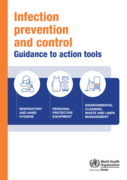
No country can claim to be free from health-care associated infections, therefore, improvement of infection prevention and control (IPC) strategies is essential. WHO recommends the use of multimodal improvement strategies to implement IPC interventions. These include each item of standard and transm
...
ission-based precautions according to national guidelines or standard operating procedures and under the coordination of the national IPC focal point (or team, if existing). This publication consists of three focused improvement tools, called “aide-memoires”, which focus on 1) respiratory and hand hygiene, 2) personal protective equipment, and 3) environmental cleaning, waste and linen management, all elements of standard, droplet/contact and airborne precautions.
more
