Filter
4060
Text search:
UN
Women
Featured
283
1224
Language
3595
294
225
68
61
32
32
23
10
6
5
4
4
4
4
3
3
3
3
3
3
2
2
2
2
2
2
2
2
2
2
2
2
2
2
2
2
1
1
1
1
1
1
1
1
1
1
1
1
1
1
Document type
2319
794
322
210
177
77
74
48
14
10
10
1
Countries / Regions
192
121
120
102
99
92
86
85
83
83
83
74
71
66
64
62
58
58
55
53
52
50
44
42
40
39
39
39
38
37
36
35
34
33
32
31
28
27
27
26
24
24
22
21
20
20
19
19
19
19
18
17
16
16
16
15
15
14
14
13
12
10
10
10
10
10
9
9
9
8
8
8
7
7
6
6
6
6
6
6
5
5
5
5
5
5
5
4
4
4
4
4
4
4
4
3
3
3
3
3
3
3
2
2
2
2
2
2
2
2
2
2
2
2
2
2
2
2
2
1
1
1
1
1
1
1
1
1
1
1
1
1
1
1
1
1
1
1
1
Authors & Publishers
313
141
133
129
107
101
80
79
42
38
35
34
34
31
31
30
27
25
25
25
24
22
21
20
20
20
20
19
18
18
18
18
18
18
17
16
16
14
14
13
13
12
12
12
12
12
11
11
11
10
10
10
9
9
9
9
9
9
9
9
9
9
8
8
8
8
8
8
8
8
8
8
8
7
7
7
7
7
7
7
7
7
7
6
6
6
6
6
6
6
6
6
6
6
6
6
6
6
6
6
6
6
6
5
5
5
5
5
5
5
5
5
5
5
5
5
5
5
5
5
5
5
5
5
5
5
4
4
4
4
4
4
4
4
4
4
4
4
4
4
4
4
4
4
4
4
4
4
4
4
4
4
4
4
4
4
4
4
4
4
4
4
4
4
4
4
4
4
4
4
4
4
4
4
4
4
4
3
3
3
3
3
3
3
3
3
3
3
3
3
3
3
3
3
3
3
3
3
3
3
3
3
3
3
3
3
3
3
3
3
3
3
3
3
3
3
3
3
3
3
3
3
3
3
3
3
3
3
3
3
3
3
3
3
3
3
3
3
3
3
3
3
3
3
3
3
3
3
3
3
3
3
3
3
3
3
3
3
3
3
3
3
3
3
3
3
3
3
3
2
2
2
2
2
2
2
2
2
2
2
2
2
2
2
2
2
2
2
2
2
2
2
2
2
2
2
2
2
2
2
2
2
2
2
2
2
2
2
2
2
2
2
2
2
2
2
2
2
2
2
2
2
2
2
2
2
2
2
2
2
2
2
2
2
2
2
2
2
2
2
2
2
2
2
2
2
2
2
2
2
2
2
2
2
2
2
2
2
2
2
2
2
2
2
2
2
2
2
2
2
2
2
2
2
2
2
2
2
2
2
2
2
2
2
2
2
2
2
2
2
2
2
2
2
2
2
2
2
2
2
2
2
2
2
2
2
2
2
2
2
2
2
2
2
2
2
2
2
2
2
2
2
2
2
2
2
2
2
2
2
2
2
2
2
2
2
2
2
2
2
2
2
2
2
2
2
2
2
2
2
2
2
2
2
2
2
2
2
2
2
2
2
2
2
2
2
2
2
2
2
2
2
2
2
2
2
2
2
2
2
2
2
2
2
2
2
2
2
2
2
2
2
2
2
2
2
2
2
2
2
2
2
2
2
2
2
2
1
1
1
1
1
1
1
1
1
1
1
1
1
1
1
1
1
1
1
1
1
1
1
1
1
1
1
1
1
1
1
1
1
1
1
1
1
1
1
1
1
1
1
1
1
1
1
1
1
1
1
1
1
1
1
1
1
1
1
1
1
1
1
1
1
1
1
1
1
1
1
1
1
1
1
1
1
1
1
1
1
1
1
1
1
1
1
1
1
1
1
1
1
1
1
1
1
1
1
1
1
1
1
1
1
1
1
1
1
1
1
1
1
1
1
1
1
1
1
1
1
1
1
1
1
1
1
1
1
1
1
1
1
1
1
1
1
1
1
1
1
1
1
1
1
1
1
1
1
1
1
1
1
1
1
1
1
1
1
1
1
1
1
1
1
1
1
1
1
1
1
1
1
1
1
1
1
1
1
1
1
1
1
1
1
1
1
1
1
1
1
1
1
1
1
1
1
1
1
1
1
1
1
1
1
1
1
1
1
1
1
1
1
1
1
1
1
1
1
1
1
1
1
1
1
1
1
1
1
1
1
1
1
1
1
1
1
1
1
1
1
1
1
1
1
1
1
1
1
1
1
1
1
1
1
1
1
1
1
1
1
1
1
1
1
1
1
1
1
1
1
1
1
1
1
1
1
1
1
1
1
1
1
1
1
1
1
1
1
1
1
1
1
1
1
1
1
1
1
1
1
1
1
1
1
1
1
1
1
1
1
1
1
1
1
1
1
1
1
1
1
1
1
1
1
1
1
1
1
1
1
1
1
1
1
1
1
1
1
1
1
1
1
1
1
1
1
1
1
1
1
1
1
1
1
1
1
1
1
1
1
1
1
1
1
1
1
1
1
1
1
1
1
1
1
1
1
1
1
1
1
1
1
1
1
1
1
1
1
1
1
1
1
1
1
1
1
1
1
1
1
1
1
1
1
1
1
1
1
1
1
1
1
1
1
1
1
1
1
1
1
1
1
1
1
1
1
1
1
1
1
1
1
1
1
1
1
1
1
1
1
1
1
1
1
1
1
1
1
1
1
1
1
1
1
1
1
1
1
1
1
1
1
1
1
1
1
1
1
1
1
1
1
1
1
1
1
1
1
1
1
1
1
1
1
1
1
1
1
1
1
1
1
1
1
1
1
1
1
1
1
1
1
1
1
1
1
1
1
1
1
1
1
1
1
1
1
1
1
1
1
1
1
1
1
1
1
1
1
1
1
1
1
1
1
1
1
1
1
1
1
1
1
1
1
1
1
1
1
1
1
1
1
1
1
1
1
1
1
1
1
1
1
1
1
1
1
1
1
1
1
1
1
1
1
1
1
1
1
1
1
1
1
1
1
1
1
1
1
1
1
1
1
1
1
1
1
1
1
1
1
1
1
1
1
1
1
1
1
1
1
1
1
1
1
1
1
1
1
1
1
1
1
1
1
1
1
1
1
1
1
1
1
1
1
1
1
1
1
1
1
1
1
1
1
1
1
1
1
1
1
1
1
1
1
1
1
1
1
1
1
1
1
1
1
1
1
1
1
1
1
1
1
1
1
1
1
1
1
1
1
1
1
1
1
1
1
1
1
1
1
1
1
1
1
1
1
1
1
1
1
1
1
1
1
1
1
1
1
1
1
1
1
1
1
1
1
1
1
1
1
1
1
1
1
1
1
1
1
1
1
1
1
1
1
1
1
1
1
1
1
1
1
1
1
1
1
1
1
1
1
1
1
1
1
1
1
1
1
1
1
1
1
1
1
1
1
1
1
1
1
1
1
1
1
1
1
1
1
1
1
1
1
1
1
1
1
1
1
1
1
1
1
1
1
1
1
1
1
1
1
1
1
1
1
1
1
1
1
1
1
1
1
1
1
1
1
1
1
1
1
1
1
1
1
1
1
1
1
1
1
1
1
1
1
1
1
1
1
1
1
1
1
1
1
1
1
1
1
1
1
1
1
1
1
1
1
1
1
1
1
1
1
1
1
1
1
1
1
1
1
1
1
1
1
1
1
1
1
1
1
1
1
1
1
1
1
1
1
1
1
1
1
1
1
1
1
1
1
1
1
1
1
1
1
1
1
1
1
1
1
1
1
1
1
1
1
1
1
1
1
1
1
1
1
1
1
1
1
1
1
1
1
1
1
1
1
1
1
1
1
1
1
1
1
1
1
1
1
1
1
1
1
1
1
1
1
1
1
1
1
1
1
1
1
1
1
1
1
1
1
1
1
1
1
1
1
1
1
1
1
1
1
1
1
1
1
1
1
1
1
1
1
1
1
1
1
1
1
1
1
1
1
1
1
1
1
1
1
1
1
1
1
1
1
1
1
1
1
1
1
1
1
1
1
1
1
1
1
1
1
1
1
1
1
1
1
1
1
1
1
1
1
1
1
1
1
1
1
1
1
1
1
1
1
1
1
1
1
1
1
1
1
1
1
1
1
1
1
1
1
1
1
1
1
1
1
1
1
1
1
1
1
1
1
1
1
1
1
1
1
1
1
1
1
1
1
1
1
1
1
1
1
1
1
1
1
1
1
1
1
1
1
1
1
1
1
1
1
1
1
1
1
1
1
1
1
1
1
1
1
1
1
1
1
1
1
1
1
1
1
1
1
1
1
1
1
1
1
1
1
1
1
1
1
1
1
1
1
1
1
1
1
1
1
1
1
1
1
1
1
1
1
1
1
1
1
1
1
1
1
1
1
1
1
1
1
1
1
1
1
1
1
1
1
1
1
1
1
1
1
1
1
1
1
1
1
1
1
1
1
1
1
1
1
1
1
1
1
1
1
1
1
1
1
1
1
1
1
1
1
1
1
1
1
1
1
1
1
1
1
1
1
1
1
1
1
1
1
1
1
1
1
1
1
1
1
1
1
1
1
1
1
1
1
1
1
1
1
1
1
1
1
1
1
1
1
1
1
1
1
1
1
1
1
1
1
1
1
1
1
1
1
1
1
1
1
1
1
1
1
1
1
1
1
1
1
1
1
1
1
1
1
1
1
1
1
1
1
1
1
1
1
1
1
1
1
1
1
1
1
1
1
1
1
1
1
1
1
1
1
1
1
1
1
1
1
1
1
1
1
1
1
1
1
1
1
1
1
1
1
1
1
1
1
1
1
1
1
1
1
1
1
1
1
1
1
1
1
1
1
1
1
1
1
1
1
1
1
1
1
1
1
1
1
1
1
1
1
1
1
1
1
1
1
1
1
1
1
1
1
1
1
1
1
1
1
1
1
1
1
1
1
1
1
1
1
1
1
1
1
1
1
1
1
1
1
1
1
1
1
1
1
1
1
1
1
1
1
1
1
1
1
1
1
1
1
1
1
1
1
1
1
1
1
1
1
1
1
1
1
1
1
1
1
1
1
1
1
1
1
1
1
1
1
1
1
1
1
1
1
1
1
1
1
1
1
1
1
1
1
1
1
1
1
1
1
1
1
1
1
1
1
1
1
1
1
1
1
1
1
1
1
1
1
1
1
1
1
1
1
1
1
1
1
1
1
1
1
1
1
1
1
1
1
1
1
1
1
1
1
1
1
1
1
1
1
1
1
1
1
1
1
1
1
1
1
1
1
1
1
1
1
1
1
1
1
1
1
1
1
1
1
1
1
1
1
1
1
1
1
1
1
1
1
1
1
1
1
1
1
1
1
1
1
1
1
1
1
1
1
1
1
1
1
1
1
1
1
1
1
1
1
1
1
1
1
1
1
1
1
1
1
1
1
1
1
1
1
1
1
1
1
1
1
1
1
1
1
1
1
1
1
1
1
1
1
1
1
1
1
1
1
1
1
1
1
1
1
1
1
1
1
1
1
1
1
1
1
1
1
1
1
1
1
1
1
1
1
1
1
1
1
1
1
1
1
1
1
1
1
1
1
1
1
1
1
1
1
1
1
1
1
1
1
1
1
1
1
1
1
1
1
1
1
1
1
1
1
1
1
1
1
1
1
1
1
1
1
1
1
1
1
1
1
1
1
1
1
1
1
1
1
1
1
1
1
1
1
1
1
1
1
1
1
1
1
1
1
1
1
1
1
1
1
1
1
1
1
1
1
1
1
1
1
1
1
1
1
1
1
1
1
1
1
1
1
1
1
1
1
1
1
1
1
1
1
1
1
1
1
1
1
1
1
1
1
1
1
1
1
1
1
1
1
1
1
1
1
1
1
1
1
1
1
1
1
1
1
1
1
1
1
1
1
1
1
1
1
1
1
1
1
1
1
1
1
1
1
1
1
1
1
1
1
1
1
1
1
1
1
1
1
1
1
1
1
1
1
1
1
1
1
1
1
1
1
1
1
1
1
1
1
1
1
1
1
1
1
1
1
1
1
1
1
1
1
1
1
1
1
1
1
1
1
1
1
1
1
1
1
1
1
1
1
1
1
1
1
1
1
1
1
1
1
1
1
1
1
1
1
1
1
1
1
1
1
1
1
1
1
1
1
1
1
1
1
1
1
1
1
1
1
1
1
1
1
1
1
1
1
1
1
1
1
1
1
1
1
1
1
1
1
1
1
1
1
1
1
1
1
1
1
1
1
1
1
1
1
1
1
1
1
1
1
1
1
1
1
1
1
1
1
1
1
1
1
1
1
1
1
1
1
1
1
1
1
1
1
1
1
1
1
1
1
1
1
1
1
1
1
1
1
1
1
1
1
1
1
1
1
1
1
1
1
1
1
1
1
1
1
1
1
1
1
1
1
1
1
1
1
1
1
1
1
1
1
1
1
1
1
1
1
1
1
1
1
1
1
1
1
1
1
1
1
1
1
1
1
1
1
1
1
1
1
1
1
1
1
1
1
1
1
1
1
1
1
1
1
1
1
1
1
1
1
1
1
1
1
1
1
1
1
1
1
1
1
1
1
1
1
1
1
1
1
1
1
1
1
1
1
1
1
1
1
1
1
1
1
1
1
1
1
1
1
1
1
1
1
1
1
1
1
1
1
1
1
1
1
1
1
1
1
1
1
1
1
1
1
1
1
1
1
1
1
1
1
1
1
1
1
1
1
1
1
1
1
1
1
1
1
1
1
1
1
1
1
1
1
1
1
1
1
1
1
1
1
1
1
1
1
1
1
1
1
1
1
1
1
1
1
1
1
1
1
1
1
1
1
1
1
1
1
1
1
1
1
1
1
1
1
1
1
1
1
1
1
1
1
1
1
1
1
1
1
1
1
1
1
1
1
1
1
1
1
1
1
1
1
1
1
1
1
1
1
1
1
1
1
1
1
1
1
1
1
1
1
1
1
1
1
1
1
1
1
1
1
1
1
1
1
1
1
1
1
1
1
1
1
1
1
1
1
1
1
1
1
1
1
1
1
1
1
1
1
1
1
1
1
1
1
1
1
1
1
1
1
1
1
1
1
1
1
1
1
1
1
1
1
1
1
1
1
1
1
1
1
1
1
1
1
1
1
1
1
1
1
1
1
1
1
1
1
1
1
1
1
1
1
1
1
1
1
1
1
1
1
1
1
1
1
1
1
1
1
1
1
1
1
1
1
1
1
1
1
1
1
1
1
1
1
1
1
1
1
1
1
1
1
1
1
1
1
1
1
1
1
1
1
1
1
1
1
1
1
1
1
1
1
1
1
1
1
1
1
1
1
1
1
1
1
1
1
1
1
1
1
1
1
1
1
1
1
1
1
1
1
1
1
1
1
1
1
1
1
1
1
1
1
1
1
1
1
1
1
1
1
1
1
1
1
1
1
1
1
1
1
1
1
1
1
1
1
1
1
1
1
1
1
1
1
1
1
1
1
1
1
1
1
1
1
1
1
1
1
1
1
1
1
1
1
1
1
1
1
1
1
1
1
1
1
1
1
1
1
1
1
1
1
1
1
1
1
1
1
1
1
1
1
1
1
1
1
1
1
1
1
1
1
1
1
1
1
1
1
1
1
1
1
1
1
1
1
1
1
1
1
1
1
1
1
1
1
1
1
1
1
1
1
1
1
1
1
1
1
1
1
1
1
1
1
1
1
1
1
1
1
1
1
1
1
1
1
1
1
1
1
1
1
1
1
1
1
1
1
1
1
1
1
1
1
1
1
1
1
1
1
1
1
1
1
1
1
1
1
1
1
1
1
1
1
1
1
1
1
1
1
1
1
1
1
1
1
1
1
1
1
1
1
1
1
1
1
1
1
1
1
1
1
1
1
1
1
1
1
1
1
1
1
1
1
1
1
1
1
1
1
1
1
1
1
1
1
1
1
1
1
1
1
1
1
1
1
1
1
1
1
1
1
1
1
1
1
1
1
1
1
1
1
1
1
1
1
1
1
1
Publication Years
1
1205
2577
266
10
1
Category
1792
301
301
168
153
45
8
1
Toolboxes
341
268
267
247
231
164
141
123
100
91
81
59
59
50
44
26
26
25
21
19
18
15
14
13
9
6
2

People younger than 20 years comprise 35% of the global population and 40% of the global population of least-developed nations. The number of children - neonates, infants, children, and adolescents up to 19 years of age - who need pediatric palliative care (PPC) each year may be as high as 21 millio
...
n. Another study found that almost 2.5 million children die each year with serious health related suffering and that more than 98% of these children are in low- and middle-income countries (LMICs) (3). While estimates differ, there is no doubt that there is an enormous need for prevention and relief of suffering among children - for PPC.
more

Humanitarian emergencies and crises (Humanitarian emergencies and crises) are large-scale events that may result in the breakdown of health care systems and society, forced displacement, death, and physical, psychological, social and spiritual suffering on a massive scale. Current responses to Human
...
itarian emergencies and crises rightfully focus on saving lives, but for both ethical and medical reasons, the prevention and relief of pain, as well as other physical and psychological symptoms, social and spiritual distress, also are imperative. Therefore, palliative care, should be integrated into responses to Humanitarian emergencies and crises. The principles of humanitarianism and impartiality require that all patients receive care and should never be abandoned for any reason, even if they are dying. Thus, there is significant overlap in the principles and mission of palliative care and humanitarianism: relief of suffering; respect for the dignity of all people; support for basic needs; and accompaniment during the most difficult of times
more
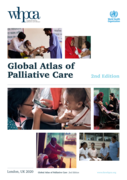
The second edition of the WHPCA Global Atlas of Palliative Care was launched during World Hospice & Palliative Care Day 10 October. The Atlas is an update of the original WHPCA/WHO Global Atlas of Palliative care at the end of life published in 2014. It is full of useful facts and figures to support
...
palliative care advocacy and development. In this edition we have switched from using the WHO methodology for need for palliative care to the evolving Lancet Commission on Palliative Care and Pain Relief methodology. As a result the number of people needing palliative care has gone from 40 million per year to almost 57 million and more accurately reflects the need for palliative care globally models of palliative care worldwide? What resources are devoted to palliative care? What is the way forward?
more
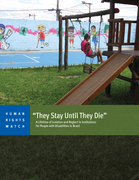
This report found that many people with disabilities enter institutions as children and remain there for their entire lives. Most of these institutions visited by Human Rights Watch researchers did not provide for more than people’s basic needs, such as food and hygiene, with scarce contact with t
...
he community and little opportunity for personal development. Some residents are tied to their beds and given sedatives to control them.
more

Growing Up in Conflict: The Impact on Children's Mental Health and Psychosocial Well-being
Maria Bray, Sabine Rakotomalala, Leslie Snider, Saji Thomas
UNICEF, Wendy Ager, Pierette James
(2015)
Report on the symposium 26–28 May 2015, New Babylon Meeting Center, The Hague
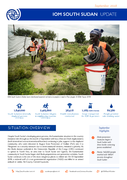
September Highlights
Ebola prevention measures began in South Sudan with three border screening points established
Nearly 160,000 people reached with WASH services throughout South Sudan
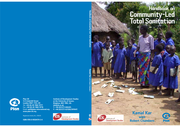
This handbook has been compiled as a source of ideas and experiences that can be used for CLTS orientation workshops, advocacy to stakeholders, training facilitators and natural leaders and implementing CLTS activities. It is a resource book especially for field staff, facilitators and trainers for
...
planning, implementation and follow-up for CLTS.
more

The Sphere Handbook. Humanitarian Charter and Minimum Standards in Humanitarian Response. New Edition
recommended
Humanitarian Charter and Minimum Standards in Humanitarian Response.
The 2018 Sphere Handbook builds on the latest developments and learning in the humanitarian sector. Among the improvements of the new edition, readers will find a stronger focus on the role of local authorities and communities as
...
actors of their own recovery. Guidance on context analysis to apply the standards has also been strengthened. New standards have also been developed, informed by recent practice and learning, such as WASH and healthcare settings in disease outbreaks, security of tenure in shelter and settlement, and palliative care in health. Different ways to deliver or enable assistance, including cash-based assistance, are also integrated into the Handbook.
more

It provides insight into WHO’s work that aims to improve the health of the people of the United Republic of Tanzania in collaboration with key stakeholders.

Disability Data Collection in Community-based Rehabilitation
Sunil Deepak, Franesca Ortali, Geraldine Mason Halls, Tulgamaa Damdinsuren, Enhbuyant Lhagvajav, Steven Msowoya, Malek Qutteina, Jayanth Kumar
Disability, CBR & Inclusive Development Journal (DCIDJ)
(2016)
CC
Today there are Community-based Rehabilitation (CBR) programmes in a large number of countries. In many countries, the CBR approach is a part of the national rehabilitation services. However, there is a lack of reliable data about persons with disabilities who benefit from CBR and the kind of benefi
...
ts they receive. This article reviews the disability data collection systems and presents some case studies to understand the influence of operational factors on data collection in the CBR programmes. The review shows that most CBR programmes use a variable number of broad functional categories to collect information about persons with disabilities, combined occasionally with more specific diagnostic categories. This categorisation is influenced by local contexts and operational factors, including the limitations of human and material resources available for its implementation, making it difficult to have comparable CBR data. Therefore, any strategies to strengthen the data collection in CBR programmes must take these operational factors into account.
more

Towards a Core Set of Clinical Skills for Health-Related Community Based Rehabilitation in Low and Middle Income Countries
Jessica O'Dowd, Malcolm MacLachlan, Chapel Khasnabis, Priscille Geiser
Disability, CBR & Inclusive Development Journal (DCIDJ)
(2015)
CC
This research aims to identify a core set of clinical skills for working in
a Community Based Rehabilitation (CBR) setting, and to discuss whether they are appropriate for task shifting to a new or an alternative cadre of rehabilitation workers.
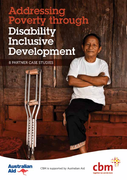
This booklet shows what disability inclusive development for poverty alleviation looks like in a range of settings and with different challenges through eight case studies of projects funded by CBM Australia through the Australian Government NGO Cooperation Program (ANCP).

Lessons learnt from the ADCAP programme | This guide shares good practices and challenges that have emerged through the experience of the Age and Disability Capacity Programme (ADCAP) implementing partners, in embedding inclusion of older people and people with disabilities within their humanitaria
...
n policies and practices. All mainstream and specialist organisations engaged in humanitarian responses can learn and benefit from this experience. This guide complements the ‘Humanitarian inclusion standards for older people and people with disabilities’ (see Appendix 4), by documenting practices that will help humanitarian organisations to systematically include older people and people with disabilities.
more

The Ministry of Health and Family Welfare is committed to ensuring the effective implementation of this strategy, which will contribute to the overall wellbeing and health of all adolescent boys and girls of Bangladesh

Revised
Reading Material for ASHA no.8

These guidelines are applicable to all biomedical, social and behavioural science research for health conducted in India involving human participants, their biological material and data.
The purpose of such research should be: i. directed towards enhancing knowledge about the human condition while
...
maintaining sensitivity to the Indian cultural, social and natural environment; ii. conducted under conditions such that no person or persons become mere means for the betterment of others and that human beings who are participating in any biomedical and/or health research or scientific experimentation are dealt with in a manner conducive to and consistent with their dignity and well-being, under conditions of professional fair treatment and transparency; and iii. subjected to a regime of evaluation at all stages of the research, such as design, conduct and reporting of the results thereof.
more