
Filter
2811
Text search:
infants
Featured
305
896
Language
2651
77
74
49
27
18
10
10
6
5
5
4
3
3
3
2
2
2
2
2
2
2
2
2
2
2
1
1
1
1
1
1
1
1
1
1
1
1
1
1
1
1
1
1
1
1
1
1
1
Document type
1698
411
319
128
78
71
55
19
15
7
6
1
1
Countries
170
96
88
79
72
71
61
61
61
58
51
48
48
46
41
38
38
37
26
24
23
22
21
21
21
20
19
17
16
16
16
16
14
13
13
11
10
10
10
10
10
9
9
8
7
7
6
6
6
6
5
5
5
5
4
4
4
4
4
4
3
3
3
3
2
2
2
2
2
2
2
2
2
1
1
1
1
1
1
1
1
1
1
1
1
1
1
1
1
1
1
1
1
1
1
1
1
1
1
Authors & Publishers
369
152
106
91
79
64
60
44
39
29
27
23
22
18
17
17
16
16
15
15
15
14
14
14
13
13
12
11
11
10
10
10
10
10
10
9
9
9
9
9
9
9
8
8
8
8
7
7
7
7
7
6
6
6
6
6
6
6
6
5
5
5
5
5
5
5
5
5
5
5
5
5
5
5
5
5
5
5
5
5
4
4
4
4
4
4
4
4
4
4
4
4
4
4
4
4
4
4
4
4
4
4
4
4
4
4
4
4
4
4
3
3
3
3
3
3
3
3
3
3
3
3
3
3
3
3
3
3
3
3
3
3
3
3
3
3
3
3
3
3
3
3
3
3
3
3
3
3
3
3
3
3
3
3
3
3
3
3
3
3
3
3
3
3
3
3
3
3
3
2
2
2
2
2
2
2
2
2
2
2
2
2
2
2
2
2
2
2
2
2
2
2
2
2
2
2
2
2
2
2
2
2
2
2
2
2
2
2
2
2
2
2
2
2
2
2
2
2
2
2
2
2
2
2
2
2
2
2
2
2
2
2
2
2
2
2
2
2
2
2
2
2
2
2
2
2
2
2
2
2
2
2
2
2
2
2
2
2
2
2
2
2
2
2
2
2
2
2
2
2
2
2
2
2
2
2
2
2
2
2
2
2
2
2
2
2
2
2
2
2
2
2
2
2
2
2
2
2
2
2
2
2
2
2
2
2
2
2
2
2
2
2
2
2
2
2
2
2
2
2
2
2
2
2
2
2
2
2
2
2
2
2
2
2
2
2
2
2
2
2
2
2
2
2
2
2
2
2
2
2
2
2
2
2
2
2
2
2
2
2
2
2
2
2
2
2
2
1
1
1
1
1
1
1
1
1
1
1
1
1
1
1
1
1
1
1
1
1
1
1
1
1
1
1
1
1
1
1
1
1
1
1
1
1
1
1
1
1
1
1
1
1
1
1
1
1
1
1
1
1
1
1
1
1
1
1
1
1
1
1
1
1
1
1
1
1
1
1
1
1
1
1
1
1
1
1
1
1
1
1
1
1
1
1
1
1
1
1
1
1
1
1
1
1
1
1
1
1
1
1
1
1
1
1
1
1
1
1
1
1
1
1
1
1
1
1
1
1
1
1
1
1
1
1
1
1
1
1
1
1
1
1
1
1
1
1
1
1
1
1
1
1
1
1
1
1
1
1
1
1
1
1
1
1
1
1
1
1
1
1
1
1
1
1
1
1
1
1
1
1
1
1
1
1
1
1
1
1
1
1
1
1
1
1
1
1
1
1
1
1
1
1
1
1
1
1
1
1
1
1
1
1
1
1
1
1
1
1
1
1
1
1
1
1
1
1
1
1
1
1
1
1
1
1
1
1
1
1
1
1
1
1
1
1
1
1
1
1
1
1
1
1
1
1
1
1
1
1
1
1
1
1
1
1
1
1
1
1
1
1
1
1
1
1
1
1
1
1
1
1
1
1
1
1
1
1
1
1
1
1
1
1
1
1
1
1
1
1
1
1
1
1
1
1
1
1
1
1
1
1
1
1
1
1
1
1
1
1
1
1
1
1
1
1
1
1
1
1
1
1
1
1
1
1
1
1
1
1
1
1
1
1
1
1
1
1
1
1
1
1
1
1
1
1
1
1
1
1
1
1
1
1
1
1
1
1
1
1
1
1
1
1
1
1
1
1
1
1
1
1
1
1
1
1
1
1
1
1
1
1
1
1
1
1
1
1
1
1
1
1
1
1
1
1
1
1
1
1
1
1
1
1
1
1
1
1
1
1
1
1
1
1
1
1
1
1
1
1
1
1
1
1
1
1
1
1
1
1
1
1
1
1
1
1
1
1
1
1
1
1
1
1
1
1
1
1
1
1
1
1
1
1
1
1
1
1
1
1
1
1
1
1
1
1
1
1
1
1
1
1
1
1
1
1
1
1
1
1
1
1
1
1
1
1
1
1
1
1
1
1
1
1
1
1
1
1
1
1
1
1
1
1
1
1
1
1
1
1
1
1
1
1
1
1
1
1
1
1
1
1
1
1
1
1
1
1
1
1
1
1
1
1
1
1
1
1
1
1
1
1
1
1
1
1
1
1
1
1
1
1
1
1
1
1
1
1
1
1
1
1
1
1
1
1
1
1
1
1
1
1
1
1
1
1
1
1
1
1
1
1
1
1
1
1
1
1
1
1
1
1
1
1
1
1
1
1
1
1
1
1
1
1
1
1
1
1
1
1
1
1
1
1
1
1
1
1
1
1
1
1
1
1
1
1
1
1
1
1
1
1
1
1
1
1
1
1
1
1
1
1
1
1
1
1
1
1
1
1
1
1
1
1
1
1
1
1
1
1
1
1
1
1
1
1
1
1
1
1
1
1
1
1
1
1
1
1
1
1
1
1
1
1
1
1
1
1
1
1
1
1
1
1
1
1
1
1
1
1
1
1
1
1
1
1
1
1
1
1
1
1
1
1
1
1
1
1
1
1
1
1
1
1
1
1
1
1
1
1
1
1
1
1
1
1
1
1
1
1
1
1
1
1
1
1
1
1
1
1
1
1
1
1
1
1
1
1
1
1
1
1
1
1
1
1
1
1
1
1
1
1
1
1
1
1
1
1
1
1
1
1
1
1
1
1
1
1
1
1
1
1
1
1
1
1
1
1
1
1
1
1
1
1
1
1
1
1
1
1
1
1
1
1
1
1
1
1
1
1
1
1
1
1
1
1
1
1
1
1
1
1
1
1
1
1
1
1
1
1
1
1
1
1
1
1
1
1
1
1
1
1
1
1
1
1
1
1
1
1
1
1
1
1
1
1
1
1
1
1
1
1
1
1
1
1
1
1
1
1
1
1
1
1
1
1
1
1
1
1
1
1
1
1
1
1
1
1
1
1
1
1
1
1
1
1
1
1
1
1
1
1
1
1
1
1
1
1
1
1
1
1
1
1
1
1
1
1
1
1
1
1
1
1
1
1
1
1
1
1
1
1
1
1
1
1
1
1
1
1
1
1
1
1
1
1
1
1
1
1
1
1
1
1
1
1
1
1
1
1
1
1
1
1
1
1
1
1
1
1
1
1
1
1
1
1
1
1
1
1
1
1
1
1
1
1
1
1
1
1
1
1
1
1
1
1
1
1
1
1
1
1
1
1
1
1
1
1
1
1
1
1
1
1
1
1
1
1
1
1
1
1
1
1
1
1
1
1
1
1
1
1
1
1
1
1
1
1
1
1
1
1
1
1
1
1
1
1
1
1
1
1
1
1
1
1
1
1
1
1
1
1
1
1
1
1
1
1
1
1
1
1
1
1
1
1
1
1
1
1
1
1
1
1
1
1
1
1
1
1
1
1
1
1
1
1
1
1
1
1
1
1
1
1
1
1
1
1
1
1
1
1
1
1
1
1
1
1
1
1
1
1
1
1
1
1
1
1
1
1
1
1
1
1
1
1
1
1
1
1
1
1
1
1
1
1
1
1
1
1
1
1
1
1
1
1
1
1
1
1
1
1
1
1
1
1
1
1
1
1
1
1
1
1
1
1
1
1
1
1
1
1
1
1
1
1
1
1
1
1
1
1
1
1
1
1
1
1
1
1
1
1
1
1
1
1
1
1
1
1
1
1
1
1
1
1
1
1
1
1
1
1
1
1
1
1
1
1
1
1
1
1
1
1
1
1
1
1
1
1
1
1
1
1
1
1
1
1
1
1
1
1
1
1
1
1
1
1
1
1
1
1
1
1
1
1
1
1
1
1
1
1
1
1
1
1
1
1
1
1
1
1
1
1
1
1
1
1
1
1
1
1
1
1
1
1
1
1
1
1
1
1
1
1
1
1
1
1
1
1
1
1
1
1
1
1
1
1
1
1
1
1
1
1
1
1
1
1
1
1
1
1
1
1
1
1
1
1
1
1
1
1
1
1
1
1
1
1
1
1
1
1
1
1
1
1
1
1
1
1
1
1
1
1
1
1
1
1
1
1
1
1
1
1
1
1
1
1
1
1
1
1
1
1
1
1
1
1
1
1
1
1
1
1
1
1
1
1
1
1
1
1
1
1
1
1
1
1
1
1
1
1
1
1
1
1
1
1
1
1
1
1
1
1
1
1
1
1
1
1
1
1
1
1
1
1
1
1
1
1
1
1
1
1
1
1
1
1
1
1
1
1
1
1
1
1
1
1
1
1
1
1
1
1
1
1
1
1
1
1
1
1
1
1
1
1
1
1
1
1
1
1
1
1
1
1
1
1
1
1
1
1
1
1
1
1
1
1
1
1
1
1
1
1
1
1
1
1
1
1
1
1
1
1
1
1
1
1
1
1
1
1
1
1
1
1
1
1
1
1
1
1
1
1
1
1
1
1
1
1
1
1
1
1
1
1
1
1
1
1
1
1
1
1
1
1
1
1
1
1
1
1
1
1
1
1
1
1
1
1
1
1
1
1
1
1
1
1
1
1
1
1
1
1
1
1
1
1
1
1
1
1
1
1
1
1
1
1
1
1
1
1
1
1
1
1
1
1
1
1
1
1
1
1
1
1
1
1
1
1
1
1
1
1
1
1
1
1
1
1
1
1
1
1
1
1
1
1
1
1
1
1
1
1
1
1
1
1
1
1
1
1
1
1
1
1
1
1
1
1
1
1
1
1
1
1
1
1
1
1
1
1
1
1
1
1
1
1
1
1
1
1
1
1
1
1
1
1
1
1
1
1
1
1
1
1
1
1
1
1
1
1
1
1
Publication Years
662
1818
313
16
2
Category
1287
332
321
107
106
73
18
Toolboxes
158
141
128
126
88
79
61
60
59
52
47
46
45
43
37
33
31
31
25
24
20
16
12
12
4
1

Almost 25% of deaths worldwide could be prevented if the actions in the compendium were fully implemented
This compendium provides a systematic compilation of published guidance from WHO and other UN organizations on health and environment. Guidance on policies and actions as well as awareness rais
...
ing and capacity building interventions is presented for all major areas of health and environment. Guidance referring to priority settings for action such as cities and other urban settlements, housing, workplaces and health care facilities is also listed.
For greater practical relevance, each guidance is classified according to principally involved sectors, level of implementation and instruments for implementation.
The compilation of guidance for each area of health and environment or priority setting for action is accompanied, as available, by information on main sources, exposure assessment and existing guideline values. Important tools and further resources are presented alongside.
more
The internationally recognized criteria for diagnosis of neurocysticercosis include a requirement for neuroimaging techniques, such as computerized tomography (CT) and/or magnetic resonance imaging (MRI), ideally supported by serology. These facilities are not available in all settings, especially i
...
n rural areas of low-income countries, making it difficult to identify and treat patients. Additionally, there is controversy about the role, type and duration of anthelmintic, antiinflammatory and antiepileptic drug (AED) treatments for different forms of neurocysticercosis.
These guidelines were developed to assist health-care providers in appropriate, evidence-based management of parenchymal neurocysticercosis. The guidelines do not address other forms of neurocysticercosis and do not include management of extraparenchymal disease (including cysticerci in the cerebral ventricles or subarachnoid space). The aim of the guidance is to improve decision-making to ensure appropriate patient care and to avoid misdiagnoses and inappropriate treatment of patients with neurocysticercosis.
more
Guía de Práctica Clínica: Basada en la evidencia científica para la atención de la infección por VIH en niñas y niños menores de 13 años de edad (versión larga)
Ministerio de Salud y Protección Social; Fondo de Poblaciones de las Naciones Unidas - UNFPA
Asociación Colombiana de Infectiologiá ACIN
(2014)
C1
La publicación describe los procedimientos estandarizados para la atención integral de las personas diagnosticadas con tuberculosis y Virus de Inmunodeficiencia Humana en los servicios de salud a nivel nacional, así como los procesos de atención integral en las personas diagnosticadas con tuberc
...
ulosis y virus de Inmunodeficiencia Humana (VIH), que incluyen acciones de prevención, diagnóstico, tratamiento y seguimiento.
more
SARS-CoV-2 infections among children and adolescents cause less severe illness and fewer deaths compared to adults. While a less severe course of infection is a positive outcome, there are concerns that mild symptoms may have led to less testing, resulting in fewer identified cases of COVID-19 in ch
...
ildren. If children with mild or no symptoms transmit the disease, they may act as drivers of transmission within their communities. Understanding symptoms, infectivity and patterns of SARS-CoV-2 transmission in children and adolescents is essential for developing, adapting and improving control measures for COVID-19 across all ages. This is a summary of the current knowledge around SARS-CoV-2 infection acquisition and transmission and COVID-19 disease symptoms in children and adolescents. It aims to inform decisions, based on local contexts, on how to best keep schools, kindergarten and day-care facilities open and what advice to apply to intergenerational mixing.
more

The meningitis road map has been designated as a flagship global strategy of the WHO’s Thirteenth General Programme of Work, 2019–2023 and is an essential component in achieving universal health coverage.
The road map will reinforce and combine with wider initiatives, such as those aimed at s
...
trengthening primary health care and health systems, increasing immunization coverage, improving global health security, fighting antimicrobial resistance and advocating for the rights of persons with disabilities. It will complement other global control strategies, such as those addressing sepsis, pneumonia, tuberculosis and HIV. Implementation will be a challenge for all countries across the world, but especially in resource-poor settings where the burden of meningitis is greatest. The targets for the visionary and strategic goals will be adapted to regional and local contexts.
more
Les infections au SRAS-CoV-2 chez les enfants et les adolescents provoquent une maladie moins grave et moins de décès que chez les adultes. Bien qu'une évolution moins grave de l'infection soit un résultat positif, on s'inquiète du fait que des symptômes légers aient pu conduire à moins de t
...
ests, ce qui a entraîné un nombre moins important de cas identifiés de COVID-19 chez les enfants. Si les enfants présentant des symptômes légers ou inexistants transmettent la maladie, ils peuvent agir comme des vecteurs de transmission au sein de leur communauté. Il est essentiel de comprendre les symptômes, l'infectivité et les modes de transmission du SRAS-CoV-2 chez les enfants et les adolescents pour développer, adapter et améliorer les mesures de contrôle du COVID-19 à tous les âges. Ce document est un résumé des connaissances actuelles concernant l'acquisition et la transmission de l'infection par le SRAS-CoV-2 et les symptômes de la maladie COVID-19 chez les enfants et les adolescents. Il vise à éclairer les décisions, en fonction des contextes locaux, sur la meilleure façon de maintenir ouvertes les écoles, les jardins d'enfants et les crèches et sur les conseils à appliquer en matière de mixité intergénérationnelle.
more
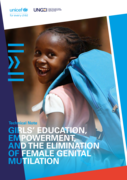
The coronavirus disease 2019 (COVID-19) pandemic has created a global and gendered crisis that is compounding existing inequalities and disproportionately affecting girls and women. Emerging evidence from the COVID-19 crisis in 2020 shows school closures, disruptions in essential services and rising
...
poverty contributed to girls’ increased risk of female genital mutilation (FGM). School closures limited the monitoring and reporting of cases of FGM. Rising household monetary poverty may have contributed to families adopting negative coping mechanisms, including having girls undergo FGM as a precursor to marriage to reduce household costs. A report from the United Nations Population Fund (UNFPA) estimates 2 million additional cases of FGM by 2030 due to the pandemic.
more
The 10 recommendations in the COP26 Special Report on Climate Change and Health propose a set of priority actions from the global health community to governments and policy makers, calling on them to act with urgency on the current climate and health crises.
The recommendations were developed in
...
consultation with over 150 organizations and 400 experts and health professionals. They are intended to inform governments and other stakeholders ahead of the 26th Conference of the Parties (COP26) of the United Nations Framework Convention on Climate Change (UNFCCC) and to highlight various opportunities for governments to prioritize health and equity in the international climate movement and sustainable development agenda. Each recommendation comes with a selection of resources and case studies to help inspire and guide policymakers and practitioners in implementing the suggested solutions
more

Strategical plan
Unhealthy diets and excess body weight are leading risk factors for death and disability in the WHO European Region. Addressing malnutrition in all its forms is essential to ensure health and well-being for all and, consequently, sustainable development. It requires coherent and innovative actions c
...
overing the entire food system and across other sectors to ensure access to a diversified, balanced and healthy diet for all.
more
This document is the seventh edition of the Ministry of Health’s officially approved prescribers’ and dispensers’ guide for all levels of
healthcare. Great effort has been put into aligning the prevailing health insurance benefits package to this edition.

J Pharm Pharm Sci (www.cspsCanada.org) 16(3) 441 - 455, 2013
African Antibiotic Treatment Guidelines for Common Bacterial Infections and Syndromes – Final Report
Africa Centres for Disease Control and Prevention Center for Disease Dynamics, Economics & Policy
Africa Centres for Disease Control and Prevention Center for Disease Dynamics, Economics & Policy
(2021)
CC

Using Epidemiology to Support Primary Health Care. Updated version of the WHO handbook published in the early 1990's entitled: Manual of Epidemiology for District Health Management or those with an interest in applied epidemiology in primary health care and district health systems


Adolescent girls and young women (AGYW) remain disproportionately affected by HIV in Eastern and Southern Africa (ESA), with 26 per cent of new infections attributed to this population. AGYW face many personal, social and structural barriers to access, uptake and use of traditional HIV prevention me
...
thods. Oral Pre-exposure Prophylaxis (PrEP) is proven to be highly effective as an additional prevention choice for reducing the risk of HIV acquisition, including for AGYW. Successful uptake and adherence to PrEP is critical in its effectiveness as an HIV prevention method, however, the current demand for PrEP by AGYW is low with suboptimal adherence.
Within the ESA region, there is currently great impetus to address these challenges and scale up PrEP for AGYW. A critical aspect of this is to leverage the learnings and evidence from implementation of how to improve the demand and quality of PrEP programming for this population. Improving the Quality of Pre-Exposure Prophylaxis Implementation for Adolescent Girls and Young Women in Eastern and Southern Africa examines the current efforts in the region to accelerate and scale up evidence-based PrEP delivery platforms. The implementation brief provides current knowledge and builds on WHO guidance to provide key considerations for implementation, including driving demand and improving quality, as well as focus on wider combination prevention and integration agendas.
more
