
Filter
5753
Text search:
Gender
Featured
453
1563
Language
5417
193
148
97
92
71
45
31
25
10
8
8
7
6
5
5
5
5
4
4
4
4
4
3
3
3
3
3
3
3
3
2
2
2
2
2
2
2
2
2
2
1
1
1
1
1
1
1
1
1
1
1
1
1
1
1
1
Document type
3119
1124
601
292
272
107
106
66
21
18
14
2
1
1
Countries
284
215
170
141
140
123
122
112
109
109
106
105
104
102
96
96
80
76
72
71
68
61
61
58
57
54
48
46
45
37
36
35
34
33
33
33
33
32
30
30
26
25
24
24
23
22
22
21
21
20
20
20
19
18
17
16
15
14
13
12
11
11
10
10
9
9
9
8
8
7
7
7
6
5
5
5
5
5
5
5
4
4
4
4
4
4
4
4
4
4
4
3
3
3
3
3
3
3
3
3
3
3
3
3
3
3
3
2
2
2
2
2
2
2
2
2
2
1
1
1
1
1
1
1
1
1
1
1
1
1
1
1
1
1
1
1
1
1
1
1
1
1
Authors & Publishers
589
162
154
151
129
115
100
96
78
58
46
40
38
37
37
35
31
30
30
29
28
27
25
24
24
24
23
23
22
21
21
21
21
21
20
20
19
19
18
18
18
18
18
18
18
17
17
17
17
16
16
16
16
15
15
14
14
14
14
13
13
13
13
13
12
12
12
11
11
11
10
10
10
10
10
10
10
10
10
10
9
9
9
9
9
9
9
9
9
9
9
9
8
8
8
8
8
8
7
7
7
7
7
7
7
7
7
7
7
7
7
7
7
6
6
6
6
6
6
6
6
6
6
6
6
6
6
6
6
6
6
6
6
6
6
6
5
5
5
5
5
5
5
5
5
5
5
5
5
5
5
5
5
5
5
5
5
5
5
5
5
5
5
5
5
5
5
5
5
5
5
5
5
5
5
5
5
5
5
5
5
5
5
5
5
5
5
4
4
4
4
4
4
4
4
4
4
4
4
4
4
4
4
4
4
4
4
4
4
4
4
4
4
4
4
4
4
4
4
4
4
4
4
4
4
4
4
4
4
4
4
4
4
4
4
4
4
4
4
4
4
4
4
4
4
4
4
4
4
4
4
3
3
3
3
3
3
3
3
3
3
3
3
3
3
3
3
3
3
3
3
3
3
3
3
3
3
3
3
3
3
3
3
3
3
3
3
3
3
3
3
3
3
3
3
3
3
3
3
3
3
3
3
3
3
3
3
3
3
3
3
3
3
3
3
3
3
3
3
3
3
3
3
3
3
3
3
3
3
3
3
3
3
3
3
3
3
3
3
3
3
3
3
3
3
3
3
3
3
3
3
3
3
3
3
3
3
3
3
3
3
3
3
3
2
2
2
2
2
2
2
2
2
2
2
2
2
2
2
2
2
2
2
2
2
2
2
2
2
2
2
2
2
2
2
2
2
2
2
2
2
2
2
2
2
2
2
2
2
2
2
2
2
2
2
2
2
2
2
2
2
2
2
2
2
2
2
2
2
2
2
2
2
2
2
2
2
2
2
2
2
2
2
2
2
2
2
2
2
2
2
2
2
2
2
2
2
2
2
2
2
2
2
2
2
2
2
2
2
2
2
2
2
2
2
2
2
2
2
2
2
2
2
2
2
2
2
2
2
2
2
2
2
2
2
2
2
2
2
2
2
2
2
2
2
2
2
2
2
2
2
2
2
2
2
2
2
2
2
2
2
2
2
2
2
2
2
2
2
2
2
2
2
2
2
2
2
2
2
2
2
2
2
2
2
2
2
2
2
2
2
2
2
2
2
2
2
2
2
2
2
2
2
2
2
2
2
2
2
2
2
2
2
2
2
2
2
2
2
2
2
2
2
2
2
2
2
2
2
2
2
2
2
2
2
2
2
2
2
2
2
2
2
2
2
2
2
2
2
2
2
2
2
2
2
2
2
2
2
2
2
2
2
2
2
2
2
2
2
2
2
2
2
2
2
2
2
2
2
2
2
2
2
2
2
2
2
2
2
2
2
2
2
2
2
2
2
2
2
2
2
2
2
2
2
2
2
2
2
2
2
2
2
2
2
2
2
2
2
2
2
2
2
2
2
2
1
1
1
1
1
1
1
1
1
1
1
1
1
1
1
1
1
1
1
1
1
1
1
1
1
1
1
1
1
1
1
1
1
1
1
1
1
1
1
1
1
1
1
1
1
1
1
1
1
1
1
1
1
1
1
1
1
1
1
1
1
1
1
1
1
1
1
1
1
1
1
1
1
1
1
1
1
1
1
1
1
1
1
1
1
1
1
1
1
1
1
1
1
1
1
1
1
1
1
1
1
1
1
1
1
1
1
1
1
1
1
1
1
1
1
1
1
1
1
1
1
1
1
1
1
1
1
1
1
1
1
1
1
1
1
1
1
1
1
1
1
1
1
1
1
1
1
1
1
1
1
1
1
1
1
1
1
1
1
1
1
1
1
1
1
1
1
1
1
1
1
1
1
1
1
1
1
1
1
1
1
1
1
1
1
1
1
1
1
1
1
1
1
1
1
1
1
1
1
1
1
1
1
1
1
1
1
1
1
1
1
1
1
1
1
1
1
1
1
1
1
1
1
1
1
1
1
1
1
1
1
1
1
1
1
1
1
1
1
1
1
1
1
1
1
1
1
1
1
1
1
1
1
1
1
1
1
1
1
1
1
1
1
1
1
1
1
1
1
1
1
1
1
1
1
1
1
1
1
1
1
1
1
1
1
1
1
1
1
1
1
1
1
1
1
1
1
1
1
1
1
1
1
1
1
1
1
1
1
1
1
1
1
1
1
1
1
1
1
1
1
1
1
1
1
1
1
1
1
1
1
1
1
1
1
1
1
1
1
1
1
1
1
1
1
1
1
1
1
1
1
1
1
1
1
1
1
1
1
1
1
1
1
1
1
1
1
1
1
1
1
1
1
1
1
1
1
1
1
1
1
1
1
1
1
1
1
1
1
1
1
1
1
1
1
1
1
1
1
1
1
1
1
1
1
1
1
1
1
1
1
1
1
1
1
1
1
1
1
1
1
1
1
1
1
1
1
1
1
1
1
1
1
1
1
1
1
1
1
1
1
1
1
1
1
1
1
1
1
1
1
1
1
1
1
1
1
1
1
1
1
1
1
1
1
1
1
1
1
1
1
1
1
1
1
1
1
1
1
1
1
1
1
1
1
1
1
1
1
1
1
1
1
1
1
1
1
1
1
1
1
1
1
1
1
1
1
1
1
1
1
1
1
1
1
1
1
1
1
1
1
1
1
1
1
1
1
1
1
1
1
1
1
1
1
1
1
1
1
1
1
1
1
1
1
1
1
1
1
1
1
1
1
1
1
1
1
1
1
1
1
1
1
1
1
1
1
1
1
1
1
1
1
1
1
1
1
1
1
1
1
1
1
1
1
1
1
1
1
1
1
1
1
1
1
1
1
1
1
1
1
1
1
1
1
1
1
1
1
1
1
1
1
1
1
1
1
1
1
1
1
1
1
1
1
1
1
1
1
1
1
1
1
1
1
1
1
1
1
1
1
1
1
1
1
1
1
1
1
1
1
1
1
1
1
1
1
1
1
1
1
1
1
1
1
1
1
1
1
1
1
1
1
1
1
1
1
1
1
1
1
1
1
1
1
1
1
1
1
1
1
1
1
1
1
1
1
1
1
1
1
1
1
1
1
1
1
1
1
1
1
1
1
1
1
1
1
1
1
1
1
1
1
1
1
1
1
1
1
1
1
1
1
1
1
1
1
1
1
1
1
1
1
1
1
1
1
1
1
1
1
1
1
1
1
1
1
1
1
1
1
1
1
1
1
1
1
1
1
1
1
1
1
1
1
1
1
1
1
1
1
1
1
1
1
1
1
1
1
1
1
1
1
1
1
1
1
1
1
1
1
1
1
1
1
1
1
1
1
1
1
1
1
1
1
1
1
1
1
1
1
1
1
1
1
1
1
1
1
1
1
1
1
1
1
1
1
1
1
1
1
1
1
1
1
1
1
1
1
1
1
1
1
1
1
1
1
1
1
1
1
1
1
1
1
1
1
1
1
1
1
1
1
1
1
1
1
1
1
1
1
1
1
1
1
1
1
1
1
1
1
1
1
1
1
1
1
1
1
1
1
1
1
1
1
1
1
1
1
1
1
1
1
1
1
1
1
1
1
1
1
1
1
1
1
1
1
1
1
1
1
1
1
1
1
1
1
1
1
1
1
1
1
1
1
1
1
1
1
1
1
1
1
1
1
1
1
1
1
1
1
1
1
1
1
1
1
1
1
1
1
1
1
1
1
1
1
1
1
1
1
1
1
1
1
1
1
1
1
1
1
1
1
1
1
1
1
1
1
1
1
1
1
1
1
1
1
1
1
1
1
1
1
1
1
1
1
1
1
1
1
1
1
1
1
1
1
1
1
1
1
1
1
1
1
1
1
1
1
1
1
1
1
1
1
1
1
1
1
1
1
1
1
1
1
1
1
1
1
1
1
1
1
1
1
1
1
1
1
1
1
1
1
1
1
1
1
1
1
1
1
1
1
1
1
1
1
1
1
1
1
1
1
1
1
1
1
1
1
1
1
1
1
1
1
1
1
1
1
1
1
1
1
1
1
1
1
1
1
1
1
1
1
1
1
1
1
1
1
1
1
1
1
1
1
1
1
1
1
1
1
1
1
1
1
1
1
1
1
1
1
1
1
1
1
1
1
1
1
1
1
1
1
1
1
1
1
1
1
1
1
1
1
1
1
1
1
1
1
1
1
1
1
1
1
1
1
1
1
1
1
1
1
1
1
1
1
1
1
1
1
1
1
1
1
1
1
1
1
1
1
1
1
1
1
1
1
1
1
1
1
1
1
1
1
1
1
1
1
1
1
1
1
1
1
1
1
1
1
1
1
1
1
1
1
1
1
1
1
1
1
1
1
1
1
1
1
1
1
1
1
1
1
1
1
1
1
1
1
1
1
1
1
1
1
1
1
1
1
1
1
1
1
1
1
1
1
1
1
1
1
1
1
1
1
1
1
1
1
1
1
1
1
1
1
1
1
1
1
1
1
1
1
1
1
1
1
1
1
1
1
1
1
1
1
1
1
1
1
1
1
1
1
1
1
1
1
1
1
1
1
1
1
1
1
1
1
1
1
1
1
1
1
1
1
1
1
1
1
1
1
1
1
1
1
1
1
1
1
1
1
1
1
1
1
1
1
1
1
1
1
1
1
1
1
1
1
1
1
1
1
1
1
1
1
1
1
1
1
1
1
1
1
1
1
1
1
1
1
1
1
1
1
1
1
1
1
1
1
1
1
1
1
1
1
1
1
1
1
1
1
1
1
1
1
1
1
1
1
1
1
1
1
1
1
1
1
1
1
1
1
1
1
1
1
1
1
1
1
1
1
1
1
1
1
1
1
1
1
1
1
1
1
1
1
1
1
1
1
1
1
1
1
1
1
1
1
1
1
1
1
1
1
1
1
1
1
1
1
1
1
1
1
1
1
1
1
1
1
1
1
1
1
1
1
1
1
1
1
1
1
1
1
1
1
1
1
1
1
1
1
1
1
1
1
1
1
1
1
1
1
1
1
1
1
1
1
1
1
1
1
1
1
1
1
1
1
1
1
1
1
1
1
1
1
1
1
1
1
1
1
1
1
1
1
1
1
1
1
1
1
1
1
1
1
1
1
1
1
1
1
1
1
1
1
1
1
1
1
1
1
1
1
1
1
1
1
1
1
1
1
1
1
1
1
1
1
1
1
1
1
1
1
1
1
1
1
1
1
1
1
1
1
1
1
1
1
1
1
1
1
1
1
1
1
1
1
1
1
1
1
1
1
1
1
1
1
1
1
1
1
1
1
1
1
1
1
1
1
1
1
1
1
1
1
1
1
1
1
1
1
1
1
1
1
1
1
1
1
1
1
1
1
1
1
1
1
1
1
1
1
1
1
1
1
1
1
1
1
1
1
1
1
1
1
1
1
1
1
1
1
1
1
1
1
1
1
1
1
1
1
1
1
1
1
1
1
1
1
1
1
1
1
1
1
1
1
1
1
1
1
1
1
1
1
1
1
1
1
1
1
1
1
1
1
1
1
1
1
1
1
1
1
1
1
1
1
1
1
1
1
1
1
1
1
1
1
1
1
1
1
1
1
1
1
1
1
1
1
1
1
1
1
1
1
1
1
1
1
1
1
1
1
1
1
1
1
1
1
1
1
1
1
1
1
1
1
1
1
1
1
1
1
1
1
1
1
1
1
1
1
1
1
1
1
1
1
1
1
1
1
1
1
1
1
1
1
1
1
1
1
1
1
1
1
1
1
1
1
1
1
1
1
1
1
1
1
1
1
1
1
1
1
1
1
1
1
1
1
1
1
1
1
1
1
1
1
1
1
1
1
1
1
1
1
1
1
1
1
1
1
1
1
1
1
1
1
1
1
1
1
1
1
1
1
1
1
1
1
1
1
1
1
1
1
1
1
1
1
1
1
1
1
1
1
1
1
1
1
1
1
1
1
1
1
1
1
1
1
1
1
1
1
1
1
1
1
1
1
1
1
1
1
1
1
1
1
1
1
1
1
1
1
1
1
1
1
1
1
1
1
1
1
1
1
1
1
1
1
1
1
1
1
1
1
1
1
1
1
1
1
1
1
1
1
1
1
1
1
1
1
1
1
1
1
1
1
1
1
1
1
1
1
1
1
1
1
1
1
1
1
1
1
1
1
1
1
1
1
1
1
1
1
1
1
1
1
1
1
1
1
1
1
1
1
1
1
1
1
1
1
1
1
1
1
1
1
1
1
1
1
1
1
1
1
1
1
1
1
1
1
1
1
1
1
1
1
1
1
1
1
1
1
1
1
1
1
1
1
1
1
1
1
1
1
1
1
1
1
1
1
1
1
1
1
1
1
1
1
1
1
1
1
1
1
1
1
1
1
1
1
1
1
1
1
1
1
1
1
1
1
1
1
1
1
1
1
1
1
1
1
1
1
1
1
1
1
1
1
1
1
1
1
1
1
1
1
1
1
1
1
1
1
1
1
1
1
1
1
1
1
1
1
1
1
1
1
1
1
1
1
1
1
1
1
1
1
1
1
1
1
1
1
1
1
1
1
1
1
1
1
1
1
1
1
1
1
1
1
1
1
1
1
1
1
1
1
1
1
1
1
1
1
1
1
1
1
1
1
1
1
1
1
1
1
1
1
1
1
1
1
1
1
1
1
1
1
1
1
1
1
1
1
1
1
1
1
1
1
1
1
1
1
1
1
1
1
1
1
1
1
1
1
1
1
1
1
1
1
1
1
1
1
1
1
1
1
1
1
1
1
1
1
1
1
1
1
1
1
1
1
1
1
1
1
1
1
1
1
1
1
1
1
1
1
1
1
1
1
1
1
1
1
1
1
1
1
1
1
1
1
1
1
1
1
1
1
1
1
1
1
1
1
1
1
1
1
1
1
1
1
1
1
1
1
1
1
1
1
1
1
1
1
1
1
1
1
1
1
1
1
1
1
1
1
1
1
1
1
1
1
1
1
1
1
1
1
1
1
1
1
1
1
1
1
1
1
1
1
1
1
1
1
1
1
1
1
1
1
1
1
1
1
1
1
1
1
1
1
1
1
1
1
1
1
1
1
1
1
1
1
1
1
1
1
1
1
1
1
1
1
1
1
1
1
1
1
1
1
1
1
1
1
1
1
1
1
1
1
1
1
1
1
1
1
1
1
1
1
1
1
1
1
1
1
1
1
1
1
1
1
1
1
1
1
1
1
1
1
1
1
1
1
1
1
1
1
1
1
1
1
1
1
1
1
1
1
1
1
1
1
1
1
1
1
1
1
1
1
1
1
1
1
1
1
1
1
1
1
1
1
1
1
1
1
1
1
1
1
1
1
1
1
1
1
1
1
1
1
1
1
1
1
1
1
1
1
1
1
1
1
1
1
1
1
1
1
1
1
1
1
1
1
1
1
1
1
1
1
1
1
1
1
1
1
1
1
1
1
1
1
1
1
1
1
1
1
1
1
1
1
1
1
1
1
1
1
1
1
1
1
1
1
1
1
1
1
1
1
1
1
1
1
1
1
1
1
1
1
1
1
1
1
1
1
1
1
1
1
1
1
1
1
1
1
1
1
1
1
1
1
1
1
1
1
1
1
1
1
1
1
1
1
1
1
1
1
1
1
1
1
1
1
1
1
1
1
1
1
1
1
1
1
1
1
1
1
1
1
1
1
1
1
1
1
1
1
1
1
1
1
1
1
1
1
1
1
1
1
1
1
1
1
1
1
1
1
1
1
1
1
1
1
1
1
1
1
1
1
1
1
1
1
1
1
1
1
1
1
1
1
1
1
1
1
1
1
1
1
1
1
1
1
1
1
1
1
1
1
1
1
1
1
1
1
1
1
1
1
1
1
1
1
1
1
1
1
1
1
1
1
1
1
1
1
1
1
1
1
1
1
1
1
1
1
1
1
1
1
1
1
1
1
1
1
1
1
1
1
1
1
1
1
1
1
1
1
1
1
1
1
1
1
1
1
1
1
1
1
1
1
1
1
1
1
1
1
1
1
1
1
1
1
1
1
1
1
1
1
1
1
1
1
1
1
1
1
1
1
1
1
1
1
1
1
1
1
1
1
1
1
1
1
1
1
1
1
1
1
1
1
1
1
1
1
1
1
1
1
1
1
1
1
1
1
1
1
1
1
1
1
1
1
1
1
1
1
1
1
1
1
1
1
1
1
1
1
1
1
1
1
1
1
1
1
1
1
1
1
1
1
1
1
1
1
1
1
1
1
1
1
1
1
1
1
1
1
1
1
1
1
1
1
1
1
1
1
1
1
1
1
1
1
1
1
1
1
1
1
1
1
1
1
1
1
1
1
1
1
1
1
1
1
1
1
1
1
1
1
1
1
1
1
1
1
1
1
1
1
1
1
1
1
1
1
1
1
1
1
1
1
1
1
1
1
1
1
1
1
1
1
1
1
1
1
1
1
1
1
1
1
1
1
1
1
1
1
1
1
1
1
1
1
1
1
1
1
1
1
1
1
1
1
1
1
1
1
1
1
1
1
1
1
1
1
1
1
1
1
1
1
1
1
1
1
1
1
1
1
1
1
1
1
1
1
1
1
1
1
1
1
1
1
1
1
1
1
1
1
1
1
1
1
1
1
1
1
1
1
1
1
1
1
1
1
1
1
1
1
1
1
1
1
1
1
1
1
1
1
1
1
1
1
1
1
1
1
1
1
1
1
1
1
1
1
1
1
1
1
1
1
1
1
1
1
1
1
1
1
1
1
1
1
1
1
1
1
1
1
1
1
1
1
1
1
1
1
1
1
1
1
1
1
1
1
1
1
1
1
1
1
1
1
1
1
1
1
1
1
1
1
1
1
1
1
1
1
1
1
1
1
1
1
1
1
1
1
1
1
1
1
1
1
1
1
1
1
1
1
1
1
1
1
1
1
1
1
1
1
1
1
1
1
1
1
1
1
1
1
1
1
1
1
1
1
1
1
1
1
1
1
1
1
1
1
1
1
1
1
1
1
1
1
1
1
1
1
1
1
1
1
1
1
1
1
1
1
1
1
1
1
1
1
1
1
1
1
1
1
1
1
1
1
1
1
1
1
1
1
1
1
1
1
1
1
1
1
1
1
1
1
1
1
1
1
1
1
1
1
1
1
1
1
1
1
1
1
1
1
1
1
1
1
1
1
1
1
1
1
1
1
1
1
1
1
1
1
1
1
1
1
1
1
1
1
1
1
1
1
1
1
1
1
1
1
1
1
1
1
1
1
1
1
1
1
1
1
1
1
1
1
1
1
1
1
1
1
1
1
1
1
1
1
1
1
1
1
1
1
1
1
1
1
1
1
1
1
1
1
1
1
1
1
1
1
1
1
1
1
1
1
1
1
1
1
1
1
1
1
1
1
1
1
1
1
1
1
1
1
1
1
1
1
1
1
1
1
1
1
1
1
1
1
1
1
1
1
1
1
1
1
1
1
1
1
1
1
1
1
1
1
1
1
1
1
1
1
1
1
1
1
1
1
1
1
1
1
1
1
1
1
1
1
1
1
1
1
1
1
1
1
1
1
1
1
1
1
1
1
1
1
1
1
1
1
1
1
1
1
1
1
1
1
1
1
1
1
1
1
1
1
1
1
1
1
1
1
1
1
1
1
1
1
1
1
1
1
1
1
1
1
1
1
1
1
1
1
1
1
1
1
1
1
1
1
1
1
1
1
1
1
1
1
1
1
1
1
1
1
1
1
1
1
1
1
1
1
1
1
1
1
1
1
1
1
1
1
1
1
1
1
1
1
1
1
1
1
1
1
1
1
1
1
1
1
1
1
1
1
1
1
1
1
1
1
1
1
1
1
1
1
1
1
1
1
1
1
1
1
1
1
1
Publication Years
1
1913
3404
423
12
Category
2344
424
398
292
244
119
11
1
Toolboxes
533
468
410
275
245
218
209
164
133
125
122
109
92
81
81
77
69
57
42
27
25
25
21
15
15
6
3

Climate change, conflict, COVID-19, and gender inequality impacts food security globally. Together with the Ukraine conflict, the food crisis across the world is worsening. UN Women’s Zero Hunger Sustainable Development Goal Map shows that 49.7% o
...
f people are facing moderate or severe food insecurity in Guatemala, 45.6% in Honduras, and 32.7% in Ecuador. Increasing prices of energy, fertilizer, and agriculture inputs are also raising the prices of food and food production.
more
This statistical overview has been prepared on the occasion of the European Institute for
Gender Equality (EIGE) study on FGM in the European Union and Croatia. Little is known
about FGM in the European Union in general, and this statement holds t
...
rue about FGM
and asylum more specifically. In light of the recognized need for country- and community-
tailored responses, this study provides some of the statistical evidence needed to
advance the discussion on the necessary policies and tools to address the specific
vulnerabilities of female asylum-seekers with FGM in the asylum system on the one hand,
and of refugee girls and women living with FGM and integrating in EU Member States on
the other hand
more

Female genital mutilation (FGM) is a human rights violation deeply rooted in gender inequality and discrimination. FGM violates various human rights under international human rights law including, among others, the rights to equality, life and healt
...
h and the rights to be free from discrimination, torture and cruel, inhuman and degrading treatment. The failure by States to end this harmful practice against women and girls is a violation of States’ obligations to respect, protect and fulfil the enjoyment of all human rights. These obligations are accompanied by certain human rights accountability mechanisms that are critical in holding States to account for implementing their international and regional human rights obligations and commitments
more
Rapid Assessment Guide for Psychosocial Support and Violence Prevention in Emergencies and Recovery
recommended
This guide provides standards and directions on how to carry out rapid needs assessment for Psychosocial Support (PSS) and Violence Prevention (VP) initiatives including child protection and sexual and gender-based violence. In particular, this rapi
...
d assessment tool is designed to help gather data in an efficient and effective way to help inform integration of PSS and VP issues, as minimum standards, into the broader disaster management action plans in response to an emergency.
more

This assessment is the first of its kind to be conducted in the south-eastern region of Myanmar. It is an important contribution to ensuring the full inclusion of women and children in Myanmar’s political, social, and cultural systems, with a specific focus on the issue of
...
gender-based violence (GBV) and its impact on these groups in south-eastern Myanmar. The United Nations Population Fund (UNFPA) is grateful for the participation of women, men, boys and girls from Mon, Kayin and Kayah States for sharing their views and experiences during the study.
more
The Climate-Smart Agriculture Sourcebook draws together a wide range of knowledge and expertise on the concept of Climate-Smart Agriculture (CSA) to better guide policy makers, programme managers, sectoral experts, academics, extensionists, as well as practitioners to make the agricultural sectors (
...
crops, livestock, fisheries and forestry) more sustainable and productive, while responding to the challenges of climate change and food security.
This new fully revised digital platform edition of the CSA Sourcebook reflects new scientific insights as well as valuable CSA implementation experience obtained since the publication of the first edition. Five new modules were added: Climate change adaptation and mitigation, Integrated production systems, Supporting rural producers with knowledge of Climate-Smart Agriculture, The role of Gender in Climate-Smart Agriculture, and The theory of change for the CSA approach: a guide to evidence-based implementation at the country level.
more
In an era of digital, democratic, societal and political change, communication has become more than ever a gateway for revolutionary ideas and initiatives, capable of creating stronger, more informed and more engaged communities than ever before. The emergence of ethical journalism has become centra
...
l to all newsrooms and is the cornerstone of news journalism for the development of society.
In the wake of these developments, the issue of gender is inseparable from this progress and there can be no ethical journalism unless gender is part of its agenda.
more

Sexual abuse perpetrated against children is one of the most significant crises of our time. Child sexual abuse is a significant risk factor for children, in common with other forms of child maltreatment. Sexual abuse can have severe short- and long-term consequences on the physical, mental, social,
...
emotional and economic well-being of children, families and communities. In emergencies, the threat of all forms of child abuse and gender-based violence (GBV), including child sexual abuse, is acute and widespread.
more
This resource is a practical, user-friendly tools that aid in the application of gender-transformative approaches for everyday work at the frontlines within the social, health, education, or legal sectors, among others.
...
Gender-transformative approaches intentionally challenge harmful gender norms, roles, and relations towards a more equal redistribution of power and resources. This includes engaging diverse stakeholders, such as men, boys, and traditional leaders, in redefining gender roles and increasing the agency of women and girls.
more
It provides basic information on HIV/AIDS, STIs and Gender-Based Violence (GBV) during outreach session. This helps to increase awareness and risk perception of HIV, STI and GBV, motivate to seek HIV, STI and GBV services while sensitizing and empow
...
ering female sex workers transgender sex workers to prevent GBV by making them aware of sexual and reproductive health rights and legal provisions.
more
This course has two main goals. The first is to provide an introduction to key sexual and reproductive health issues of youth, including the relationship between gender norms and health. The second is to present an overview of the best programmatic
...
approaches for improving young people’s sexual and reproductive health - See more at: http://www.globalhealthlearning.org/course/youth-sexual-and-reproductive-health-update#sthash.hWLzTUQt.dpuf
more
A broad range of UNHCR’s key priorities overlap with MHPSS issues – for example, child protection and sexual and gender-based violence [SGBV] prevention and response.
Despite all these existent synergies, UNHCR’s current policies and guideli
...
nes do not sufficiently link with MHPSS principles. For example, the Community Services section, which is closely aligned to the principles of MHPSS and could be well-positioned to guide the implementation of related programs, has not adopted the MHPSS language or approach.
There are opportunities for UNHCR to engage more strongly and clearly in this field. However, this requires a vision for how the organisation as a whole, and particular sectors within the organisation, will engage within the field of MHPSS activities. For a start, UNHCR can work to improve its understanding and framing of mental health and psychosocial issues, and how these issues fit within its broader mandate.
While the majority of MHPSS activities are delivered by implementing partners, UNHCR staff require familiarity with core principles in the field, such as the Intervention Pyramid contained in the IASC Guidelines, in order to support and monitor quality MHPSS activities.
more
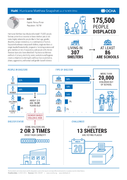
Hurricane Matthew has displaced around 175,500 people. Serious protection concerns in these shelters put at risk some highly vulnerable people due to their age, gender, disability, sexual orientation, or a combination of factors. Separated and unacc
...
ompanied children, single mothers or single-headed households, pregnant or lactating women and girls, families at risk of separation, and people with chronic illnesses have also been identified. Psychosocial distress and lack of privacy, electricity, water, sanitation and hygiene create a situation in which girls and boys face exploitation, abuse, aggression, and sexual and gender based violence.
more
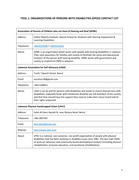
This resource is a product of a partnership project between the Women’s Refugee Commission (WRC) and UNICEF Lebanon entitled “Strengthening Child Protection and Gender-based Violence Prevention and Response for Women, Children, and Youth with Di
...
sabilities." The overall goal of the project is to improve violence prevention and response programming for at-risk groups of women, girls, and boys with disabilities. It builds on existing initiatives of gender-based violence (GBV) and child protection (CP) actors to systematically advance disability inclusion across the CP and GBV prevention and response sectors in Lebanon.
Download the full Toolkit directly from the website link.
more
Inclusive Project Cycle Management - The Participants’ Folder contains the course outline, some handouts, a list of online references and a glossary of gender terms. Additional handouts will be provided to add to the folder, during the course.

The Republic of the Union of Myanmar is at a historic moment, with a new civilian government assuming power in 2016. The country graduated to lower-middle-income status in 2015, and has made significant progress in reducing poverty, improving food security and addressing malnutrition.
The remai ... ning challenges to food and nutrition security and achievement of Sustainable Development Goal 2 targets include continued population displacements resulting from conflict, vulnerability to extreme weather events, poverty, limited social protection coverage, high malnutrition and persistent gender inequalities. more
The remai ... ning challenges to food and nutrition security and achievement of Sustainable Development Goal 2 targets include continued population displacements resulting from conflict, vulnerability to extreme weather events, poverty, limited social protection coverage, high malnutrition and persistent gender inequalities. more

In April 2018, Refugees International (RI) conducted a mission to Bangladesh, to research the GBV (gender-based violence) response for Rohingya women and girls. RI found that the entire humanitarian system is struggling under tremendous constraints
...
in Bangladesh, and protection and health actors do deliver lifesaving services to survivors in an incredibly challenging environment. This report, however, focuses on key gaps and challenges in GBV programming, as communicated by practitioners deployed to Bangladesh at various stages of the emergency, by local organizations, and by the affected women and girls themselves.
In the analyses and recommendations provided in this report, RI draws in part from the framework of the international initiative to safeguard women and girls in emergencies — the Call to Action on Protection from Gender-Based Violence in Emergencies — and urges the donors and humanitarian organizations that are Call to Action partners to implement it more effectively and with urgency during this emergency. more
In the analyses and recommendations provided in this report, RI draws in part from the framework of the international initiative to safeguard women and girls in emergencies — the Call to Action on Protection from Gender-Based Violence in Emergencies — and urges the donors and humanitarian organizations that are Call to Action partners to implement it more effectively and with urgency during this emergency. more

The publication aims to establish the rationale for inclusion and provides technical advice and tools for putting theory into practice. It is intended to be used as a reference during organizational and program/project development with a focus on gender
...
responsiveness and disability inclusion as well as a tool to support good practice in implementation.
This first part guides the reader through the process of assessing whether or not the organization is ready to change towards becoming a more inclusive organization. The second part introduces the ACAP framework, which sets up a way of approaching inclusion via focus on the areas: Access, Communication, Attitude and Participation. It then demonstrates how the framework can be applied to projects and programmes. The third part provides guidelines for the people who will guide organizations through the process of change towards becoming inclusive of persons from marginalized groups. more
This first part guides the reader through the process of assessing whether or not the organization is ready to change towards becoming a more inclusive organization. The second part introduces the ACAP framework, which sets up a way of approaching inclusion via focus on the areas: Access, Communication, Attitude and Participation. It then demonstrates how the framework can be applied to projects and programmes. The third part provides guidelines for the people who will guide organizations through the process of change towards becoming inclusive of persons from marginalized groups. more
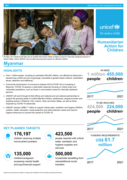
Over 1 million people, including an estimated 450,000 children, are affected by Myanmar’s decade-long conflict and are increasingly vulnerable to gender-based violence, exploitation, abuse, detention and trafficking.
Community transmission of c
...
oronavirus disease 2019 (COVID-19) is increasing in Myanmar. COVID-19 requires a nationwide response focusing on critical urban and vulnerable populations, such as those in overcrowded camps for internally displaced persons.
more

The Joint Response Plan sets out a comprehensive programme shaped around three strategic objectives – deliver protection, provide life-saving assistance and foster social cohesion. The Plan covers all humanitarian sectors and addresses key cross-cutting issues, including protection and
...
gender mainstreaming. The Plan will also strengthen emergency preparedness and response for weather-related risks and natural disasters, with a focus on community
engagement.
more
