
Filter
3293
Text search:
age
structure
Featured
294
961
Language
3124
163
52
34
30
17
14
7
5
3
2
2
2
2
2
2
2
2
2
2
1
1
1
1
1
1
1
1
1
1
1
1
1
1
1
1
1
1
1
1
1
1
1
1
1
1
1
1
1
1
Document type
1918
507
393
220
120
77
23
19
5
5
2
1
Countries
142
142
100
81
81
78
71
71
66
64
61
59
59
56
55
52
45
43
42
41
38
34
33
32
29
29
26
25
25
22
21
20
18
18
17
16
16
15
14
14
12
11
11
11
10
10
9
9
8
8
7
7
7
6
6
6
6
6
6
5
5
5
5
5
5
5
5
4
4
4
4
4
3
3
3
3
3
3
3
3
3
2
2
2
2
2
2
2
2
2
2
2
1
1
1
1
1
1
1
1
1
1
1
1
1
1
1
1
1
1
1
1
1
1
1
1
1
1
1
1
1
1
Authors & Publishers
401
109
90
82
71
68
51
49
47
29
22
20
19
18
18
18
17
17
16
15
14
14
14
14
13
13
13
13
12
12
11
11
10
10
10
10
9
9
9
9
8
8
8
8
8
8
8
7
7
7
7
7
7
7
7
6
6
6
6
6
6
6
6
6
6
6
6
6
6
6
6
6
5
5
5
5
5
5
5
5
5
5
5
5
5
5
5
5
4
4
4
4
4
4
4
4
4
4
4
4
4
4
4
4
4
4
4
4
4
4
4
4
4
4
4
4
4
4
4
4
4
4
4
4
4
4
4
4
4
4
4
3
3
3
3
3
3
3
3
3
3
3
3
3
3
3
3
3
3
3
3
3
3
3
3
3
3
3
3
3
3
3
3
3
3
3
3
3
3
3
3
3
3
3
3
3
3
3
3
3
3
3
3
3
3
3
3
3
3
3
3
3
3
3
3
3
3
3
2
2
2
2
2
2
2
2
2
2
2
2
2
2
2
2
2
2
2
2
2
2
2
2
2
2
2
2
2
2
2
2
2
2
2
2
2
2
2
2
2
2
2
2
2
2
2
2
2
2
2
2
2
2
2
2
2
2
2
2
2
2
2
2
2
2
2
2
2
2
2
2
2
2
2
2
2
2
2
2
2
2
2
2
2
2
2
2
2
2
2
2
2
2
2
2
2
2
2
2
2
2
2
2
2
2
2
2
2
2
2
2
2
2
2
2
2
2
2
2
2
2
2
2
2
2
2
2
2
2
2
2
2
2
2
2
2
2
2
2
2
2
2
2
2
2
2
2
2
2
2
2
2
2
2
2
2
2
2
2
2
2
2
2
2
2
2
2
2
2
2
2
2
2
2
2
2
2
2
2
2
2
2
2
2
2
2
2
2
2
2
2
2
2
2
2
2
1
1
1
1
1
1
1
1
1
1
1
1
1
1
1
1
1
1
1
1
1
1
1
1
1
1
1
1
1
1
1
1
1
1
1
1
1
1
1
1
1
1
1
1
1
1
1
1
1
1
1
1
1
1
1
1
1
1
1
1
1
1
1
1
1
1
1
1
1
1
1
1
1
1
1
1
1
1
1
1
1
1
1
1
1
1
1
1
1
1
1
1
1
1
1
1
1
1
1
1
1
1
1
1
1
1
1
1
1
1
1
1
1
1
1
1
1
1
1
1
1
1
1
1
1
1
1
1
1
1
1
1
1
1
1
1
1
1
1
1
1
1
1
1
1
1
1
1
1
1
1
1
1
1
1
1
1
1
1
1
1
1
1
1
1
1
1
1
1
1
1
1
1
1
1
1
1
1
1
1
1
1
1
1
1
1
1
1
1
1
1
1
1
1
1
1
1
1
1
1
1
1
1
1
1
1
1
1
1
1
1
1
1
1
1
1
1
1
1
1
1
1
1
1
1
1
1
1
1
1
1
1
1
1
1
1
1
1
1
1
1
1
1
1
1
1
1
1
1
1
1
1
1
1
1
1
1
1
1
1
1
1
1
1
1
1
1
1
1
1
1
1
1
1
1
1
1
1
1
1
1
1
1
1
1
1
1
1
1
1
1
1
1
1
1
1
1
1
1
1
1
1
1
1
1
1
1
1
1
1
1
1
1
1
1
1
1
1
1
1
1
1
1
1
1
1
1
1
1
1
1
1
1
1
1
1
1
1
1
1
1
1
1
1
1
1
1
1
1
1
1
1
1
1
1
1
1
1
1
1
1
1
1
1
1
1
1
1
1
1
1
1
1
1
1
1
1
1
1
1
1
1
1
1
1
1
1
1
1
1
1
1
1
1
1
1
1
1
1
1
1
1
1
1
1
1
1
1
1
1
1
1
1
1
1
1
1
1
1
1
1
1
1
1
1
1
1
1
1
1
1
1
1
1
1
1
1
1
1
1
1
1
1
1
1
1
1
1
1
1
1
1
1
1
1
1
1
1
1
1
1
1
1
1
1
1
1
1
1
1
1
1
1
1
1
1
1
1
1
1
1
1
1
1
1
1
1
1
1
1
1
1
1
1
1
1
1
1
1
1
1
1
1
1
1
1
1
1
1
1
1
1
1
1
1
1
1
1
1
1
1
1
1
1
1
1
1
1
1
1
1
1
1
1
1
1
1
1
1
1
1
1
1
1
1
1
1
1
1
1
1
1
1
1
1
1
1
1
1
1
1
1
1
1
1
1
1
1
1
1
1
1
1
1
1
1
1
1
1
1
1
1
1
1
1
1
1
1
1
1
1
1
1
1
1
1
1
1
1
1
1
1
1
1
1
1
1
1
1
1
1
1
1
1
1
1
1
1
1
1
1
1
1
1
1
1
1
1
1
1
1
1
1
1
1
1
1
1
1
1
1
1
1
1
1
1
1
1
1
1
1
1
1
1
1
1
1
1
1
1
1
1
1
1
1
1
1
1
1
1
1
1
1
1
1
1
1
1
1
1
1
1
1
1
1
1
1
1
1
1
1
1
1
1
1
1
1
1
1
1
1
1
1
1
1
1
1
1
1
1
1
1
1
1
1
1
1
1
1
1
1
1
1
1
1
1
1
1
1
1
1
1
1
1
1
1
1
1
1
1
1
1
1
1
1
1
1
1
1
1
1
1
1
1
1
1
1
1
1
1
1
1
1
1
1
1
1
1
1
1
1
1
1
1
1
1
1
1
1
1
1
1
1
1
1
1
1
1
1
1
1
1
1
1
1
1
1
1
1
1
1
1
1
1
1
1
1
1
1
1
1
1
1
1
1
1
1
1
1
1
1
1
1
1
1
1
1
1
1
1
1
1
1
1
1
1
1
1
1
1
1
1
1
1
1
1
1
1
1
1
1
1
1
1
1
1
1
1
1
1
1
1
1
1
1
1
1
1
1
1
1
1
1
1
1
1
1
1
1
1
1
1
1
1
1
1
1
1
1
1
1
1
1
1
1
1
1
1
1
1
1
1
1
1
1
1
1
1
1
1
1
1
1
1
1
1
1
1
1
1
1
1
1
1
1
1
1
1
1
1
1
1
1
1
1
1
1
1
1
1
1
1
1
1
1
1
1
1
1
1
1
1
1
1
1
1
1
1
1
1
1
1
1
1
1
1
1
1
1
1
1
1
1
1
1
1
1
1
1
1
1
1
1
1
1
1
1
1
1
1
1
1
1
1
1
1
1
1
1
1
1
1
1
1
1
1
1
1
1
1
1
1
1
1
1
1
1
1
1
1
1
1
1
1
1
1
1
1
1
1
1
1
1
1
1
1
1
1
1
1
1
1
1
1
1
1
1
1
1
1
1
1
1
1
1
1
1
1
1
1
1
1
1
1
1
1
1
1
1
1
1
1
1
1
1
1
1
1
1
1
1
1
1
1
1
1
1
1
1
1
1
1
1
1
1
1
1
1
1
1
1
1
1
1
1
1
1
1
1
1
1
1
1
1
1
1
1
1
1
1
1
1
1
1
1
1
1
1
1
1
1
1
1
1
1
1
1
1
1
1
1
1
1
1
1
1
1
1
1
1
1
1
1
1
1
1
1
1
1
1
1
1
1
1
1
1
1
1
1
1
1
1
1
1
1
1
1
1
1
1
1
1
1
1
1
1
1
1
1
1
1
1
1
1
1
1
1
1
1
1
1
1
1
1
1
1
1
1
1
1
1
1
1
1
1
1
1
1
1
1
1
1
1
1
1
1
1
1
1
1
1
1
1
1
1
1
1
1
1
1
1
1
1
1
1
1
1
1
1
1
1
1
1
1
1
1
1
1
1
1
1
1
1
1
1
1
1
1
1
1
1
1
1
1
1
1
1
1
1
1
1
1
1
1
1
1
1
1
1
1
1
1
1
1
1
1
1
1
1
1
1
1
1
1
1
1
1
1
1
1
1
1
1
1
1
1
1
1
1
1
1
1
1
1
1
1
1
1
1
1
1
1
1
1
1
1
1
1
1
1
1
1
1
1
1
1
1
1
1
1
1
1
1
1
1
1
1
1
1
1
1
1
1
1
1
1
1
1
1
1
1
1
1
1
1
1
1
1
1
1
1
1
1
1
1
1
1
1
1
1
1
1
1
1
1
1
1
1
1
1
1
1
1
1
1
1
1
1
1
1
1
1
1
1
1
1
1
1
1
1
1
1
1
1
1
1
1
1
1
1
1
1
1
1
1
1
1
1
1
1
1
1
1
1
1
1
1
1
1
1
1
1
1
1
1
1
1
1
1
1
1
1
1
1
1
1
1
1
1
1
1
1
1
1
1
1
1
1
1
1
1
1
1
1
1
1
1
1
1
1
1
1
1
1
1
1
1
1
1
1
1
1
1
1
1
1
1
1
1
1
1
1
1
1
1
1
1
1
1
1
1
1
1
1
1
1
1
1
1
1
1
1
1
1
1
1
1
1
1
1
1
1
1
1
1
1
1
1
1
1
1
1
1
1
1
1
1
1
1
1
1
1
1
1
1
1
1
1
1
1
1
1
1
1
1
1
1
1
1
1
1
1
1
1
1
1
1
1
1
1
1
1
1
1
1
1
1
1
1
1
1
1
1
1
1
1
1
1
1
1
1
1
1
1
1
1
1
1
1
1
1
1
1
1
1
1
1
1
1
1
1
1
1
1
1
1
1
1
1
1
1
1
1
1
1
1
1
1
1
1
1
1
1
1
1
1
1
1
1
1
1
1
1
1
1
1
1
1
1
1
1
1
1
1
1
1
1
1
1
1
1
1
1
1
1
1
1
1
1
1
1
1
1
1
1
1
1
1
1
1
1
1
1
1
1
1
1
1
1
1
1
1
1
1
1
1
1
1
1
1
1
1
1
1
1
1
1
1
1
1
1
1
1
1
1
1
1
1
1
1
1
1
1
1
1
1
1
1
1
1
1
1
1
1
1
1
1
1
1
1
1
1
1
1
1
1
1
1
1
1
1
1
1
1
1
1
1
1
1
1
1
1
1
1
1
1
1
1
1
1
1
1
1
1
1
1
1
1
1
1
1
1
1
1
1
1
1
1
1
1
1
1
1
1
1
1
1
1
1
1
1
1
1
1
1
1
1
1
1
1
1
1
1
1
1
1
1
1
1
1
1
1
1
1
1
1
1
1
1
1
1
1
1
1
1
1
1
1
1
1
1
1
1
1
1
1
1
1
1
1
1
1
1
1
1
1
1
1
1
1
1
1
1
1
1
1
1
1
1
1
1
1
1
1
1
1
1
1
1
1
1
1
1
1
1
1
1
1
1
1
1
1
1
1
1
1
1
1
1
1
1
1
1
1
1
1
1
1
1
1
1
1
1
1
1
1
1
1
1
1
1
1
1
1
1
1
1
1
1
1
1
1
1
1
1
1
1
1
1
1
1
1
1
1
1
1
1
1
1
1
1
1
1
1
1
1
1
1
1
1
1
1
1
1
1
1
1
1
1
1
1
1
1
1
1
1
1
1
1
1
1
1
1
1
1
1
1
1
1
1
1
1
1
1
1
1
1
1
1
1
1
1
1
1
1
1
1
1
1
1
1
1
1
1
1
1
1
1
1
1
1
1
1
1
1
1
1
1
1
1
1
1
1
1
1
1
1
1
1
1
1
1
1
1
1
1
1
1
1
1
1
1
1
1
1
1
1
1
1
1
1
1
1
1
1
1
1
1
1
1
1
1
1
1
1
1
1
1
1
1
1
1
1
1
1
1
1
1
1
1
1
1
1
1
1
1
1
1
1
1
1
1
1
1
1
1
1
1
1
1
1
1
1
1
1
1
1
1
1
1
1
1
1
1
1
1
1
1
1
1
1
1
1
1
1
1
1
1
1
1
1
1
1
1
1
1
1
1
1
1
1
1
1
1
1
1
1
1
1
1
1
1
1
1
1
1
1
1
1
1
1
1
1
1
1
1
1
1
1
1
1
1
1
1
1
1
1
1
1
1
1
1
1
1
1
1
1
1
1
1
1
1
1
1
1
1
1
1
1
1
1
1
1
1
1
1
1
1
1
1
1
1
1
1
1
1
1
1
1
1
1
1
1
1
1
1
1
1
1
1
1
1
1
1
1
1
1
1
1
1
1
1
1
1
1
1
1
1
1
1
1
1
1
1
1
1
1
1
1
1
1
1
1
1
1
1
1
1
1
1
1
1
1
1
1
1
1
1
1
1
1
1
1
1
1
1
1
1
1
1
1
1
1
1
1
1
1
1
1
1
1
1
1
1
1
1
1
1
1
1
1
1
1
1
1
1
1
1
1
1
1
1
1
1
1
1
1
1
1
1
1
1
1
1
1
1
1
1
1
1
1
1
1
1
1
1
1
1
1
1
1
1
1
1
1
1
1
1
1
1
1
1
1
1
1
1
1
1
1
1
1
1
1
1
1
1
1
1
1
1
1
1
1
1
1
1
1
1
1
1
1
1
1
1
1
1
1
1
1
1
1
1
1
1
1
1
1
1
1
1
1
1
1
1
1
1
1
1
1
1
1
1
1
1
1
1
1
1
1
1
Publication Years
1
798
2110
358
21
4
1
Category
1440
223
203
199
164
80
26
Toolboxes
323
196
165
118
109
86
86
84
83
79
64
63
57
55
51
50
43
42
38
30
28
24
17
17
14

(Health Systems in Transition, Vol. 4, No. 3, 2014)
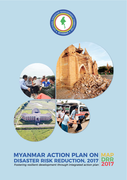
Fostering resilient development through integrated action plan
The Myanmar Action Plan on Disaster Risk Reduction, 2017 is a comprehensive and unified action plan for disaster risk reduction with prioritized interventions across Myanmar till 2020. With a long term vision and considering deep-root ... ed underlying drivers of disaster risk, it has set an overall target for 2030. it aims to provide a base for mobilizing and leveraging, primarily, national and external resources and will provide a basis for result printed outcomes.
The action plan identifies 32 priority actions under four pillars: risk information and awareness; risk governance; risk mitigation; and preparedness and response, rehabilitation and reconstruction. For each priority action, objectives, activities, outputs, duration, lead agencies, and supporting partners have been identified. more
The Myanmar Action Plan on Disaster Risk Reduction, 2017 is a comprehensive and unified action plan for disaster risk reduction with prioritized interventions across Myanmar till 2020. With a long term vision and considering deep-root ... ed underlying drivers of disaster risk, it has set an overall target for 2030. it aims to provide a base for mobilizing and leveraging, primarily, national and external resources and will provide a basis for result printed outcomes.
The action plan identifies 32 priority actions under four pillars: risk information and awareness; risk governance; risk mitigation; and preparedness and response, rehabilitation and reconstruction. For each priority action, objectives, activities, outputs, duration, lead agencies, and supporting partners have been identified. more

The ERP approach seeks to improve effectiveness by reducing both time and effort, enhancing predictability through establishing predefined roles, responsibilities and coordination mechanisms. The Emergency Response Preparedness Plan (ERPP) has four main components: i) Risk Assessment, ii) Minimum Pr
...
eparedness Actions, iii) Standard Operating Procedures (SOP), and iv) Contingency Plans for the initial emergency response. Besides these four elements, the preparedness package also includes the updated Multi-Sector Initial Rapid Assessment (MIRA) methodology, the Scenario Plan for a cyclone in Ayeyawaddy as well as the key documents for cash transfer programming in new emergencies.
more
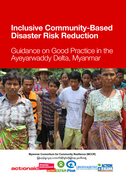
This publication presents guidance on good practice from the Ayeyarwaddy Delta in Myanmar, outlining the key factors which contributed to the successful implementation and outcome of a range of community-based Disaster Risk Reduction initiatives implemented by the Myanmar Consortium for Community Re
...
silience (MCCR).
The content was developed over a period of two months between November-December 2015, involving a desk review of MCCR project documents including impact studies, monitoring reports and newsletters. Field visits were undertaken to the Ayeyarwaddy Delta to document the perspectives of key stakeholders at community level, including a total of 93 adults (men and women) and 57 children (girls and boys) from eight communities targeted under the DIPECHO IX project. more
The content was developed over a period of two months between November-December 2015, involving a desk review of MCCR project documents including impact studies, monitoring reports and newsletters. Field visits were undertaken to the Ayeyarwaddy Delta to document the perspectives of key stakeholders at community level, including a total of 93 adults (men and women) and 57 children (girls and boys) from eight communities targeted under the DIPECHO IX project. more

The CBDRR Manual is a practical ‘how-to’ guide on community-based disaster risk reduction for government and non-government agencies in Lao PDR. It is a commonly agreed document to be referred to by agencies working on CBDRR in Lao PDR. It provides guidance and support for systematic implementat
...
ion of CBDRR programs by explaining each of the steps as well as tools used.
The manual will also support the Government of Lao PDR (GoL) to monitor CBDRR activities, oversee progress of activities implemented by different actors and locations, provide necessary support on CBDRR technical knowledge as well as provide a reference point for replication of initiatives for local government and implementing agencies. more
The manual will also support the Government of Lao PDR (GoL) to monitor CBDRR activities, oversee progress of activities implemented by different actors and locations, provide necessary support on CBDRR technical knowledge as well as provide a reference point for replication of initiatives for local government and implementing agencies. more

The publication aims to establish the rationale for inclusion and provides technical advice and tools for putting theory into practice. It is intended to be used as a reference during organizational and program/project development with a focus on gender responsiveness and disability inclusion as wel
...
l as a tool to support good practice in implementation.
This first part guides the reader through the process of assessing whether or not the organization is ready to change towards becoming a more inclusive organization. The second part introduces the ACAP framework, which sets up a way of approaching inclusion via focus on the areas: Access, Communication, Attitude and Participation. It then demonstrates how the framework can be applied to projects and programmes. The third part provides guidelines for the people who will guide organizations through the process of change towards becoming inclusive of persons from marginalized groups. more
This first part guides the reader through the process of assessing whether or not the organization is ready to change towards becoming a more inclusive organization. The second part introduces the ACAP framework, which sets up a way of approaching inclusion via focus on the areas: Access, Communication, Attitude and Participation. It then demonstrates how the framework can be applied to projects and programmes. The third part provides guidelines for the people who will guide organizations through the process of change towards becoming inclusive of persons from marginalized groups. more

The purpose of this ‘Facilitator Guidebook’ is to help the Course Coordinator deliver and document consistently high-quality CBDRR training courses.
- Module 1: Understanding the Basics: introduces the participants to the basics of CBDRR implementation of MRCS, general aspects of CBDRR in ... the context of Myanmar.
- Module 2: Implementing the Program: introduces the participants to the 9 CBDRR steps that are followed by MRCS when implementing community- and school-based programs and key points.
- Module 3: Ensuring Sustainability: introduces the participants to two aspects that are often forgotten when it comes to program implementation.
- Module 4: Being a Facilitator:introduces the participants to facilitation skills and some exercises are carried out that willhelp the participants to be a facilitator of the course themselves in the end. more
- Module 1: Understanding the Basics: introduces the participants to the basics of CBDRR implementation of MRCS, general aspects of CBDRR in ... the context of Myanmar.
- Module 2: Implementing the Program: introduces the participants to the 9 CBDRR steps that are followed by MRCS when implementing community- and school-based programs and key points.
- Module 3: Ensuring Sustainability: introduces the participants to two aspects that are often forgotten when it comes to program implementation.
- Module 4: Being a Facilitator:introduces the participants to facilitation skills and some exercises are carried out that willhelp the participants to be a facilitator of the course themselves in the end. more

Overview:
- Part A is an introductory part which will give you background information about CBDRR in Myanmar. It has a small section about the importance of CBDRR in Myanmar, the stakeholders of CBDRR in Myanmar, as well as an overview about the challenges that are faced when implementing CBDRR ... in Myanmar.
- Part B contains the instructions on how to conduct the 9-step process agreed upon and described in detail in the step-by-step methodology document. These nine (9) steps are considered the minimum required activities to be followed by all MRCS community based initiatives regardless of their budget or time frame.
- Part C includes all the implementation steps of CBDRR programs namely step 6 (Action Plan Development), and step 7 (Implementation of Action Plan).
- Part D includes all the steps that finalize a CBDRR program namely step 4 and step 8 (Baseline and Endline Study) as well as step 9 (Handover & Exit Strategy). more
- Part A is an introductory part which will give you background information about CBDRR in Myanmar. It has a small section about the importance of CBDRR in Myanmar, the stakeholders of CBDRR in Myanmar, as well as an overview about the challenges that are faced when implementing CBDRR ... in Myanmar.
- Part B contains the instructions on how to conduct the 9-step process agreed upon and described in detail in the step-by-step methodology document. These nine (9) steps are considered the minimum required activities to be followed by all MRCS community based initiatives regardless of their budget or time frame.
- Part C includes all the implementation steps of CBDRR programs namely step 6 (Action Plan Development), and step 7 (Implementation of Action Plan).
- Part D includes all the steps that finalize a CBDRR program namely step 4 and step 8 (Baseline and Endline Study) as well as step 9 (Handover & Exit Strategy). more

The CBDRR Step-by-Step Methodology aims to guide the effective implementation of new community-based as well as school-based interventions implemented by MRCS as well as other DRR actors in Myanmar identifying key steps that need to be followed under each program as well as minimum activities for ea
...
ch of the steps.
more

Guideline on Inclusive Disaster Risk Reduction: Early Warning and Accessible Broadcasting
Dion, Betty; Qureshi, Aqeel
Global Alliance on Accessible Technologies and Environments (GAATES), Asia Pacific Broadcasting Union, Asia Disaster Preparedness Center
(2014)
C1
- Build community resilience to coastal hazards by improving capacity of inclusive disaster management systems.
- Reduce the mortality rate of persons with disabilities in situations of risk.
- Raise awareness about inclusive policies, practices and disaster risk reduction strategies that address
...
the accessibility of communication, shelter, transportation and early warning systems.
- Foster collaboration between disaster preparedness organizations, broadcasters and organizations of persons with disabilities to mainstreaming disability issues in disaster risk reduction strategies.
- Build the capacity of disaster management organizations, governments, broadcasters and built environment practitioners by providing technical specifications on accessible communications and the design of accessible shelters and the built environment.
more

The scope of the Guidance is primarily the education in rural settings in Myanmar, but it covers some of the issues which have pan Myanmar implication and relevance. Considering the importance, complexity and vastness of the subject, similar type of initiatives on urban school and education system a
...
nd other issues needs to be taken up in future.
The Guidance has four sections namely Introduction to this Guidance, Rationale for Mainstreaming DRR in the Education Sector, How to Mainstream Disaster Risk Reduction in Reconstruction Process of Education Sector in Myanmar and Creating an Enabling Environment for Safer Education. The Guidance also includes good practices of various agencies involved in Cyclone Nargis education sector recovery as example.
No publication year indicated. more
The Guidance has four sections namely Introduction to this Guidance, Rationale for Mainstreaming DRR in the Education Sector, How to Mainstream Disaster Risk Reduction in Reconstruction Process of Education Sector in Myanmar and Creating an Enabling Environment for Safer Education. The Guidance also includes good practices of various agencies involved in Cyclone Nargis education sector recovery as example.
No publication year indicated. more

Research results of sexual and gender-based violence (SGBV) prevention and response before, during and after disasters in Indonesia, Lao PDR and the Philippines
This report contributes new evidence on why and how sexual and gender-based violence (SGBV) risks increase during humanitarian disasters ... . It details how humanitarian actors can better prevent and respond to such escalation of SGBV, and better meet the needs of affected women, girls, men and boys. This research is based on community views of disaster-affected women, adolescent girls, men and adolescent boys in three South-East Asian countries: Indonesia, Lao PDR and the Philippines. more
This report contributes new evidence on why and how sexual and gender-based violence (SGBV) risks increase during humanitarian disasters ... . It details how humanitarian actors can better prevent and respond to such escalation of SGBV, and better meet the needs of affected women, girls, men and boys. This research is based on community views of disaster-affected women, adolescent girls, men and adolescent boys in three South-East Asian countries: Indonesia, Lao PDR and the Philippines. more
The “Case Study: CDI2WASH Program” depicts the benefits and lessons learnt by the beneficiaries and change agents in CDI2WASH program during the last 4 years. The document has contained the success of the project and accumulated learning have been documented in the publication. It upholds the ac
...
hievement of the process and will remain as the supportive document help while taking any types of WASH development interventions by any stakeholders.
No publication year indicated. more
No publication year indicated. more

The Look Back Study (LBS) focuses on the water and sanitation and hygiene (WASH) component of the project but some additional information was collected along side the WASH data. This data has been compared to the baseline survey data that was reported at start of the project (see tables in annex D t
...
o this report).
more

This assessment is the first of its kind to be conducted in the south-eastern region of Myanmar. It is an important contribution to ensuring the full inclusion of women and children in Myanmar’s political, social, and cultural systems, with a specific focus on the issue of gender-based violence (G
...
BV) and its impact on these groups in south-eastern Myanmar. The United Nations Population Fund (UNFPA) is grateful for the participation of women, men, boys and girls from Mon, Kayin and Kayah States for sharing their views and experiences during the study.
more

The USAID | DELIVER PROJECT, Task Order 4, developed this guide for quantifying health commodities; it will assist technical advisors, program managers, warehouse managers, procurement officers, and service providers in (1) estimating the total commodity needs and costs for successful implementation
...
of national health program strategies and goals, (2) identifying the funding needs and gaps for procuring the required commodities, and (3) planning procurements and shipment delivery schedules to ensure a sustained and effective supply of health commodities.
The step-by-step approach to quantification presented in this guide is complemented by a set of product-specific companion pieces that include detailed instructions for forecasting consumption of antiretroviral drugs, HIV test kits, antimalarial drugs, and laboratory supplies.
more

The National Strategic Plan is based on the following guiding principles:
1) Life-course approach: adolescence is a key decade in the course of life that influences the health outcomes later in life.
2) Comprehensive approach: It recognizes the cross cutting health and development needs o ... f young people such as intentional and unintentional injuries and violence, SRH, HIV/AIDS, mental health, substance use, violence, substance use and substance use disorders, infectious diseases and common conditions.
3) Equity and rights-based approach: focusing on equitable access to services to all adolescents including vulnerable groups and the recognizing the need to move from aspirations to obligations in fulflling young people rights for the highest attainable standard of health.
4) Multisectoral approach: recognizing cognizant of the fact that holistic development of young people requires multisectoral approach involving education, social welfare. more
1) Life-course approach: adolescence is a key decade in the course of life that influences the health outcomes later in life.
2) Comprehensive approach: It recognizes the cross cutting health and development needs o ... f young people such as intentional and unintentional injuries and violence, SRH, HIV/AIDS, mental health, substance use, violence, substance use and substance use disorders, infectious diseases and common conditions.
3) Equity and rights-based approach: focusing on equitable access to services to all adolescents including vulnerable groups and the recognizing the need to move from aspirations to obligations in fulflling young people rights for the highest attainable standard of health.
4) Multisectoral approach: recognizing cognizant of the fact that holistic development of young people requires multisectoral approach involving education, social welfare. more
March - June 2018
Myanmar introduced Child Death Surveillance and Response (CDSR) in 2015 as an initiative to reduce child (under-5) mortality, an initiative that will contribute to the country’s efforts to meet the Sustainable Development Goals (SDG). Technical Guidelines for CDSR were devel ... oped in 2015 followed by the development of Training Package in 2016. An Implementation Plan was made in 2016; and this led to all townships implementing CDSR in early 2017. After one year of implementation an assessment was carried out in early 2018.
The assessment was conducted in 3 region/states – Ayeyarwaddy, Magway, Shan South, with information gathered from the state/region, district, township and basic health unit levels. In addition a caretaker interview was conducted to see health-seeking behavior. In addition to these three regions/states, information was also gathered from three other regions/states but only at the region/state level – Mandalay, Yangon, Kachin. more
Myanmar introduced Child Death Surveillance and Response (CDSR) in 2015 as an initiative to reduce child (under-5) mortality, an initiative that will contribute to the country’s efforts to meet the Sustainable Development Goals (SDG). Technical Guidelines for CDSR were devel ... oped in 2015 followed by the development of Training Package in 2016. An Implementation Plan was made in 2016; and this led to all townships implementing CDSR in early 2017. After one year of implementation an assessment was carried out in early 2018.
The assessment was conducted in 3 region/states – Ayeyarwaddy, Magway, Shan South, with information gathered from the state/region, district, township and basic health unit levels. In addition a caretaker interview was conducted to see health-seeking behavior. In addition to these three regions/states, information was also gathered from three other regions/states but only at the region/state level – Mandalay, Yangon, Kachin. more
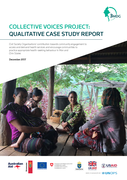
Civil Society Organisations’ contribution towards community engagement to access and demand health services and encourage communities to practice appropriate health-seeking behaviour in Mon and Chin States
The following report is a study of 14 villages under the Collective Voices project (Nov ... ember 2015-December 2017) in the states of Mon and Chin. The objectives of the study were:
(1) to explore Village Health Committee (VHC) members, Basic Health Staff (BHS), and community members’ perceptions on community engagement in seeking and demanding health care and
(2) to describe health-seeking behaviours relating to Maternal, Newborn, and Child Health and hygiene practices among target beneficiaries. more
The following report is a study of 14 villages under the Collective Voices project (Nov ... ember 2015-December 2017) in the states of Mon and Chin. The objectives of the study were:
(1) to explore Village Health Committee (VHC) members, Basic Health Staff (BHS), and community members’ perceptions on community engagement in seeking and demanding health care and
(2) to describe health-seeking behaviours relating to Maternal, Newborn, and Child Health and hygiene practices among target beneficiaries. more

The vision of the new Strategic Action Plan for Strengthening HIS in Myanmar 2017- 2021 is “A strong health information system for a strong health system”. The mission statement of HIS in Myanmar also developed during the strategic planning exercise is “Generating and making accessible compreh
...
ensive, integrated and timely health information for decision making at different levels of health system”. The goal of the HIS in Myanmar formulated during the assessment is “ To provide complete, valid, reliable and timely health information for making right decisions at the right time to ensure an equitable, effective, efficient and responsive health system”.
more
