
Filter
2431
Text search:
child
survival
Featured
213
789
Language
2322
66
45
29
27
18
11
9
6
4
3
3
3
2
2
2
2
2
1
1
1
1
1
1
1
1
1
1
1
1
1
1
1
1
1
1
1
Document type
1597
359
230
90
58
45
31
11
6
2
1
Countries / Regions
154
85
83
72
67
64
63
63
54
54
54
54
49
47
45
42
42
39
31
27
25
25
23
21
21
21
20
19
18
18
13
13
12
12
12
12
10
10
10
9
9
9
9
9
8
8
8
7
7
6
6
6
5
5
5
5
5
4
4
4
4
4
4
4
4
3
3
3
3
3
2
2
2
2
2
2
2
2
2
2
2
2
2
2
2
1
1
1
1
1
1
1
1
1
1
1
1
1
1
1
1
1
1
1
1
1
1
1
Authors & Publishers
184
114
111
95
49
39
37
33
32
31
28
26
25
23
23
19
18
16
16
15
14
14
13
12
11
11
10
10
10
9
9
9
9
9
9
9
8
7
7
7
7
7
7
6
6
6
6
6
6
6
6
6
6
5
5
5
5
5
5
5
5
5
5
5
5
5
5
5
5
5
4
4
4
4
4
4
4
4
4
4
4
4
4
4
4
4
4
4
4
4
4
4
4
4
4
4
4
4
3
3
3
3
3
3
3
3
3
3
3
3
3
3
3
3
3
3
3
3
3
3
3
3
3
3
3
3
3
3
3
3
3
3
3
3
3
3
3
3
3
3
3
3
3
3
3
3
3
3
3
3
3
3
3
3
3
3
3
3
3
3
3
3
3
3
3
3
3
3
3
3
3
3
3
3
2
2
2
2
2
2
2
2
2
2
2
2
2
2
2
2
2
2
2
2
2
2
2
2
2
2
2
2
2
2
2
2
2
2
2
2
2
2
2
2
2
2
2
2
2
2
2
2
2
2
2
2
2
2
2
2
2
2
2
2
2
2
2
2
2
2
2
2
2
2
2
2
2
2
2
2
2
2
2
2
2
2
2
2
2
2
2
2
2
2
2
2
2
2
2
2
2
2
2
2
2
2
2
2
2
2
2
2
2
2
2
2
2
2
2
2
2
2
2
2
2
2
2
2
2
2
2
2
2
2
2
2
2
2
2
2
2
2
2
2
2
2
2
2
2
2
2
2
1
1
1
1
1
1
1
1
1
1
1
1
1
1
1
1
1
1
1
1
1
1
1
1
1
1
1
1
1
1
1
1
1
1
1
1
1
1
1
1
1
1
1
1
1
1
1
1
1
1
1
1
1
1
1
1
1
1
1
1
1
1
1
1
1
1
1
1
1
1
1
1
1
1
1
1
1
1
1
1
1
1
1
1
1
1
1
1
1
1
1
1
1
1
1
1
1
1
1
1
1
1
1
1
1
1
1
1
1
1
1
1
1
1
1
1
1
1
1
1
1
1
1
1
1
1
1
1
1
1
1
1
1
1
1
1
1
1
1
1
1
1
1
1
1
1
1
1
1
1
1
1
1
1
1
1
1
1
1
1
1
1
1
1
1
1
1
1
1
1
1
1
1
1
1
1
1
1
1
1
1
1
1
1
1
1
1
1
1
1
1
1
1
1
1
1
1
1
1
1
1
1
1
1
1
1
1
1
1
1
1
1
1
1
1
1
1
1
1
1
1
1
1
1
1
1
1
1
1
1
1
1
1
1
1
1
1
1
1
1
1
1
1
1
1
1
1
1
1
1
1
1
1
1
1
1
1
1
1
1
1
1
1
1
1
1
1
1
1
1
1
1
1
1
1
1
1
1
1
1
1
1
1
1
1
1
1
1
1
1
1
1
1
1
1
1
1
1
1
1
1
1
1
1
1
1
1
1
1
1
1
1
1
1
1
1
1
1
1
1
1
1
1
1
1
1
1
1
1
1
1
1
1
1
1
1
1
1
1
1
1
1
1
1
1
1
1
1
1
1
1
1
1
1
1
1
1
1
1
1
1
1
1
1
1
1
1
1
1
1
1
1
1
1
1
1
1
1
1
1
1
1
1
1
1
1
1
1
1
1
1
1
1
1
1
1
1
1
1
1
1
1
1
1
1
1
1
1
1
1
1
1
1
1
1
1
1
1
1
1
1
1
1
1
1
1
1
1
1
1
1
1
1
1
1
1
1
1
1
1
1
1
1
1
1
1
1
1
1
1
1
1
1
1
1
1
1
1
1
1
1
1
1
1
1
1
1
1
1
1
1
1
1
1
1
1
1
1
1
1
1
1
1
1
1
1
1
1
1
1
1
1
1
1
1
1
1
1
1
1
1
1
1
1
1
1
1
1
1
1
1
1
1
1
1
1
1
1
1
1
1
1
1
1
1
1
1
1
1
1
1
1
1
1
1
1
1
1
1
1
1
1
1
1
1
1
1
1
1
1
1
1
1
1
1
1
1
1
1
1
1
1
1
1
1
1
1
1
1
1
1
1
1
1
1
1
1
1
1
1
1
1
1
1
1
1
1
1
1
1
1
1
1
1
1
1
1
1
1
1
1
1
1
1
1
1
1
1
1
1
1
1
1
1
1
1
1
1
1
1
1
1
1
1
1
1
1
1
1
1
1
1
1
1
1
1
1
1
1
1
1
1
1
1
1
1
1
1
1
1
1
1
1
1
1
1
1
1
1
1
1
1
1
1
1
1
1
1
1
1
1
1
1
1
1
1
1
1
1
1
1
1
1
1
1
1
1
1
1
1
1
1
1
1
1
1
1
1
1
1
1
1
1
1
1
1
1
1
1
1
1
1
1
1
1
1
1
1
1
1
1
1
1
1
1
1
1
1
1
1
1
1
1
1
1
1
1
1
1
1
1
1
1
1
1
1
1
1
1
1
1
1
1
1
1
1
1
1
1
1
1
1
1
1
1
1
1
1
1
1
1
1
1
1
1
1
1
1
1
1
1
1
1
1
1
1
1
1
1
1
1
1
1
1
1
1
1
1
1
1
1
1
1
1
1
1
1
1
1
1
1
1
1
1
1
1
1
1
1
1
1
1
1
1
1
1
1
1
1
1
1
1
1
1
1
1
1
1
1
1
1
1
1
1
1
1
1
1
1
1
1
1
1
1
1
1
1
1
1
1
1
1
1
1
1
1
1
1
1
1
1
1
1
1
1
1
1
1
1
1
1
1
1
1
1
1
1
1
1
1
1
1
1
1
1
1
1
1
1
1
1
1
1
1
1
1
1
1
1
1
1
1
1
1
1
1
1
1
1
1
1
1
1
1
1
1
1
1
1
1
1
1
1
1
1
1
1
1
1
1
1
1
1
1
1
1
1
1
1
1
1
1
1
1
1
1
1
1
1
1
1
1
1
1
1
1
1
1
1
1
1
1
1
1
1
1
1
1
1
1
1
1
1
1
1
1
1
1
1
1
1
1
1
1
1
1
1
1
1
1
1
1
1
1
1
1
1
1
1
1
1
1
1
1
1
1
1
1
1
1
1
1
1
1
1
1
1
1
1
1
1
1
1
1
1
1
1
1
1
1
1
1
1
1
1
1
1
1
1
1
1
1
1
1
1
1
1
1
1
1
1
1
1
1
1
1
1
1
1
1
1
1
1
1
1
1
1
1
1
1
1
1
1
1
1
1
1
1
1
1
1
1
1
1
1
1
1
1
1
1
1
1
1
1
1
1
1
1
1
1
1
1
1
1
1
1
1
1
1
1
1
1
1
1
1
1
1
1
1
1
1
1
1
1
1
1
1
1
1
1
1
1
1
1
1
1
1
1
1
1
1
1
1
1
1
1
1
1
1
1
1
1
1
1
1
1
1
1
1
1
1
1
1
1
1
1
1
1
1
1
1
1
1
1
1
1
1
1
1
1
1
1
1
1
1
1
1
1
1
1
1
1
1
1
1
1
1
1
1
1
1
1
1
1
1
1
1
1
1
1
1
1
1
1
1
1
1
1
1
1
1
1
1
1
1
1
1
1
1
1
1
1
1
1
1
1
1
1
1
1
1
1
1
1
1
1
1
1
1
1
1
1
1
1
1
1
1
1
1
1
1
1
1
1
1
1
1
1
1
1
1
1
1
1
1
1
1
1
1
1
1
1
1
1
1
1
1
1
1
1
1
1
1
1
1
1
1
1
1
1
1
1
1
1
1
1
1
1
1
1
1
1
1
1
1
1
1
1
1
1
1
1
1
1
1
1
1
1
1
1
1
1
1
1
1
1
1
1
1
1
1
1
1
1
1
1
1
1
1
1
1
1
1
1
1
1
1
1
1
1
1
1
1
1
1
1
1
1
1
1
1
1
1
1
1
1
1
1
1
1
1
1
1
1
1
1
1
1
1
1
1
1
1
1
1
1
1
1
1
1
1
1
1
1
1
1
1
1
1
1
1
1
1
1
1
1
1
1
1
1
1
1
1
1
1
1
1
1
1
1
1
1
1
1
1
1
1
1
1
1
1
1
1
1
1
1
1
1
1
1
1
1
1
1
1
1
1
1
1
1
1
1
1
1
1
1
1
1
1
1
1
1
1
1
1
1
1
1
1
1
1
1
1
1
1
1
1
1
1
1
1
1
1
1
1
1
1
1
1
1
1
1
1
1
1
1
1
1
1
1
1
1
1
1
1
1
1
1
1
1
1
1
1
1
1
1
1
1
1
1
1
1
1
1
1
1
1
1
1
1
1
1
1
1
1
1
1
1
1
1
1
1
1
1
1
1
1
1
1
1
1
1
1
1
1
1
1
1
1
1
1
1
1
1
1
1
1
1
1
1
1
1
1
1
1
1
1
1
1
1
1
1
1
1
1
1
1
1
1
1
1
1
1
1
1
1
1
1
1
1
1
1
1
1
1
1
1
1
1
1
1
1
1
1
1
1
1
1
1
1
1
1
1
1
1
1
1
1
1
1
1
1
1
1
1
1
1
1
1
1
1
1
1
1
1
1
1
1
1
1
1
1
1
1
1
1
1
1
1
1
1
1
1
1
1
1
1
1
1
1
1
1
1
1
1
1
1
1
1
1
1
1
1
1
1
1
1
1
1
1
1
1
1
1
1
1
1
1
1
1
1
1
1
1
1
1
1
1
1
1
1
1
1
1
1
1
1
1
1
1
1
1
1
1
1
1
1
1
1
1
1
1
1
1
1
1
1
1
1
1
1
1
1
1
1
1
1
1
1
1
1
1
1
1
1
1
1
1
1
1
1
1
1
1
1
1
1
1
1
1
1
1
1
1
1
1
1
1
1
1
1
1
1
1
1
1
1
1
1
1
1
1
1
1
1
1
1
1
1
1
1
1
1
1
1
1
1
1
1
1
1
1
1
1
1
1
1
1
1
1
1
1
1
1
1
1
1
1
1
1
1
1
1
1
1
1
Publication Years
468
1648
302
12
1
Category
1148
256
175
134
103
51
5
Toolboxes
165
160
101
97
95
77
73
66
64
54
38
34
29
23
22
22
15
14
13
8
8
8
8
7
4
2
2
Key questions
What is already known?
Critical illness is common throughout the world and COVID-19 has caused a global surge of critically ill patients.
There are large gaps in the quality of care for critically ill patients, especially in low-staffed and low-resourced settings, and mortal
...
ity rates are high.
Essential Emergency and Critical Care (EECC) is the effective lifesaving care of low-cost and low-complexity that all critically ill patients should receive in all wards in all hospitals in the world.
What are the new findings?
The clinical processes that comprise EECC and the essential care of critically ill patients with COVID-19 have been specified in a large consensus among clinical experts worldwide.
The resource requirements for hospitals to be ready to provide this care has been described.
What do the new findings imply?
The findings can be used across medical specialties in hospitals worldwide to prioritise and implement essential care for reducing preventable deaths.
Inclusion of the EEEC processes could increase the impact of pandemic preparedness and response programmes and policies for health systems strengthening.
more

The 2021 COVID-19 Strategic Preparedness and Response Plan (SPRP) for AFR serves as a regional guide for a holistic public health response to COVID‑19 at regional, national and sub-national levels. The 2021
SPRP:
1. Builds upon the lessons learnt from the implementation of the 2020 SPRP and outl
...
ines a regional preparedness, response and recovery strategy for COVID‑19.
2. Has been adapted to reflect the Regional context including COVID-19 vaccination. It also considers epidemiological changes and recommen-dations emerging from the evaluation report of the 2020 SPRP4.
3. Highlights to Member States strategic preparedness and response actions to be sustained at national and sub-national levels, as well as the critical inter-agency and partner support required.
4. provides the indicative resource requirements to reinforce WHO planned interventions in the African Region to enhance countries’ capacities to suppress transmission, save lives and mitigate the impact of the pandemic on people and health systems.
5. Provides a road map for mitigating potential resurgence in the Region as economies reopen and ensure country level continuity of other essential health services.
more
Tracking progress on food and agriculture-related SDG indicators 2021 -
Food and Agriculture Organization of the United Nations

This Global Competency Standards sets the benchmark for the health workforce in providing equality of care to refugees and migrants. Refugee and migrant populations are highly diverse, with significant variation in life experiences, health needs and access to health care. The standards described out
...
line expected behaviours of health workers in delivering quality care to refugees and migrants and can be used to inform the outcomes of education programmes aligned with standards for care. The Competency Standards is designed to provide a foundation to support the development of competency-based curricula tailored to the local context and for health workers to achieve a minimum level of competence. The importance of person-centred, culturally responsive care is emphasized in the nine competency standards, which recognize the need for health workers to be trained, supported and empowered within strong health systems
more

A study conducted by the World Health Organisation Regional Office for Africa. The COVID-19 pandemic has had a significant impact on older persons both globally and in the African region. Although overall the region’s population is younger relative to many other world regions, the WHO AFRO region
...
has a population just over 62 million older people and is ageing rapidly, with the number of older people expected to triple in the next three decades (Aboderin et al., 2020).
more

Eight years after Super Typhoon Haiyan, the most destructive storm to ever hit the Philippines, Super Typhoon Rai brought similar torrential rains, violent winds, mudslides, floods and storm surges to central parts of the Philippines, leaving a wide path of destruction and debris in its wake. While
...
not as powerful as Haiyan in terms of wind strength, evidence shows that Rai damaged houses, infrastructure and livelihoods on a comparable scale or in even greater numbers. Most striking, Rai damaged 1.57 million homes, 500,000 more than Haiyan, across 11 of the Philippines 17 regions, with around 180,000-200,000 people still displaced – either still in evacuation centers or staying with friends, family or other temporary housing.
more
The purpose of this document is to provide relevant information and guidelines on
coronavirus outbreaks – and in particular the novel coronavirus SARS-CoV-2 and the
diseases it produces, COVID-19 – for pharmacists and the pharmacy workforce, both in a
primary care context (i.e. community phar
...
macies and primary healthcare facilities) and in
hospital settings, as well as for pharmacists working as clinical biologists in medical
analysis laboratories, for example, as clinical biologists, and offer a set of references that
may be consulted for more informationstor
more
A national faecal examination of 27 729 schoolchildren from 395 schools carried out in
2008 indicated that intestinal parasitic worms affected an estimated five million (56.8%)
children in Kenya. Existing evidence shows that worm infections lead to reduced literacy
levels due to impaired growth a
...
nd physical fitness.
more

Connecting global priorities: biodiversity and human health: a state of knowledge review
English Analysis on World about Climate Change and Environment, Health and Epidemic; published on 03 Nov 2021 by World Bank

Glaucoma, a disease that gradually affects the optic nerve, is the second leading cause of vision loss globally, and it continues to pose a challenge to the eye health professionals.
This report - the largest of its kind to date - draws on the experiences of over 8,500 women and 300 health professionals across eight countries. It exposes the aggressive marketing practices used by the formula milk industry, and highlights impacts on families’ decisions about how to feed their b
...
abies and young children.
more
Religion and Development 01/2019. Discussion Paper Series of the Research Programme on Religious Communities and Sustainable Development

Event-based surveillance (EBS) is defined as the organized collection, monitoring, assessment and interpretation of mainly unstructured ad hoc information regarding health events or risks, which may represent an acute risk to health. Both indicator-based and event-based surveillance components serve
...
the early warning and response (EWAR) function of the public health surveillance system. The Framework for Event-based Surveillance offers guidance to public health practitioners seeking to implement EBS at each administrative level in healthier countries.
more
Research Programme on Religious Communities and Sustainable Development Humboldt-Universität zu Berlin

N Engl J Med 2022; 386:911-922, DOI: 10.1056/NEJMoa2104535
Four months of antituberculosis treatment was noninferior to 6 months of treatment in children with drug-susceptible, nonsevere, smear-negative tuberculosis (SHINE Study)


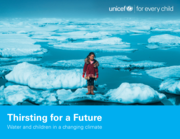
Children without access to safe water are more likely to die in infancy -- and throughout childhood -- from diseases caused by
water-borne bacteria, to which their small bodies are more vulnerable.
