Key
Resources
All categories
Disaster Preparedness
Emergency Health Kits
Food Security & Nutrition
Humanitarian Aid
General Guidelines
Protection & Security
Monitoring & Evaluation
Needs Assessment
Project Cycle Management
Quality Control & Assurance
WASH
Hand Hygiene
Hygiene Promotion
Infection Control & Prevention (IPC)
Sanitation
Fecal Disposal / Latrines
Waste Management
Water
x MEDBOX Issue Brief & Annual Reports x
xMEDBOX Videos
Clinical
Guidelines
All categories
Communicable Diseases
Dermatology
Diarrhoeal Disease/Cholera
Hepatitis
HIV & STI
Malaria
MPOX - Monkeypox
TB
Vaccine-preventable Diseases
Yellow Fever
Dental & Eye Care
Emergency Care
Gynaecology & Obstetrics
NCD
Cancer
Breast Cancer
Cancer Treatment & Resources
Cervical Cancer
Other Cancer diseases
Pediatric cancer
Cardiovascular Diseases
COPD/Asthma
Diabetes
Neurology & Psychology
Neurology & Psychology
NTDs & Others
Buruli Ulcer
Chagas
Dengue
Dracunculiasis
Echinococcosis
Foodborne Trematodises
Helminthiasis
Hemorrhagic Fever
Human African Trypanosomiasis
Leishmaniasis
Leprosy
Lymphaticfilariasis
Onchocerciasis
Rabies
Schistosomiasis
Snakebites
Taeniasis/ Cysticercosis
Trachoma
Yaws
Yersinia pestis (Plague)
Zika
Nutrition
Palliative Care
Pediatrics
Radiology and Diagnostic
Surgery & Anaesthesia
Women & Child
Health
All categories
Child Health
Child protection
Diarrhoea
Immunization
Neonatal Care
Paediatrics
Respiratory Infections
Under-5 nutrition
Violence against Children
Maternal Health
Reproductive Health
Family Planning
Female Genital Mutilation
Menstrual Hygiene Management
Sexual Violence
Pharmacy &
Technologies
All categories
Antimicrobial Resistance
Laboratory Quality Assurance
Laboratory Technologies
Bacteriology
General Guidelines
Hematology
Parasitology
Virology
Laboratory Waste
Medical Devices & Equipment
Pharmacy
Public
Health
All categories
Age & Elderly
Community Health
Primary Health Care
Digital Health
E-therapy
Disabilities & Inclusion
Disease Prevention & Control
Communicable Diseases
Vector Control
Non-communicable Diseases
Gender
Sex. & Repr. Rights
Global Health
Online Courses Platforms
Health Systems
Health System Strengthening
Physiotherapy & Rehabilitation
Planetary Health
Capacity
Building
All categories
Clinical Training
COVID-19
General
Gynaecology & Obstetrics
HIghly contagious Diseses
HIV
Neglected Tropcial Diseases NTDs
Non-communicable Diseases NCD
Nutrition
Palliative Care
Patient Care
TB
Vaccine-preventable Diseases
Disabilities
Humanitarian Aid
Maternal & Child Health
Mental Health
Mobile Training Tools & Apps
Online Courses & Platforms
Pharmacy & Technology
Planetary Health
Public Health
Reproductive Health
Training Manuals
Videos
Water, Sanitation and Hygiene (WASH)
COUNTRIES
Afghanistan
Africa
Albania
Algeria
Angola
Argentina
Armenia
Asia
Australia
Austria
Azerbaijan
Bahamas
Bangladesh
Barbados
Belarus
Belgium
Belize
Benin
Bhutan
Bolivia
Bosnia and Herzegovina
Botswana
Brazil
Bulgaria
Burkina Faso
Burundi
Cambodia
Cameroon
Canada
Cape Verde
Central African Republic
Chad
Chile
China
Colombia
Congo, Democratic Republic of
Congo-Brazzaville
Costa Rica
Croatia
Cuba
Côte d’Ivoire / Ivory Coast
Denmark
Djibouti
Dominican Republic
Eastern Europe
Ecuador
Egypt
El Salvador
Eritrea
Estonia
Eswatini/ Swaziland
Ethiopia
Fiji
France
French Guyana
Gabon
Gambia
Georgia
Germany
Ghana
Global
Greece
Guatemala
Guinea
Guinea-Bissau
Guyana
Haiti
Honduras
Hungary
India
Indonesia
Iran
Iraq
Ireland
Israel
Italy
Jamaica
Japan
Jordan
Kazakhstan
Kenya
Kyrgyzstan
Laos
Latvia
Lebanon
Lesotho
Liberia
Libya
Lithuania
Luxembourg
Madagascar
Malawi
Malaysia
Maldives
Mali
Mauritania
Mauritius
Mexico
Moldova
Mongolia
Morocco
Mozambique
Myanmar / Burma
Namibia
Nepal
Nicaragua
Niger
Nigeria
North Korea
North Macedonia
Norway
Oman
Other region
Pakistan
Palestine
Panama
Papua New Guinea
Paraguay
Peru
Philippines
Poland
Portugal
Qatar
Romania
Russia
Rwanda
Saudi Arabia
Senegal
Serbia
Sierra Leone
Singapore
Slovakia
Slovenia
Solomon Islands
Somalia
South Africa
South Korea
South Sudan
Southern Africa
Spain
Sri Lanka
Sudan
Switzerland
Syria
Tajikistan
Tanzania
Thailand
Timor Leste/ East Timor
Togo
Tunisia
Turkey
Turkmenistan
USA
Uganda
Ukraine
United Arab Emirates
United Kingdom
Uruguay
Uzbekistan
Vanuatu
Venezuela
Vietnam
Yemen
Zambia
Zimbabwe
Middle East and North Africa
West and Central Africa
East and Southern Africa
South–East Asia Region
Western Pacific Region
Eastern Europe and Central Asia
Latin America and the Carribbean
Western and Central Europe
North America
TOOLBOXES
AMR
Caregiver
Cholera
Conflict
COVID-19
Disability
Ebola & Marburg
Planetary Health
NTDs
Pharmacy
Global Health Education
Health Financing Toolbox
Malaria
NCDs
Mental Health
Natural Hazards
Zika
TB
HIV
Polio
Rapid Response
Refugee
Specific Hazards
Social Ethics
Afghanistan
Africa
Albania
Algeria
Angola
Argentina
Armenia
Asia
Australia
Austria
Azerbaijan
Bahamas
Bangladesh
Barbados
Belarus
Belgium
Belize
Benin
Bhutan
Bolivia
Bosnia and Herzegovina
Botswana
Brazil
Bulgaria
Burkina Faso
Burundi
Cambodia
Cameroon
Canada
Cape Verde
Central African Republic
Chad
Chile
China
Colombia
Congo, Democratic Republic of
Congo-Brazzaville
Costa Rica
Croatia
Cuba
Côte d’Ivoire / Ivory Coast
Denmark
Djibouti
Dominican Republic
Eastern Europe
Ecuador
Egypt
El Salvador
Eritrea
Estonia
Eswatini/ Swaziland
Ethiopia
Fiji
France
French Guyana
Gabon
Gambia
Georgia
Germany
Ghana
Global
Greece
Guatemala
Guinea
Guinea-Bissau
Guyana
Haiti
Honduras
Hungary
India
Indonesia
Iran
Iraq
Ireland
Israel
Italy
Jamaica
Japan
Jordan
Kazakhstan
Kenya
Kyrgyzstan
Laos
Latvia
Lebanon
Lesotho
Liberia
Libya
Lithuania
Luxembourg
Madagascar
Malawi
Malaysia
Maldives
Mali
Mauritania
Mauritius
Mexico
Moldova
Mongolia
Morocco
Mozambique
Myanmar / Burma
Namibia
Nepal
Nicaragua
Niger
Nigeria
North Korea
North Macedonia
Norway
Oman
Other region
Pakistan
Palestine
Panama
Papua New Guinea
Paraguay
Peru
Philippines
Poland
Portugal
Qatar
Romania
Russia
Rwanda
Saudi Arabia
Senegal
Serbia
Sierra Leone
Singapore
Slovakia
Slovenia
Solomon Islands
Somalia
South Africa
South Korea
South Sudan
Southern Africa
Spain
Sri Lanka
Sudan
Switzerland
Syria
Tajikistan
Tanzania
Thailand
Timor Leste/ East Timor
Togo
Tunisia
Turkey
Turkmenistan
USA
Uganda
Ukraine
United Arab Emirates
United Kingdom
Uruguay
Uzbekistan
Vanuatu
Venezuela
Vietnam
Yemen
Zambia
Zimbabwe
Middle East and North Africa
West and Central Africa
East and Southern Africa
South–East Asia Region
Western Pacific Region
Eastern Europe and Central Asia
Latin America and the Carribbean
Western and Central Europe
North America
Login
Register
English
English
Deutsch
Español
Français
русский
عربى
Document details
Download
View PDF
Add to my MEDBOX
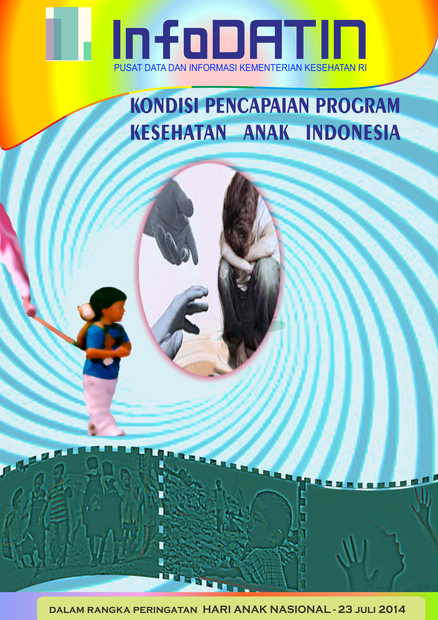
Kondisi Pencapaian Program Kesehatan Anak Indonesia
Pusat Data dan Informasi Kementerian Kesehatan RI
(2014)
C1
Conditions for Achieving the Indonesian Child Health Program