
Filter
3327
Text search:
outbreak
control
Featured
430
825
Language
2907
201
145
85
83
74
31
28
8
7
7
7
6
5
4
4
4
4
3
3
3
2
2
2
2
2
1
1
1
1
1
1
1
1
1
1
1
1
1
1
1
1
1
1
1
1
Document type
1204
724
567
219
214
137
85
78
39
19
16
14
9
1
Countries
190
175
165
116
90
90
81
74
69
60
59
57
56
52
52
50
47
46
45
45
42
40
37
36
35
34
33
32
32
32
29
29
28
26
23
22
21
21
20
19
19
18
18
17
16
15
14
14
14
13
13
13
13
13
12
11
11
11
11
11
11
10
10
9
9
8
8
8
8
8
7
7
7
7
7
7
7
6
6
6
6
6
5
5
5
5
4
4
4
4
4
4
4
3
3
3
3
3
3
3
3
3
3
3
3
3
3
3
3
3
2
2
2
2
2
2
2
2
2
2
2
2
1
1
1
1
1
1
1
1
1
1
1
1
1
1
1
1
1
1
1
1
1
1
1
1
1
1
Authors & Publishers
634
140
94
93
81
74
64
56
38
37
36
34
29
28
27
26
23
23
22
22
22
20
19
19
17
16
15
15
15
15
14
14
14
13
12
12
12
12
12
11
11
11
11
11
11
10
10
10
10
10
10
9
9
9
9
9
9
8
8
8
8
8
8
8
7
7
7
7
7
7
7
7
7
7
6
6
6
6
6
6
6
6
6
5
5
5
5
5
5
5
5
5
5
5
5
5
5
5
5
5
5
5
5
5
5
4
4
4
4
4
4
4
4
4
4
4
4
4
4
4
4
4
4
4
4
4
4
4
4
4
4
4
4
4
4
4
4
4
3
3
3
3
3
3
3
3
3
3
3
3
3
3
3
3
3
3
3
3
3
3
3
3
3
3
3
3
3
3
3
3
3
3
3
3
3
3
3
3
3
3
3
3
3
3
3
3
3
3
3
3
3
3
3
3
3
3
2
2
2
2
2
2
2
2
2
2
2
2
2
2
2
2
2
2
2
2
2
2
2
2
2
2
2
2
2
2
2
2
2
2
2
2
2
2
2
2
2
2
2
2
2
2
2
2
2
2
2
2
2
2
2
2
2
2
2
2
2
2
2
2
2
2
2
2
2
2
2
2
2
2
2
2
2
2
2
2
2
2
2
2
2
2
2
2
2
2
2
2
2
2
2
2
2
2
2
2
2
2
2
2
2
2
2
2
2
2
2
2
2
2
2
2
2
2
2
2
2
2
2
2
2
2
2
2
2
2
2
2
2
2
2
2
2
2
2
2
2
2
2
2
2
2
2
2
2
2
2
2
2
2
2
2
1
1
1
1
1
1
1
1
1
1
1
1
1
1
1
1
1
1
1
1
1
1
1
1
1
1
1
1
1
1
1
1
1
1
1
1
1
1
1
1
1
1
1
1
1
1
1
1
1
1
1
1
1
1
1
1
1
1
1
1
1
1
1
1
1
1
1
1
1
1
1
1
1
1
1
1
1
1
1
1
1
1
1
1
1
1
1
1
1
1
1
1
1
1
1
1
1
1
1
1
1
1
1
1
1
1
1
1
1
1
1
1
1
1
1
1
1
1
1
1
1
1
1
1
1
1
1
1
1
1
1
1
1
1
1
1
1
1
1
1
1
1
1
1
1
1
1
1
1
1
1
1
1
1
1
1
1
1
1
1
1
1
1
1
1
1
1
1
1
1
1
1
1
1
1
1
1
1
1
1
1
1
1
1
1
1
1
1
1
1
1
1
1
1
1
1
1
1
1
1
1
1
1
1
1
1
1
1
1
1
1
1
1
1
1
1
1
1
1
1
1
1
1
1
1
1
1
1
1
1
1
1
1
1
1
1
1
1
1
1
1
1
1
1
1
1
1
1
1
1
1
1
1
1
1
1
1
1
1
1
1
1
1
1
1
1
1
1
1
1
1
1
1
1
1
1
1
1
1
1
1
1
1
1
1
1
1
1
1
1
1
1
1
1
1
1
1
1
1
1
1
1
1
1
1
1
1
1
1
1
1
1
1
1
1
1
1
1
1
1
1
1
1
1
1
1
1
1
1
1
1
1
1
1
1
1
1
1
1
1
1
1
1
1
1
1
1
1
1
1
1
1
1
1
1
1
1
1
1
1
1
1
1
1
1
1
1
1
1
1
1
1
1
1
1
1
1
1
1
1
1
1
1
1
1
1
1
1
1
1
1
1
1
1
1
1
1
1
1
1
1
1
1
1
1
1
1
1
1
1
1
1
1
1
1
1
1
1
1
1
1
1
1
1
1
1
1
1
1
1
1
1
1
1
1
1
1
1
1
1
1
1
1
1
1
1
1
1
1
1
1
1
1
1
1
1
1
1
1
1
1
1
1
1
1
1
1
1
1
1
1
1
1
1
1
1
1
1
1
1
1
1
1
1
1
1
1
1
1
1
1
1
1
1
1
1
1
1
1
1
1
1
1
1
1
1
1
1
1
1
1
1
1
1
1
1
1
1
1
1
1
1
1
1
1
1
1
1
1
1
1
1
1
1
1
1
1
1
1
1
1
1
1
1
1
1
1
1
1
1
1
1
1
1
1
1
1
1
1
1
1
1
1
1
1
1
1
1
1
1
1
1
1
1
1
1
1
1
1
1
1
1
1
1
1
1
1
1
1
1
1
1
1
1
1
1
1
1
1
1
1
1
1
1
1
1
1
1
1
1
1
1
1
1
1
1
1
1
1
1
1
1
1
1
1
1
1
1
1
1
1
1
1
1
1
1
1
1
1
1
1
1
1
1
1
1
1
1
1
1
1
1
1
1
1
1
1
1
1
1
1
1
1
1
1
1
1
1
1
1
1
1
1
1
1
1
1
1
1
1
1
1
1
1
1
1
1
1
1
1
1
1
1
1
1
1
1
1
1
1
1
1
1
1
1
1
1
1
1
1
1
1
1
1
1
1
1
1
1
1
1
1
1
1
1
1
1
1
1
1
1
1
1
1
1
1
1
1
1
1
1
1
1
1
1
1
1
1
1
1
1
1
1
1
1
1
1
1
1
1
1
1
1
1
1
1
1
1
1
1
1
1
1
1
1
1
1
1
1
1
1
1
1
1
1
1
1
1
1
1
1
1
1
1
1
1
1
1
1
1
1
1
1
1
1
1
1
1
1
1
1
1
1
1
1
1
1
1
1
1
1
1
1
1
1
1
1
1
1
1
1
1
1
1
1
1
1
1
1
1
1
1
1
1
1
1
1
1
1
1
1
1
1
1
1
1
1
1
1
1
1
1
1
1
1
1
1
1
1
1
1
1
1
1
1
1
1
1
1
1
1
1
1
1
1
1
1
1
1
1
1
1
1
1
1
1
1
1
1
1
1
1
1
1
1
1
1
1
1
1
1
1
1
1
1
1
1
1
1
1
1
1
1
1
1
1
1
1
1
1
1
1
1
1
1
1
1
1
1
1
1
1
1
1
1
1
1
1
1
1
1
1
1
1
1
1
1
1
1
1
1
1
1
1
1
1
1
1
1
1
1
1
1
1
1
1
1
1
1
1
1
1
1
1
1
1
1
1
1
1
1
1
1
1
1
1
1
1
1
1
1
1
1
1
1
1
1
1
1
1
1
1
1
1
1
1
1
1
1
1
1
1
1
1
1
1
1
1
1
1
1
1
1
1
1
1
1
1
1
1
1
1
1
1
1
1
1
1
1
1
1
1
1
1
1
1
1
1
1
1
1
1
1
1
1
1
1
1
1
1
1
1
1
1
1
1
1
1
1
1
1
1
1
1
1
1
1
1
1
1
1
1
1
1
1
1
1
1
1
1
1
1
1
1
1
1
1
1
1
1
1
1
1
1
1
1
1
1
1
1
1
1
1
1
1
1
1
1
1
1
1
1
1
1
1
1
1
1
1
1
1
1
1
1
1
1
1
1
1
1
1
1
1
1
1
1
1
1
1
1
1
1
1
1
1
1
1
1
1
1
1
1
1
1
1
1
1
1
1
1
1
1
1
1
1
1
1
1
1
1
1
1
1
1
1
1
1
1
1
1
1
1
1
1
1
1
1
1
1
1
1
1
1
1
1
1
1
1
1
1
1
1
1
1
1
1
1
1
1
1
1
1
1
1
1
1
1
1
1
1
1
1
1
1
1
1
1
1
1
1
1
1
1
1
1
1
1
1
1
1
1
1
1
1
1
1
1
1
1
1
1
1
1
1
1
1
1
1
1
1
1
1
1
1
1
1
1
1
1
1
1
1
1
1
1
1
1
1
1
1
1
1
1
1
1
1
1
1
1
1
1
1
1
1
1
1
1
1
1
1
1
1
1
1
1
1
1
1
1
1
1
1
1
1
1
1
1
1
1
1
1
1
1
1
1
1
1
1
1
1
1
1
1
1
1
1
1
1
1
1
1
1
1
1
1
1
1
1
1
1
1
1
1
1
1
1
1
1
1
1
1
1
1
1
1
1
1
1
1
1
1
1
1
1
1
1
1
1
1
1
1
1
1
1
1
1
1
1
1
1
1
1
1
1
1
1
1
1
1
1
1
1
1
1
1
1
1
1
1
1
1
1
1
1
1
1
1
1
1
1
1
1
1
1
1
1
1
1
1
1
1
1
1
1
1
1
1
1
1
1
1
1
1
1
1
1
1
1
1
1
1
1
1
1
1
1
1
1
1
1
1
1
1
1
1
1
1
1
1
1
1
1
1
1
1
1
1
1
1
1
1
1
1
1
1
1
1
1
1
1
1
1
1
1
1
1
1
1
1
1
1
1
1
1
1
1
1
1
1
1
1
1
1
1
1
1
1
1
1
1
1
1
1
1
1
1
1
1
1
1
1
1
1
1
1
1
1
1
1
1
1
1
1
1
1
1
1
1
1
1
1
1
1
1
1
1
1
1
1
1
1
1
1
1
1
1
1
1
1
1
1
1
1
1
1
1
1
1
1
1
1
1
1
1
1
1
1
1
1
1
1
1
1
1
1
1
1
1
1
1
1
1
1
1
1
1
1
1
1
1
1
1
1
1
1
1
1
1
1
1
1
1
1
1
1
1
1
1
1
1
1
1
1
1
1
1
1
1
1
1
1
1
1
1
1
1
1
1
1
1
1
1
1
1
1
1
1
1
1
1
1
1
1
1
1
1
1
1
1
1
1
1
1
1
1
1
1
Publication Years
1680
1476
155
16
Category
1088
235
216
149
78
42
40
1
Toolboxes
887
473
184
147
138
115
109
97
94
93
74
60
54
50
48
46
41
41
37
26
21
21
10
8
3
2
1
Many migrants find themselves with limited access, if any, to information about risks, prevention measures, health care and other essential services. Migrants in transit, those in need of international protection or without legal status are likely to be particularly vulnerable, as well as those who
...
are homeless, held in detention, living in camps, formal or informal settlements or otherwise precarious conditions
more
Nota informativa | 16 de marzo 2020
Principio de no dañar, igualdad, transparencia, humanidad: los valores que deben guiar la respuesta de la justicia penal al coronavirus.
Al momento de publicación, había mas de 164.000* casos confirmados de COVID-19 – la nueva forma de Coronavirus– afec
...
tando 110 países, con más de 6.470 muertes. En esta nota informativa, evaluamos la situación actual de los brotes de COVID-19 y las medidas preventivas en prisiones**, así como los impactos más generales de las respuestas de los gobiernos en las personas que se encuentran a disposición de la justicia penal. Esta nota informativa aboga por que se tomen acciones de forma inmediata, dado el riesgo al que están expuestas las personas en las prisiones, incluyendo el personal penitenciario.
more

24 April 2020
Policy considerations
for the WHO European Region
This document provides key considerations for Member States to help them to decide on the modulation
of large-scale restrictive public health measures
(i.e. movement restrictions and large-scale physical distancing), while at the
...
same time strengthening core public health service capacities (to identify, isolate,
test and treat every patient and quarantine contacts) together with personal protective measures (hand hygiene and respiratory etiquette) and individual physical distancing (>1 metre distance). The transition should be informed by national, subnational or even community-level risk assessments as the transmission of COVID-19 is typically not homogeneous within a country.
more
PLOS Neglected Tropical Diseases 18(4): e0012111. https://doi.org/10.1371/journal.pntd.0012111
This document is a guide for national authorities who are responsible for managing public health responses to COVID-19
9 April 2020
WHO has published the guidance “Clinical management of severe acute respiratory infection (SARI) when COVID-19 disease is suspected” This document is intended for clinicians taking care of hospitalized adult and paediatric patients with severe acute respiratory infection (SARI) whe
...
n COVID-19 infection is suspected. Optimized supportive care should be provided to ensure the best possible chance for survival of COVID-19 patients as described in the WHO guidance:
1. Management of severe COVID-19 requires oxygen therapy and monitoring. Supplemental oxygen therapy should be given immediately to patients with SARI and respiratory distress, hypoxaemia or shock.
2. Management of critical COVID-19 (acute respiratory distress syndrome (ARDS)) requires advanced oxygen/ventilatory support.
more

Centre Africain de contrôle et de prévention des maladies (CDC Afrique) protocole par la surveillance renforcée du syndrome respiratoire aigu sévère (SRAS) et du syndrome grippal pour COVID-19 en Afrique
Mars 2020
Le nombre d’États membres de l’Union signalant des cas de COVID-19 est
...
en augmentation et il est probable que la transmission communautaire en Afrique se produira. L’OMS a récemment modifié la définition de cas suspect de COVID-19 pour inclure des infections respiratoires aiguës sévères et conseille de tester tous les cas de syndrome respiratoire aigu sévère (SRAS).1 Cependant, de nombreux États membres n’ont pas encore commencé à mettre en œuvre ces changements, ils concentrent toujours leurs efforts
de surveillance sur les personnes ayant des antécédents de voyage vers une zone de transmission locale de COVID-19. Cela signifie que les patients présentant des symptômes similaires, mais sans aucun contact apparent, peuvent ne pas être enquêtés.
more
19 April 2020
To contain the spread of COVID-19 and to keep infections at a manageable level, many countries have instituted lockdowns and social distancing. In India, a nationwide 21-day lockdown was announced with effect from 25 March 2020. This lockdown is expected to avert a sudden and large in
...
crease in the number of infections in the short term. Additionally, interventions such as social distancing and isolation of infected individuals over several months could reduce peak infections. Interventions such as frequent handwashing, reduced mass gatherings, contact tracing, and quarantines could slow transmission and reduce overall infections.
more
Tercera versión, 1 de febrero del 2022. Estas orientaciones tienen por objetivo contribuir a que los sistemas de salud prioricen los medicamentos esenciales que deben estar disponibles y ser asequibles para manejar los pacientes en las unidades de cuidado intensivos durante las emergencias de salud
...
. Esta actualización incluye una sección sobre el tratamiento de pacientes graves o críticos, así como nuevos datos sobre la evidencia y la firmeza de las recomendaciones incluidas en versiones anteriores.
more

Community-based health care, including outreach and campaigns,in the context of the COVID-19 pandemic
recommended
The COVID-19 pandemic is challenging health systems across the world. Rapidly increasing demand for care of people with COVID-19 is compounded by fear, misinformation and limitations on the movement of people and supplies that disrupt the delivery of frontline health care for all people...
This g
...
uidance addresses the specific role of community-based health care in the pandemic context and outlines the adaptations needed to keep people safe, maintain continuity of essential services and ensure an effective response to COVID-19. It is intended for decision-makers and managers at the national and subnational levels and complements a range of other guidance, including that on priority public health interventions, facility-based care, and risk communication and community engagement in the setting of the COVID-19 pandemic.
more
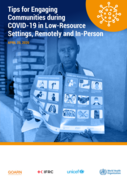
Tips for Engaging Communities during COVID-19 in Low-Resource Settings, Remotely and In-Person
recommended
This brief provides key considerations for engaging communities on COVID-19 and tips for how to engage where there are movement restrictions and physical distancing measures in place, particularly in low-resource settings.

As the COVID-19 pandemic continues to threaten health and food systems around the world, the 2020 Global Nutrition Report calls on governments, businesses and civil society to step up efforts to address malnutrition in all its forms.

This document provides guidance on the implementation of the shielding approach in urban areas in LICs and crisis-affected regions. It is intended for the community itself, national and local governance institutions, and humanitarian and development actors operating in the country.
Countries have shut down the economy to slow the spread of the coronavirus. Supermarket shelves remain stocked for now. But a protracted pandemic crisi s could quickly put a strai n on the f ood supply chains, a complex web of interactions involving farmers, agricultu
...
ral inputs, processing plants, shipping, retailers and more. The shipping industry is already reporting slowdowns because of port closures, and logistics hurd les could disrupt the supply chains in coming weeks.
more
orientaciones provisionales, 23 de diciembre de 2020
En este documento se resumen las recomendaciones de la OMS para utilizar de forma racional los equipos de protección personal (EPP) tanto en los centros sanitarioscomo en los domicilios, así como durante la manipulación
...
de mercancías. Además, se analizan las interrupciones actuales que sufre la cadena mundial de suministro y se tratan aspectos que cabe tener en cuenta para tomar decisiones durante periodos de escasez grave de estos equipos.
more
In response to COVID-19, countries around the world have implemented several public health and social measures (PHSM), such as movement restrictions, closure of schools and businesses, and international travel restrictions.1 As the local epidemiology of the disease changes, countries will adjust (i.
...
e. loosen or reinstate) these measures according to the intensity of transmission.
more
Der Artikel "Händedesinfektion unter den Bedingungen der SARS-CoV-2-Pandemie" war am 4.5.2020 online vorab erschienen und ist nun in der regulären Ausgabe des Epidemiologischen Bulletins 19/2020 zu finden.

The “United Nations Framework for the immediate socio-economic response to COVID-19: Shared responsibility, global solidarity and urgent action for people in need” calls for protecting jobs, businesses and livelihoods to set in motion a safe recovery of societies and economies as soon as possibl
...
e for a more sustainable, gender-equal, and carbon-neutral path—better than the “old normal”.
more
This technical brief was developed by the UNFPA Global Ageing Network to complement the UN Department of Economic and Social Affairs' (UN DESA) Issue Brief: Older Persons and COVID-19, which emphasized the humanitarian imperative of addressing older persons' specific needs within preparedness and re
...
sponse to the COVID-19 pandemic.
more
