Filter
2669
Text search:
health
emergency
preparedness
Featured
296
707
Language
Document type
1174
459
406
221
207
77
54
49
16
4
2
Countries
155
81
78
72
64
61
61
56
53
53
46
45
43
43
41
41
40
36
35
29
27
26
25
24
24
22
22
21
21
19
19
18
18
18
17
15
15
14
14
13
12
10
10
9
9
9
9
9
8
8
8
8
7
7
7
7
7
7
6
6
6
6
6
5
5
5
5
5
5
5
5
4
4
4
4
4
3
3
3
3
3
3
3
3
2
2
2
2
2
2
2
2
2
2
2
2
2
2
2
2
1
1
1
1
1
1
1
1
1
1
1
1
1
1
1
1
1
1
1
1
1
1
1
1
1
1
1
1
1
1
Authors & Publishers
Publication Years
Category
967
346
128
108
106
47
19
Toolboxes
484
189
174
140
113
110
105
87
71
62
57
53
51
51
46
46
40
22
20
20
19
19
15
13
6
1
1


United Nations Office of the Resident Coordinator | http://www.unlesotho.org/
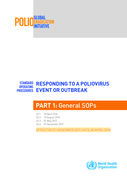
Responding to a poliovirus event and outbreak, Part 1: General (SOPs) describes the general principles and steps to facilitate timely and effective responses to poliovirus events and outbreaks, and incorporate lessons learned from recent previous outbreak response efforts. This document summarizes r
...
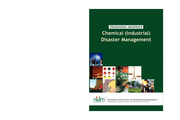
Key Features:
• Module Users: Disaster Management Trainers
• Training Targets: State Government and District
officials / Disaster Management Authorities / Disaster
Management Planners and Responders
• Training Duration: 5 working days (one week)
• Trainers Input: Multi-disciplinary
â€
...

March - December 2018
The Government of Bangladesh has kept its borders open to Rohingya refugees and leads the humanitarian response. The people of Bangladesh continue to show tremendous generosity and hospitality in the face of a massive influx. In keeping with its policies, the Government of Ban
...

This paper provides information to assist World Bank and GFDRR staff in affecting disability-inclusive DRM. It is based upon desk reviews of existing practice, as well as consultations with experts in the field of disability-inclusive DRM. The paper:
- Illustrates promising practices related to ...
- Illustrates promising practices related to ...

Временные рекомендации4 ноября 2020 г.
В данной редакции документа представлены обновленные рекомендации в таблице, посвященной важнейшим мерам по подготовке, обес
...

Updated 8 June 2021. Coronavirus is spreading globally. How can individuals, communities, humanitarian actors, local and national authorities best respond to uphold the rights of all affected people?
Putting Human Rights at the Heart of the Response
Topic in Focus: COVID-19 and Women’s Human Rights
15 April 2020
Stay-at-home restrictions and other measures restricting the movement of people contribute to an increase in genderbased violence, a finding confirmed by media reports, official
...

he central Sahel region—Burkina Faso, Mali and Niger—is facing a severe humanitarian and protection crisis.
Massive displacement, most of it driven by intense and largely indiscriminate violence perpetrated by a range of armed actors against civilian populations, is taking place across the regi
...

Recognizing the extent to which the COVID-19 outbreaks affects women and men differently is hugely important. Some preliminary data suggested that more men than women are dying, potentially due to sex-based immunological differences, higher rates of cardiovascular disease for men and lifestyle choic
...

Ethiopia saw a six-fold increase in confirmed COVID-19 cases between June and August, with 5,689 cases by end June compared to 34,058 cases as of 19 August. Ethiopia also registered more than 13,000 recoveries and more than 600 deaths. As of the last week of August, Ethiopia was leading eastern Afri
...
Key Resources Humanitarian Aid
recommended
MEDBOX Issue Brief no. 6
This issue brief gives you an overview of the most important documents on humanitarian aid and the WASH sector in MEDBOX

This study looked at structural risk factors to COVID-19 that existed before the outbreak and may have direct and indirect effects on COVID-19 risk across all the 47 counties in Kenya. These factors are COVID-19 exposure and vulnerability and lack of adaptive capacity to COVID-19.
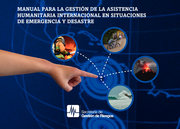
En los últimos 30 años los eventos adversos en la región de la Comunidad Andina ocasionaron la muerte de unas 227.000 personas, y pérdidas por cerca de 12.000 millones de dólares. Ecuador vivió una situación similar. El objetivo de este manual es propiciar una ade
...
Countries have shut down the economy to slow the spread of the coronavirus. Supermarket shelves remain stocked for now. But a protracted pandemic crisi s could quickly put a strai n on the f ood supply chains, a complex web of interactions involving farmers, agricultu
...
MMWR Morbidity and Mortality Weekly Report December 19, 2014 / 63(50);1205-1206