
Filter
2669
Text search:
elimination
Featured
234
700
Language
2443
170
83
41
29
25
21
11
5
4
4
4
3
3
3
3
2
2
2
2
2
2
2
2
2
1
1
1
1
1
1
1
1
1
1
1
1
1
1
1
1
1
1
1
Document type
1312
538
333
162
138
56
51
21
21
12
6
5
4
4
2
Countries
163
95
72
71
60
60
52
49
47
46
46
44
43
40
40
36
33
33
32
29
27
25
24
22
22
21
21
20
20
19
18
18
16
15
14
14
14
14
12
12
12
12
11
9
9
9
8
8
8
8
7
7
7
7
7
6
6
6
6
6
6
6
5
5
5
5
5
5
5
5
5
4
4
4
4
4
4
3
3
3
3
3
3
3
3
2
2
2
2
2
2
2
2
2
2
2
2
2
2
2
2
2
1
1
1
1
1
1
1
1
1
1
1
1
1
1
1
1
1
1
1
1
1
1
1
1
Authors & Publishers
334
107
100
98
79
57
53
40
35
33
28
20
19
16
15
14
14
14
12
11
11
11
11
11
11
11
10
9
9
9
9
9
9
9
8
8
8
8
8
8
7
7
7
7
7
7
7
7
7
7
6
6
6
6
6
6
6
6
6
6
6
6
6
6
5
5
5
5
5
5
5
5
5
5
5
4
4
4
4
4
4
4
4
4
4
4
4
4
4
4
4
4
4
4
4
4
3
3
3
3
3
3
3
3
3
3
3
3
3
3
3
3
3
3
3
3
3
3
3
3
3
3
3
3
3
3
3
3
3
3
3
3
3
3
3
3
3
3
3
3
3
3
3
3
3
3
3
3
3
3
3
3
3
3
3
3
2
2
2
2
2
2
2
2
2
2
2
2
2
2
2
2
2
2
2
2
2
2
2
2
2
2
2
2
2
2
2
2
2
2
2
2
2
2
2
2
2
2
2
2
2
2
2
2
2
2
2
2
2
2
2
2
2
2
2
2
2
2
2
2
2
2
2
2
2
2
2
2
2
2
2
2
2
2
2
2
2
2
2
2
2
2
2
2
2
2
2
2
2
2
2
2
2
2
2
2
2
2
2
2
2
2
2
2
2
2
2
2
2
2
2
2
2
2
2
2
2
2
2
2
2
2
2
2
2
2
2
2
2
2
2
2
2
2
2
2
2
2
2
2
2
2
2
2
2
2
2
2
2
2
2
2
2
2
2
2
2
2
2
2
2
2
1
1
1
1
1
1
1
1
1
1
1
1
1
1
1
1
1
1
1
1
1
1
1
1
1
1
1
1
1
1
1
1
1
1
1
1
1
1
1
1
1
1
1
1
1
1
1
1
1
1
1
1
1
1
1
1
1
1
1
1
1
1
1
1
1
1
1
1
1
1
1
1
1
1
1
1
1
1
1
1
1
1
1
1
1
1
1
1
1
1
1
1
1
1
1
1
1
1
1
1
1
1
1
1
1
1
1
1
1
1
1
1
1
1
1
1
1
1
1
1
1
1
1
1
1
1
1
1
1
1
1
1
1
1
1
1
1
1
1
1
1
1
1
1
1
1
1
1
1
1
1
1
1
1
1
1
1
1
1
1
1
1
1
1
1
1
1
1
1
1
1
1
1
1
1
1
1
1
1
1
1
1
1
1
1
1
1
1
1
1
1
1
1
1
1
1
1
1
1
1
1
1
1
1
1
1
1
1
1
1
1
1
1
1
1
1
1
1
1
1
1
1
1
1
1
1
1
1
1
1
1
1
1
1
1
1
1
1
1
1
1
1
1
1
1
1
1
1
1
1
1
1
1
1
1
1
1
1
1
1
1
1
1
1
1
1
1
1
1
1
1
1
1
1
1
1
1
1
1
1
1
1
1
1
1
1
1
1
1
1
1
1
1
1
1
1
1
1
1
1
1
1
1
1
1
1
1
1
1
1
1
1
1
1
1
1
1
1
1
1
1
1
1
1
1
1
1
1
1
1
1
1
1
1
1
1
1
1
1
1
1
1
1
1
1
1
1
1
1
1
1
1
1
1
1
1
1
1
1
1
1
1
1
1
1
1
1
1
1
1
1
1
1
1
1
1
1
1
1
1
1
1
1
1
1
1
1
1
1
1
1
1
1
1
1
1
1
1
1
1
1
1
1
1
1
1
1
1
1
1
1
1
1
1
1
1
1
1
1
1
1
1
1
1
1
1
1
1
1
1
1
1
1
1
1
1
1
1
1
1
1
1
1
1
1
1
1
1
1
1
1
1
1
1
1
1
1
1
1
1
1
1
1
1
1
1
1
1
1
1
1
1
1
1
1
1
1
1
1
1
1
1
1
1
1
1
1
1
1
1
1
1
1
1
1
1
1
1
1
1
1
1
1
1
1
1
1
1
1
1
1
1
1
1
1
1
1
1
1
1
1
1
1
1
1
1
1
1
1
1
1
1
1
1
1
1
1
1
1
1
1
1
1
1
1
1
1
1
1
1
1
1
1
1
1
1
1
1
1
1
1
1
1
1
1
1
1
1
1
1
1
1
1
1
1
1
1
1
1
1
1
1
1
1
1
1
1
1
1
1
1
1
1
1
1
1
1
1
1
1
1
1
1
1
1
1
1
1
1
1
1
1
1
1
1
1
1
1
1
1
1
1
1
1
1
1
1
1
1
1
1
1
1
1
1
1
1
1
1
1
1
1
1
1
1
1
1
1
1
1
1
1
1
1
1
1
1
1
1
1
1
1
1
1
1
1
1
1
1
1
1
1
1
1
1
1
1
1
1
1
1
1
1
1
1
1
1
1
1
1
1
1
1
1
1
1
1
1
1
1
1
1
1
1
1
1
1
1
1
1
1
1
1
1
1
1
1
1
1
1
1
1
1
1
1
1
1
1
1
1
1
1
1
1
1
1
1
1
1
1
1
1
1
1
1
1
1
1
1
1
1
1
1
1
1
1
1
1
1
1
1
1
1
1
1
1
1
1
1
1
1
1
1
1
1
1
1
1
1
1
1
1
1
1
1
1
1
1
1
1
1
1
1
1
1
1
1
1
1
1
1
1
1
1
1
1
1
1
1
1
1
1
1
1
1
1
1
1
1
1
1
1
1
1
1
1
1
1
1
1
1
1
1
1
1
1
1
1
1
1
1
1
1
1
1
1
1
1
1
1
1
1
1
1
1
1
1
1
1
1
1
1
1
1
1
1
1
1
1
1
1
1
1
1
1
1
1
1
1
1
1
1
1
1
1
1
1
1
1
1
1
1
1
1
1
1
1
1
1
1
1
1
1
1
1
1
1
1
1
1
1
1
1
1
1
1
1
1
1
1
1
1
1
1
1
1
1
1
1
1
1
1
1
1
1
1
1
1
1
1
1
1
1
1
1
1
1
1
1
1
1
1
1
1
1
1
1
1
1
1
1
1
1
1
1
1
1
1
1
1
1
1
1
1
1
1
1
1
1
1
1
1
1
1
1
1
1
1
1
1
1
1
1
1
1
1
1
1
1
1
1
1
1
1
1
1
1
1
1
1
1
1
1
1
1
1
1
1
1
1
1
1
1
1
1
1
1
1
1
1
1
1
1
1
1
1
1
1
1
1
1
1
1
1
1
1
1
1
1
1
1
1
1
1
1
1
1
1
1
1
1
1
1
1
1
1
1
1
1
1
1
1
1
1
1
1
1
1
1
1
1
1
1
1
1
1
1
1
1
1
1
1
1
1
1
1
1
1
1
1
1
1
1
1
1
1
1
1
1
1
1
1
1
1
1
1
1
1
1
1
1
1
1
1
1
1
1
1
1
1
1
1
1
1
1
1
1
1
1
1
1
1
1
1
1
1
1
1
1
1
1
1
1
1
1
1
1
1
1
1
1
1
1
1
1
1
1
1
1
1
1
1
1
1
1
1
1
1
1
1
1
1
1
1
1
1
1
1
1
1
1
1
1
1
1
1
1
1
1
1
1
1
1
1
1
1
1
1
1
1
1
1
1
1
1
1
1
1
1
1
1
1
1
1
1
1
1
1
1
1
1
1
1
1
1
1
1
1
1
1
1
1
1
1
1
1
1
1
1
1
1
1
1
1
1
1
1
1
1
1
1
1
1
1
1
1
1
1
1
1
1
1
1
1
1
1
1
1
1
1
1
1
1
1
1
1
1
1
1
1
1
1
1
1
1
1
1
1
1
1
1
1
1
1
1
1
1
1
1
1
1
1
1
1
1
1
1
1
1
1
1
1
1
1
1
1
1
1
1
1
1
1
1
1
1
1
1
1
1
1
1
1
1
1
1
1
1
1
1
1
1
1
1
1
1
1
1
1
1
1
1
1
1
1
1
1
1
1
1
1
1
1
1
1
1
1
1
1
1
1
1
1
1
1
1
1
1
1
1
1
1
1
1
1
1
1
1
1
1
1
1
1
1
1
1
1
1
1
1
1
1
1
1
1
1
1
1
1
1
1
1
1
1
1
1
1
1
1
1
1
1
1
1
1
1
1
1
1
1
1
1
1
1
1
1
1
1
1
1
1
1
1
1
1
1
1
1
1
1
1
1
1
1
1
1
1
1
1
1
1
1
1
1
1
1
1
1
1
1
1
1
1
1
1
1
1
1
1
1
1
1
1
1
1
1
1
1
1
1
1
1
1
1
1
1
1
1
1
1
1
1
1
1
1
1
1
1
1
1
1
1
1
1
1
1
1
1
1
1
1
1
1
1
1
1
1
1
1
1
1
1
1
1
1
1
1
1
1
1
1
1
1
1
1
1
1
1
1
1
1
1
1
1
1
1
1
1
1
1
1
1
1
1
1
1
1
1
1
1
1
1
1
1
1
1
1
1
1
1
1
1
1
1
1
1
1
1
1
1
1
1
1
1
1
1
1
1
1
1
1
1
1
1
1
1
1
1
1
1
1
1
1
1
1
1
1
1
1
1
1
1
1
1
1
1
1
1
1
1
1
1
1
1
1
1
1
1
1
1
1
1
1
1
1
1
1
1
1
1
1
1
1
1
1
1
1
1
1
1
1
1
1
1
1
1
1
1
1
1
1
1
1
1
1
1
1
1
1
1
1
1
1
1
1
1
1
1
1
1
1
1
1
1
1
1
1
1
1
1
1
1
1
1
1
1
1
1
1
1
1
1
1
1
1
1
1
1
1
1
1
1
1
1
1
1
1
1
1
1
1
1
1
1
1
1
1
1
1
1
1
1
1
1
1
1
1
1
1
1
1
1
1
1
1
1
1
1
1
1
1
Publication Years
820
1645
183
19
1
1
Category
1037
233
163
153
130
42
25
Toolboxes
343
204
156
111
110
98
69
58
55
45
42
41
41
38
34
33
30
29
28
23
22
20
14
10
6
3
The United Nations Population Fund (UNFPA) is the lead UN agency working to further gender equality and women’s empowerment in Sri Lanka. We are pleased to be a part of the joint effort with the Ministry of Health to develop the first ‘Standard Operating Procedures on sexual and gender-based vio
...
lence for first-contact-point healthcare providers’.
These operating procedures were developed alongside the ‘National guidelines on sexual and gender-based violence’, which aims to strengthen Sri Lanka’s health systems response to survivors of violence. We are grateful to the British High Commission in Colombo for their support in developing these guidelines and procedures as they mark an important milestone in creating a safer Sri Lanka for all women and girls. UNFPA is proud to be a part of this journey, and we stand ready to provide continued assistance to the Government of Sri Lanka and all key stakeholders to ensure women and girls receive essential services that support their safety, well-being and access to justice and to create a violence-free Sri Lanka.
more
As the world population is growing and health care resources are in high demand the pressure on medical services is becoming higher. Developing countries are already at a crisis point in health care provision, and time demands a new approach in structuring medical resources. Primary care is t
...
he vital pillar for fundamental health care at community level and has been deemed as a cost-effective modality. In the West the primary care physician manages chronic medical conditions in communities and therefore reduces unnecessary hospital admissions. In the West, the primary care system is extremely well organised. Low-income countries must improve teaching, training and funding in primary care. In this article the urgent need for primary care is discussed in developing countries, and ways to minimise costs and improve clinical outcomes at community level.
more
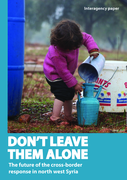
Don’t Leave Them Alone: The future of the cross-border response in north west Syria
ATAA Humanitarian Relief Association, BINAA for Development, Children Of One world, et al.
Save the Children
(2021)
C1
This report, written by ATAA Humanitarian Relief Association, BINAA for Development, Children Of One world, Hand in Hand for Aid and Development, Horan Foundation, Hurras Network, MARAM Foundation, Orange Organization, Syrian American Medical Society, Save the Children and Shafak Organization, provi
...
des insights on the humanitarian situation on the ground in north west Syria.
more
The Guideline for Disinfection and Sterilization in Healthcare Facilities, 2008, presents evidence-
based recommendations on the preferred methods for cleaning, disinfection and sterilization of patient-
care medical devices and for cleaning and disinfecting the healthcare environment. This docume
...
nt
supercedes the relevant sections contained in the 1985 Centers for Disease Control (CDC) Guideline for
Handwashing and Environmental Control. 1 Because maximum effectiveness from disinfection and
sterilization results from first cleaning and removing organic and inorganic materials, this document also
reviews cleaning methods. The chemical disinfectants discussed for patient-care equipment include
alcohols, glutaraldehyde, formaldehyde, hydrogen peroxide, iodophors, ortho-phthalaldehyde, peracetic
acid, phenolics, quaternary ammonium compounds, and chlorine. The choice of disinfectant,
concentration, and exposure time is based on the risk for infection associated with use of the equipment
and other factors discussed in this guideline. The sterilization methods discussed include steam
sterilization, ethylene oxide (ETO), hydrogen peroxide gas plasma, and liquid peracetic acid. When
properly used, these cleaning, disinfection, and sterilization processes can reduce the risk for infection
associated with use of invasive and noninvasive medical and surgical devices. However, for these
processes to be effective, health-care workers should adhere strictly to the cleaning, disinfection, and
sterilization recommendations in this document and to instructions on product labels.
LAST UPDATE 2019
more

This document shall serve as the most comprehensive set of guidelines on the safe management of waste generated from heath care activities in the country. It incorporates the requirements of all Philippine laws and regulations governing HCWM and is designed for the use of individuals, public and pri
...
vate establishments, and other entities involved in segregation, collection, handling, storage, treatment,and disposal of waste generated from heath care activities.
more

New research exposes how women and children are disproportionally affected by climate migration, which puts them at greater risk of gender-based violence, child labour and exploitation.
Governments must ensure the safety and protection of women and girls in climate emergencies, including the safe
...
and equal access to basic services, food, and healthcare before, during, and after disasters. Women must also be included in decision making in their communities so they can lead on resilience building and address gendered issues of migration and displacement.
more

The standards for the care of small and sick newborns in health facilities define, standardize and mainstream inpatient care of small and sick newborns, building on essential newborn care and ensuring consistency with the WHO quality of care framework. The standards will guide countries in caring fo
...
r this vulnerable population and support the quality of care of newborns in the context of universal health coverage. They will provide a resource for policy-makers, health care professionals, health service planners, programme managers, regulators, professional bodies and technical partners involved in care
more

Noma (cancrum oris) is a severe gangrenous disease of the mouth and face. It mostly affects children between the ages of 2 and 6 years living in extreme poverty. In addition to the known factors such as malnutrition, lack of vaccination in children and poor oral hygiene, several social and environme
...
ntal factors such as maternal malnutrition and close spacing of pregnancies that result in offspring with increasingly weakened immune systems are potentially related to the onset of the disease.
The aim of this guide is to assist the ministries of health (MoHs) to identify a general goal to be attained by the end of five years, with a view to sustainably reducing the incidence of noma as a public health problem through programmes that are fully integrated with national health planning, strengthening of primary health care (PHC) and attainment of UHC.
more
This first edition of our national neonatal care clinical guidelines is an initiative that aims to ensure that all the neonates in the Kingdom of Eswatini are offered standard, best quality of care and the best possible start in life. The guidelines have been formulated from various global sources a
...
nd tailored to the needs and health practises of the country. They are designed to serve as a guide to all healthcare providers in the country to provide standardized quality neonatal care.
more

This manual summarizes key issues related to the safety of NTD medicines and their administration, with a focus on essential medicines used in mass drug administration (MDA), also called preventive chemotherapy. It can be used as a standalone reference manual, but is intended to be used in conjuncti
...
on with the accompanying training modules, which provide practical instruction, and the aide-mémoires. Versions of the aide-mémoires and training modules are available respectively for both (i) programme managers and district-level health officials and (ii) community drug distributors and community health workers
more

39 examples of field practices, and learnings from 20 countries, for all phases of humanitarian response. The report shows that deliberate and proactive action is required to ensure that persons with disabilities from all constituencies are systematically included and meaningfully participate in DRR
...
and humanitarian preparedness, response and recovery. It draws lessons from field practices, but does not provide technical guidance. The newly published IASC Guidelines are the reference document to seek in-depth theoretical and technical information.
more

Country Strategic Plan Evaluations (CSPEs) encompass the WFP strategy and entirety of WFP activities during a specific period. Their purpose is twofold: 1) to provide evaluation evidence and learning on WFP's performance for country-level strategic decisions, specifically for developing the next Cou
...
ntry Strategic Plan (CSP) and 2) to provide accountability for results to WFP stakeholders. These evaluations are mandatory for all CSPs and are carried out in line with the WFP Policy on Country Strategic Plans and the WFP Evaluation Policy.
more

Over the past two decades, Afghanistan has depended on international donor support to fund essential services like health care. But this donor support has been falling for years and will likely to continue do so—perhaps precipitously—following the announcement by United States President Joe Bide
...
n that the US will withdraw all US forces from Afghanistan by September 11, 2021. This decline in funding has already had a harmful—and life-threatening—impact on the lives of many Afghan women and girls, as it affects access to, and quality of, health care.
more
Since the launch of the 2012–2020 World Health Organization (WHO) road map for the control, elim-ination and eradication of neglected tropical diseases (NTDs) (1), considerable progress against NTDs has been made. Between 2010 and 2020, the number of people requiring interventions against NTDs glo
...
bally fell by 600 million, and 42 countries, areas and territories eliminated at least one NTD (2). In January 2021, a new NTD road map for 2021–2030 (2) was launched, setting future targets and mile-stones for 20 diseases and disease groups. The road map also sets cross-cutting targets, including for strengthened capacity of national health systems to deliver interventions through existing infrastructure.
more
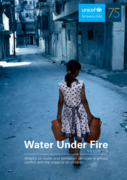
In many conflicts around the world, more children die from diseases linked to unsafe water than from direct violence. UNICEF is releasing Water Under Fire volume 3, a report that highlights the issues children face in accessing water in times of war. The report demonstrates the humanitarian impact o
...
n children through case studies from Iraq, State of Palestine, Syria, Yemen, and Ukraine. Attacks on water, sanitation services and staff must stop.
more
The internationally recognized criteria for diagnosis of neurocysticercosis include a requirement for neuroimaging techniques, such as computerized tomography (CT) and/or magnetic resonance imaging (MRI), ideally supported by serology. These facilities are not available in all settings, especially i
...
n rural areas of low-income countries, making it difficult to identify and treat patients. Additionally, there is controversy about the role, type and duration of anthelmintic, antiinflammatory and antiepileptic drug (AED) treatments for different forms of neurocysticercosis.
These guidelines were developed to assist health-care providers in appropriate, evidence-based management of parenchymal neurocysticercosis. The guidelines do not address other forms of neurocysticercosis and do not include management of extraparenchymal disease (including cysticerci in the cerebral ventricles or subarachnoid space). The aim of the guidance is to improve decision-making to ensure appropriate patient care and to avoid misdiagnoses and inappropriate treatment of patients with neurocysticercosis.
more

The Nigeria Centre for Disease Control (NCDC) declared a Yellow Fever (YF) outbreak and activated a multi-sectoral Emergency Operations Centre for coordination of Yellow Fever response on 12 November 2020. The outbreak, which mainly affected three states of Delta, Enugu and Bauchi, already recorded
...
a total of 222 suspected cases 19 confirmed cases and 76 deaths between 1 and 11 November 2020.
more
In the Region of the Americas, the leishmaniases are a group of diseases caused by various species of Leishmania, which cause a set of clinical syndromes in infected humans that can involve the skin, mucosa, and visceral organs. The spectrum of clinical disease is varied and depends on the interacti
...
on of several factors related to the parasite, the vector, and the host. Cutaneous leishmaniasis is the form most frequently reported in the Region and nearly 90% of cases present single or multiple localized lesions. Other cutaneous clinical forms, such as disseminated and diffuse cutaneous leishmaniasis, are more difficult to treat and relapses are common. The mucosal form is serious because it can cause disfigurement and severe disability if not diagnosed and treated early on. Visceral leishmaniasis is the most severe form, as it can cause death in up to 90% of untreated people.
more
Journal of Clinical TB and other Mycobacterial Diseases
uberculosis (TB) in the gastrointestinal tract or peritoneum is an uncommon condition in clinical practice. Its rarity, combined with its nonspecific presentations, makes this kind of extrapulmonary tuberculosis difficult to diagnose as it can
...
mimic other inflammatory or malignant conditions. Delays in treatment and frequent misdiagnosis can lead to hazardous complications. In countries like Ecuador where the disease is endemic, TB should always be considered in the differential diagnosis of a patients who present with nonspecific abdominal symptoms. In these scenarios, laparoscopy can be an invaluable tool when used with sufficiently high clinical awareness and adequate training.
Case presentation
We present the case of a 37-year-old female patient from Ecuador with a 1-year history of abdominal pain, nausea, intermittent vomits, night sweats, and weight loss. After clinical evaluation and a laparoscopic intervention, abdominal TB was detected and promptly treated. Antituberculosis chemotherapy was initiated, and the patient successfully reco
High clinical awareness is imperative when approaching abdominal TB due to its wide spectrum of clinical symptoms and its rarity. Early detection and prompt treatment are critical to minimize the possibility of hazardous complications.
more
