
Filter
2451
Text search:
child
functioning
Featured
252
730
Language
2379
45
41
25
25
17
11
6
5
4
4
4
4
3
3
3
3
3
3
3
2
2
2
2
2
2
2
2
2
2
2
2
2
2
2
2
2
2
2
1
1
1
1
1
1
1
1
1
1
1
1
1
Document type
1617
277
258
130
90
38
19
13
4
1
1
1
Countries
157
74
67
67
61
56
53
53
49
48
48
47
46
45
39
33
32
30
29
26
23
20
18
17
16
16
16
16
16
15
15
14
13
12
11
11
10
9
8
7
6
6
6
6
5
5
5
5
5
5
5
4
4
4
4
4
4
4
3
3
3
3
3
3
3
3
2
2
2
2
2
2
2
2
2
2
2
2
2
2
2
2
2
2
2
1
1
1
1
1
1
1
1
1
1
1
1
1
1
1
1
1
1
1
1
1
1
1
Authors & Publishers
279
104
71
68
65
61
55
48
33
29
20
18
17
17
14
13
13
12
12
11
11
11
10
10
9
9
8
8
8
8
8
8
8
8
7
7
7
7
7
7
7
6
6
6
6
6
6
6
6
6
6
6
6
6
6
6
6
6
6
6
6
6
6
6
5
5
5
5
5
5
5
5
5
5
5
5
5
5
5
5
4
4
4
4
4
4
4
4
4
4
4
4
4
4
4
4
4
4
4
4
4
4
4
4
4
3
3
3
3
3
3
3
3
3
3
3
3
3
3
3
3
3
3
3
3
3
3
3
3
3
3
3
3
3
3
3
3
3
3
3
3
3
3
3
3
3
3
3
3
3
3
3
3
3
3
3
3
2
2
2
2
2
2
2
2
2
2
2
2
2
2
2
2
2
2
2
2
2
2
2
2
2
2
2
2
2
2
2
2
2
2
2
2
2
2
2
2
2
2
2
2
2
2
2
2
2
2
2
2
2
2
2
2
2
2
2
2
2
2
2
2
2
2
2
2
2
2
2
2
2
2
2
2
2
2
2
2
2
2
2
2
2
2
2
2
2
2
2
2
2
2
2
2
2
2
2
2
2
2
2
2
2
2
2
2
2
2
2
2
2
2
2
2
2
2
2
2
2
2
2
2
2
2
2
2
2
2
2
2
2
2
2
2
2
2
2
2
2
2
2
2
2
2
2
2
2
2
2
2
2
2
2
2
2
2
2
2
2
2
2
2
2
2
2
2
2
2
2
2
2
2
2
2
2
2
2
2
2
2
2
2
1
1
1
1
1
1
1
1
1
1
1
1
1
1
1
1
1
1
1
1
1
1
1
1
1
1
1
1
1
1
1
1
1
1
1
1
1
1
1
1
1
1
1
1
1
1
1
1
1
1
1
1
1
1
1
1
1
1
1
1
1
1
1
1
1
1
1
1
1
1
1
1
1
1
1
1
1
1
1
1
1
1
1
1
1
1
1
1
1
1
1
1
1
1
1
1
1
1
1
1
1
1
1
1
1
1
1
1
1
1
1
1
1
1
1
1
1
1
1
1
1
1
1
1
1
1
1
1
1
1
1
1
1
1
1
1
1
1
1
1
1
1
1
1
1
1
1
1
1
1
1
1
1
1
1
1
1
1
1
1
1
1
1
1
1
1
1
1
1
1
1
1
1
1
1
1
1
1
1
1
1
1
1
1
1
1
1
1
1
1
1
1
1
1
1
1
1
1
1
1
1
1
1
1
1
1
1
1
1
1
1
1
1
1
1
1
1
1
1
1
1
1
1
1
1
1
1
1
1
1
1
1
1
1
1
1
1
1
1
1
1
1
1
1
1
1
1
1
1
1
1
1
1
1
1
1
1
1
1
1
1
1
1
1
1
1
1
1
1
1
1
1
1
1
1
1
1
1
1
1
1
1
1
1
1
1
1
1
1
1
1
1
1
1
1
1
1
1
1
1
1
1
1
1
1
1
1
1
1
1
1
1
1
1
1
1
1
1
1
1
1
1
1
1
1
1
1
1
1
1
1
1
1
1
1
1
1
1
1
1
1
1
1
1
1
1
1
1
1
1
1
1
1
1
1
1
1
1
1
1
1
1
1
1
1
1
1
1
1
1
1
1
1
1
1
1
1
1
1
1
1
1
1
1
1
1
1
1
1
1
1
1
1
1
1
1
1
1
1
1
1
1
1
1
1
1
1
1
1
1
1
1
1
1
1
1
1
1
1
1
1
1
1
1
1
1
1
1
1
1
1
1
1
1
1
1
1
1
1
1
1
1
1
1
1
1
1
1
1
1
1
1
1
1
1
1
1
1
1
1
1
1
1
1
1
1
1
1
1
1
1
1
1
1
1
1
1
1
1
1
1
1
1
1
1
1
1
1
1
1
1
1
1
1
1
1
1
1
1
1
1
1
1
1
1
1
1
1
1
1
1
1
1
1
1
1
1
1
1
1
1
1
1
1
1
1
1
1
1
1
1
1
1
1
1
1
1
1
1
1
1
1
1
1
1
1
1
1
1
1
1
1
1
1
1
1
1
1
1
1
1
1
1
1
1
1
1
1
1
1
1
1
1
1
1
1
1
1
1
1
1
1
1
1
1
1
1
1
1
1
1
1
1
1
1
1
1
1
1
1
1
1
1
1
1
1
1
1
1
1
1
1
1
1
1
1
1
1
1
1
1
1
1
1
1
1
1
1
1
1
1
1
1
1
1
1
1
1
1
1
1
1
1
1
1
1
1
1
1
1
1
1
1
1
1
1
1
1
1
1
1
1
1
1
1
1
1
1
1
1
1
1
1
1
1
1
1
1
1
1
1
1
1
1
1
1
1
1
1
1
1
1
1
1
1
1
1
1
1
1
1
1
1
1
1
1
1
1
1
1
1
1
1
1
1
1
1
1
1
1
1
1
1
1
1
1
1
1
1
1
1
1
1
1
1
1
1
1
1
1
1
1
1
1
1
1
1
1
1
1
1
1
1
1
1
1
1
1
1
1
1
1
1
1
1
1
1
1
1
1
1
1
1
1
1
1
1
1
1
1
1
1
1
1
1
1
1
1
1
1
1
1
1
1
1
1
1
1
1
1
1
1
1
1
1
1
1
1
1
1
1
1
1
1
1
1
1
1
1
1
1
1
1
1
1
1
1
1
1
1
1
1
1
1
1
1
1
1
1
1
1
1
1
1
1
1
1
1
1
1
1
1
1
1
1
1
1
1
1
1
1
1
1
1
1
1
1
1
1
1
1
1
1
1
1
1
1
1
1
1
1
1
1
1
1
1
1
1
1
1
1
1
1
1
1
1
1
1
1
1
1
1
1
1
1
1
1
1
1
1
1
1
1
1
1
1
1
1
1
1
1
1
1
1
1
1
1
1
1
1
1
1
1
1
1
1
1
1
1
1
1
1
1
1
1
1
1
1
1
1
1
1
1
1
1
1
1
1
1
1
1
1
1
1
1
1
1
1
1
1
1
1
1
1
1
1
1
1
1
1
1
1
1
1
1
1
1
1
1
1
1
1
1
1
1
1
1
1
1
1
1
1
1
1
1
1
1
1
1
1
1
1
1
1
1
1
1
1
1
1
1
1
1
1
1
1
1
1
1
1
1
1
1
1
1
1
1
1
1
1
1
1
1
1
1
1
1
1
1
1
1
1
1
1
1
1
1
1
1
1
1
1
1
1
1
1
1
1
1
1
1
1
1
1
1
1
1
1
1
1
1
1
1
1
1
1
1
1
1
1
1
1
1
1
1
1
1
1
1
1
1
1
1
1
1
1
1
1
1
1
1
1
1
1
1
1
1
1
1
1
1
1
1
1
1
1
1
1
1
1
1
1
1
1
1
1
1
1
1
1
1
1
1
1
1
1
1
1
1
1
1
1
1
1
1
1
1
1
1
1
1
1
1
1
1
1
1
1
1
1
1
1
1
1
1
1
1
1
1
1
1
1
1
1
1
1
1
1
1
1
1
1
1
1
1
1
1
1
1
1
1
1
1
1
1
1
1
1
1
1
1
1
1
1
1
1
1
1
1
1
1
1
1
1
1
1
1
1
1
1
1
1
1
1
1
1
1
1
1
1
1
1
1
1
1
1
1
1
1
1
1
1
1
1
1
1
1
1
1
1
1
1
1
1
1
1
1
1
1
1
1
1
1
1
1
1
1
1
1
1
1
1
1
1
1
1
1
1
1
1
1
1
1
1
1
1
1
1
1
1
1
1
1
1
1
1
1
1
1
1
1
1
1
1
1
1
1
1
1
1
1
1
1
1
1
1
1
1
1
1
1
1
1
1
1
1
1
1
1
1
1
1
1
1
1
1
1
1
1
1
1
1
1
1
1
1
1
1
1
1
1
1
1
1
1
1
1
1
1
1
1
1
1
1
1
1
1
1
1
1
1
1
1
1
1
1
1
1
1
1
1
1
1
1
1
1
1
1
1
1
1
1
1
1
1
1
1
1
1
1
1
1
1
1
1
1
1
1
1
1
1
1
1
1
1
1
1
1
1
1
1
1
1
1
1
1
1
1
1
1
1
1
1
1
1
1
1
1
1
1
1
1
1
1
1
1
1
1
1
1
1
1
1
1
1
1
1
1
1
1
1
1
1
1
1
1
1
1
1
1
1
1
1
1
1
1
1
1
1
1
1
1
1
1
1
1
1
1
1
1
1
1
1
1
1
1
1
1
1
1
1
1
1
1
1
1
1
1
1
1
1
1
1
1
1
1
1
1
1
1
1
1
1
1
1
1
1
1
1
1
1
1
1
1
1
1
1
1
1
1
1
1
1
1
1
1
1
1
1
1
1
1
1
1
1
1
1
1
1
1
1
1
1
1
1
1
1
1
1
1
1
1
1
1
1
1
1
1
1
1
1
1
1
1
1
1
1
1
1
1
1
1
1
1
1
1
1
1
1
1
1
1
1
1
1
1
1
1
1
1
1
1
1
1
1
1
1
1
1
1
1
1
1
1
1
1
1
1
1
1
1
1
1
1
1
1
1
1
1
1
1
1
1
1
1
1
1
1
1
1
1
1
1
1
1
1
1
1
1
1
1
1
1
1
1
1
1
1
1
1
1
1
1
1
1
1
1
1
1
1
1
1
1
1
1
1
1
1
1
1
1
1
1
1
1
1
1
1
1
1
1
1
1
1
1
1
1
1
1
1
1
1
1
1
1
1
1
1
1
1
1
1
1
1
1
1
1
1
1
1
1
1
1
1
1
1
1
1
1
1
1
1
1
1
1
1
1
1
1
1
1
1
1
1
1
1
1
Publication Years
514
1643
285
9
Category
998
184
183
128
115
68
9
Toolboxes
400
227
105
98
71
57
53
52
51
48
41
35
27
26
25
24
22
19
17
14
12
11
6
3
2
1
1

Confronted with the important issue of patient safety, in 2002 the Fifty-fifth World Health Assembly adopted a resolution urging countries to pay the closest possible attention to the problem and to strengthen safety and monitoring systems. In May 2004, the Fifty-seventh World Health Assembly approv
...
ed the creation of an international alliance as a global initiative to improve patient safety. The World Alliance for Patient Safety was launched in October 2004 and currently has its place in the WHO Patient Safety programme included in the Information, Evidence and Research Cluster.
more
Briefing note on addressing mental health and psychosocial aspects of COVID-19 Outbreak- Version 1.1
recommended
This briefing note summarises key mental health and psychosocial support (MHPSS) considerations in relation to the 2019 novel coronavirus (COVID-19) outbreak.

Water, sanitation, hygiene, and waste management for SARS-CoV-2, the virus that causes COVID-19
recommended
Updated Interim guidance 29 July 2020
The provision of safe water, sanitation and waste management and hygienic conditions is essential for preventing and for protecting human health during all infectious disease outbreaks, including of coronavirus disease 2019 (COVID-19). Ensuring evidenced-based
...
and consistently applied WASH and waste management practices in communities, homes, schools, marketplaces, and healthcare facilities will help prevent human-to-human transmission of pathogens including SARS-CoV-2, the virus that causes COVID-19.
more

Indiscriminate attacks on health care have contributed to an epic humanitarian catastrophe in Yemen. A new report tracks these attacks in the hope of holding perpetrators on all sides accountable.
It details how both Houthi forces—with their use of wide-area impact weapons—and the Saudi-Emir
...
ati coalition—with their aerial attacks—have flagrantly disregarded the special status of health facilities and personnel in conflict zones.
more
Internationally, there is a growing concern over antimicro-bial resistance (AMR) which is currently estimated to ac-count for more than 700,000 deaths per year worldwide. If no appropriate measures are taken to halt its pro-gress, AMR will cost approximately 10 million lives andabout US$100 trillion
...
per year by 2050. In contrast tosome other health issues, AMR is a problem that con-cerns every country irrespective of its level of incomeand development as resistant pathogens do not respect borders.Despite the threat presented by AMR, the 2014 WorldHealth Organization (WHO) and the recent O’Neill re-port describe significant gaps in surveillance, standardmethodologies and data sharing. The 2014 WHOreport identified Africa and South East Asia as the regions without established AMR surveillance systems.
Tadesseet al. BMC Infectious Diseases (2017) 17:616 DOI 10.1186/s12879-017-2713-1
more

Antibiotics and other antimicrobial agents are invaluable life savers, particularly in resource-limited countries where infectious diseases are abundant. Both uncomplicated and severe infections are potentially curable as long as the aetiological agents are susceptible to the
...
antimicrobial drugs. The rapid rate with which antimicrobial agents are becoming ineffective due to resistance acquired as a result of unchecked overuse and misuse threatens to undo the benefit of controlling infections. The evidence for resistant microorganisms, many times to more than a single antimicrobial agent, has been observed globally. In Tanzania, there is evidence in the form of few scattered studies conducted in different parts of the country in a multitude of settings including health care facilities, the community, domesticated animals and wild animals
more

South Africa has faced many challenges over the past two decades, accomplishing profound positive changes in the social structure and government of the nation. This has not yet fully translated into better health for the population, however, particularly the poorest segment. In fact, the p
...
opulation has lost ground since the 1990s in virtually all important health indicators, leaving South Africa with a high burden of infectious disease.
August 2011, Vol. 101, No. 8 SAMJ
more

Event-based surveillance (EBS) is defined as the organized collection, monitoring, assessment and interpretation of mainly unstructured ad hoc information regarding health events or risks, which may represent an acute risk to health. Both indicator-based and event-based surveillance components serve
...
the early warning and response (EWAR) function of the public health surveillance system. The Framework for Event-based Surveillance offers guidance to public health practitioners seeking to implement EBS at each administrative level in their countries.
more

Using the WHO model list of essential medicines to update a national essential medicines list
Since 1977, WHO has been working with countries to design the package of essential medicines as an integral component of treatment within the continuum of care, developing and disseminating the Model List
...
of Essential Medicines (Model List). WHO is committed to supporting Member States in sharing best practices in selecting
essential medicines, and in developing processes for the selection of medicines for national essential medicines lists (national EMLs, or NEMLs) consistent with the evidence-based methods used for updating the WHO Model List.
more

COVID-19 Response Plan
OCHA; Reliefweb; Philippines Humanitarian Country Team
OCHA; Reliefweb; Philippines Humanitarian Country Team
(2020)
C2
March – June 2020
This update: 3 April 2020
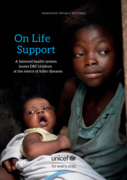
ON LIFE SUPPORT3The Democratic Republic of Congo’s Ebola outbreak has been contained, but confl ict and under-development leave over three million children at risk from measles and other killer diseases. The country’s medical services – ill-equipped and under-resourced – are on life support
...
and in no condition to protect children unless urgent measures are taken.
more
FAO’s component of the Global COVID-19 Humanitarian Response Plan
18.5.2020

Frequently asked questions (FAQs)
This document highlights COVID-19 specific considerations in relation to camp and camp-like settings, and is intended to assist in guiding operations where camp/site management5 is being implemented. Although the guidance - structured around questions from the fiel
...
d - is intended for camp/site managers, UNHCR senior managers/ heads of ooffices, field coordinators and other staff (e.g. programme, protection) should be aware of the guidance and the operational implications in order to provide appropriate support, including to partners implementing camp/site management programmes.
more

The State of the world’s nursing 2020 report provides the latest, most up-to-date evidence on and policy options for the global nursing workforce. It also presents a compelling case for considerable – yet feasible – investment in nursing education, jobs, and leadership.
The primary chapters
...
of the report outline the role and contributions of nurses with respect to the WHO “triple billion” targets; the health labour market and workforce policy levers to address the challenges to nurses working to their full potential; the findings from analysis of National Health Workforce Account (NHWA) data from 191 Member States and progress in relation to the projected shortfall of nurses by 2030; and forward-looking policy options for an agenda to strengthen the nursing workforce to deliver the Sustainable Development Goals, improve health for all, and strengthen the primary health care workforce on our journey towards universal health coverage.
more

WHO Guidance for Climate Resilient and Environmentally Sustainable Health Care Facilities
recommended
The aim of this guidance is to enhance the capacity of health care facilities to protect and improve the health of their target communities in an unstable and changing climate; and to empower health care facilities to be environmentally sustainable, by optimizing the use of resources and minimizing
...
the release of waste into the environment. Climate resilient and environmentally sustainable health care facilities contribute to high quality of care and accessibility of services, and by helping reduce facility costs also ensure better affordability. They are, therefore, an important component of universal health coverage (UHC).
more
Accessed: 02.05.2020
These consolidated guidelines provide recommendations for comprehensive prevention and case management strategies in Kenya
Scope of the Guidelines: Infection prevention and control Patient triage Emergency Medical Services Case management Laboratory testing algorithm
Target
...
Audience: Health care workers taking care of patients suspected or confirmed to have COVID-19
These guidelines combine both preventive and clinical management of the disease in Kenyan context. The protocol borrows various international recommendations including the World Health Organization, from experience of other countries such as China that has struggled with the outbreak for a longer time and from principles of virology and infectious disease management.
more

The following Emergency Response Plan for the COVID-19 pandemic seeks to set out activities that will be undertaken by humanitarian actors in Ukraine over the course of 2020 to respond to the public health impact of the epidemic – as well as the indirect, socio-economic impact on people’s well-b
...
eing, which will span across many areas. Given the extensive public exposure of the COVID-19 threat, the response will cover the whole of Ukraine, while providing a distinct focus on Donetska and Luhanska oblasts that have been ravaged by an armed conflict for the last six consecutive years. The planned COVID-19 response in the two conflict-affected oblasts will be treated as an annex to the current Humanitarian Response Plan for Ukraine
more
Internally displaced persons (IDPs), refugees, migrants and returnees constitute a sizeable population in the WHO Eastern Mediterranean Region. There were 12 million refugees (half are Palestinians) and 13 million IDPs in the Region as of 2018. These populations are often vul
...
nerable to poor health due to the conditions they live in and limited access to needed quality health care. In addition, those who can access care, are often faced with financial hardship. There are also 46 million professionals and low-income labour migrants in the Region (of which 22 million are from the Region), with differential access to health services and varied health coverage schemes
more
