Filter
2588
Text search:
national
TB
guidelines
Featured
286
867
Language
2319
127
61
59
13
13
10
7
6
5
3
2
2
2
1
1
1
1
1
1
1
1
1
1
1
1
1
1
1
Document type
1584
356
325
115
104
42
34
13
6
3
3
1
1
Countries
182
109
108
81
71
70
68
61
57
56
56
51
48
47
46
44
42
39
39
36
32
30
28
27
25
24
24
20
18
18
18
16
15
15
14
13
12
12
12
11
11
10
9
8
8
7
7
7
7
6
5
5
5
5
5
4
4
4
4
4
4
4
4
4
3
3
3
3
3
3
3
3
3
3
2
2
2
2
2
2
2
2
2
2
1
1
1
1
1
1
1
1
1
1
1
1
1
1
1
1
1
1
1
1
1
1
1
1
1
1
1
1
1
1
1
1
1
1
1
1
1
1
1
1
1
1
Authors & Publishers
265
138
62
61
57
49
44
32
26
25
23
22
21
21
20
18
17
17
16
16
15
15
15
15
14
14
13
13
12
12
12
11
11
11
11
10
10
10
10
10
10
10
9
8
8
8
8
8
8
8
7
7
7
7
7
7
7
7
7
6
6
6
6
6
6
6
6
6
6
6
6
6
6
5
5
5
5
5
5
5
5
5
5
5
5
5
5
5
5
5
5
5
5
4
4
4
4
4
4
4
4
4
4
4
4
4
4
4
4
4
4
4
4
4
4
4
4
4
4
4
4
4
4
4
4
4
4
3
3
3
3
3
3
3
3
3
3
3
3
3
3
3
3
3
3
3
3
3
3
3
3
3
3
3
3
3
3
3
3
3
3
3
3
3
3
3
3
3
3
3
3
3
3
3
3
3
3
3
3
3
3
3
3
3
3
3
3
2
2
2
2
2
2
2
2
2
2
2
2
2
2
2
2
2
2
2
2
2
2
2
2
2
2
2
2
2
2
2
2
2
2
2
2
2
2
2
2
2
2
2
2
2
2
2
2
2
2
2
2
2
2
2
2
2
2
2
2
2
2
2
2
2
2
2
2
2
2
2
2
2
2
2
2
2
2
2
2
2
2
2
2
2
2
2
2
2
2
2
2
2
2
2
2
2
2
2
2
2
2
2
2
2
2
2
2
2
2
2
2
2
2
2
2
2
2
2
2
2
2
2
2
2
2
2
2
2
2
2
2
2
2
2
2
2
2
2
2
2
2
2
2
2
2
2
2
2
2
2
2
2
2
2
2
2
2
2
2
2
2
2
2
2
2
2
2
2
2
2
1
1
1
1
1
1
1
1
1
1
1
1
1
1
1
1
1
1
1
1
1
1
1
1
1
1
1
1
1
1
1
1
1
1
1
1
1
1
1
1
1
1
1
1
1
1
1
1
1
1
1
1
1
1
1
1
1
1
1
1
1
1
1
1
1
1
1
1
1
1
1
1
1
1
1
1
1
1
1
1
1
1
1
1
1
1
1
1
1
1
1
1
1
1
1
1
1
1
1
1
1
1
1
1
1
1
1
1
1
1
1
1
1
1
1
1
1
1
1
1
1
1
1
1
1
1
1
1
1
1
1
1
1
1
1
1
1
1
1
1
1
1
1
1
1
1
1
1
1
1
1
1
1
1
1
1
1
1
1
1
1
1
1
1
1
1
1
1
1
1
1
1
1
1
1
1
1
1
1
1
1
1
1
1
1
1
1
1
1
1
1
1
1
1
1
1
1
1
1
1
1
1
1
1
1
1
1
1
1
1
1
1
1
1
1
1
1
1
1
1
1
1
1
1
1
1
1
1
1
1
1
1
1
1
1
1
1
1
1
1
1
1
1
1
1
1
1
1
1
1
1
1
1
1
1
1
1
1
1
1
1
1
1
1
1
1
1
1
1
1
1
1
1
1
1
1
1
1
1
1
1
1
1
1
1
1
1
1
1
1
1
1
1
1
1
1
1
1
1
1
1
1
1
1
1
1
1
1
1
1
1
1
1
1
1
1
1
1
1
1
1
1
1
1
1
1
1
1
1
1
1
1
1
1
1
1
1
1
1
1
1
1
1
1
1
1
1
1
1
1
1
1
1
1
1
1
1
1
1
1
1
1
1
1
1
1
1
1
1
1
1
1
1
1
1
1
1
1
1
1
1
1
1
1
1
1
1
1
1
1
1
1
1
1
1
1
1
1
1
1
1
1
1
1
1
1
1
1
1
1
1
1
1
1
1
1
1
1
1
1
1
1
1
1
1
1
1
1
1
1
1
1
1
1
1
1
1
1
1
1
1
1
1
1
1
1
1
1
1
1
1
1
1
1
1
1
1
1
1
1
1
1
1
1
1
1
1
1
1
1
1
1
1
1
1
1
1
1
1
1
1
1
1
1
1
1
1
1
1
1
1
1
1
1
1
1
1
1
1
1
1
1
1
1
1
1
1
1
1
1
1
1
1
1
1
1
1
1
1
1
1
1
1
1
1
1
1
1
1
1
1
1
1
1
1
1
1
1
1
1
1
1
1
1
1
1
1
1
1
1
1
1
1
1
1
1
1
1
1
1
1
1
1
1
1
1
1
1
1
1
1
1
1
1
1
1
1
1
1
1
1
1
1
1
1
1
1
1
1
1
1
1
1
1
1
1
1
1
1
1
1
1
1
1
1
1
1
1
1
1
1
1
1
1
1
1
1
1
1
1
1
1
1
1
1
1
1
1
1
1
1
1
1
1
1
1
1
1
1
1
1
1
1
1
1
1
1
1
1
1
1
1
1
1
1
1
1
1
1
1
1
1
1
1
1
1
1
1
1
1
1
1
1
1
1
1
1
1
1
1
1
1
1
1
1
1
1
1
1
1
1
1
1
1
1
1
1
1
1
1
1
1
1
1
1
1
1
1
1
1
1
1
1
1
1
1
1
1
1
1
1
1
1
1
1
1
1
1
1
1
1
1
1
1
1
1
1
1
1
1
1
1
1
1
1
1
1
1
1
1
1
1
1
1
1
1
1
1
1
1
1
1
1
1
1
1
1
1
1
1
1
1
1
1
1
1
1
1
1
1
1
1
1
1
1
1
1
1
1
1
1
1
1
1
1
1
1
1
1
1
1
1
1
1
1
1
1
1
1
1
1
1
1
1
1
1
1
1
1
1
1
1
1
1
1
1
1
1
1
1
1
1
1
1
1
1
1
1
1
1
1
1
1
1
1
1
1
1
1
1
1
1
1
1
1
1
1
1
1
1
1
1
1
1
1
1
1
1
1
1
1
1
1
1
1
1
1
1
1
1
1
1
1
1
1
1
1
1
1
1
1
1
1
1
1
1
1
1
1
1
1
1
1
1
1
1
1
1
1
1
1
1
1
1
1
1
1
1
1
1
1
1
1
1
1
1
1
1
1
1
1
1
1
1
1
1
1
1
1
1
1
1
1
1
1
1
1
1
1
1
1
1
1
1
1
1
1
1
1
1
1
1
1
1
1
1
1
1
1
1
1
1
1
1
1
1
1
1
1
1
1
1
1
1
1
1
1
1
1
1
1
1
1
1
1
1
1
1
1
1
1
1
1
1
1
1
1
1
1
1
1
1
1
1
1
1
1
1
1
1
1
1
1
1
1
1
1
1
1
1
1
1
1
1
1
1
1
1
1
1
1
1
1
1
1
1
1
1
1
1
1
1
1
1
1
1
1
1
1
1
1
1
1
1
1
1
1
1
1
1
1
1
1
1
1
1
1
1
1
1
1
1
1
1
1
1
1
1
1
1
1
1
1
1
1
1
1
1
1
1
1
1
1
1
1
1
1
1
1
1
1
1
1
1
1
1
1
1
1
1
1
1
1
1
1
1
1
1
1
1
1
1
1
1
1
1
1
1
1
1
1
1
1
1
1
1
1
1
1
1
1
1
1
1
1
1
1
1
1
1
1
1
1
1
1
1
1
1
1
1
1
1
1
1
1
1
1
1
1
1
1
1
1
1
1
1
1
1
1
1
1
1
1
1
1
1
1
1
1
1
1
1
1
1
1
1
1
1
1
1
1
1
1
1
1
1
1
1
1
1
1
1
1
1
1
1
1
1
1
1
1
1
1
1
1
1
1
1
1
1
1
1
1
1
1
1
1
1
1
1
1
1
1
1
1
1
1
1
1
1
1
1
1
1
1
1
1
1
1
1
1
1
1
1
1
1
1
1
1
1
1
1
1
1
1
1
1
1
1
1
1
1
1
1
1
1
1
1
1
1
1
1
1
1
1
1
1
1
1
1
1
1
1
1
1
1
1
1
1
1
1
1
1
1
1
1
1
1
1
1
1
1
1
1
1
1
1
1
1
1
1
1
1
1
1
1
1
1
1
1
1
1
1
1
1
1
1
1
1
1
1
1
1
1
1
1
1
1
1
1
1
1
1
1
1
1
1
1
1
1
1
1
1
1
1
1
1
1
1
1
1
1
1
1
1
1
1
1
1
1
1
1
1
1
1
1
1
1
1
1
1
1
1
1
1
1
1
1
1
1
1
1
1
1
1
1
1
1
1
1
1
1
1
1
1
1
1
1
1
1
1
1
1
1
1
1
1
1
1
1
1
1
1
1
1
1
1
1
1
1
1
1
1
1
1
1
1
1
1
1
1
1
1
1
1
1
1
1
1
1
1
1
1
1
1
1
1
1
1
1
1
1
1
1
1
1
1
1
1
1
1
1
1
1
1
1
1
1
1
1
1
1
1
1
1
1
1
1
1
1
1
1
1
1
1
1
1
1
1
1
1
1
1
1
1
1
1
1
1
1
1
1
1
1
1
1
1
1
1
1
1
1
1
1
1
1
1
1
1
1
1
1
1
1
1
1
1
1
1
1
1
1
1
1
1
1
1
1
1
1
1
1
1
1
1
1
1
1
1
1
1
1
1
1
1
1
1
1
1
1
1
1
1
1
1
1
1
1
1
1
Publication Years
571
1734
276
7
Category
1406
194
97
79
77
42
30
1
Toolboxes
520
178
112
81
59
53
46
46
35
33
28
27
24
22
22
20
17
15
13
13
12
7
5
3
3
DHS Further Analysis Reports No. 115
SRHR, HIV AND AIDS Governance Manual

Лечение лекарственно-устойчивого туберкулеза. Что для этого нужно?
Беверли Коллин, Филипп дю Крос, Натан Форд, Джо Хатчинсон, Наташа Льюэр, Лесли Шэнкс, Франсис Варэн
Medecins Sans Frontiers
(2011)
C2
Брошюра состоит из двух частей. В первой приводятся практические примеры, иллюстрирующие все составляющие ухода за пациентами, во второй части представлены данныÐ
...
µ и комментарии о последних исследованиях и разработках.
more
Клиническое Руководство
Борьба с туберкулезом в тюрьмах
IvanBastian, Martien Borgdorff, Tine Demeulenaere et al.
Global Tuberculosis Proqramme, World Health Organization
(2002)
C2
В помощь руководи*телям и практикующим врачам приведены конкретные меры, направ*ленные на улучшение медицинской помощи и обеспечение равногодоступа к не
...
й заключенных, необходимые юридические инструменты, рекомендации по организации работы лабораторных и противотубер*кулезных служб, методы диагностики и ведения больных, образцыспециальной документации, перечни профилактических и санитарно*просветительных мероприятий.
more
The objective of this brief is to consolidate WHO guidance to support the implementation of high-quality HIV services through approaches to policy, strategy and service delivery, to suggest considerations for selecting measures of high-quality services and to provide case examples of quality managem
...
ent in HIV services in low- and middle- income countries.
more
В настоящем отчете (это уже четвертое его издание) анализируются препятствия и факторы, затрудняющие доступ к препаратам для лечения лекарственно-устойчивого тубÐ
...
µркулеза, в том числе новым и применяющимся по новым показаниям.
more
Policy Brief

Objective: The study aimed to describe the current epidemiological, clinical and immunological profile of newly
detected HIV - positive patients in Northern Benin by 2016. Methods: It was a prospective study conducted from May 2 to
October 31, 2016 on three main sites of care of people living with
...
HIV (PLHIV) in the department of Borgou in Benin. All
new cases of HIV infection have been systematically and comprehensively recruited. Initial epidemiological, clinical and
immunological data were collected using a questionnaire. These data were entered and analyzed using the Epi Info 7 software.
Results: In total, 185 adults (68 male and 117 female) newly screened HIV positive were included in this study. The middle age
was 36.2 ± 10.9 years and the sex ratio was 0.6 One hundred and thirty-five patients (73%) were between 25 and 50 years old.
In terms of the profession, 132 patients (71.3%) were engaged in liberal activities (craftmen, traders and retailers). The
majority was schooled (113 or 61.1%) and resided in urban areas (146 or 79%). One hundred and sixteen patients lived in
couple (62.7%) with an average monthly income estimated at 70 US Dollars. Clinically, 123 patients (66.5%) were in WHO
stage III. The body mass index was over 18.5 kg/m2 in 124 patients (67%). The median number of TCD4 lymphocytes was
254.5 cells/ml and 25 patients (13.5%) had a number of CD4 over 500 cells/ml. HIV1 was really predominant (97.8%). Most
patients (152 or 82.2%) had been screened for clinical suspicion. Conclusion: HIV infection in Benin remains the prerogative
of young, female, educated and poor people. Screening is delayed and hence the need to develop innovative strategies for early
more
Of the 50 antibiotics in the pipeline, 32 target WHO priority pathogens but the majority have only limited benefits when compared to existing antibiotics. Two of these are active against the multi-drug resistant Gram-negative bacteria, which are spreading rapidly and require urgent solutions.
Gr
...
am-negative bacteria, such as Klebsiella pneumoniae and Escherichia coli, can cause severe and often deadly infections that pose a particular threat for people with weak or not yet fully developed immune systems, including newborns, ageing populations, people undergoing surgery and cancer treatment.
The report highlights a worrying gap in activity against the highly resistant NDM-1 (New Delhi metallo-beta-lactamase 1), with only three antibiotics in the pipeline. NDM-1 makes bacteria resistant to a broad range of antibiotics, including those from the carbapenem family, which today are the last line of defence against antibiotic-resistant bacterial infections.
more

Accessed on 13.02.2020
Tirer pleinement profit du dividende démographique, mettre fin à l’épidémie de sida et assurer durablement la santé pour tous en Afrique.
Ce rapport plaide pour une nouvelle initiative majeure : recruter, former et déployer rapidement 2 millions d’agents de s
...
anté communautaires en Afrique. S’appuyant sur un vaste éventail de preuves et une solide expérience régionale, le rapport montre comment les agents de santé communautaires sauvent des vies et améliorent la qualité de vie. Il montre également comment les investissements dans les agents de santé communautaires exploitent efficacement le dividende démographique, réduisent l’inégalité entre les sexes et accélèrent la croissance économique et le développement. En effet, les avantages des agents de santé communautaires s’étendent sur l’ensemble du programme de développement durable.
more
Healthcare-associated infections (HAI) are a significant burden globally, with millions of patients affected each year. These infections affect both high- and limited-resource healthcare settings, but in limited-resource settings, rates are approximately twice as high as high-resource settings (15 o
...
ut of every 100 patients versus 7 out of every 100 patients). Furthermore, rates of infections within certain patient populations are significantly higher in limited-resource settings, including surgical patients, patients in intensive-care units (ICU) and neonatal units. It is well documented that environmental contamination plays a role in the transmission of HAIs in healthcare settings. Therefore, environmental cleaning is a fundamental intervention for infection prevention and control (IPC).It is a multifaceted intervention that involves cleaning and disinfection (when indicated) of the environment alongside other key program elements to support successful implementation (e.g., leadership support, training, monitoring, and feedback mechanisms). To be effective, environmental cleaning activities must be implemented within the framework of the facility IPC program, and not as a standalone intervention. It is also essential that IPC programs advocate for and work with facility administration and government officials to budget, operate and maintain adequate water, sanitation and hygiene (WASH) infrastructure to ensure that environmental cleaning can be performed according to best practices.
more
This survey is part of a series of eight country surveys conducted in the context of the People that Deliver Initiative (peoplethatdeliver.org). This global initiative, which brings together the world’s largest organizations, aims to improve health services performance through the professionalizat
...
ion of logistics managers.
more

This paper was developed to support AMR coordination committees and others tasked with addressing AMR at country level to do just that. Drawing on the published literature and the operational experience and expertise of different LMICs, the paper points to six key strategies for success and offers a
...
series of practical tips and suggestions on how to implement each one.
more

The Global Antibiotic Resistance Partnership (GARP)-Mozambique team, in partnership with the Center for Disease Dynamics, Economics & Policy (CDDEP), has produced this report as part of a solid com-mitment to develop actionable policy proposals to tackle antibiotic resistance and improve appropriate
...
antibiotic access. It is the result of a thorough review of published and unpublished data on antibiotic resistance and a long internal consultation effort that engaged academic scientists, health professionals and other stakeholders within Mozambique.
more
23 December 2020 This document summarizes WHO recommendations for the rational use of personal protective equipment (PPE) in health care settings and temporary strategies during acute supply shortages. This document also contains 2 Annex sections describing updated PPE use recommendations for health
...
workers based on the transmission scenario, setting, and activity in the context of COVID-19 (Annex 1), and updated considerations for the decontamination or reprocessing of PPE (Annex 2). This guidance is intended for public health authorities, organizations, and focal persons involved in decisions regarding PPE distribution, management, and use by health workers.
Available in Arabic, French, English, Spanish and Russian
more
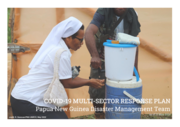
This revision to the Disaster Management Team’s (DMT) multi-sector response plan for COVID-19 is meant to align the multi-sector plan with the Department of Health’s COVID-19 Emergency Response Plan issued on 24 April 2020.