
Filter
2079
Text search:
isolation
policy
Featured
226
479
Language
2018
53
42
29
26
20
16
15
5
3
2
2
2
2
2
2
2
2
1
1
1
1
1
1
1
1
1
1
1
1
1
1
1
1
1
1
1
1
1
1
1
Document type
1021
390
316
167
84
48
22
18
5
4
2
1
Countries
84
76
72
68
66
55
43
38
33
33
32
31
30
29
27
26
24
24
24
24
23
23
20
19
17
16
15
15
14
14
13
13
12
12
11
10
9
9
9
9
8
8
8
7
6
6
6
6
6
6
6
6
5
5
5
5
5
4
4
4
4
4
4
4
3
3
3
3
3
3
3
3
3
2
2
2
2
2
2
2
2
2
2
2
2
2
2
2
2
1
1
1
1
1
1
1
1
1
1
1
1
1
1
1
1
1
1
1
1
1
1
1
1
1
1
1
1
1
Authors & Publishers
343
90
87
52
43
38
29
27
26
17
12
12
12
11
11
10
10
10
9
9
9
9
8
8
8
8
8
8
8
8
8
8
7
7
7
7
7
7
7
7
7
6
6
6
6
6
6
5
5
5
5
5
5
5
5
5
5
5
5
5
4
4
4
4
4
4
4
4
4
4
4
4
4
4
4
4
4
4
4
4
3
3
3
3
3
3
3
3
3
3
3
3
3
3
3
3
3
3
3
3
3
3
3
3
3
3
3
3
3
3
3
3
3
3
3
3
3
3
3
3
2
2
2
2
2
2
2
2
2
2
2
2
2
2
2
2
2
2
2
2
2
2
2
2
2
2
2
2
2
2
2
2
2
2
2
2
2
2
2
2
2
2
2
2
2
2
2
2
2
2
2
2
2
2
2
2
2
2
2
2
2
2
2
2
2
2
2
2
2
2
2
2
2
2
2
2
2
2
2
2
2
2
2
2
2
2
2
2
2
2
2
2
2
2
2
2
2
2
2
2
2
2
2
2
2
2
2
2
2
2
2
2
2
2
2
2
2
2
2
2
2
2
2
1
1
1
1
1
1
1
1
1
1
1
1
1
1
1
1
1
1
1
1
1
1
1
1
1
1
1
1
1
1
1
1
1
1
1
1
1
1
1
1
1
1
1
1
1
1
1
1
1
1
1
1
1
1
1
1
1
1
1
1
1
1
1
1
1
1
1
1
1
1
1
1
1
1
1
1
1
1
1
1
1
1
1
1
1
1
1
1
1
1
1
1
1
1
1
1
1
1
1
1
1
1
1
1
1
1
1
1
1
1
1
1
1
1
1
1
1
1
1
1
1
1
1
1
1
1
1
1
1
1
1
1
1
1
1
1
1
1
1
1
1
1
1
1
1
1
1
1
1
1
1
1
1
1
1
1
1
1
1
1
1
1
1
1
1
1
1
1
1
1
1
1
1
1
1
1
1
1
1
1
1
1
1
1
1
1
1
1
1
1
1
1
1
1
1
1
1
1
1
1
1
1
1
1
1
1
1
1
1
1
1
1
1
1
1
1
1
1
1
1
1
1
1
1
1
1
1
1
1
1
1
1
1
1
1
1
1
1
1
1
1
1
1
1
1
1
1
1
1
1
1
1
1
1
1
1
1
1
1
1
1
1
1
1
1
1
1
1
1
1
1
1
1
1
1
1
1
1
1
1
1
1
1
1
1
1
1
1
1
1
1
1
1
1
1
1
1
1
1
1
1
1
1
1
1
1
1
1
1
1
1
1
1
1
1
1
1
1
1
1
1
1
1
1
1
1
1
1
1
1
1
1
1
1
1
1
1
1
1
1
1
1
1
1
1
1
1
1
1
1
1
1
1
1
1
1
1
1
1
1
1
1
1
1
1
1
1
1
1
1
1
1
1
1
1
1
1
1
1
1
1
1
1
1
1
1
1
1
1
1
1
1
1
1
1
1
1
1
1
1
1
1
1
1
1
1
1
1
1
1
1
1
1
1
1
1
1
1
1
1
1
1
1
1
1
1
1
1
1
1
1
1
1
1
1
1
1
1
1
1
1
1
1
1
1
1
1
1
1
1
1
1
1
1
1
1
1
1
1
1
1
1
1
1
1
1
1
1
1
1
1
1
1
1
1
1
1
1
1
1
1
1
1
1
1
1
1
1
1
1
1
1
1
1
1
1
1
1
1
1
1
1
1
1
1
1
1
1
1
1
1
1
1
1
1
1
1
1
1
1
1
1
1
1
1
1
1
1
1
1
1
1
1
1
1
1
1
1
1
1
1
1
1
1
1
1
1
1
1
1
1
1
1
1
1
1
1
1
1
1
1
1
1
1
1
1
1
1
1
1
1
1
1
1
1
1
1
1
1
1
1
1
1
1
1
1
1
1
1
1
1
1
1
1
1
1
1
1
1
1
1
1
1
1
1
1
1
1
1
1
1
1
1
1
1
1
1
1
1
1
1
1
1
1
1
1
1
1
1
1
1
1
1
1
1
1
1
1
1
1
1
1
1
1
1
1
1
1
1
1
1
1
1
1
1
1
1
1
1
1
1
1
1
1
1
1
1
1
1
1
1
1
1
1
1
1
1
1
1
1
1
1
1
1
1
1
1
1
1
1
1
1
1
1
1
1
1
1
1
1
1
1
1
1
1
1
1
1
1
1
1
1
1
1
1
1
1
1
1
1
1
1
1
1
1
1
1
1
1
1
1
1
1
1
1
1
1
1
1
1
1
1
1
1
1
1
1
1
1
1
1
1
1
1
1
1
1
1
1
1
1
1
1
1
1
1
1
1
1
1
1
1
1
1
1
1
1
1
1
1
1
1
1
1
1
1
1
1
1
1
1
1
1
1
1
1
1
1
1
1
1
1
1
1
1
1
1
1
1
1
1
1
1
1
1
1
1
1
1
1
1
1
1
1
1
1
1
1
1
1
1
1
1
1
1
1
1
1
1
1
1
1
1
1
1
1
1
1
1
1
1
1
1
1
1
1
1
1
1
1
1
1
1
1
1
1
1
1
1
1
1
1
1
1
1
1
1
1
1
1
1
1
1
1
1
1
1
1
1
1
1
1
1
1
1
1
1
1
1
1
1
1
1
1
1
1
1
1
1
1
1
1
1
1
1
1
1
1
1
1
1
1
1
1
1
1
1
1
1
1
1
1
1
1
1
1
1
1
1
1
1
1
1
1
1
1
1
1
1
1
1
1
1
1
1
1
1
1
1
1
1
1
1
1
1
1
1
1
1
1
1
1
1
1
1
1
1
1
1
1
1
1
1
1
1
1
1
1
1
1
1
1
1
1
1
1
1
1
1
1
1
1
1
1
1
1
1
1
1
1
1
1
1
1
1
1
1
1
1
1
1
1
1
1
1
1
1
1
1
1
1
1
1
1
1
1
1
1
1
1
1
1
1
1
1
1
1
1
1
1
1
1
1
1
1
1
1
1
1
1
1
1
1
1
1
1
1
1
1
1
1
1
1
1
1
1
1
1
1
1
1
1
1
1
1
1
1
1
1
1
1
1
1
1
1
1
1
1
1
1
1
1
1
1
1
1
1
1
1
1
1
1
1
1
1
1
1
1
1
1
1
1
1
1
1
1
1
1
1
1
1
1
1
1
1
1
1
1
1
1
1
1
1
1
1
1
1
1
1
1
1
1
1
1
1
1
1
1
1
1
1
1
1
1
1
1
1
1
1
1
1
1
1
1
1
1
1
1
1
1
1
1
1
1
1
1
1
1
1
1
1
1
1
1
1
1
1
1
1
1
1
1
1
1
1
1
1
1
1
1
1
1
1
1
1
1
1
1
1
1
1
1
1
1
1
1
1
1
1
1
1
1
1
1
1
1
1
1
1
1
1
1
1
1
1
1
1
1
1
1
1
1
1
1
1
1
1
1
1
1
1
1
1
1
1
1
1
1
1
1
1
1
1
1
1
1
1
1
1
1
1
1
1
1
1
1
1
1
1
1
1
1
1
1
1
1
1
1
1
1
1
1
1
1
1
1
1
1
1
1
1
1
1
1
1
1
1
1
1
1
1
1
1
1
1
1
1
1
1
1
1
1
1
1
1
1
1
1
1
1
1
1
1
1
1
1
1
1
1
1
1
1
1
1
1
1
1
1
1
1
1
1
1
1
1
1
1
1
1
1
1
1
1
1
1
1
1
1
1
1
1
1
1
1
1
1
1
1
1
1
1
1
1
1
1
1
1
1
1
1
1
1
1
1
1
1
1
1
1
1
1
1
1
1
1
1
1
1
1
1
1
1
1
1
1
1
1
1
1
1
1
1
1
1
1
1
1
1
1
1
1
1
1
1
1
1
1
1
1
1
1
1
1
1
1
1
1
1
1
1
1
1
1
1
1
1
1
1
1
1
1
1
1
1
1
1
1
1
1
1
1
1
1
1
1
1
1
1
1
1
1
1
1
1
1
1
1
1
1
1
1
1
1
1
1
1
1
1
1
1
1
1
1
1
1
1
1
1
1
1
1
1
1
1
1
1
1
1
1
1
1
1
1
1
1
1
1
1
1
1
1
1
1
1
1
1
1
1
1
1
1
1
1
1
1
1
1
1
1
1
1
1
1
1
1
1
1
1
1
1
1
1
1
1
1
1
1
1
1
1
1
1
1
1
1
1
1
1
1
1
1
1
1
1
1
1
1
1
1
1
1
1
1
1
1
1
1
1
1
1
1
1
1
1
1
1
1
1
1
1
1
1
1
1
1
1
1
1
1
1
1
1
1
1
1
1
1
1
1
1
1
1
1
1
1
1
1
Publication Years
749
1139
179
10
1
1
Category
642
148
122
96
80
26
15
Toolboxes
356
202
154
124
116
97
68
66
64
64
55
54
49
42
34
26
16
15
15
13
12
9
9
8
8

This document aims to provide public health authorities in European Union and European Economic Area (EU/EEA) countries with guidance for improved preparedness planning taking the lessons that have been identified through various activities in the context of recent public health crises (e.g. COVID-1
...
9 pandemic, mpox multi-country outbreak 2022–23) and translating them to concrete advice. This document, together with the ECDC recommendations on the implementation of public health and social measures (PHSMs) for health emergencies and pandemics published in 2024, form a package of concrete recommendations for preparedness planning for the EU/EEA countries. Lessons learned primarily from the response to the COVID-19 pandemic, but also from the response to the multicountry mpox outbreak in 2022–23, were collected through various activities from Member States, the European Commission, the World Health Organization (WHO) and the WHO Regional Office from Europe. We have then presented these in the form of specific recommendations for planners within each phase of the continuous cycle of preparedness (Anticipation, Response and Recovery), following a prototype structure of a preparedness and response plan. In each section, we have presented a relevant example from a Member State or international organisation to illustrate their practice or attempt to implement lessons after COVID-19 or the mpox outbreak. These examples were identified either through literature review or communication with representatives of the countries within ECDC’s network for Preparedness and Response.
more

The document “Communicable Disease Surveillance and Response Systems: A Guide to Planning” is a World Health Organization (WHO) guide designed to help countries develop and strengthen national surveillance and response systems for communicable diseases . It explains why surveillance is essential
...
for early detection of outbreaks, informed decision-making, and effective public health action, especially in the context of the revised International Health Regulations (2005).
The guide provides a structured approach to strategic and operational planning. It outlines how countries should assess their existing systems, define a vision and goals, identify expected key result areas (EKRAs), prioritize activities, set realistic targets, allocate resources, and monitor progress. It also includes practical tools such as templates, worksheets, and examples to support ministries of health in organizing planning workshops and developing multi-year strategic plans and annual operational plans. Overall, the document serves as a practical framework to improve preparedness, early warning, and response to public health emergencies.
more

The document “Guidelines for the Investigation and Control of Disease Outbreaks” provides practical guidance for public health professionals on how to detect, investigate, and manage outbreaks of communicable diseases. It describes the key steps of outbreak investigation, including confirming th
...
e outbreak, establishing a case definition, collecting epidemiological and laboratory data, identifying the source and mode of transmission, and implementing control measures. The guidelines also explain how to organize outbreak response teams, communicate findings, and document results in outbreak reports. Overall, the document aims to support systematic and effective outbreak investigations in order to control disease spread and protect public health.
more

World Health Organization (2018). A practical guide for developing and conducting simulation exercises to test and validate pandemic influenza preparedness plans.

Guide to revision of national pandemic influenza preparedness plans - Lessons learned from the 2009 A(H1N1) pandemic
Brown C., Ciotti M., Hegermann-Lindencrone M., et al
European Centre for Disease Prevention and Control (ECDC), WHO Regional Office for Europe
(2017)
C_WHO
The document “Guide to revision of national pandemic influenza preparedness plans – Lessons learned from the 2009 A(H1N1) pandemic” provides guidance for countries on how to improve and update their national pandemic preparedness plans. It is based on lessons learned from the 2009 influenza pa
...
ndemic and aims to help governments strengthen their readiness for future pandemics. The report outlines key components of effective pandemic planning, including risk assessment, coordination between sectors, communication strategies, healthcare system preparedness, vaccination and antiviral strategies, and business continuity planning. It also emphasizes the importance of international cooperation and flexible planning that can adapt to different pandemic scenarios. Overall, the guide serves as a framework to support countries in developing stronger, more coordinated responses to future influenza pandemics.
more

The document “Mpox Continental Response Plan 2.0” outlines the strategy developed by the Africa Centres for Disease Control and Prevention (Africa CDC) in collaboration with the World Health Organization (WHO) to respond to the ongoing mpox outbreak across Africa. The plan describes coordinated
...
actions to strengthen surveillance, laboratory capacity, case detection and contact tracing in affected countries. It also focuses on improving access to vaccines, diagnostics and treatment, supporting healthcare systems, and enhancing risk communication and community engagement. In addition, the document highlights the importance of regional and international cooperation, resource mobilization and technical support to help African countries control the outbreak and prevent further spread. Overall, the plan serves as a continental framework to guide a coordinated public health response to mpox in Africa.
more

The document is a report by an expert group that presents a framework for improving future pandemic preparedness and emergency response, particularly in the context of India but with relevance to global health systems. It analyzes lessons learned from COVID-19 and past epidemics, identifies key weak
...
nesses in areas such as governance, surveillance, data management, research, and coordination, and proposes a comprehensive strategy to address them. The report emphasizes the importance of early detection, strong public health infrastructure, coordinated governance, scientific innovation, and international collaboration. A central idea is the ability to respond effectively within the first 100 days of an outbreak by having systems, resources, and policies already in place. Overall, it aims to strengthen resilience and ensure faster, more efficient responses to future health crises.
more
Successful retention and re-engagement in HIV care depends largely on the ability of the provider to involve and motivate patients to attend ongoing care

The document presents a strategic framework by the World Health Organization for managing risks related to emergencies and disasters in the health sector. It highlights that such events (such as epidemics, natural disasters, or conflicts) have major impacts on health, healthcare systems, and societa
...
l development. The framework proposes a comprehensive and proactive approach based on prevention, preparedness, response, and recovery, while emphasizing the importance of collaboration across different sectors and stakeholders. Its main objective is to reduce health risks, strengthen the resilience of communities and health systems, and improve health security at the global level.
more

The 2025 Impact Report summarises Malaria Consortium's year in numbers and includes a message from the Chief Executive.

The GHEC framework is designed to provide guiding principles for standardizing health emergency workforce structures to strengthen the capacity of countries in responding to health emergencies, and to enhance collaboration between countries by better connecting regional and global surge response mec
...
hanisms, facilitating information exchange, and improving access to expertise and human response capacity at times of need.
This is the first version of the GHEC framework and is intended to be updated as experience is gained with its implementation and adaptation.
more

This tool enables a rapid, systematic review of pharmacy curricula at the national or institutional level to evaluate their robustness in delivering the expected content and competencies. It can also assist institutions in designing strategies to strengthen AMR curricular content, and to facilitate
...
structured, periodic dialogue on AMR and infection-related competencies among pharmacy faculty and other relevant stakeholders. A pharmacy curriculum that comprehensively integrates AMR content will help ensure that future pharmacists have the knowledge, skills, and attitudes needed to address AMR effectively in both clinical practice and public health.
more

The purpose of this interim guidance is to provide recommendations for planning and implementing RCCE activities that protect and empower communities during MVD outbreaks. The guidance is designed for national and subnational health responders involved in RCCE for MVD readiness and response. It is a
...
lso relevant to other stakeholders, such as partner organizations, ministries (such as those involved in social protection), and academics, who contribute to RCCE activities. The document is meant to be adapted alongside national multi-risk/ multisectoral plans, leveraging existing expertise, coordination mechanisms and partnerships.
more

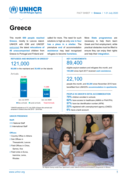
This month 600 people reached Greece, mostly to Lesvos island. UNHCR with IOM and UNICEF welcomed the latest relocations of 49 unaccompanied children from Greece to Portugal and Finland and called for more. The need for such solutions is high as only one in four has a place in a shelter. The prematu
...
re end of accommodation assistance may lead recognized refugees to become homeless.
more

Les pays du monde entier sont confrontés à des situations épidémiologiques diverses, et disposent de capacités de réaction différentes et d’un accès inégal aux outils permettant de sauver des vies. L’Organisation mondiale de la Santé (OMS) recommande aux autorités nationales de contin
...
uer à appliquer une approche fondée sur les risques lorsqu’elles mettent en œuvre des mesures relatives aux voyages internationaux dans le contexte de la COVID-19, tout en respectant la dignité, les droits humains et les libertés fondamentales des voyageurs. Cette approche doit prendre en compte le risque d’importation et d’exportation de cas posé par les voyages dans le cadre de l’évolution de la situation épidémiologique, y compris de l’émergence et de la circulation de variants préoccupants du SARS-CoV-2, du déploiement de la vaccination contre la COVID-19 et des enseignements tirés de la riposte à la pandémie, notamment en ce qui concerne la détection précoce et la prise en charge des cas, ainsi que l’application de mesures sociales et de santé publique.
more
