
Filter
2759
Text search:
technique
Featured
318
638
Language
1626
1182
65
42
30
29
15
10
9
8
6
5
4
4
4
3
3
3
2
2
2
2
2
2
1
1
1
1
1
1
1
1
1
1
1
1
1
1
1
1
1
1
1
Document type
1382
477
370
198
117
94
71
19
13
10
4
2
1
Countries
151
149
147
105
96
82
59
49
49
43
38
37
36
35
35
34
31
30
30
30
29
25
25
23
22
21
21
20
18
18
16
15
15
15
13
12
11
10
10
9
9
8
7
7
7
7
7
7
7
6
5
5
5
5
4
4
4
4
4
4
3
3
3
3
2
2
2
2
2
2
2
2
2
2
2
2
2
2
2
2
2
1
1
1
1
1
1
1
1
1
1
1
1
1
1
1
1
1
1
1
1
1
1
1
1
Authors & Publishers
262
109
91
64
56
56
47
44
43
41
39
34
27
21
18
15
15
14
13
13
12
12
12
12
12
11
11
11
10
10
9
9
9
9
9
9
9
8
8
8
8
7
7
7
7
7
7
7
7
7
7
7
7
6
6
6
6
6
6
6
6
6
6
6
6
6
6
6
6
5
5
5
5
5
4
4
4
4
4
4
4
4
4
4
4
4
4
4
4
4
4
4
4
4
4
4
4
4
4
4
4
4
3
3
3
3
3
3
3
3
3
3
3
3
3
3
3
3
3
3
3
3
3
3
3
3
3
3
3
3
3
3
3
3
3
3
3
3
3
3
3
3
3
3
3
3
3
3
3
3
3
3
3
3
3
3
3
3
3
3
3
3
3
2
2
2
2
2
2
2
2
2
2
2
2
2
2
2
2
2
2
2
2
2
2
2
2
2
2
2
2
2
2
2
2
2
2
2
2
2
2
2
2
2
2
2
2
2
2
2
2
2
2
2
2
2
2
2
2
2
2
2
2
2
2
2
2
2
2
2
2
2
2
2
2
2
2
2
2
2
2
2
2
2
2
2
2
2
2
2
2
2
2
2
2
2
2
2
2
2
2
2
2
2
2
2
2
2
2
2
2
2
2
2
2
2
2
2
2
2
2
2
2
2
2
2
2
2
2
2
2
2
2
2
2
2
2
2
2
2
2
2
2
2
2
2
2
2
2
2
2
2
2
2
2
2
2
2
2
2
2
2
2
2
2
2
2
2
2
2
2
2
2
2
2
2
2
2
2
2
1
1
1
1
1
1
1
1
1
1
1
1
1
1
1
1
1
1
1
1
1
1
1
1
1
1
1
1
1
1
1
1
1
1
1
1
1
1
1
1
1
1
1
1
1
1
1
1
1
1
1
1
1
1
1
1
1
1
1
1
1
1
1
1
1
1
1
1
1
1
1
1
1
1
1
1
1
1
1
1
1
1
1
1
1
1
1
1
1
1
1
1
1
1
1
1
1
1
1
1
1
1
1
1
1
1
1
1
1
1
1
1
1
1
1
1
1
1
1
1
1
1
1
1
1
1
1
1
1
1
1
1
1
1
1
1
1
1
1
1
1
1
1
1
1
1
1
1
1
1
1
1
1
1
1
1
1
1
1
1
1
1
1
1
1
1
1
1
1
1
1
1
1
1
1
1
1
1
1
1
1
1
1
1
1
1
1
1
1
1
1
1
1
1
1
1
1
1
1
1
1
1
1
1
1
1
1
1
1
1
1
1
1
1
1
1
1
1
1
1
1
1
1
1
1
1
1
1
1
1
1
1
1
1
1
1
1
1
1
1
1
1
1
1
1
1
1
1
1
1
1
1
1
1
1
1
1
1
1
1
1
1
1
1
1
1
1
1
1
1
1
1
1
1
1
1
1
1
1
1
1
1
1
1
1
1
1
1
1
1
1
1
1
1
1
1
1
1
1
1
1
1
1
1
1
1
1
1
1
1
1
1
1
1
1
1
1
1
1
1
1
1
1
1
1
1
1
1
1
1
1
1
1
1
1
1
1
1
1
1
1
1
1
1
1
1
1
1
1
1
1
1
1
1
1
1
1
1
1
1
1
1
1
1
1
1
1
1
1
1
1
1
1
1
1
1
1
1
1
1
1
1
1
1
1
1
1
1
1
1
1
1
1
1
1
1
1
1
1
1
1
1
1
1
1
1
1
1
1
1
1
1
1
1
1
1
1
1
1
1
1
1
1
1
1
1
1
1
1
1
1
1
1
1
1
1
1
1
1
1
1
1
1
1
1
1
1
1
1
1
1
1
1
1
1
1
1
1
1
1
1
1
1
1
1
1
1
1
1
1
1
1
1
1
1
1
1
1
1
1
1
1
1
1
1
1
1
1
1
1
1
1
1
1
1
1
1
1
1
1
1
1
1
1
1
1
1
1
1
1
1
1
1
1
1
1
1
1
1
1
1
1
1
1
1
1
1
1
1
1
1
1
1
1
1
1
1
1
1
1
1
1
1
1
1
1
1
1
1
1
1
1
1
1
1
1
1
1
1
1
1
1
1
1
1
1
1
1
1
1
1
1
1
1
1
1
1
1
1
1
1
1
1
1
1
1
1
1
1
1
1
1
1
1
1
1
1
1
1
1
1
1
1
1
1
1
1
1
1
1
1
1
1
1
1
1
1
1
1
1
1
1
1
1
1
1
1
1
1
1
1
1
1
1
1
1
1
1
1
1
1
1
1
1
1
1
1
1
1
1
1
1
1
1
1
1
1
1
1
1
1
1
1
1
1
1
1
1
1
1
1
1
1
1
1
1
1
1
1
1
1
1
1
1
1
1
1
1
1
1
1
1
1
1
1
1
1
1
1
1
1
1
1
1
1
1
1
1
1
1
1
1
1
1
1
1
1
1
1
1
1
1
1
1
1
1
1
1
1
1
1
1
1
1
1
1
1
1
1
1
1
1
1
1
1
1
1
1
1
1
1
1
1
1
1
1
1
1
1
1
1
1
1
1
1
1
1
1
1
1
1
1
1
1
1
1
1
1
1
1
1
1
1
1
1
1
1
1
1
1
1
1
1
1
1
1
1
1
1
1
1
1
1
1
1
1
1
1
1
1
1
1
1
1
1
1
1
1
1
1
1
1
1
1
1
1
1
1
1
1
1
1
1
1
1
1
1
1
1
1
1
1
1
1
1
1
1
1
1
1
1
1
1
1
1
1
1
1
1
1
1
1
1
1
1
1
1
1
1
1
1
1
1
1
1
1
1
1
1
1
1
1
1
1
1
1
1
1
1
1
1
1
1
1
1
1
1
1
1
1
1
1
1
1
1
1
1
1
1
1
1
1
1
1
1
1
1
1
1
1
1
1
1
1
1
1
1
1
1
1
1
1
1
1
1
1
1
1
1
1
1
1
1
1
1
1
1
1
1
1
1
1
1
1
1
1
1
1
1
1
1
1
1
1
1
1
1
1
1
1
1
1
1
1
1
1
1
1
1
1
1
1
1
1
1
1
1
1
1
1
1
1
1
1
1
1
1
1
1
1
1
1
1
1
1
1
1
1
1
1
1
1
1
1
1
1
1
1
1
1
1
1
1
1
1
1
1
1
1
1
1
1
1
1
1
1
1
1
1
1
1
1
1
1
1
1
1
1
1
1
1
1
1
1
1
1
1
1
1
1
1
1
1
1
1
1
1
1
1
1
1
1
1
1
1
1
1
1
1
1
1
1
1
1
1
1
1
1
1
1
1
1
1
1
1
1
1
1
1
1
1
1
1
1
1
1
1
1
1
1
1
1
1
1
1
1
1
1
1
1
1
1
1
1
1
1
1
1
1
1
1
1
1
1
1
1
1
1
1
1
1
1
1
1
1
1
1
1
1
1
1
1
1
1
1
1
1
1
1
1
1
1
1
1
1
1
1
1
1
1
1
1
1
1
1
1
1
1
1
1
1
1
1
1
1
1
1
1
1
1
1
1
1
1
1
1
1
1
1
1
1
1
1
1
1
1
1
1
1
1
1
1
1
1
1
1
1
1
1
1
1
1
1
1
1
1
1
1
1
1
1
1
1
1
1
1
1
1
1
1
1
1
1
1
1
1
1
1
1
1
1
1
1
1
1
1
1
1
1
1
1
1
1
1
1
1
1
1
1
1
1
1
1
1
1
1
1
1
1
1
1
1
1
1
1
1
1
1
1
1
1
1
1
1
1
1
1
1
1
1
1
1
1
1
1
1
1
1
1
1
1
1
1
1
1
1
1
1
1
1
1
1
1
1
1
1
1
1
1
1
1
1
1
1
1
1
1
1
1
1
1
1
1
1
1
1
1
1
1
1
1
1
1
1
1
1
1
1
1
1
1
1
1
1
1
1
1
1
1
1
1
1
1
1
1
1
1
1
1
1
1
1
1
1
1
1
1
1
1
1
1
1
1
1
1
1
1
1
1
1
1
1
1
1
1
1
1
1
1
1
1
1
1
1
1
1
1
1
1
1
1
1
1
1
1
1
1
1
1
1
1
1
1
1
1
1
1
1
1
1
1
1
1
1
1
1
1
1
1
1
1
1
1
1
1
1
1
1
1
1
1
1
1
1
1
1
1
1
1
1
1
1
1
1
1
1
1
1
1
1
1
1
1
1
1
1
1
1
1
1
1
1
1
1
1
1
1
1
1
1
1
1
1
1
1
1
1
1
1
1
1
1
1
1
1
1
1
1
1
1
1
1
1
1
1
1
1
1
1
1
1
1
1
1
1
1
1
1
1
1
1
1
1
1
1
1
1
1
1
1
1
1
1
1
1
1
1
1
1
1
1
1
1
1
1
1
1
1
1
1
1
1
1
1
1
1
1
1
1
1
1
1
1
1
1
1
1
1
1
1
1
1
1
1
1
1
1
1
1
1
1
1
1
1
1
1
1
1
1
1
1
1
1
1
1
1
1
1
1
1
1
1
1
1
1
1
1
1
1
1
1
1
1
1
1
1
1
1
1
1
1
1
1
1
1
1
1
1
1
1
1
1
1
1
1
1
1
1
1
1
1
1
1
1
1
1
1
1
1
1
1
1
1
1
1
1
1
1
1
1
1
1
1
1
1
1
1
1
1
1
1
1
1
1
1
1
1
1
1
1
1
1
1
1
1
1
1
1
1
1
1
1
1
1
1
1
1
1
1
1
1
1
1
1
1
1
1
1
1
1
1
1
1
1
1
1
1
1
1
1
1
1
1
1
1
1
1
1
1
1
1
1
1
1
1
1
1
1
1
1
1
1
1
1
1
1
1
1
1
1
1
1
1
1
1
1
1
1
1
1
1
1
1
1
1
1
1
1
1
1
1
1
1
1
1
1
1
1
1
1
1
1
1
1
1
1
1
1
1
1
1
1
1
1
1
1
1
1
1
1
1
1
1
1
1
1
1
1
1
1
1
1
1
1
1
1
1
1
1
1
1
1
1
1
1
1
1
1
1
1
1
1
1
1
1
1
1
1
1
1
1
1
1
1
1
1
1
1
1
1
1
1
1
1
1
1
1
1
1
1
1
1
1
1
1
1
1
1
1
1
1
1
1
1
1
1
1
1
1
1
1
1
1
1
1
1
1
1
1
1
1
1
1
1
1
1
1
1
1
1
1
1
1
1
Publication Years
676
1743
313
24
2
1
Category
1130
290
177
160
147
80
52
Toolboxes
203
165
146
134
120
117
98
70
69
65
59
53
49
45
43
34
31
28
25
23
20
14
11
7
7
1
Accessed on 16.03.2020
Le gouvernement du Burkina, qui est sous ajustement structurel depuis 1991, s’est lancé dans un processus de décentralisation, dont les textes d’orientation ont été adoptés en 1998. Cette décentralisation s’articule autour de la mise en place de deux collectivité
...
s territoriales décentralisées que sont les communes (urbaines et rurales) et les régions.
more
Selon les estimations du recensement général de la population et de l’Habitat (RGPH, 2006), le nombre de personnes en situation de handicap au Burkina Faso en 2012 est estimé à environ 168 000, soit 1,2% de la population totale. La Fédération burkinabè des associations pour la promotion des
...
personnes handicapées (FEBAH) évalue à 66% le nombre de personnes en situation de handicap n’ayant aucun niveau d’instruction et seulement 16,5% ayant atteint le niveau primaire. Ces estimations contrastent avec celles de l’OMS et de la Banque mondiale (15% de la population mondiale sont en situation de handicap). Le champ de l’éducation inclusive se caractérisant au Burkina Faso par une absence de données quantitatives systématisées, de telles contradictions peuvent avoir des effets négatifs sur la planification éducative et les efforts déployés par les différents partenaires pour atteindre l’EPT.
more
Accessed on 16.03.2020
L’orthophonie est une profession naissante en Afrique de l’Ouest et plus particulièrement au Burkina Faso, et donc très peu connue du grand public. Actuellement, le Togo, est le seul pays de l’Afrique de l’Ouest qui dispose de 37 orthophonistes d’Etat formés en
...
son sein grâce à son Ecole Nationale des Auxiliaires Médicaux (ENAM). Cette école abrite depuis 2003 le département des orthophonistes.
more
Journal des anthropologues Association française des anthropologues
122-123 | 2010
Si le malaise ressenti lorsque l’on se trouve en présence du handicap constitue un invariant culturel (Stiker, 2005), chaque culture lui confère néanmoins une signification particulière (Murphy, 1990). Quelle
...
s sont alors les spécificités des situations de handicap au Burkina Faso ? Les idées reçues sur le continent africain sont nombreuses (Courade, 2006) : concernant le traitement des personnes handicapées, les représentations oscillent selon Poizat (2007) entre « afro-optimisme » et « afro-pessimisme » ; si la solidarité communautaire est parfois considérée comme garantissant leur non-singularisation (Guilmain-Gauthier & Jacquemin, 1994), les croyances traditionnelles relatives au « monde invisible » sont souvent invoquées comme déterminant à l’inverse leur maltraitance et leur exclusion (Devlieger, 1994).
more
Guide pratique pour l'amélioration de la qualité des soins grâce à de meilleurs services d'eau, d'assainissement et d'hygiène dans les établissements de santé
Les maladies infectieuses sont en constante mutation. De nouvelles maladies apparaissent, d’autres qui sont bien connues se propagent ou refont surface, et quelques rares fois, une maladie est éradiquée. Les maladies infectieuses telles que le VIH, la tuberculose et le choléra sont des causes c
...
onsidérables de morbidité et de mortalité dans plusieurs régions du monde. Le personnel de la santé joue un rôle primordial, en ce qui concerne la protection de leurs clients contre les maladies infectieuses et leurs traitements en cas d’infection. Dans le cadre de leur travail, le personnel de santé accomplisse des tâches cliniques ou autres activités susceptibles de les exposer ainsi que leurs clients aux microorganismes – orga- nismes potentiellement infectieux. Bon nombre de ces clients sont malades et, par conséquent, sont plus vulnérables aux infections ou peuvent avoir des infec-tions susceptibles d’être transmises à d’autres personnes. Par chance, l’ensemble du personnel travaillant dans les services de santé est en mesure d’exécuter des procédés simples visant à minimiser le risque – vis-à-vis d’eux-mêmes et de leurs clients – et réduire la propagation des infections. Ces pratiques peuvent être intégrées à moindre frais dans les habitudes quotidiennes au sein des établissements de santé du monde entier. Ce guide de référence est spécialement conçu pour l’emploi à tous les niveaux du système sanitaire, depuis les plus grands hôpitaux jusqu’aux plus petits dispensaires ou centres de santé, dans des établissements où les ressources sont rares.Ce guide, publié pour la première fois en 1999, a été mis à jour. Bien que la plu-part des pratiques restent inchangées, il a fait l’objet de quelques modifications significatives – par exemple, concernant les recommandations liées au lavage des mains et aux précautions standard. Toutefois, ce guide continue de présenter des recommandations pratiques en matière de procédés simples et relativement peu coûteux pouvant être exécutés partout, à l’aide des matériels de base et des équi-pements de niveau technologique moyen.
more
Personne ne se rend dans un établissement de soins de santé pour tomber malade. On s’y rend pour aller mieux, pour accoucher, pour se faire vacciner. Cependant, des centaines de millions de gens sont confrontés à un risque accru d’infection quand ils se font soigner dans des établissements
...
de santé où les services de première nécessité font défaut, y compris les services d’approvisionnement en eau, d’assainissement et d’hygiène (WASH) et les services de gestion des déchets médicaux. Non seulement l’absence de services WASH dans les établissements de santé compromet la sécurité sanitaire des patients et leur dignité, mais il peut éventuellement exacerber la propagation d’infections résistant aux antimicrobiens et compromettre les efforts faits en vue de l’amélioration de la santé maternelle et infantile.
more
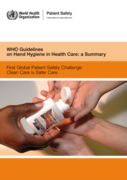
Health care-associated infection (HCAI) places a serious disease burden and has a significant economic impact on patients and health-care systems throughout the world. Yet good hand hygiene, the simple task of cleaning hands at the right times and in the right way, can save lives. World Health O
...
rganization (WHO) has developed evidence-based WHO Guidelines on Hand Hygiene in Health Care to support health-care facilities to improve hand hygiene and thus reduce HCAI.
more
Confronted with the important issue of patient safety, in 2002 the Fifty-fifth World Health Assembly adopted a resolution urging countries to pay the closest possible attention to the problem and to strengthen safety and monitoring systems. In May 2004, the Fifty-seventh World Health Assembly approv
...
ed the creation of an international alliance as a global initiative to improve patient safety. The World Alliance for Patient Safety was launched in October 2004 and currently has its place in the WHO Patient Safety programme included in the Information, Evidence and Research Cluster.
more

Water, sanitation, hygiene, and waste management for SARS-CoV-2, the virus that causes COVID-19
recommended
Updated Interim guidance 29 July 2020
The provision of safe water, sanitation and waste management and hygienic conditions is essential for preventing and for protecting human health during all infectious disease outbreaks, including of coronavirus disease 2019 (COVID-19). Ensuring evidenced-based
...
and consistently applied WASH and waste management practices in communities, homes, schools, marketplaces, and healthcare facilities will help prevent human-to-human transmission of pathogens including SARS-CoV-2, the virus that causes COVID-19.
more

A conceptual framework for the environmental surveillance of antibiotics and antibiotic resistance
Patricia M.C. Huijbers, Carl-Fredrik Flach, D.G. Joakim Larsson
Centre for Antibiotic Resistance Research (CARe), University of Gothenburg
(2019)
C2
The systematic surveillance of antibiotic use and antibiotic re-sistance prevalence in humans and animals is imperative for managingbacterial infectious disease (JPIAMR, 2019;WHO, 2015). Many low-income countries currently face substantial challenges in building national surveillance systems due to
...
a lack of infrastructure and resources,resulting in a shortage of systematic data (FAO/OIE/WHO, 2018)
more
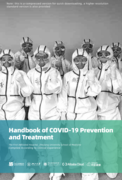
Handbook of COVID-19 Prevention and Treatment
recommended
Handbook of COVID-19 Prevention and Treatment, expecting to share their invaluable practical advice and references with medical staff around the world. This handbook compared and analyzed the experience of other experts in China, and provides good reference to key departments such as hospital infect
...
ion management, nursing, and outpatient clinics. This handbook provides comprehensive guidelines and best practices by China's top experts for coping with COVID-19.
This handbook, provided by the First Affiliated Hospital of Zhejiang University, describes how organizations can minimize the cost while maximizing the effect of measures to manage and control the coronavirus outbreak. The handbook also discusses why hospitals and other healthcare institutions should have command centers when encountering a large-scale emergency in the context of COVID-19. This handbook also includes the following:
- Technical strategies for addressing issues during emergencies.
- Treatment methods to treat the critically ill.
- Efficient clinical decision-making support.
- Best practices for key departments like inflection management and outpatient clinics.
more
Le profil pharmaceutique du pays présente des données sur les conditions socioéconomiques existantes et celles de la santé, les ressources, les structures règlementaires, les processus et les résultats relatifs au secteur pharmaceutique au Burkina-Faso. Ce document a pour but de compiler toute
...
s les informations existantes et pertinentes sur le secteur pharmaceutique et de les diffuser auprès du grand public d’une manière accessible.
more
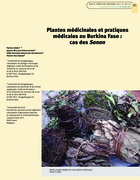
Élément culturel important, les plantes ont été utilisées pendant des siècles par les populations pour se soigner. Cependant, peu d’ethnies connaissent leur pharmacopée de par le manque d’études ethnobotaniques. La présente étude, réalisée en pays San, entité territoriale traditionn
...
elle (Nord-Ouest du Burkina Faso), répond à ce souci de documenter les plantes médicinales. À travers une série d’enquêtes ethnobotaniques, 75 tradithérapeutes Sananont été interviewés. Les informations recherchées ont porté sur la plante, son nom local, ses parties utilisées, les pratiques médicales et les vertus thérapeutiques afférentes. Les résultats ont montré que 94 espèces végétales sont utilisées pour combattre différentes pathologies. Les feuilles (31 %), les racines (25 %) et les écorces du tronc (23 %) sont les principales parties utilisées pour préparer les recettes. Seules ou en association, ces parties interviennent dans l’élaboration des recettes par des procédés utilisant principalement la décoction (58 %), la trituration (17 %) et la macération aqueuse (11 %). Soixante-cinq pour cent (65 %) des produits obtenus sont administrés par voie orale via la boisson et les applications externes représentent 35 %. Treize catégories d’utilisation ont été recensées. Cependant, les tradipraticiens de santé sont en désaccord sur les thérapies proposées pour traiter ces catégories. La diversité des thérapies recensées en pays San, est une richesse culturelle. Ces données de la pharmacopée san sont une base pour une étude approfondie des aptitudes sylvicoles des plantes victimes de déracinement et la création de pépinières communautaires, afin de disposer de réservoirs de plantes médicinales proches des villages.
more
L'exercice de table COVID-19 (TTX) est un package de simulation qui utilise un scénario progressif ainsi qu'une série d'injects spécifiques pour permettre aux participants de considérer l'impact potentiel d'une épidémie sur les plans, procédures et capacités existants. Le TTX a pour objectif
...
de renforcer les niveaux nationaux de préparation au coronavirus grâce à une série de discussions de groupe facilitées.
more

Antimicrobial resistance (AMR) is a serious public health concern with economic, social and political implications that are global in scope, and cross all environmental and ethnic boundaries. As a global threat, AMR risks the achievements of modern medicine, and has the po
...
tential to impact overall global development. It is important, therefore, to elevate AMR beyond health as part of a larger development agenda in the context of the Sustainable Development Goals (SDGs). This report provides in-depth technical discussions in areas that have direct implications to the containment of AMR as a development agenda. The report is organized in five chapters which served as the technical background documents for the Biregional Technical Consultation on AMR in Asia, 14-15 April 2016. More information from the meeting is available in the WHO Meeting Report: Biregional Technical Consultation on Antimicrobial Resistance in Asia. The meeting was the first time senior officials from the Ministry of Health and Ministry of Agriculture across Asia came together to tackle AMR
more
L’Assemblée mondiale de la Santé, tenue en mai 2015, a adopté un Plan d’action mondial pour combattre la résistance aux antimicrobiens, qui définit 5 objectifs:
mieux faire connaître et comprendre le problème de la résistance aux antimicrobiens grâce à une communication, une éduc
...
ation et une formation efficaces;
renforcer les connaissances et les bases factuelles par la surveillance et la recherche;
réduire l’incidence des infections par des mesures efficaces d’assainissement, d’hygiène et de prévention des infections;
optimiser l’usage des médicaments antimicrobiens en santé humaine et animale;
dégager les arguments économiques en faveur d’investissements durables qui tiennent compte des besoins de tous les pays et accroître les investissements dans la mise au point de nouveaux médicaments, outils diagnostiques, vaccins et autres interventions.
more
