Filter
3008
Text search:
outbreak
prevention
Featured
396
740
Language
2671
165
102
80
78
64
25
20
6
5
5
4
4
3
3
3
3
3
3
3
2
2
2
1
1
1
1
1
1
1
1
1
1
1
1
1
1
1
1
1
1
1
Document type
1103
646
518
211
193
130
70
64
25
17
14
11
5
1
Countries / Regions
176
162
152
76
75
72
70
67
63
53
52
52
48
46
44
44
43
42
42
42
39
36
32
32
32
32
30
29
28
26
25
24
24
22
22
21
19
19
18
17
16
16
15
14
13
12
12
12
12
11
11
11
11
10
10
10
10
9
9
9
9
9
8
8
8
8
8
8
7
7
6
6
6
6
6
6
6
5
5
4
4
4
4
4
4
4
4
4
4
4
4
3
3
3
3
3
3
3
3
3
3
3
3
3
2
2
2
2
2
2
2
2
2
2
2
2
2
2
1
1
1
1
1
1
1
1
1
1
1
1
1
1
1
1
1
1
1
1
1
1
1
1
1
Authors & Publishers
556
129
86
83
80
68
64
56
43
39
36
32
26
25
24
24
24
22
22
22
20
19
16
15
14
14
14
14
13
13
12
12
12
12
12
12
11
11
11
11
10
10
10
10
10
10
10
9
9
8
8
8
8
8
8
8
7
7
7
7
7
7
7
7
7
7
7
7
6
6
6
6
6
6
6
6
6
5
5
5
5
5
5
5
5
5
5
5
5
5
5
5
5
5
5
5
5
5
5
5
5
5
4
4
4
4
4
4
4
4
4
4
4
4
4
4
4
4
4
4
4
4
4
4
4
4
4
4
4
4
4
3
3
3
3
3
3
3
3
3
3
3
3
3
3
3
3
3
3
3
3
3
3
3
3
3
3
3
3
3
3
3
3
3
3
3
3
3
3
3
3
3
3
3
3
3
3
2
2
2
2
2
2
2
2
2
2
2
2
2
2
2
2
2
2
2
2
2
2
2
2
2
2
2
2
2
2
2
2
2
2
2
2
2
2
2
2
2
2
2
2
2
2
2
2
2
2
2
2
2
2
2
2
2
2
2
2
2
2
2
2
2
2
2
2
2
2
2
2
2
2
2
2
2
2
2
2
2
2
2
2
2
2
2
2
2
2
2
2
2
2
2
2
2
2
2
2
2
2
2
2
2
2
2
2
2
2
2
2
2
2
2
2
2
2
2
2
2
2
2
2
2
2
2
2
2
2
2
2
2
2
2
2
2
2
2
2
2
2
2
2
2
2
2
2
2
1
1
1
1
1
1
1
1
1
1
1
1
1
1
1
1
1
1
1
1
1
1
1
1
1
1
1
1
1
1
1
1
1
1
1
1
1
1
1
1
1
1
1
1
1
1
1
1
1
1
1
1
1
1
1
1
1
1
1
1
1
1
1
1
1
1
1
1
1
1
1
1
1
1
1
1
1
1
1
1
1
1
1
1
1
1
1
1
1
1
1
1
1
1
1
1
1
1
1
1
1
1
1
1
1
1
1
1
1
1
1
1
1
1
1
1
1
1
1
1
1
1
1
1
1
1
1
1
1
1
1
1
1
1
1
1
1
1
1
1
1
1
1
1
1
1
1
1
1
1
1
1
1
1
1
1
1
1
1
1
1
1
1
1
1
1
1
1
1
1
1
1
1
1
1
1
1
1
1
1
1
1
1
1
1
1
1
1
1
1
1
1
1
1
1
1
1
1
1
1
1
1
1
1
1
1
1
1
1
1
1
1
1
1
1
1
1
1
1
1
1
1
1
1
1
1
1
1
1
1
1
1
1
1
1
1
1
1
1
1
1
1
1
1
1
1
1
1
1
1
1
1
1
1
1
1
1
1
1
1
1
1
1
1
1
1
1
1
1
1
1
1
1
1
1
1
1
1
1
1
1
1
1
1
1
1
1
1
1
1
1
1
1
1
1
1
1
1
1
1
1
1
1
1
1
1
1
1
1
1
1
1
1
1
1
1
1
1
1
1
1
1
1
1
1
1
1
1
1
1
1
1
1
1
1
1
1
1
1
1
1
1
1
1
1
1
1
1
1
1
1
1
1
1
1
1
1
1
1
1
1
1
1
1
1
1
1
1
1
1
1
1
1
1
1
1
1
1
1
1
1
1
1
1
1
1
1
1
1
1
1
1
1
1
1
1
1
1
1
1
1
1
1
1
1
1
1
1
1
1
1
1
1
1
1
1
1
1
1
1
1
1
1
1
1
1
1
1
1
1
1
1
1
1
1
1
1
1
1
1
1
1
1
1
1
1
1
1
1
1
1
1
1
1
1
1
1
1
1
1
1
1
1
1
1
1
1
1
1
1
1
1
1
1
1
1
1
1
1
1
1
1
1
1
1
1
1
1
1
1
1
1
1
1
1
1
1
1
1
1
1
1
1
1
1
1
1
1
1
1
1
1
1
1
1
1
1
1
1
1
1
1
1
1
1
1
1
1
1
1
1
1
1
1
1
1
1
1
1
1
1
1
1
1
1
1
1
1
1
1
1
1
1
1
1
1
1
1
1
1
1
1
1
1
1
1
1
1
1
1
1
1
1
1
1
1
1
1
1
1
1
1
1
1
1
1
1
1
1
1
1
1
1
1
1
1
1
1
1
1
1
1
1
1
1
1
1
1
1
1
1
1
1
1
1
1
1
1
1
1
1
1
1
1
1
1
1
1
1
1
1
1
1
1
1
1
1
1
1
1
1
1
1
1
1
1
1
1
1
1
1
1
1
1
1
1
1
1
1
1
1
1
1
1
1
1
1
1
1
1
1
1
1
1
1
1
1
1
1
1
1
1
1
1
1
1
1
1
1
1
1
1
1
1
1
1
1
1
1
1
1
1
1
1
1
1
1
1
1
1
1
1
1
1
1
1
1
1
1
1
1
1
1
1
1
1
1
1
1
1
1
1
1
1
1
1
1
1
1
1
1
1
1
1
1
1
1
1
1
1
1
1
1
1
1
1
1
1
1
1
1
1
1
1
1
1
1
1
1
1
1
1
1
1
1
1
1
1
1
1
1
1
1
1
1
1
1
1
1
1
1
1
1
1
1
1
1
1
1
1
1
1
1
1
1
1
1
1
1
1
1
1
1
1
1
1
1
1
1
1
1
1
1
1
1
1
1
1
1
1
1
1
1
1
1
1
1
1
1
1
1
1
1
1
1
1
1
1
1
1
1
1
1
1
1
1
1
1
1
1
1
1
1
1
1
1
1
1
1
1
1
1
1
1
1
1
1
1
1
1
1
1
1
1
1
1
1
1
1
1
1
1
1
1
1
1
1
1
1
1
1
1
1
1
1
1
1
1
1
1
1
1
1
1
1
1
1
1
1
1
1
1
1
1
1
1
1
1
1
1
1
1
1
1
1
1
1
1
1
1
1
1
1
1
1
1
1
1
1
1
1
1
1
1
1
1
1
1
1
1
1
1
1
1
1
1
1
1
1
1
1
1
1
1
1
1
1
1
1
1
1
1
1
1
1
1
1
1
1
1
1
1
1
1
1
1
1
1
1
1
1
1
1
1
1
1
1
1
1
1
1
1
1
1
1
1
1
1
1
1
1
1
1
1
1
1
1
1
1
1
1
1
1
1
1
1
1
1
1
1
1
1
1
1
1
1
1
1
1
1
1
1
1
1
1
1
1
1
1
1
1
1
1
1
1
1
1
1
1
1
1
1
1
1
1
1
1
1
1
1
1
1
1
1
1
1
1
1
1
1
1
1
1
1
1
1
1
1
1
1
1
1
1
1
1
1
1
1
1
1
1
1
1
1
1
1
1
1
1
1
1
1
1
1
1
1
1
1
1
1
1
1
1
1
1
1
1
1
1
1
1
1
1
1
1
1
1
1
1
1
1
1
1
1
1
1
1
1
1
1
1
1
1
1
1
1
1
1
1
1
1
1
1
1
1
1
1
1
1
1
1
1
1
1
1
1
1
1
1
1
1
1
1
1
1
1
1
1
1
1
1
1
1
1
1
1
1
1
1
1
1
1
1
1
1
1
1
1
1
1
1
1
1
1
1
1
1
1
1
1
1
1
1
1
1
1
1
1
1
1
1
1
1
1
1
1
1
1
1
1
1
1
1
1
1
1
1
1
1
1
1
1
1
1
1
1
1
1
1
1
1
1
1
1
1
1
1
1
1
1
1
1
1
1
1
1
1
1
1
1
1
1
1
1
1
1
1
1
1
1
1
1
1
1
1
1
1
1
1
1
1
1
1
1
1
1
1
1
1
1
1
1
1
1
1
1
1
1
1
1
1
1
1
1
1
1
1
1
1
1
1
1
1
1
1
1
1
1
1
1
1
1
1
1
1
1
1
1
1
1
1
1
1
1
1
1
1
1
1
1
1
1
1
1
1
1
1
1
1
1
1
1
1
1
1
1
1
1
1
1
1
1
1
1
1
1
1
1
1
1
1
1
1
1
1
1
1
1
1
1
1
1
1
1
1
1
1
1
1
1
1
1
1
1
1
1
1
1
1
1
1
1
1
1
1
1
1
1
1
1
1
1
1
1
1
1
1
1
1
1
1
1
1
1
1
1
1
1
1
1
1
1
1
1
1
1
1
1
1
1
1
1
1
1
1
1
1
1
1
1
1
1
1
1
1
1
1
1
1
1
1
1
1
1
1
1
1
1
1
1
1
1
1
1
1
1
1
1
1
1
1
1
1
1
1
1
1
1
1
1
1
1
1
1
1
1
1
1
1
1
1
1
1
1
1
1
1
1
1
1
1
1
1
1
1
1
1
1
1
1
1
1
1
1
1
1
1
1
1
1
1
1
1
1
1
1
1
1
1
1
1
1
1
1
1
1
1
1
1
1
1
1
1
1
Publication Years
1515
1338
139
16
Category
1018
205
193
138
80
37
32
1
Toolboxes
822
389
143
136
122
107
99
91
80
79
72
55
53
49
48
46
40
38
37
34
20
19
10
8
2
2
2
This Guidance Note aims to provide an overview of entry points and means for monitoring the attendance and re-enrolment of students in the context of COVID-19 related school closures and re-openings. It is intended for UNICEF education staff, and education policy makers, planners and practitioners.
The package provides practical, concise yet crucial information about the impact of COVID-19 on daily teaching practices as well as tips and suggestions to improve safety, well-being and learning, with students in face-to-face or remote settings.
The package speaks directly to the teachers. It ca
...
n be adapted to their context and can be completed at the teachers’ own pace. It includes quizzes and a self-evaluation and planning tool to help teachers reflect on what they learned and what they still need to learn, encouraging them to keep learning!
more
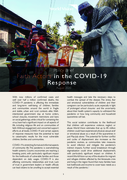
COVID-19 is stretching formal and informal aspects of community life. The pandemic is overwhelming health systems. Country economies are reaching a breaking point, with particularly significant impact for the livelihoods of vulnerable families and those dependent on daily wages. COVID-19 is also aff
...
ecting community relationships and trust. Lack of trust in government leaders or health officials can lead citizens to be unwilling to accept essential health messages and take the necessary steps to combat the spread of the disease. The stress, fear and emotional vulnerabilities of children and their caregivers can be particularly acute, especially in light of prolonged school closures and the uncertainty about their health system’s capacity to withstand the pandemic or how long community and household quarantines will last.
more
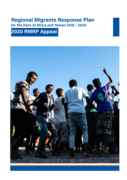
The International Organization for Migration (IOM) and partners from 27 humanitarian and development organisations and governments are appealing for USD 84 million to provide life-saving assistance to hundreds of thousands of African migrants and host community members affected by COVID-19 in the Ho
...
rn of Africa and Yemen. The many partners include the UN Children’s Fund (UNICEF), Save the Children, among others.
more
The COVID-19 pandemic has exposed the inadequacy of investments in public health, the persistence of profound economic and social inequalities and the fragility of many key global systems and approaches.
Zoonotic tuberculosis (TB) is a form of TB in people predominantly caused by the bacterial species, Mycobacterium bovis, which belongs to the M. tuberculosis complex. The implications of zoonotic TB go beyond human health. The organism is host-adapted to cattle, where it is refer
...
red to as bovine TB, and it also causes TB in other animal species including wildlife. Bovine TB has an important economic impact and threatenslivelihoods.
more
In this document, recommendations are provided on designing and implementing
a cross-sectional serosurvey using school-based sampling to estimate age-specific
DENV seroprevalence to inform a country’s national dengue vaccination program.
The document includes recommendations for methods for
...
planning and conducting
serosurveys, including survey design, specimen collection, laboratory testing, data
analysis, and the interpretation and reporting of results.
more
Whole-genome sequencing (WGS) provides a vast amount of information and the highest possible resolution for pathogen subtyping. The application of WGS for global surveillance can provide information on the early emergence and spread of AMR and further inform timely policy development on AMR control.
...
Sequencing data emanating from AMR surveillance may provide key information to guide the development of rapid diagnostic tools for better and more rapid characterization of AMR, and thus complement phenotypic methods. This document addresses the applications of WGS for AMR surveillance, including the benefits and limitations of current WGS technologies
more
COVID-19 has resulted in an unprecedented global crisis. As the pandemic spreads and countries around the world continue to struggle to contain its health and socio-economic consequences, UNRWA is issuing a new humanitarian appeal from August through December 2020 to address the worst impacts of the
...

pandemic on Palestine refugees across the Agency’s five fields of operation. Through this appeal the Agency seeks US$ 94.6 million. The funds requested in this appeal are additional to the previous UNRWA COVID-19 appeal for March to July.
more
Updated version – September 2020
The COVID-19 pandemic is affecting everyone. Globally, millions of people have been infected with the virus, while hundreds of thousands have lost their lives. In Moldova, the pandemic is placing an ever-increasing pressure on the health care and social protectio
...
n systems, causing major disruptions to economic processes and limitations to social life, deepening inequalities and proving how vulnerable we are.
more
This report presents examples from different agencies on how they approached community engagement in their Covid-19 responses, the tools and methodologies used, as well as the challenges they encountered and how they attempted to overcome these. It discusses what community engagement means to the va
...
rious agencies interviewed and in the literature consulted. And it puts forward some reflections on how CCCM and other sector agencies can take steps to ensure community participation in this and future pandemic responses.
more
Children living in humanitarian crises face an increased risk of abuse. While the threats of harm are increasing, the established systems in place to protect them are breaking down. Faced with the COVID-19 pandemic and its impacts, vulnerable families suffer multiple hardships. Schools are closed an
...
d families have been pushed to the brink of poverty, sometimes having been denied the opportunity to protect and provide for their children.
The report provides an in-depth analysis of 19 Humanitarian Response Plans and Refugee Response Plans from 2019
more
The report finds that, as of 3 November, in 87 countries with age-disaggregated data, children and adolescents under 20 years of age accounted for 1 in 9 of COVID-19 infections, or 11 per cent of the 25.7 million infections reported by these countries. More reliable, age-disaggregated data on infect
...
ion, deaths and testing is needed to better understand how the crisis impacts the most vulnerable children and guide the response
more