
Filter
2302
Text search:
He,
M.
Featured
199
489
Language
2032
123
65
59
35
34
25
10
7
6
5
5
4
4
4
4
3
3
3
3
3
3
2
2
2
2
2
2
2
2
2
1
1
1
1
1
1
1
1
1
1
1
1
1
Document type
1287
417
275
152
60
48
40
7
6
6
2
1
Countries / Regions
121
80
57
51
48
45
33
33
33
32
31
29
28
28
27
26
26
26
26
25
22
20
20
19
19
19
18
18
14
13
13
12
12
12
12
11
10
10
9
9
8
8
8
7
7
7
7
7
6
6
6
6
5
5
5
5
5
4
4
4
4
4
4
4
4
4
3
3
3
3
3
3
3
3
3
3
3
3
3
3
3
3
3
2
2
2
2
2
2
2
2
2
2
2
2
2
2
2
2
2
1
1
1
1
1
1
1
1
1
1
1
1
1
1
1
1
1
1
1
1
1
1
1
Authors & Publishers
226
123
102
60
49
45
37
36
32
24
24
22
19
17
14
14
12
12
12
11
10
10
9
9
9
8
8
8
8
8
7
7
7
7
7
6
6
6
6
6
6
6
6
6
5
5
5
5
5
5
5
5
5
5
4
4
4
4
4
4
4
4
4
4
4
4
4
4
4
4
4
4
4
4
4
4
4
4
4
4
4
4
4
4
4
4
4
4
4
4
4
4
3
3
3
3
3
3
3
3
3
3
3
3
3
3
3
3
3
3
3
3
3
3
3
3
3
3
3
3
3
3
3
3
3
3
3
3
3
3
3
3
3
3
3
3
3
3
3
3
3
3
3
3
3
3
3
3
3
2
2
2
2
2
2
2
2
2
2
2
2
2
2
2
2
2
2
2
2
2
2
2
2
2
2
2
2
2
2
2
2
2
2
2
2
2
2
2
2
2
2
2
2
2
2
2
2
2
2
2
2
2
2
2
2
2
2
2
2
2
2
2
2
2
2
2
2
2
2
2
2
2
2
2
2
2
2
2
2
2
2
2
2
2
2
2
2
2
2
2
2
2
2
2
2
2
2
2
2
2
2
2
2
2
2
2
2
2
2
2
2
2
2
2
2
2
2
2
2
2
2
2
2
2
2
2
2
2
2
2
2
2
2
2
2
2
2
2
2
2
2
2
2
2
2
2
2
2
2
2
2
2
2
2
2
2
2
2
2
2
2
2
2
2
2
2
2
2
2
2
2
1
1
1
1
1
1
1
1
1
1
1
1
1
1
1
1
1
1
1
1
1
1
1
1
1
1
1
1
1
1
1
1
1
1
1
1
1
1
1
1
1
1
1
1
1
1
1
1
1
1
1
1
1
1
1
1
1
1
1
1
1
1
1
1
1
1
1
1
1
1
1
1
1
1
1
1
1
1
1
1
1
1
1
1
1
1
1
1
1
1
1
1
1
1
1
1
1
1
1
1
1
1
1
1
1
1
1
1
1
1
1
1
1
1
1
1
1
1
1
1
1
1
1
1
1
1
1
1
1
1
1
1
1
1
1
1
1
1
1
1
1
1
1
1
1
1
1
1
1
1
1
1
1
1
1
1
1
1
1
1
1
1
1
1
1
1
1
1
1
1
1
1
1
1
1
1
1
1
1
1
1
1
1
1
1
1
1
1
1
1
1
1
1
1
1
1
1
1
1
1
1
1
1
1
1
1
1
1
1
1
1
1
1
1
1
1
1
1
1
1
1
1
1
1
1
1
1
1
1
1
1
1
1
1
1
1
1
1
1
1
1
1
1
1
1
1
1
1
1
1
1
1
1
1
1
1
1
1
1
1
1
1
1
1
1
1
1
1
1
1
1
1
1
1
1
1
1
1
1
1
1
1
1
1
1
1
1
1
1
1
1
1
1
1
1
1
1
1
1
1
1
1
1
1
1
1
1
1
1
1
1
1
1
1
1
1
1
1
1
1
1
1
1
1
1
1
1
1
1
1
1
1
1
1
1
1
1
1
1
1
1
1
1
1
1
1
1
1
1
1
1
1
1
1
1
1
1
1
1
1
1
1
1
1
1
1
1
1
1
1
1
1
1
1
1
1
1
1
1
1
1
1
1
1
1
1
1
1
1
1
1
1
1
1
1
1
1
1
1
1
1
1
1
1
1
1
1
1
1
1
1
1
1
1
1
1
1
1
1
1
1
1
1
1
1
1
1
1
1
1
1
1
1
1
1
1
1
1
1
1
1
1
1
1
1
1
1
1
1
1
1
1
1
1
1
1
1
1
1
1
1
1
1
1
1
1
1
1
1
1
1
1
1
1
1
1
1
1
1
1
1
1
1
1
1
1
1
1
1
1
1
1
1
1
1
1
1
1
1
1
1
1
1
1
1
1
1
1
1
1
1
1
1
1
1
1
1
1
1
1
1
1
1
1
1
1
1
1
1
1
1
1
1
1
1
1
1
1
1
1
1
1
1
1
1
1
1
1
1
1
1
1
1
1
1
1
1
1
1
1
1
1
1
1
1
1
1
1
1
1
1
1
1
1
1
1
1
1
1
1
1
1
1
1
1
1
1
1
1
1
1
1
1
1
1
1
1
1
1
1
1
1
1
1
1
1
1
1
1
1
1
1
1
1
1
1
1
1
1
1
1
1
1
1
1
1
1
1
1
1
1
1
1
1
1
1
1
1
1
1
1
1
1
1
1
1
1
1
1
1
1
1
1
1
1
1
1
1
1
1
1
1
1
1
1
1
1
1
1
1
1
1
1
1
1
1
1
1
1
1
1
1
1
1
1
1
1
1
1
1
1
1
1
1
1
1
1
1
1
1
1
1
1
1
1
1
1
1
1
1
1
1
1
1
1
1
1
1
1
1
1
1
1
1
1
1
1
1
1
1
1
1
1
1
1
1
1
1
1
1
1
1
1
1
1
1
1
1
1
1
1
1
1
1
1
1
1
1
1
1
1
1
1
1
1
1
1
1
1
1
1
1
1
1
1
1
1
1
1
1
1
1
1
1
1
1
1
1
1
1
1
1
1
1
1
1
1
1
1
1
1
1
1
1
1
1
1
1
1
1
1
1
1
1
1
1
1
1
1
1
1
1
1
1
1
1
1
1
1
1
1
1
1
1
1
1
1
1
1
1
1
1
1
1
1
1
1
1
1
1
1
1
1
1
1
1
1
1
1
1
1
1
1
1
1
1
1
1
1
1
1
1
1
1
1
1
1
1
1
1
1
1
1
1
1
1
1
1
1
1
1
1
1
1
1
1
1
1
1
1
1
1
1
1
1
1
1
1
1
1
1
1
1
1
1
1
1
1
1
1
1
1
1
1
1
1
1
1
1
1
1
1
1
1
1
1
1
1
1
1
1
1
1
1
1
1
1
1
1
1
1
1
1
1
1
1
1
1
1
1
1
1
1
1
1
1
1
1
1
1
1
1
1
1
1
1
1
1
1
1
1
1
1
1
1
1
1
1
1
1
1
1
1
1
1
1
1
1
1
1
1
1
1
1
1
1
1
1
1
1
1
1
1
1
1
1
1
1
1
1
1
1
1
1
1
1
1
1
1
1
1
1
1
1
1
1
1
1
1
1
1
1
1
1
1
1
1
1
1
1
1
1
1
1
1
1
1
1
1
1
1
1
1
1
1
1
1
1
1
1
1
1
1
1
1
1
1
1
1
1
1
1
1
1
1
1
1
1
1
1
1
1
1
1
1
1
1
1
1
1
1
1
1
1
1
1
1
1
1
1
1
1
1
1
1
1
1
1
1
1
1
1
1
1
1
1
1
1
1
1
1
1
1
1
1
1
1
1
1
1
1
1
1
1
1
1
1
1
1
1
1
1
1
1
1
1
1
1
1
1
1
1
1
1
1
1
1
1
1
1
1
1
1
1
1
1
1
1
1
1
1
1
1
1
1
1
1
1
1
1
1
1
1
1
1
1
1
1
1
1
1
1
1
1
1
1
1
1
1
1
1
1
1
1
1
1
1
1
1
1
1
1
1
1
1
1
1
1
1
1
1
1
1
1
1
1
1
1
1
1
1
1
1
1
1
1
1
1
1
1
1
1
1
1
1
1
1
1
1
1
1
1
1
1
1
1
1
1
1
1
1
1
1
1
1
1
1
1
1
1
1
1
1
1
1
1
1
1
1
1
1
1
1
1
1
1
1
1
1
1
1
1
1
1
1
1
1
1
1
1
1
1
1
1
1
1
1
1
1
1
1
1
1
1
1
1
1
1
1
1
1
1
1
1
1
1
1
1
1
1
1
1
1
1
1
1
1
1
1
1
1
1
1
1
1
1
1
1
1
1
1
1
1
1
1
1
1
1
1
1
1
1
1
1
1
1
1
1
1
1
1
1
1
1
1
1
1
1
1
1
1
1
1
1
1
1
1
1
1
1
1
1
1
1
1
1
1
1
1
1
1
1
1
1
1
1
1
1
1
1
1
1
1
1
1
1
1
1
1
1
1
1
1
1
1
1
1
1
1
1
1
1
1
1
1
1
1
1
1
1
1
1
1
1
1
1
1
1
1
1
1
1
1
1
1
1
1
1
1
1
1
1
1
1
1
1
1
1
1
1
1
1
1
1
1
1
1
1
1
1
1
1
1
1
1
1
1
1
1
1
1
1
1
1
1
1
1
1
1
1
1
1
1
1
1
1
1
1
1
1
1
1
1
1
1
1
1
1
1
1
1
1
1
1
1
1
1
1
1
1
1
1
1
1
1
1
1
1
1
1
1
1
1
1
1
1
1
1
1
1
1
1
1
1
1
1
1
1
1
1
1
1
1
1
1
1
1
1
1
1
1
1
1
1
1
1
1
1
1
1
1
1
1
1
1
1
1
1
1
1
1
1
1
1
1
1
1
1
1
1
1
1
1
1
1
1
1
1
1
1
1
1
1
1
1
1
1
1
1
1
1
1
1
1
1
1
1
1
1
1
1
1
1
1
1
1
1
1
1
1
1
1
1
1
1
1
1
1
1
1
1
1
1
1
1
1
1
1
1
1
1
1
1
1
1
1
1
1
1
1
1
1
1
1
1
1
1
1
1
1
1
1
1
1
1
1
1
1
1
1
1
1
1
1
1
1
1
1
1
1
1
1
1
1
1
1
1
1
1
1
1
1
1
1
1
1
1
1
1
1
1
1
1
1
1
1
1
1
1
1
1
1
1
1
1
1
1
1
1
1
1
1
1
1
1
1
1
1
1
1
1
1
1
1
1
1
1
1
1
1
1
1
1
1
1
1
1
1
1
1
1
1
1
1
1
1
1
1
1
1
1
1
1
1
1
1
1
1
1
1
1
1
1
1
1
1
1
1
1
1
1
1
1
1
1
1
1
1
1
1
1
1
1
1
1
1
1
1
1
1
1
1
1
1
1
1
1
1
1
1
1
1
1
1
1
1
1
1
1
1
1
1
1
1
1
1
1
1
1
1
1
1
1
1
1
1
1
1
1
1
1
1
1
1
1
1
1
1
1
1
1
1
1
1
1
1
1
1
1
1
1
1
1
1
1
1
1
1
1
1
1
1
1
1
1
1
1
1
1
1
1
1
1
1
1
1
1
1
1
1
1
1
1
1
1
1
1
1
1
1
1
1
1
1
1
1
1
1
1
1
1
1
1
1
1
1
1
1
1
1
1
1
1
1
1
1
1
1
1
1
1
1
1
1
1
1
1
1
1
1
1
1
1
1
1
1
1
1
1
1
1
1
1
1
1
1
1
1
1
1
1
1
1
1
1
1
1
1
1
1
1
1
1
1
1
1
1
1
1
1
1
1
1
1
1
1
1
1
1
1
1
1
1
1
1
1
1
1
1
1
1
1
1
1
1
1
1
1
1
1
1
1
1
1
1
1
1
1
1
1
1
1
1
1
1
1
1
1
1
1
1
1
1
1
1
1
1
1
1
1
1
1
1
1
1
1
1
1
1
1
1
1
1
1
1
1
1
1
1
1
1
1
1
1
1
1
1
1
1
1
1
1
1
1
1
1
1
1
1
1
1
1
1
1
1
1
1
1
1
1
1
1
1
1
1
1
1
1
1
1
1
1
1
1
1
1
1
1
1
1
1
1
1
1
1
1
1
1
1
1
1
1
1
1
1
1
1
1
1
1
1
1
1
1
1
1
1
1
1
1
1
1
1
1
1
1
1
1
1
1
1
1
1
1
1
1
1
1
1
1
1
1
1
1
1
1
1
1
1
1
1
1
1
1
1
1
1
1
1
1
1
1
1
1
1
1
1
1
1
1
1
1
1
1
Publication Years
566
1430
279
24
1
1
1
Category
804
158
107
101
96
91
16
Toolboxes
284
195
137
131
122
83
81
79
65
55
49
48
43
38
36
33
25
19
18
17
17
11
11
10
7
1
3 March 2022
The WHO Therapeutics and COVID-19: living guideline contains the Organization’s most up-to-date recommendations for the use of therapeutics in the treatment of COVID-19. The latest version of this living guideline is available in pdf format (via the ‘Download’ button) and via an
...
online platform, and is updated regularly as new evidence emerges.
more
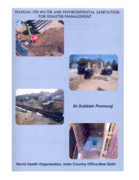
Today more people are exposed to hazards. While humanitarian action to mitigate the impact of disasters will always be vitally important, the community is facing critical challenge- how to better anticipate, manage and reduce - disaster risks by integrating the potential threat into its planning and
...
policies at the community level. This manual aims to improve the capacity of the Panchayati Raj Institutions - the local self government and communities that face hazards due to environmental reasons. To help such capacity development efforts, we need learning materials focusing on key areas - water supply, environmental sanitation for better disaster management and preparedness.
more
BMJ 2020; 370 doi: https://doi.org/10.1136/bmj.m3026 (Published 11 August 2020)
The BMJ "practice pointer" inlcudes a one-page visual summary of assessment and initial management of patients with persistant symptoms following acute SARS-CoV-2 infection
Note d’information scientifique, 17 juin 2021
This training module is designed to equip HWs with knowledge and communication skills to build their confidence and support them in their ability to promote acceptance of COVID-19 vaccination among other HWs.
La presente publicación describe la evidencia científica publicada respecto a la hipertensión como factor pronóstico en pacientes con COVID-19. Se identificó una revisión sistemática que evaluó diferentes desenlaces de pronóstico en pacientes con hipertensión y diagnóstico confirmado de C
...
OVID-19 con evidencia procedente de treinta estudios.
Esta publicación pertenece al compendio Publicaciones Minsa sobre COVID-19.
more
La presente publicación describe la evidencia científica disponible sobre la precisión diagnóstica de las pruebas rápidas de detección de antígenos para SARS-COV-2. El conocimiento de las pruebas diagnósticas para el coronavirus del síndrome respiratorio agudo grave 2 (SARS-COV-2) sigue evo
...
lucionando, y una comprensión clara de la naturaleza de las pruebas y la interpretación de sus hallazgos es importante. Este punto de vista describe cómo interpretar 2 tipos de pruebas diagnósticas comúnmente en uso para las infecciones SARS-COV-2: reacción en cadena de polimerasa con transcriptasa reversa (RT-PCR) y ensayo por inmunoabsorción ligado a enzimas IgM e IgG (ELISA)— y cómo los resultados pueden variar con el tiempo.
Esta publicación pertenece al compendio Publicaciones Minsa sobre COVID-19
more
WHO’s antiretroviral treatment (ART) clinic-based acquired drug resistance survey method yields robust estimates of HIV viral suppression and acquired HIV drug resistance in adults, children and adolescents taking both dolutegravir and non-dolutegravir based regimens.
Results are used to inform A
...
RT programme decision making regarding optimal ART regimens and support evaluation of programme quality with respect to maximizing viral load suppression and minimizing emergence of resistance in people taking ART.
more



BMJ Global Health https://gh.bmj.com/content/6/9/e007004
SARS-CoV-2 infections among children and adolescents cause less severe illness and fewer deaths compared to adults. While a less severe course of infection is a positive outcome, there are concerns that mild symptoms may have led to less testing, resulting in fewer identified cases of COVID-19 in ch
...
ildren. If children with mild or no symptoms transmit the disease, they may act as drivers of transmission within their communities. Understanding symptoms, infectivity and patterns of SARS-CoV-2 transmission in children and adolescents is essential for developing, adapting and improving control measures for COVID-19 across all ages. This is a summary of the current knowledge around SARS-CoV-2 infection acquisition and transmission and COVID-19 disease symptoms in children and adolescents. It aims to inform decisions, based on local contexts, on how to best keep schools, kindergarten and day-care facilities open and what advice to apply to intergenerational mixing.
more

The meningitis road map has been designated as a flagship global strategy of the WHO’s Thirteenth General Programme of Work, 2019–2023 and is an essential component in achieving universal health coverage.
The road map will reinforce and combine with wider initiatives, such as those aimed at s
...
trengthening primary health care and health systems, increasing immunization coverage, improving global health security, fighting antimicrobial resistance and advocating for the rights of persons with disabilities. It will complement other global control strategies, such as those addressing sepsis, pneumonia, tuberculosis and HIV. Implementation will be a challenge for all countries across the world, but especially in resource-poor settings where the burden of meningitis is greatest. The targets for the visionary and strategic goals will be adapted to regional and local contexts.
more

La méningite est mortelle et débilitante ; elle frappe brutalement ; elle a de graves conséquences sanitaires, économiques et sociales et touche tous les âges de la vie dans tous les pays du monde. La méningite bactérienne peut être à l’origine d’épidémies, entraîner la mort dans les
...
24 heures et un patient sur cinq peut rester handicapé à vie à la suite d’une infection. La plupart des cas et des décès dus à la méningite pourraient être évités par la vaccination mais les progrès obtenus pour la vaincre sont bien moins rapides que ceux réalisés contre d’autres maladies à prévention vaccinale.
more

La meningitis es una enfermedad mortal y debilitante; golpea rápidamente, conlleva graves consecuencias sanitarias, económicas y sociales, y afecta a personas de todas las edades y en todos los países del mundo. La meningitis bacteriana puede provocar epidemias, ocasionar la muerte en 24 horas y
...
dejar a una de cada cinco personas afectadas, con discapacidad permanente después de la infección. Muchos casos de meningitis y defunciones conexas son prevenibles mediante vacunación, pero los progresos para derrotar a la meningitis están rezagados respecto de otras enfermedades prevenibles mediante vacunación.
more
A clinical case definition of post COVID-19 condition by a Delphi consensus, 6 October 2021
recommended
WHO has developed a clinical case definition of post COVID-19 condition by Delphi methodology that includes 12 domains, available for use in all settings. This first version was developed by patients, researchers and others, representing all WHO regions, with the understanding that the definition ma
...
y change as new evidence emerges and our understanding of the consequences of COVID-19 continues to evolve.
Post COVID-19 condition occurs in individuals with a history of probable or confirmed SARS CoV-2 infection, usually 3 months from the onset of COVID-19 with symptoms and that last for at least 2 months and cannot be explained by an alternative diagnosis. Common symptoms include fatigue, shortness of breath, cognitive dysfunction but also others and generally have an impact on everyday functioning. Symptoms may be new onset following initial recovery from an acute COVID-19 episode or persist from the initial illness. Symptoms may also fluctuate or relapse over time.
more
Les infections au SRAS-CoV-2 chez les enfants et les adolescents provoquent une maladie moins grave et moins de décès que chez les adultes. Bien qu'une évolution moins grave de l'infection soit un résultat positif, on s'inquiète du fait que des symptômes légers aient pu conduire à moins de t
...
ests, ce qui a entraîné un nombre moins important de cas identifiés de COVID-19 chez les enfants. Si les enfants présentant des symptômes légers ou inexistants transmettent la maladie, ils peuvent agir comme des vecteurs de transmission au sein de leur communauté. Il est essentiel de comprendre les symptômes, l'infectivité et les modes de transmission du SRAS-CoV-2 chez les enfants et les adolescents pour développer, adapter et améliorer les mesures de contrôle du COVID-19 à tous les âges. Ce document est un résumé des connaissances actuelles concernant l'acquisition et la transmission de l'infection par le SRAS-CoV-2 et les symptômes de la maladie COVID-19 chez les enfants et les adolescents. Il vise à éclairer les décisions, en fonction des contextes locaux, sur la meilleure façon de maintenir ouvertes les écoles, les jardins d'enfants et les crèches et sur les conseils à appliquer en matière de mixité intergénérationnelle.
more
Resource platform
