
Filter
2926
Text search:
economic
crisis
Featured
212
706
Language
2811
102
75
57
45
25
19
19
7
5
5
4
4
3
3
3
2
2
2
2
2
2
2
2
2
2
2
2
2
2
2
2
1
1
1
1
1
1
1
1
1
1
1
1
1
1
1
1
1
1
1
1
1
1
1
1
1
Document type
1288
840
263
174
172
92
50
33
5
4
4
1
Countries
219
98
91
79
71
67
62
60
53
53
50
46
46
41
41
40
40
39
38
35
33
32
31
28
23
22
22
22
21
21
21
20
20
17
17
16
16
16
16
15
15
15
15
15
15
14
14
13
13
12
12
11
11
10
9
9
9
8
8
8
8
7
7
6
6
6
6
5
5
5
5
5
4
4
4
4
4
4
4
4
4
4
4
3
3
3
3
3
3
3
3
2
2
2
2
2
2
2
2
2
2
2
2
2
2
2
2
2
2
2
1
1
1
1
1
1
1
1
1
1
1
1
1
1
1
1
1
1
1
1
1
1
1
1
1
Authors & Publishers
262
87
75
64
63
61
60
39
38
24
24
24
23
22
22
22
22
20
20
19
19
19
18
16
15
15
15
14
13
13
13
13
13
12
12
12
11
11
11
11
10
10
10
10
9
9
9
9
9
9
9
9
9
8
8
8
8
8
7
7
7
7
7
7
7
7
7
6
6
6
6
6
6
6
6
6
6
6
6
6
6
6
5
5
5
5
5
5
5
5
5
5
5
5
5
5
5
5
5
5
5
4
4
4
4
4
4
4
4
4
4
4
4
4
4
4
4
4
4
4
4
4
4
4
4
3
3
3
3
3
3
3
3
3
3
3
3
3
3
3
3
3
3
3
3
3
3
3
3
3
3
3
3
3
3
3
3
3
3
3
3
3
3
3
3
3
3
3
3
3
3
3
3
3
2
2
2
2
2
2
2
2
2
2
2
2
2
2
2
2
2
2
2
2
2
2
2
2
2
2
2
2
2
2
2
2
2
2
2
2
2
2
2
2
2
2
2
2
2
2
2
2
2
2
2
2
2
2
2
2
2
2
2
2
2
2
2
2
2
2
2
2
2
2
2
2
2
2
2
2
2
2
2
2
2
2
2
2
2
2
2
2
2
2
2
2
2
2
2
2
2
2
2
2
2
2
2
2
2
2
2
2
2
2
2
2
2
2
2
2
2
2
2
2
2
2
2
2
2
2
2
2
2
2
2
2
2
2
2
2
2
2
2
2
2
2
2
2
2
2
2
2
2
2
2
2
2
2
1
1
1
1
1
1
1
1
1
1
1
1
1
1
1
1
1
1
1
1
1
1
1
1
1
1
1
1
1
1
1
1
1
1
1
1
1
1
1
1
1
1
1
1
1
1
1
1
1
1
1
1
1
1
1
1
1
1
1
1
1
1
1
1
1
1
1
1
1
1
1
1
1
1
1
1
1
1
1
1
1
1
1
1
1
1
1
1
1
1
1
1
1
1
1
1
1
1
1
1
1
1
1
1
1
1
1
1
1
1
1
1
1
1
1
1
1
1
1
1
1
1
1
1
1
1
1
1
1
1
1
1
1
1
1
1
1
1
1
1
1
1
1
1
1
1
1
1
1
1
1
1
1
1
1
1
1
1
1
1
1
1
1
1
1
1
1
1
1
1
1
1
1
1
1
1
1
1
1
1
1
1
1
1
1
1
1
1
1
1
1
1
1
1
1
1
1
1
1
1
1
1
1
1
1
1
1
1
1
1
1
1
1
1
1
1
1
1
1
1
1
1
1
1
1
1
1
1
1
1
1
1
1
1
1
1
1
1
1
1
1
1
1
1
1
1
1
1
1
1
1
1
1
1
1
1
1
1
1
1
1
1
1
1
1
1
1
1
1
1
1
1
1
1
1
1
1
1
1
1
1
1
1
1
1
1
1
1
1
1
1
1
1
1
1
1
1
1
1
1
1
1
1
1
1
1
1
1
1
1
1
1
1
1
1
1
1
1
1
1
1
1
1
1
1
1
1
1
1
1
1
1
1
1
1
1
1
1
1
1
1
1
1
1
1
1
1
1
1
1
1
1
1
1
1
1
1
1
1
1
1
1
1
1
1
1
1
1
1
1
1
1
1
1
1
1
1
1
1
1
1
1
1
1
1
1
1
1
1
1
1
1
1
1
1
1
1
1
1
1
1
1
1
1
1
1
1
1
1
1
1
1
1
1
1
1
1
1
1
1
1
1
1
1
1
1
1
1
1
1
1
1
1
1
1
1
1
1
1
1
1
1
1
1
1
1
1
1
1
1
1
1
1
1
1
1
1
1
1
1
1
1
1
1
1
1
1
1
1
1
1
1
1
1
1
1
1
1
1
1
1
1
1
1
1
1
1
1
1
1
1
1
1
1
1
1
1
1
1
1
1
1
1
1
1
1
1
1
1
1
1
1
1
1
1
1
1
1
1
1
1
1
1
1
1
1
1
1
1
1
1
1
1
1
1
1
1
1
1
1
1
1
1
1
1
1
1
1
1
1
1
1
1
1
1
1
1
1
1
1
1
1
1
1
1
1
1
1
1
1
1
1
1
1
1
1
1
1
1
1
1
1
1
1
1
1
1
1
1
1
1
1
1
1
1
1
1
1
1
1
1
1
1
1
1
1
1
1
1
1
1
1
1
1
1
1
1
1
1
1
1
1
1
1
1
1
1
1
1
1
1
1
1
1
1
1
1
1
1
1
1
1
1
1
1
1
1
1
1
1
1
1
1
1
1
1
1
1
1
1
1
1
1
1
1
1
1
1
1
1
1
1
1
1
1
1
1
1
1
1
1
1
1
1
1
1
1
1
1
1
1
1
1
1
1
1
1
1
1
1
1
1
1
1
1
1
1
1
1
1
1
1
1
1
1
1
1
1
1
1
1
1
1
1
1
1
1
1
1
1
1
1
1
1
1
1
1
1
1
1
1
1
1
1
1
1
1
1
1
1
1
1
1
1
1
1
1
1
1
1
1
1
1
1
1
1
1
1
1
1
1
1
1
1
1
1
1
1
1
1
1
1
1
1
1
1
1
1
1
1
1
1
1
1
1
1
1
1
1
1
1
1
1
1
1
1
1
1
1
1
1
1
1
1
1
1
1
1
1
1
1
1
1
1
1
1
1
1
1
1
1
1
1
1
1
1
1
1
1
1
1
1
1
1
1
1
1
1
1
1
1
1
1
1
1
1
1
1
1
1
1
1
1
1
1
1
1
1
1
1
1
1
1
1
1
1
1
1
1
1
1
1
1
1
1
1
1
1
1
1
1
1
1
1
1
1
1
1
1
1
1
1
1
1
1
1
1
1
1
1
1
1
1
1
1
1
1
1
1
1
1
1
1
1
1
1
1
1
1
1
1
1
1
1
1
1
1
1
1
1
1
1
1
1
1
1
1
1
1
1
1
1
1
1
1
1
1
1
1
1
1
1
1
1
1
1
1
1
1
1
1
1
1
1
1
1
1
1
1
1
1
1
1
1
1
1
1
1
1
1
1
1
1
1
1
1
1
1
1
1
1
1
1
1
1
1
1
1
1
1
1
1
1
1
1
1
1
1
1
1
1
1
1
1
1
1
1
1
1
1
1
1
1
1
1
1
1
1
1
1
1
1
1
1
1
1
1
1
1
1
1
1
1
1
1
1
1
1
1
1
1
1
1
1
1
1
1
1
1
1
1
1
1
1
1
1
1
1
1
1
1
1
1
1
1
1
1
1
1
1
1
1
1
1
1
1
1
1
1
1
1
1
1
1
1
1
1
1
1
1
1
1
1
1
1
1
1
1
1
1
1
1
1
1
1
1
1
1
1
1
1
1
1
1
1
1
1
1
1
1
1
1
1
1
1
1
1
1
1
1
1
1
1
1
1
1
1
1
1
1
1
1
1
1
1
1
1
1
1
1
1
1
1
1
1
1
1
1
1
1
1
1
1
1
1
1
1
1
1
1
1
1
1
1
1
1
1
1
1
1
1
1
1
1
1
1
1
1
1
1
1
1
1
1
1
1
1
1
1
1
1
1
1
1
1
1
1
1
1
1
1
1
1
1
1
1
1
1
1
1
1
1
1
1
1
1
1
1
1
1
1
1
1
1
1
1
1
1
1
1
1
1
1
1
1
1
1
1
1
1
1
1
1
1
1
1
1
1
1
1
1
1
1
1
1
1
1
1
1
1
1
1
1
1
1
1
1
1
1
1
1
1
1
1
1
1
1
1
1
1
1
1
1
1
1
1
1
1
1
1
1
1
1
1
1
1
1
1
1
1
1
1
1
1
1
1
1
1
1
1
1
1
1
1
1
1
1
1
1
1
1
1
1
1
1
1
1
1
1
1
1
1
1
1
1
1
1
1
1
1
1
1
1
1
1
1
1
1
1
1
1
1
1
1
1
1
1
1
1
1
1
1
1
1
1
1
1
1
1
1
1
1
1
1
1
1
1
1
1
1
1
1
1
1
1
1
1
1
1
1
1
1
1
1
1
1
1
1
1
1
1
1
1
1
1
1
1
1
1
1
1
1
1
1
1
1
1
1
1
1
1
1
1
1
1
1
1
1
1
1
1
1
1
1
1
1
1
1
1
1
1
1
1
1
1
1
1
1
1
1
1
1
1
1
1
1
1
1
1
1
1
1
1
1
1
1
1
1
1
1
1
1
1
1
1
1
1
1
1
1
1
1
1
1
1
1
1
1
1
1
1
1
1
1
1
1
1
1
1
1
1
1
1
1
1
1
1
1
1
1
1
1
1
1
1
1
1
1
1
1
1
1
1
1
1
1
1
1
1
1
1
1
1
1
1
1
1
1
1
1
1
1
1
1
1
1
1
1
1
1
1
1
1
1
1
1
1
1
1
1
1
1
1
1
1
1
1
1
1
1
1
1
1
1
1
1
1
1
1
1
1
1
1
1
1
1
1
1
1
1
1
1
1
1
1
1
1
1
1
1
1
1
1
1
1
1
1
1
1
1
1
1
1
1
1
1
1
1
1
1
1
1
1
1
1
1
1
1
1
1
1
1
1
1
1
1
1
1
1
1
1
1
1
1
1
1
1
1
1
1
1
1
1
1
1
1
1
1
1
1
1
1
1
1
1
1
1
1
1
1
1
1
1
1
1
1
1
1
1
1
1
1
1
1
1
1
1
1
1
1
1
1
1
1
1
1
1
1
1
1
1
1
1
1
1
1
1
1
1
1
1
1
1
1
1
1
1
1
1
1
1
1
1
1
1
1
1
1
1
1
1
1
1
1
1
1
1
1
1
1
1
1
1
1
1
1
1
1
1
1
1
1
1
1
1
1
1
1
1
1
1
1
1
1
1
1
1
1
1
1
1
1
1
1
1
1
1
1
1
1
1
1
1
1
1
1
1
1
1
1
1
1
1
1
1
1
1
1
1
1
1
1
1
1
1
1
1
1
1
1
1
1
1
1
1
1
1
1
1
1
1
1
1
1
1
1
1
1
1
1
1
1
1
1
1
1
1
1
1
1
1
1
1
1
1
1
1
1
1
1
1
1
1
1
1
1
1
1
1
1
1
1
1
1
1
1
1
1
1
1
1
1
1
1
1
1
1
1
1
1
1
1
1
1
1
1
1
1
1
1
1
1
1
1
1
1
1
1
1
1
1
1
1
1
1
1
1
1
1
1
1
1
1
1
1
1
1
1
1
1
1
1
1
1
1
1
1
1
1
1
1
1
1
1
1
1
1
1
1
1
1
1
1
1
1
1
1
1
1
1
1
1
1
1
1
1
1
1
1
1
1
1
1
1
1
1
1
1
1
1
1
1
1
1
1
1
1
1
1
1
1
1
1
1
1
1
1
1
1
1
1
1
1
1
1
1
1
1
1
1
1
1
1
1
1
1
1
1
1
1
1
1
1
1
1
1
1
1
1
1
1
1
1
1
1
1
1
1
1
1
1
1
1
1
1
1
1
1
1
1
1
1
1
1
1
1
1
1
1
1
1
1
1
1
1
1
1
1
1
1
1
1
1
1
1
1
1
1
1
1
1
1
1
1
1
1
1
1
1
1
1
1
1
1
1
1
1
1
1
1
1
1
1
1
1
1
1
1
1
1
1
1
1
1
1
1
1
1
1
1
1
1
Publication Years
1
1244
1498
172
8
2
1
Category
988
295
139
131
70
37
5
2
Toolboxes
410
266
234
199
134
118
107
94
90
82
82
76
60
55
46
36
35
34
31
21
18
15
12
11
8
3
2
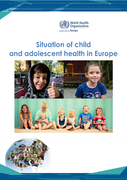
The report focuses on several key areas where health outcomes are falling short, and provides insight into ways in which countries can improve the situation for their children and adolescents. Areas in focus include mental health, overweight/obesity and adolescent risk-taking behaviour.
The report
...
shows, for example, that:
- mental health remains a neglected subject – only one quarter of countries are collecting data on the number of children treated by a mental health professional;
- half of countries do not regulate the marketing of food to children, despite the fact that childhood obesity rates are high across the Region and physical activity rates are low;
- almost half of countries have no policy that affects the availability of unhealthy foods at school;
- 2 in 5 girls and 1 in 3 boys who are having sex do not protect themselves; and
one third of countries do not offer legal access to contraception without parental consent for those under 18 years of age.
more
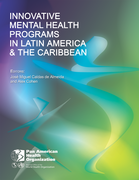
Innovative Mental Health Programs in Latin America & The Carribbean
Caldas de Almeida, José Miguel (ed.) & Cohen, Alex (ed.).
Pan American Health Organization
(2008)
C_WHO
In the last quarter century, several projects emerged to reform mental health services in Latin American and Caribbean countries. Some did not survive the difficulties that inevitably arise in processes of change, and ended up disappearing before the intended changes could be introduced. Others, how
...
ever, as shown in this publication, were able to overcome difficulties and meet intended objectives, effectively transforming the structure and quality of services. All these projects, including the many that did not survive, were part of one of the richest experiences in the transformation of mental health care worldwide - the experience of mental health reform in Latin America and the Caribbean
more

Цель данного доклада – стать ресурсом, позволяющим руководителям и другим заинтересованным сторонам рассматри-вать предупреждение самоубийств как императив. ТоÐ
...
»ько в этом случае страны смогут предпринять своевременные и эффективные меры на национальном уровне и, таким образом, избавить граждан, семьи, местные сообществаи общество в целом от бремени страданий, вызываемых самоубийствами и суицидальными попытками.
more

Child and adolescent Mental health in europe: infrastructures, policy and programmes
F. Braddick; V. Carral; R. Jenkins; E. Jané-Llopis
European Commission; Generalitat de Catalunya Department de Salud; Institute of Psychiatry; Kings College London; State Mental Health Center ; et al.
(2009)
C2
CAMHEE

Résumé.
Malgré les efforts de promotion des mutuelles de santé depuis une décennie et l’existence d’une vingtaine de compagnies privées proposant des polices d’assurance maladie, moins de 1% de la population camerounaise bénéficie d’une couverture maladie. Les facteurs sous jacents
...
sont entre autres : (i) la méfiance des ménages vis-à-vis des mutuelles de santé et des assureurs privés; (ii) l’absence d’obligation d’une assurance maladie qui en fait un produit de luxe ; (iii) l’ignorance des avantages des mécanismes assurantiels; (iv) la pauvreté et le montant élevé des primes d’adhésion et des cotisations annuelles ; et (v) la forte prévalence de l’emploi dans le secteur informel (80,6%). Pour y faire face nous proposons de : 1) Créer et pérenniser un environnement favorable à la promotion et au développement des MS ; 2) Subventionner les primes par le Gouvernement, les Partenaires et les Municipalités pour en réduire le prix d’achat ; 3) Instituer une collecte flexible des primes et établir un dispositif attractif de mutualisation du risque et des procédures d’achat qui inspirent confiance aux usagers et aux prestataires des soins.
more
Special Focus on COVID-19
The report provides updated estimates for drinking water, sanitation and hygiene in schools including progress from 2015 to 2019. It highlights the rapid improvement needed to ensure students have access to handwashing facilities with soap and water during the COVID-19 pan
...
demic, and to meet associated SDG targets by 2030.
more

his Inter Action Review report for the COVID-19 outbreak in Mauritius documents and assesses the country’s capacity to respond to the outbreak and identifies the best practices, strengths, gaps and challenges of the national response. Areas requiring improvements or sustained actions have been ide
...
ntified across the 9 strategic pillars of World Health Organization (WHO)’s COVID-19 Strategic Preparedness and Response Plan and an additional pillar for the country’s response beyond health. On an overall, the review aims to enhance and sustain the national response with a particular focus on strengthening the health systems.
more
Understanding and building resilience to early life trauma in Belarus and Ukraine
Marais, J.F.; Ol. Kazakova, D. Krupchanka, et al.
World Health Organization WHO, Regional Office of Europe
(2019)
C_WHO
In 2018 and early 2019, the WHO Regional Office for Europe’s cultural contexts of health and well-being project worked alongside the University of Exeter’s WHO Collaborating Centre on Culture and Health, the Minsk Regional Centre for Psychiatry and Addiction, and the Institute of Mental Health o
...
f the Ukrainian Catholic University to engage researchers, practitioners, health-care workers and other relevant stakeholders in a series of workshops on the cultural contexts of early life trauma in Belarus and Ukraine.
more
scientific brief, 2 March 2022
This report - the largest of its kind to date - draws on the experiences of over 8,500 women and 300 health professionals across eight countries. It exposes the aggressive marketing practices used by the formula milk industry, and highlights impacts on families’ decisions about how to feed their b
...
abies and young children.
more
Ukrainian decentralization reform has increased and democratized local government responsibility for health care at the level of local government closest to communities and has increased regional and local government responsibility for public health. Decentralization affects health system reform in
...
three important areas: health financing, individual health services and public health.
more

The “Wuppertal Call” – Contributions and Recommendations from an
International Conference on Eco-Theology and Ethics of Sustainability
Wuppertal, Germany, 16 – 19 June 2019
PLoS Negl Trop Dis 13(10): e0007694. In 2005, the World Health Organization (WHO) recognized Chagas disease (CD; Trypanosoma cruzi infection) as a neglected tropical disease (NTD) [1] and included it into the global plan to combat NTDs [2]. The Target 3.3 of the United Nations Sustainable Developmen
...
t Goals (UN/SDG) aims at ending the epidemics of NTDs by 2030 [3]. Mother-to-child (congenital/connatal) transmission is currently the main mode of transmission of T. cruzi over blood transfusions and organ transplantations in vector-free areas within and outside Latin America (LA). Based on recent demonstrations that congenital transmission can be prevented [4–7], WHO has shifted its objective, in 2018, from control to elimination of congenital CD (cCD).
more

Health financing for the COVID-19 response: Process guide for national budgetary dialogue. ACT-A Health Systems Connector
World Health Organization (WHO), World Bank, Global Financing Facility (GFF) et al.
World Health Organization (WHO)
(2021)
CC
Annual and medium-term budget preparation processes are the platforms through which specific plans are transformed into actual resource allocation decisions. The aim of this Process Guide is to support key stakeholders involved in these processes (such as the Cabinet, Ministries of Finance and Healt
...
h, the Parliament, citizens, media, and civil society organizations) to reorient budgetary arrangements in order to facilitate the ability of national governments to respond to the COVID-19 pandemic by delivering, therapeutics, diagnostics, and vaccine services to their populations. Reorienting budgetary arrangements positions governments to sustain the capacity to mitigate and respond to COVID-19 while concurrently delivering other essential health services and working towards Universal Health Coverage (UHC). The reorientation process is an opportunity to better align budgetary arrangements to sustain systemic capacity to prevent emerging health threats over the short, medium, and long terms.
more

The 2018 global health financing report presents health spending data for all WHO Member States between 2000 and 2016 based on the SHA 2011 methodology. It shows a transformation trajectory for the global spending on health, with increasing domestic public funding and declining external financing. T
...
his report also presents, for the first time, spending on primary health care and specific diseases and looks closely at the relationship between spending and service coverage
more

The world is off track to make significant progress towards universal health coverage (UHC) (SDG target 3.8) by 2030 as improvements to health services coverage have stagnated since 2015, and the proportion of the population that faced catastrophic levels of out-of-pocket (OOP) health spending has i
...
ncreased.
more
In 2019, the Global Fund’s 6th Replenishment raised more than $USD14 billion to fight HIV, Tuberculosis and Malaria. Just two years later, the world has changed significantly. Put simply: COVID-19 devastated prevention and treatment programs. For the first time since the Global Fund’s founding,
...
in 2020 the world lost ground in the fight against HIV, Tuberculosis and Malaria.
The Global Fund moved quickly to support countries to respond to COVID-19 and its impact on the three diseases, repurposing and leveraging additional funding to support urgent needs and adapt programs. Despite those efforts, the need for action to resume progress in the fight against HIV, TB and malaria has never been greater.
The world faces a choice.
more
