
Filter
965
Text search:
sepsis
Featured
136
264
Language
Document type
454
251
111
63
24
23
19
7
5
4
2
1
1
Countries
83
26
24
23
22
20
19
19
18
17
17
17
17
16
14
14
13
13
12
10
10
9
8
8
8
7
7
7
6
6
6
6
5
5
5
5
5
4
4
4
3
3
3
3
3
3
3
3
3
2
2
2
2
2
2
2
2
2
2
2
2
1
1
1
1
1
1
1
1
1
1
1
1
1
1
1
1
1
1
Authors & Publishers
Publication Years
Category
459
151
143
34
25
23
9
Toolboxes
121
91
65
23
20
20
18
18
18
13
10
10
8
8
7
6
5
5
5
2
2
2
1
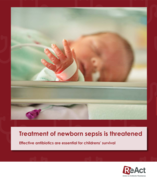
Effective antibiotics are essential for childrens’ survival
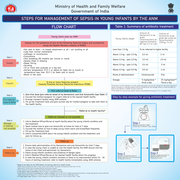
Sepsis contributes significantly to preventable mortality and is the final common pathway to death for severe infectious diseases; it can also arise as a complication of injuries and non-communicable diseases.
Sepsis remains a leading cause of mortality and morbidity, especially during the first five days of life and in low and middle-income countries (LMIC) [1]. Hospital infection also remains a major cause of mortality in children despite progress encou
...
PLOS Glob Public Health 2(8): e0000272. https://doi.org/10.1371/journal.pgph.0000272
Sepsis is a major global health problem, especially in sub-Saharan Africa. Improving patient care requires that healthcare providers understand patients’ priorit
...
Education material for teachers of midwifery
Midwifery education modules - second edition

Anaesthesia Tutorial of the Week
Examining nursing practice guidelines to improve quality of care for patients with sepsis in low income countries is required. • A large amount of information about best practice standards in sepsis
...
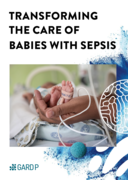

Most of the global burden of sepsis occurs in low- and middle-income countries (LMICs), but the prevalence and etiology of sepsis in LMICs are not well understood. In particular, the lack of laborat
...

In 2015, 5.9 million children under age five died (1). The major causes of child deaths globally are pneumonia, prematurity, intrapartum-related complications, neonatal sepsis, congenital anomalies, diarrhoea, injuries and malaria (2). Most of these
...
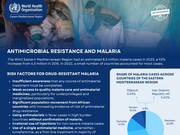
Antimicrobial resistance (AMR) and malaria remain significant public health challenges in the WHO Eastern Mediterranean Region (EMR). In 2021, the region reported 1.7 million sepsis-related deaths, with 373,000 associated with bacterial AMR. High an
...
Globally, in low-income countries, the average newborn mortality rate is 27 deaths per 1,000 births, the report says. In high-income countries, that rate is 3 deaths per 1,000. Newborns from the riskiest places to give birth are up to 50 times more likely to die than those from the safest places.
...
...
Methicillin-resistant Staphylococcus aureus(MRSA) strainsor multidrug-resistant S.aureus, initially described in 1960s,emerged in the last decade as a cause of nosocomial infections responsible for rapidly progressive, potential fatal diseases including life-threatening pneumonia, necrotizing fascii
...

First published in 2020, this toolkit is intended for clinicians working in acute care, managing adult and paediatric patients with acute respiratory infection, including severe pneumonia, acute respiratory distress syndrome, sepsis and septic shock
...
Updated 10 August 2020
This document presents an essential medicines list (EML) to manage patients in intensive care units (ICUs) with suspected or confirmed COVID-19 diagnosis, which includes active ingredients with dosage form and concentration, and are preferably in the WHO Model Lists of Essent
...
24 marzo 2020
El objetivo de este documento es elaborar una lista de medicamentos esenciales para manejar los pacientes en unidades de cuidados intensivos con sospecha o diagnóstico confirmado de COVID -19. Incluye principios activos con su forma farmacéutica y concentración —preferentemente e
...

The meningitis road map has been designated as a flagship global strategy of the WHO’s Thirteenth General Programme of Work, 2019–2023 and is an essential component in achieving universal health coverage.
The road map will reinforce and combine with wider initiatives, such as those aimed at s
...
En 2015, murieron 5,9 millones de niños menores de cinco años (1). Las principales causas de muerte en los niños a nivel mundial son la neumonía, la prematuridad, las complicaciones durante el parto, la sepsis neonatal, las anomalías conge
...
