
Filter
390
Text search:
famine
Featured
26
112
Language
Document type
216
90
24
22
16
9
6
5
1
1
Countries
34
27
24
11
9
9
8
7
7
6
6
5
5
4
4
4
4
4
4
3
3
3
3
3
3
3
3
2
2
2
2
2
2
2
2
2
2
2
2
1
1
1
1
1
1
1
1
1
1
1
1
1
1
1
1
1
1
1
1
1
1
1
1
1
1
1
1
1
1
1
1
Authors & Publishers
Publication Years
Category
119
76
16
12
11
1
1
Toolboxes
64
43
27
25
22
16
15
13
13
7
6
6
5
4
3
3
2
2
2
2
2
2
1
1
More than 20 million people in North-East Nigeria, South Sudan, Yemen and Somalia are facing famine or a credible risk of famine over the coming six
months. Some 1.4 million children are currently
...

Some 90 per cent of Yemen’s food has to be imported and since a Saudi-led coalition imposed a blockade of the country’s key northern ports more than a month ago, only over a third of the food its people need is coming in.
More than 7 million people are now at acute risk of
...
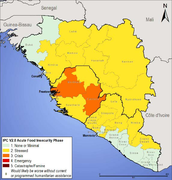
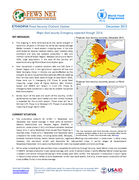
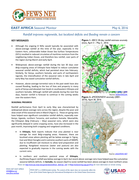
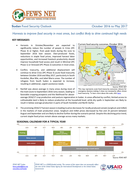
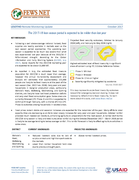
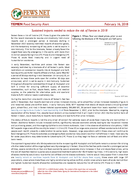
Yemen faces a risk of Famine (IPC Phase 5) given the potential for the recent blockade to resume and drastically limit crucial imports over a prolonged period. A blockade starting in November 2017 severely restricted imports of essential goods, and
...

MALAWI Food Security Outlook JUNE 2018 to JANUARY 2019
As the postharvest period continues, very poor and poor households in districts in the southern and central region will face Stressed (IPC Phase 2) outcomes from June to September. Most of these districts will transition to Crisis (IPC Pha ...
As the postharvest period continues, very poor and poor households in districts in the southern and central region will face Stressed (IPC Phase 2) outcomes from June to September. Most of these districts will transition to Crisis (IPC Pha ...
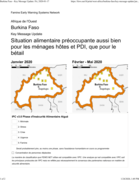
French Situation Report on Burkina Faso about Agriculture, Food and Nutrition, IDPs and more; published on 24 Jan 2020 by FEWS NET
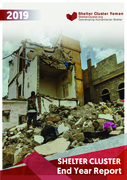
Yemeni people continue to show incredible resilience after five years of conflict, recurrent flooding, constant threats of famine and cholera, extreme hardship to access basic services like education or health and dwindling livelihoods opportunities
...
This document is written for local and international staff running nutrition programmes in emergencies, and for local, regional and national authorities and donors involved in such programmes.
The note explains why nutrition programmes need to include early childhood development (ECD) activities t
...

The humanitarian crisis in Yemen remains the worst in the world. Nearly four years of conflict and severe economic decline are driving the country to the brink of famine and exacerbating needs in all sectors. An estimated 80 per cent of the populati
...
Nearly 260 000 people died in parts of Somalia between October 2010 and April 2012, including
133 000 children under five during the famine and food crisis in Somalia making it the worst famine in
...
Non-communicable diseases (NCDs) account for 72% of all deaths globally and this proportion is growing. Greatest increases in NCD mortality are seen in low-income and middle-income countries (LMICs). Places that only a generation ago knew famine are
...

Strengthening resilient agricultural livelihoods
Level 3 responses are activated in the most complex and challenging humanitarian emergencies, when the highest level of mobilization is required across the humanitarian system. Even before the conflict escalated, the country suffered high levels of p
...
