
Filter
428
Text search:
blood
vessels
Featured
63
93
Language
Document type
195
75
71
38
21
13
8
3
1
1
1
1
Countries
67
24
10
10
9
9
9
8
5
5
4
4
4
3
3
3
3
3
3
3
3
2
2
2
2
2
2
2
1
1
1
1
1
1
1
1
1
1
1
1
1
1
1
1
1
1
1
Authors & Publishers
Publication Years
Category
148
86
46
29
20
11
8
Toolboxes
46
42
26
13
12
9
9
9
9
9
7
6
6
5
5
4
4
2
1
1
1
1
1
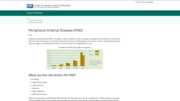
Peripheral arterial disease (PAD) in the legs or lower extremities is the narrowing or blockage of the vessels that carry blood from the heart to the legs. It is primarily caused by the buildup of f
...
Peripheral artery disease (PAD) is a disease of the blood vessels outside the heart and brain. PAD often occurs due to a buildup of fatty deposits in the arteries.

Clinical Practice Guidelines and Clinical Pathway for Therapy and Management of Heart Disease and Blood Vessels in Indonesia

Cardiovascular disease (CVD) describes a group of conditions that affect your heart or blood vessels. Cardiovascular events like heart attacks and strokes are very serious.

Cardiovascular disease (CVD) is a general term for conditions affecting the heart or blood vessels.
It's usually associated with a build-up of fatty deposits inside the arteries (atherosclerosis) a
...
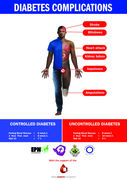
If not properly managed, diabetes can lead to a wide range of serious health complications. These include retinopathy (eye damage), nephropathy (kidney damage), neuropathy (nerve damage) and damage to blood
...

Hypertension, also known as high or raised blood pressure, is a condition in which the blood vessels have persistently raised pressure.
...

Diabetes is a chronic, metabolic disease characterized by elevated levels of blood glucose (or blood sugar), which leads over time to serious damage to the heart,
...
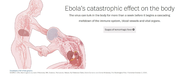
Very good infographic included in this article: The virus can lurk in the body for more than a week before it begins a cascading meltdown of the immune system, blood vessels and vital organs.
Plea
...

Across the world more than 420 million people are living with diabetes. Two thirds of these have not yet been diagnosed. When discovered late or managed incorrectly, diabetes can damage your heart, blood v
...

Diabetes is not new to South-East Asia, since this condition was first described by Indian and Egyptian physicians three and a half thousand years ago. Diabetes is a serious, chronic disease characterized by chronic elevation of blood glucose and di
...

Diabetes is a chronic disease that occurs either when the pancreas does not produce enough insulin or when the body cannot effectively use the insulin it produces. Insulin is a hormone that regulates blood glucose. Hyperglycaemia, also called raised
...

Diabetes is a chronic disease that occurs either when the pancreas does not produce enough insulin or when the body cannot effectively use the insulin it produces. Insulin is a hormone that regulates blood glucose. Hyperglycaemia, also called raised
...

Diabetes is a chronic disease that occurs either when the pancreas does not produce enough insulin or when the body cannot effectively use the insulin it produces. Insulin is a hormone that regulates blood glucose. Hyperglycaemia, also called raised
...
Translated high blood pressure information in following languages: Albanian, Arabic, Bengali, Bulgarian, Chinese (simplified), Chinese (traditional), Croatian, Czech, English, Farsi, French, German, Greek, Gujarati, Hindi, Hungarian, Italian, Japane
...
The new WHO guidelines provide recommended steps for safe phlebotomy and reiterate accepted principles for drawing, collecting blood and transporting blood to laboratories/
...
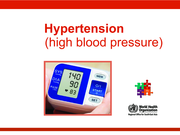
Document provides basic information on Hypertension (symptoms, risk factors, complications, treatment) in a descriptive way.
The new guidelines provide public health guidance on pharmacological agents for managing hyperglycaemia in type 1 and type 2 diabetes for use in primary health-care in low-resource settings. These guidelines update the recommendations for managing hyperglycaemia in the WHO Package of Essential NCD I
...
