
Filter
1474
Countries:
Global
Featured
59
47
Language
Document type
462
263
151
125
122
79
73
55
44
31
21
18
12
11
7
Countries
1474
22
16
14
12
12
9
9
8
8
7
7
7
6
6
6
6
5
5
5
4
4
4
4
4
4
4
3
3
3
3
2
2
2
2
2
2
2
2
2
2
2
2
2
1
1
1
1
1
1
1
1
1
1
1
1
1
1
1
1
1
1
1
1
1
1
1
1
1
1
1
1
1
1
1
1
1
1
Authors & Publishers
Publication Years
Category
353
85
46
34
27
26
23
18
14
14
12
12
11
10
10
9
9
9
9
8
8
8
8
7
7
7
7
7
7
6
6
5
5
5
5
5
5
4
4
4
4
4
4
4
4
4
4
3
3
3
3
3
3
3
3
3
3
3
3
3
3
2
2
2
2
2
2
2
2
2
2
2
2
2
2
2
2
2
2
2
2
2
2
2
2
1
1
1
1
1
1
1
1
1
1
1
1
1
1
1
1
1
1
1
1
1
1
1
1
1
Toolboxes
145
64
56
36
35
35
32
27
24
24
24
23
23
20
19
19
17
17
16
16
14
14
13
13
12
12
12
12
11
11
11
11
11
11
11
10
10
9
9
9
9
9
9
9
9
9
9
8
8
8
8
7
7
7
7
7
7
7
7
7
7
7
7
7
7
7
7
6
6
6
6
6
6
6
6
6
6
6
6
6
6
6
5
5
5
5
5
5
5
5
5
5
5
5
5
5
5
5
5
5
5
5
5
5
5
5
5
5
4
4
4
4
4
4
4
4
4
4
4
4
4
4
4
4
4
4
4
4
4
4
4
4
4
4
4
4
4
4
4
4
4
4
3
3
3
3
3
3
3
3
3
3
3
3
3
3
3
3
3
3
3
3
3
3
3
3
3
3
3
3
3
3
3
3
3
3
3
3
3
3
3
3
3
2
2
2
2
2
2
2
2
2
2
2
2
2
2
2
2
2
2
2
2
2
2
2
2
2
2
2
2
2
2
2
2
2
2
2
2
2
2
2
2
2
2
2
2
2
2
2
2
2
2
2
2
2
2
2
2
2
2
2
2
2
2
2
2
2
2
1
1
1
1
1
1
1
1
1
1
1
1
1
1
1
1
1
1
1
1
1
1
1
1
1
1
1
1
1
1
1
1
1
1
1
1
1
1
1
1
1
1
1
1
1
1
1
1
1
1
1
1
1
1
1
1
1
1
1
1
1
1
1
1
1
1
1
1
1
1
1
1
1
1
1
1
1
1
1
1
1
1
1
1
1
1
1
1
1
1
1
1
1
1
1
1
1
1
1
1
1
1
1
1
1
1
1
1
1
1
1
1
1
1
1
1
1
1
1
1
1
1
1
1
1
1
1
1
1
1
1
1
1
1
1
1
1
1
1
1
1
1
1
1
1
1
1
1
1
1
1
1
1
1
1
1
1
1
1
1
1
1
1
1
1
1
1
1
1
1
1
1
1
1
1
1
1
1
1
1
1
1
1
1

Everyone in the world is exposed to risk factors for chronic respiratory disease (CRD). Three billion people live in urban areas and are exposed to outdoor air pollution. Two billion people are exposed to solid fuel combustion which represents one of the major risk factors worldwide. One billion peo
...

Chronic respiratory diseases, such as asthma and
chronic obstructive pulmonary disease, kill more than
four million people every year and affect hundreds
of millions more. These diseases erode the health
and well-being of the patients and have a negative
impact on families and societies. Women
...

Chronic respiratory diseases, such as asthma and
chronic obstructive pulmonary disease, kill more than
four million people every year and affect hundreds
of millions more. These diseases erode the health
and well-being of the patients and have a negative
impact on families and societies. Women
...

Asthma prevalence is increasing worldwide and surveys indicate that the majority of patients in developed and developing countries do not receive optimal care and are therefore not well controlled. The aim of these guidelines is to promote a better standard of treatment based on advances in the unde
...

Poverty and associated health, nutrition, and social factors prevent at least 200 million children in developing countries from attaining their developmental potential. We review the evidence linking compromised development with modifiable biological and psychosocial risks encountered by children fr
...
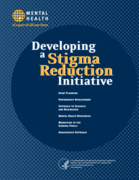
This kit, “Developing a Stigma Reduction Initiative,” is designed to support the activities of those who plan to mount a statewide, regional, or local effort to address and counter stigma and discrimination. It is intended for use by local mental health advocates, consumers of mental health serv
...
[Antecedentes] En el año 2005, un brote registrado en un área turística del sur de Brasil, concitó la atención internacional en función de haber afectado a un grupo de turistas internacionales y haber registrado alta morbilidad y mortalidad. La importancia que reviste este tema emergente, y la
...

Background: Timely reliable data on aid flows to maternal, newborn, and child health are essential for assessing the adequacy of current levels of funding, and to promote accountability among donors for attainment of the Millennium Development Goals (MDGs) for child and maternal health. We provide g
...

Prior research has considered donor funding for developing world health by recipient and donor country but not by disease. Examining funding by disease is critical since diseases may be in competition with one another for priority and donors may be making allocation decisions in ways that do not cor
...

Diabetes mellitus is one of the most common noncommunicable diseases worldwide. In the Eastern Mediterranean Region there has been a rapid increase in the incidence of diabetes mellitus and it is now the fourth leading cause of death. The increasing prevalence of diabetes mellitus, the emergence of
...

Chronic obstructive pulmonary disease (COPD) represents an increasing burden throughout the world. COPD-related mortality is probably underestimated because of the difficulties associated with identifying the precise cause of death. Respiratory failure is considered the major cause of death in advan
...

The article from the European Respiratory Journal discusses the natural history of chronic obstructive pulmonary disease (COPD), emphasizing its increasing global impact on morbidity and mortality. It highlights that while cigarette smoking is a primary risk factor, other influences such as environm
...

The aim of the present study was to predict which patients with severe or difficult-to-treat asthma are at highest risk for healthcare utilisation can be predicted so as to optimise clinical management. Data were derived from 2,821 adults with asthma enrolled in The Epidemiology and Natural History
...

The Asthma Control Questionnaire (ACQ) was developed to measure the primary goals of asthma management as identified by international guidelines. All guidelines indicate that to achieve good control, treatment should minimise day- and night-time symptoms, activity limitation, airway narrowing and re
...

The development of the Asthma Control Test (ACT), a short, simple, patient-based tool for identifying patients with poorly controlled asthma, was recently described in patients under the routine care of an asthma specialist.
We sought to evaluate the reliability and validity of the ACT in a longi
...

Allergic rhinitis (AR) and asthma are inflammatory conditions of the airways that often occur concomitantly. This global survey was undertaken to understand patient perspectives regarding symptoms, treatments, and the impact on their well-being of comorbid AR and asthma.

The document “Communicable Disease Surveillance and Response Systems: A Guide to Planning” is a World Health Organization (WHO) guide designed to help countries develop and strengthen national surveillance and response systems for communicable diseases . It explains why surveillance is essential
...

Buruli ulcer is a disease of skin and soft tissue with the potential to leave sufferers scarred and disabled. It is caused by an environmental pathogen, Mycobacterium
ulcerans, that produces a destructive toxin. The exact mode of transmission is unclear. The main burden of disease falls on childre
...

Considerable energy has been expended over the last two decades in developing methods for identifying the presence of asthma among participants in population studies. The objective of this endeavour has commonly been to enable epidemiological research on risk factors for asthma, with the ultimate ai
...

The Asthma Control Questionnaire (ACQ)1 was developed and validated to measure the primary clinical goal of asthma management as identified by international guidelines. They indicate that to achieve good control, treatment should minimise day and night time symptoms, activity limitation, airway narr
...
