
Filter
729
Breadcrumb:
World Health Organization (WHO)
Featured
66
232
Language
Document type
430
78
55
39
34
23
20
13
10
8
6
5
5
1
1
Countries
109
26
23
17
17
15
14
13
13
13
13
13
10
9
9
9
8
8
8
8
8
8
7
7
7
7
6
6
6
6
6
6
6
5
5
5
5
4
4
4
4
4
3
3
3
3
3
2
2
2
2
2
2
2
1
1
1
1
1
1
1
1
1
1
1
1
1
1
1
1
1
1
1
1
1
1
1
1
1
1
1
1
1
1
1
Authors & Publishers
Publication Years
Category
209
81
26
17
13
12
9
9
9
6
6
5
5
5
5
4
4
4
4
4
4
3
3
3
3
3
3
3
3
3
3
3
3
3
3
2
2
2
2
2
2
2
2
2
2
2
2
2
2
2
2
2
1
1
1
1
1
1
1
1
1
1
1
1
1
1
1
1
1
1
1
Toolboxes
25
20
20
20
19
19
17
17
16
15
14
14
12
11
10
10
9
9
9
8
8
7
7
7
7
6
6
6
6
6
5
5
5
5
5
5
5
5
5
5
5
4
4
4
4
4
4
4
4
4
4
4
4
4
3
3
3
3
3
3
3
3
3
3
3
3
3
3
3
3
3
3
3
2
2
2
2
2
2
2
2
2
2
2
2
2
2
2
2
2
2
2
2
2
2
2
2
2
2
2
2
2
2
2
2
2
2
2
2
2
2
2
2
2
2
1
1
1
1
1
1
1
1
1
1
1
1
1
1
1
1
1
1
1
1
1
1
1
1
1
1
1
1
1
1
1
1
1
1
1
1
1
1
1
1
1
1
1
1
1
1
1
1
1
1
1
1
1
1
1
1
1
1
1
1
1
1
1
1
1
1
1
1
1
1
1
1
1
1
1
1
1
1
1
1
1
1
1
1
1
1
1
1
1
1
1
1
1
1
1
1
1
1
1
1
1
1
1
1
1
1
1
1
1
1
1
1
1
1
1
1
1
1
1
1
1
1
1
1
1
1
1
1
1
1
1
1
1
1
1
1
1
1
1
1
1
1
1
1
1
1
1
1
1
1
1
1
1
1
1
1
1
1
1
1
1
1
1
1
1
1
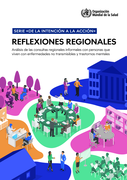
El presente informe incluye análisis de consultas informales en cinco de las regiones de la OMS: la Región de África, la Región de las Américas (donde se realizaron consultas separadas para el Caribe y América del Norte, y para América Latina), la Región de Asia Sudoriental, la Región de Eu
...

This fourth annual report monitors global progress towards the 2023 target for global elimination of industrially produced trans-fatty acids (TFA), highlighting achievements during the past year (October 2021 – September 2022). Countries are responding to the World Health Organization (WHO) call t
...
The World Health Organization's fact sheet on noncommunicable diseases (NCDs) highlights that NCDs, such as cardiovascular diseases, cancers, chronic respiratory diseases, and diabetes, are responsible for 74% of all global deaths, totaling 41 million annually. Notably, 86% of premature NCD deaths (
...
The Noncommunicable Diseases (NCD) Data Portal provides comprehensive information on NCDs, including cardiovascular diseases, cancer, diabetes, and chronic respiratory diseases. It offers country-specific data on mortality rates, risk factors, and national responses, enabling analysis and comparison
...
The Noncommunicable Diseases (NCD) Data Portal provides comprehensive information on NCDs, including cardiovascular diseases, cancer, diabetes, and chronic respiratory diseases. It offers country-specific data on mortality rates, risk factors, and national responses, enabling analysis and comparison
...
The Noncommunicable Diseases (NCD) Data Portal provides comprehensive information on NCDs, including cardiovascular diseases, cancer, diabetes, and chronic respiratory diseases. It offers country-specific data on mortality rates, risk factors, and national responses, enabling analysis and comparison
...
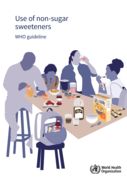
The document titled "Use of Non-Sugar Sweeteners: WHO Guideline" provides recommendations from the World Health Organization on the use of non-sugar sweeteners (NSS) to reduce sugar intake, manage weight, and prevent diet-related noncommunicable diseases (NCDs). It discusses the potential effects of
...

The document, "Sustainable Management of Radiotherapy Facilities and Equipment," by WHO and IAEA, provides guidelines for managing radiotherapy equipment and facilities to ensure effective and safe cancer treatment. It covers essential aspects like preventive and corrective maintenance, funding, inf
...

The document, titled "Prevention and Control of Noncommunicable Diseases: Guidelines for Primary Health Care in Low-Resource Settings," provides the World Health Organization's (WHO) recommendations for managing noncommunicable diseases (NCDs) such as cancer, heart disease, diabetes, and chronic res
...

The document, titled "Prevention and Control of Noncommunicable Diseases: Guidelines for Primary Health Care in Low-Resource Settings," provides the World Health Organization's (WHO) recommendations for managing noncommunicable diseases (NCDs) such as cancer, heart disease, diabetes, and chronic res
...
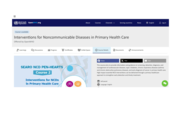
The OpenWHO course titled "Interventions for Noncommunicable Diseases in Primary Health Care" provides guidance on screening, detection, diagnosis, and management of major noncommunicable diseases (NCDs) such as cardiovascular diseases, type 2 diabetes, chronic respiratory diseases (asthma and chron
...

The "Assessing National Capacity for the Prevention and Control of Noncommunicable Diseases: Report of the 2021 Global Survey" by WHO examines the global state of readiness and infrastructure for managing noncommunicable diseases (NCDs) across countries. Based on the 2021 survey, it analyzes nationa
...
The report "Assessing National Capacity for the Prevention and Control of Noncommunicable Diseases" provides an overview of the capacities of countries in the Eastern Mediterranean Region to address noncommunicable diseases (NCDs) based on a 2019 survey. It evaluates the progress of 22 countries in
...
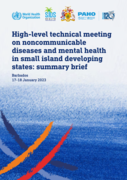
The WHO document, "High-level technical meeting on noncommunicable diseases and mental health in small island developing states: summary brief," outlines the outcomes of a January 2023 meeting in Barbados, focusing on NCDs and mental health challenges in small island developing states (SIDS). Key to
...
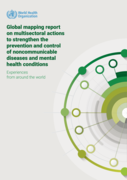
The "Global mapping report on multisectoral actions to strengthen the prevention and control of noncommunicable diseases (NCDs) and mental health conditions" by the WHO provides insights into how different countries are implementing multisectoral approaches to address NCDs and mental health issues.
...
The WHO fact sheet on household air pollution highlights that around 2.1 billion people rely on solid fuels like wood and coal for cooking, using open fires or inefficient stoves. This leads to severe indoor air pollution, contributing to about 3.2 million premature deaths each year, including over
...

The WHO fact sheet on household air pollution highlights that around 2.1 billion people rely on solid fuels like wood and coal for cooking, using open fires or inefficient stoves. This leads to severe indoor air pollution, contributing to about 3.2 million premature deaths each year, including over
...
The WHO fact sheet on household air pollution highlights that around 2.1 billion people rely on solid fuels like wood and coal for cooking, using open fires or inefficient stoves. This leads to severe indoor air pollution, contributing to about 3.2 million premature deaths each year, including over
...
The WHO fact sheet on household air pollution highlights that around 2.1 billion people rely on solid fuels like wood and coal for cooking, using open fires or inefficient stoves. This leads to severe indoor air pollution, contributing to about 3.2 million premature deaths each year, including over
...
The World Health Organization (WHO) fact sheet on Chronic Obstructive Pulmonary Disease (COPD) provides an overview of this common lung condition characterized by persistent respiratory symptoms and airflow limitation.
