
Filter
189
Breadcrumb:
UNAIDS
Featured
16
58
Language
Document type
71
47
20
16
11
7
5
4
2
2
Countries
9
7
7
6
4
4
4
4
4
3
3
3
3
3
2
2
2
2
2
2
2
2
2
1
1
1
1
1
1
1
1
1
1
1
1
1
1
1
1
1
1
1
1
1
1
1
1
1
1
1
Authors & Publishers
Publication Years
Category
47
23
11
7
4
3
3
2
2
1
1
1
1
1
1
1
1
1
Toolboxes
24
17
12
7
6
6
6
6
5
5
4
4
4
4
3
3
3
3
3
3
3
3
3
2
2
2
2
2
2
2
2
2
2
2
2
2
1
1
1
1
1
1
1
1
1
1
1
1
1
1
1
1
1
1
1
1
1
1
1
1
1
1
1
1
1
1
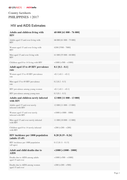
Accessed online August 2018
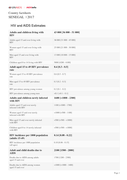
Accessed online August 2018
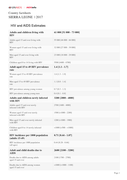
Accessed online August 2018
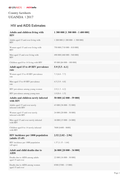
Accessed online August 2018
Accessed online August 2018
Accessed online August 2018
Accessed online August 2018
The country snapshot provides information on the HIV epidemic and response in Myanmar country .
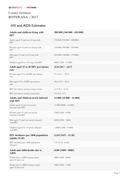
Accessed August 2018
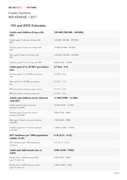
Accessed online August 2018

1-13 December 2018 | Geneva, Switzerland UNAIDS Programme Coordinating Board Issue date: 23 November 2018
UNAIDS/PCB (43)/18.32

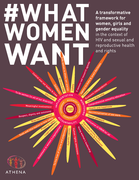
This report brings attention to achieving gender equality in the context of women, girls, and the HIV response. This six-month consultation in 2016 with adolescent women and young girls found that #WhatWomenWant is: collaboration and joint action by all to invest in women's HIV and Sexual and Reprod
...
Policy Brief, Updated in March 2017
Key messages
• Meaningful involvement of sex workers in the HIV response through peer-based education and outreach and consultation in policy making and programme planning is vital to reduce their vulnerability to HIV and other sexually transmitted inf ...
Key messages
• Meaningful involvement of sex workers in the HIV response through peer-based education and outreach and consultation in policy making and programme planning is vital to reduce their vulnerability to HIV and other sexually transmitted inf ...

Protecting the fundamental rights of people affected by HIV
Under the Constitution of the Republic of the Union of Myanmar (2008), every citizen - including people living with HIV - has the right to work, access health care, and receive basic education.
However, stigma and discrimination r ...
Under the Constitution of the Republic of the Union of Myanmar (2008), every citizen - including people living with HIV - has the right to work, access health care, and receive basic education.
However, stigma and discrimination r ...
The guidelines fill a gap in providing tools for surveying HIV prevalence in key populations, and the included questionnaires may also inform general population surveys. These guidelines standardize the conduct of biobehavioural surveys to permit comparisons between as well as within countries over
...
Overcoming HIV-related stigma and discrimination in health- care settings and beyond
UNAIDS 2017 | REFERENCE
Guidance
Second Edition
Monitoring and Evaluation
Global HIV Strategic Information Working Group
For Populations At Risk For HIV
