
Filter
877
Text search:
situation
humanitaire
Featured
95
311
Language
Document type
429
122
93
77
61
49
21
14
7
3
1
Countries
102
42
41
38
37
36
35
31
30
26
19
17
17
16
15
12
11
11
11
11
10
10
10
10
9
9
9
8
8
7
7
7
7
7
6
6
6
6
6
5
5
5
5
5
5
4
4
4
3
3
3
3
2
2
2
2
2
2
2
2
1
1
1
1
1
1
1
1
1
1
1
1
1
1
1
1
1
1
1
1
1
1
1
1
1
1
Authors & Publishers
Publication Years
Category
570
165
32
18
17
12
1
Toolboxes
105
92
72
50
37
30
22
18
10
10
8
7
5
4
4
3
2
2
2
2
1
1
1
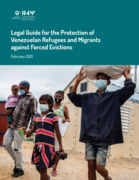
The right to adequate housing, despite having been recognized by multiple international instruments, continues to be a human right that is consistently violated. Around 2O% of the world's population do not have adequate housing . In Latin America, informal settlements generally lack the conditions r
...
Earthquake Haiti: Guidelines and Resources
recommended
25 August 2021. The earthquake on August 14, 2021 was almost as strong as the severe quake in 2010, which killed about 300,000 people. The current number of victims is more than 2,200 people, and more than 12,000 people have been injured. More than 52,000 houses were destroyed and more than 77,000
...
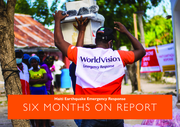
Six months after the earthquake, World Vision's efforts have made it possible to provide emergency assistance to selected beneficiaries among the most vulnerable through the distribution of food and hygiene kits and to address the psychosocial needs of children, adolescents, and young people deprive
...
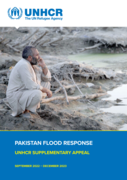
Pakistan, one of the countries that is most vulnerable to climate change, received more than three times its usual rainfall in August 2022. Torrential rains and flash-flooding began in early July 2022, severely damaging living areas, schools and other communal buildings in refugee villages and host
...

Un Plan humanitaire multisectoriel spécifique à la réponse COVID-19 a été développé en avril 2020 et constitue un Addendum au Plan de réponse humanitaire 2020 (PRH) afin d’intégrer l’im
...
Un Plan humanitaire multisectoriel spécifique à la réponse COVID-19 a été développé en avril 2020 et constitue un Addendum au Plan de réponse humanitaire 2020 (PRH) afin d’intégrer l’im
...
Un Plan humanitaire multisectoriel spécifique à la réponse COVID-19 a été développé en avril 2020 et constitue un Addendum au Plan de réponse humanitaire 2020 (PRH) afin d’intégrer l’im
...
Un Plan humanitaire multisectoriel spécifique à la réponse COVID-19 a été développé en avril 2020. Il s’agit d’un Addendum au Plan de réponse humanitaire 2020 (PRH) qui a pour but d’in
...
Introduction Un Plan humanitaire multisectoriel spécifique à la réponse COVID-19 a été développé en avril 2020 et constitue un Addendum au Plan de réponse humanitaire 2020 (PRH) afin d’int
...

Le Plan de réponse humanitaire (PRH) 2020 a été révisé et publié en mai 2020 afin d’intégrer l’impact de l’épidémie de COVID-19 sur les besoins humanitaires existants et sur les activités des partenaires humanitaires.
Le Plan de réponse humanitaire (PRH) 2020 a été révisé et publié en mai 2020 afin d’intégrer l’impact de l’épidémie de COVID-19 sur les besoins humanitaires existants et sur les activités des partenaires humanitaires.
Dans le contex
...

Ce document est consolidé par OCHA pour le compte de l’Équipe humanitaire pays et des partenaires humanitaires. Il présente une compréhension commune de la crise, notamment les besoins humanitaires les plus pressants et le nombre estimé de pe
...
La crise humanitaire que traverse la Centrafrique demeure complexe. Un total de 621 035 personnes sont déplacées à l’intérieur du pays et 572 984 personnes dans les pays voisins à la fin du mois d’août 2018. Le nombre de personnes dans le
...

utilisant le programme d'action de l'OMS «Combler les lacunes en santé mentale -Guide d'intervention humanitaire (mhGAP-GIH
Le présent document vise à sensibiliser le corps médical ainsi que les autres intervenants de la santé et du social à la situation souvent précaire des réfugiés traumatisés ainsi qu’à encadrer leur pratique. Il dispense des con
...

Ce rapport offre une analyse des grands défis que pose la sécurisation de l’action humanitaire et fait des recommandations dans les domaines susceptibles d’être améliorés. Cette étude contribuera à faire progresser
la façon dont les hum
...
Le Manuel de formation psychosociale pour la Protection des enfants de Terre des hommes répond
aux besoins des programmes de protection de l’enfance menés par Terre des hommes et peut être utilisé
en parallèle à la publication précédente de Terre des hommes: Protection des enfants: manue
...
Le nouvel afflux de réfugiés de la République Centrafricaine (RCA), souligne le caractère cyclique de la crise humanitaire, avec des afflux qui tendent à se répéter tous les quatre ans et qui remettent profondément en cause la manière de rÃ
...
