
Filter
3001
Text search:
humanitarian
work
Featured
317
845
Language
2871
98
80
70
35
24
17
16
12
7
6
5
5
5
5
5
5
5
5
5
4
4
4
4
3
3
3
3
3
3
2
2
2
2
2
2
2
2
2
2
2
2
2
1
1
1
1
1
1
1
1
1
1
1
1
1
1
1
Document type
1438
610
346
206
178
78
63
45
14
8
7
4
1
1
Countries
199
141
115
80
75
70
70
66
60
59
48
46
44
44
42
42
40
35
35
35
33
30
28
25
23
21
21
21
20
19
19
18
18
17
17
17
16
16
14
13
12
12
12
12
12
11
10
10
10
10
9
9
9
9
9
8
8
8
8
8
7
7
7
6
6
5
5
5
4
4
4
4
4
4
4
4
4
4
4
3
3
3
3
3
3
3
2
2
2
2
2
2
2
2
2
2
2
2
1
1
1
1
1
1
1
1
1
1
1
1
1
1
1
1
1
1
1
1
1
1
1
1
1
1
1
1
1
1
Authors & Publishers
341
81
76
73
63
59
55
53
37
36
33
33
33
29
27
25
25
24
23
21
20
18
17
17
16
15
15
15
14
14
13
13
13
12
11
11
11
11
10
9
9
9
9
9
9
8
8
8
8
8
8
8
8
7
7
7
7
7
7
7
7
7
7
7
7
7
7
7
6
6
6
6
6
6
6
6
6
6
6
6
6
6
6
6
6
6
5
5
5
5
5
5
5
5
5
5
5
5
5
5
5
5
5
5
5
5
5
4
4
4
4
4
4
4
4
4
4
4
4
4
4
4
4
4
4
4
4
4
4
4
4
4
4
4
4
4
4
4
3
3
3
3
3
3
3
3
3
3
3
3
3
3
3
3
3
3
3
3
3
3
3
3
3
3
3
3
3
3
3
3
3
3
3
3
3
3
3
3
3
3
3
3
3
2
2
2
2
2
2
2
2
2
2
2
2
2
2
2
2
2
2
2
2
2
2
2
2
2
2
2
2
2
2
2
2
2
2
2
2
2
2
2
2
2
2
2
2
2
2
2
2
2
2
2
2
2
2
2
2
2
2
2
2
2
2
2
2
2
2
2
2
2
2
2
2
2
2
2
2
2
2
2
2
2
2
2
2
2
2
2
2
2
2
2
2
2
2
2
2
2
2
2
2
2
2
2
2
2
2
2
2
2
2
2
2
2
2
2
2
2
2
2
2
2
2
2
2
2
2
2
2
2
2
2
2
2
2
2
2
2
2
2
2
2
2
2
2
2
2
2
2
2
2
2
2
2
2
2
2
2
2
2
2
2
2
2
2
2
2
1
1
1
1
1
1
1
1
1
1
1
1
1
1
1
1
1
1
1
1
1
1
1
1
1
1
1
1
1
1
1
1
1
1
1
1
1
1
1
1
1
1
1
1
1
1
1
1
1
1
1
1
1
1
1
1
1
1
1
1
1
1
1
1
1
1
1
1
1
1
1
1
1
1
1
1
1
1
1
1
1
1
1
1
1
1
1
1
1
1
1
1
1
1
1
1
1
1
1
1
1
1
1
1
1
1
1
1
1
1
1
1
1
1
1
1
1
1
1
1
1
1
1
1
1
1
1
1
1
1
1
1
1
1
1
1
1
1
1
1
1
1
1
1
1
1
1
1
1
1
1
1
1
1
1
1
1
1
1
1
1
1
1
1
1
1
1
1
1
1
1
1
1
1
1
1
1
1
1
1
1
1
1
1
1
1
1
1
1
1
1
1
1
1
1
1
1
1
1
1
1
1
1
1
1
1
1
1
1
1
1
1
1
1
1
1
1
1
1
1
1
1
1
1
1
1
1
1
1
1
1
1
1
1
1
1
1
1
1
1
1
1
1
1
1
1
1
1
1
1
1
1
1
1
1
1
1
1
1
1
1
1
1
1
1
1
1
1
1
1
1
1
1
1
1
1
1
1
1
1
1
1
1
1
1
1
1
1
1
1
1
1
1
1
1
1
1
1
1
1
1
1
1
1
1
1
1
1
1
1
1
1
1
1
1
1
1
1
1
1
1
1
1
1
1
1
1
1
1
1
1
1
1
1
1
1
1
1
1
1
1
1
1
1
1
1
1
1
1
1
1
1
1
1
1
1
1
1
1
1
1
1
1
1
1
1
1
1
1
1
1
1
1
1
1
1
1
1
1
1
1
1
1
1
1
1
1
1
1
1
1
1
1
1
1
1
1
1
1
1
1
1
1
1
1
1
1
1
1
1
1
1
1
1
1
1
1
1
1
1
1
1
1
1
1
1
1
1
1
1
1
1
1
1
1
1
1
1
1
1
1
1
1
1
1
1
1
1
1
1
1
1
1
1
1
1
1
1
1
1
1
1
1
1
1
1
1
1
1
1
1
1
1
1
1
1
1
1
1
1
1
1
1
1
1
1
1
1
1
1
1
1
1
1
1
1
1
1
1
1
1
1
1
1
1
1
1
1
1
1
1
1
1
1
1
1
1
1
1
1
1
1
1
1
1
1
1
1
1
1
1
1
1
1
1
1
1
1
1
1
1
1
1
1
1
1
1
1
1
1
1
1
1
1
1
1
1
1
1
1
1
1
1
1
1
1
1
1
1
1
1
1
1
1
1
1
1
1
1
1
1
1
1
1
1
1
1
1
1
1
1
1
1
1
1
1
1
1
1
1
1
1
1
1
1
1
1
1
1
1
1
1
1
1
1
1
1
1
1
1
1
1
1
1
1
1
1
1
1
1
1
1
1
1
1
1
1
1
1
1
1
1
1
1
1
1
1
1
1
1
1
1
1
1
1
1
1
1
1
1
1
1
1
1
1
1
1
1
1
1
1
1
1
1
1
1
1
1
1
1
1
1
1
1
1
1
1
1
1
1
1
1
1
1
1
1
1
1
1
1
1
1
1
1
1
1
1
1
1
1
1
1
1
1
1
1
1
1
1
1
1
1
1
1
1
1
1
1
1
1
1
1
1
1
1
1
1
1
1
1
1
1
1
1
1
1
1
1
1
1
1
1
1
1
1
1
1
1
1
1
1
1
1
1
1
1
1
1
1
1
1
1
1
1
1
1
1
1
1
1
1
1
1
1
1
1
1
1
1
1
1
1
1
1
1
1
1
1
1
1
1
1
1
1
1
1
1
1
1
1
1
1
1
1
1
1
1
1
1
1
1
1
1
1
1
1
1
1
1
1
1
1
1
1
1
1
1
1
1
1
1
1
1
1
1
1
1
1
1
1
1
1
1
1
1
1
1
1
1
1
1
1
1
1
1
1
1
1
1
1
1
1
1
1
1
1
1
1
1
1
1
1
1
1
1
1
1
1
1
1
1
1
1
1
1
1
1
1
1
1
1
1
1
1
1
1
1
1
1
1
1
1
1
1
1
1
1
1
1
1
1
1
1
1
1
1
1
1
1
1
1
1
1
1
1
1
1
1
1
1
1
1
1
1
1
1
1
1
1
1
1
1
1
1
1
1
1
1
1
1
1
1
1
1
1
1
1
1
1
1
1
1
1
1
1
1
1
1
1
1
1
1
1
1
1
1
1
1
1
1
1
1
1
1
1
1
1
1
1
1
1
1
1
1
1
1
1
1
1
1
1
1
1
1
1
1
1
1
1
1
1
1
1
1
1
1
1
1
1
1
1
1
1
1
1
1
1
1
1
1
1
1
1
1
1
1
1
1
1
1
1
1
1
1
1
1
1
1
1
1
1
1
1
1
1
1
1
1
1
1
1
1
1
1
1
1
1
1
1
1
1
1
1
1
1
1
1
1
1
1
1
1
1
1
1
1
1
1
1
1
1
1
1
1
1
1
1
1
1
1
1
1
1
1
1
1
1
1
1
1
1
1
1
1
1
1
1
1
1
1
1
1
1
1
1
1
1
1
1
1
1
1
1
1
1
1
1
1
1
1
1
1
1
1
1
1
1
1
1
1
1
1
1
1
1
1
1
1
1
1
1
1
1
1
1
1
1
1
1
1
1
1
1
1
1
1
1
1
1
1
1
1
1
1
1
1
1
1
1
1
1
1
1
1
1
1
1
1
1
1
1
1
1
1
1
1
1
1
1
1
1
1
1
1
1
1
1
1
1
1
1
1
1
1
1
1
1
1
1
1
1
1
1
1
1
1
1
1
1
1
1
1
1
1
1
1
1
1
1
1
1
1
1
1
1
1
1
1
1
1
1
1
1
1
1
1
1
1
1
1
1
1
1
1
1
1
1
1
1
1
1
1
1
1
1
1
1
1
1
1
1
1
1
1
1
1
1
1
1
1
1
1
1
1
1
1
1
1
1
1
1
1
1
1
1
1
1
1
1
1
1
1
1
1
1
1
1
1
1
1
1
1
1
1
1
1
1
1
1
1
1
1
1
1
1
1
1
1
1
1
1
1
1
1
1
1
1
1
1
1
1
1
1
1
1
1
1
1
1
1
1
1
1
1
1
1
1
1
1
1
1
1
1
1
1
1
1
1
1
1
1
1
1
1
1
1
1
1
1
1
1
1
1
1
1
1
1
1
1
1
1
1
1
1
1
1
1
1
1
1
1
1
1
1
1
1
1
1
1
1
1
1
1
1
1
1
1
1
1
1
1
1
1
1
1
1
1
1
1
1
1
1
1
1
1
1
1
1
1
1
1
1
1
1
1
1
1
1
1
1
1
1
1
1
1
1
1
1
1
1
1
1
1
1
1
1
1
1
1
1
1
1
1
1
1
1
1
1
1
1
1
1
1
1
1
1
1
1
1
1
1
1
1
1
1
1
1
1
1
1
1
1
1
1
1
1
1
1
1
1
1
1
1
1
1
1
1
1
1
1
1
1
1
1
1
1
1
1
1
1
1
1
1
1
1
1
1
1
1
1
1
1
1
1
1
1
1
1
1
1
1
1
1
1
1
1
1
1
1
1
1
1
1
1
1
1
1
1
1
1
1
1
1
1
1
1
1
1
1
1
1
1
1
1
1
1
1
1
1
1
1
1
1
1
1
1
1
1
1
1
1
1
1
1
1
1
1
1
1
1
1
1
1
1
1
1
1
1
1
1
1
1
1
1
1
1
1
1
1
1
1
1
1
1
1
1
1
1
1
1
1
1
1
1
1
1
1
1
1
1
1
1
1
1
1
1
1
1
1
1
1
1
1
1
1
1
1
1
1
1
1
1
1
1
1
1
1
1
1
1
1
1
1
1
1
1
1
1
1
1
1
1
1
1
1
1
1
1
1
1
1
1
1
1
1
1
1
1
1
1
1
1
1
Publication Years
1
1193
1597
194
14
1
1
Category
869
471
210
136
113
60
9
3
Toolboxes
381
345
235
171
163
156
129
103
100
59
57
54
52
44
33
30
29
26
21
18
16
14
12
8
8
8
2
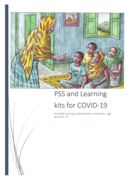
Activities during precautionary measures (age group 6-13).
During infectious disease outbreaks, children may experience distress for a variety of reasons. The collective anxiety and grief that a community experiences can impact heavily on children. Limited public knowledge of the disease may trigge
...
r misinformation, rumors and panic.
more

Deeply concerned by the morbidity and mortality caused by the COVID-19 pandemic, the negative impacts on physical and mental health and social well-being, the negative impacts on economies and societies and the consequent exacerbation of inequalities within and between countries.
...
more
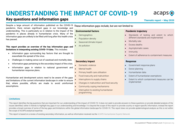
This report provides an overview of the key information gaps and limitations in interpreting existing COVID-19 data

UN human rights experts today called on States to protect the rights of migrants and their families, regardless of their migration status, during and after the COVID-19 pandemic.
This document aims to provide global guidance on poliomyelitis (polio) surveillance in the context of the COVID-19 pandemic. It comes as a technical complement to Polio eradication programme continuity, Immunization in the context of COVID-19 pandemic frequently asked questions, and is aligned with
...
the Global Polio Eradication Initiative (GPEI) commitment to support the COVID-19 pandemic response.
It highlights the decision making framework to guide the level of polio surveillance activities at country level including; the measures to put in place to ensure a minimum level of polio surveillance in the field and in the laboratory, and the trigger to return to normal polio function.
more

Updated 2022. This guide addresses the care pathway from presentation of the patient to a health facility to patient discharge. It considers different levels of disease severity, from asymptomatic individuals to critically ill patients. Accounting for variations in the benefits and harms of chest im
...
aging in different situations, remarks are provided to describe the circumstances under which each recommendation would benefit patients. The guide also includes implementation considerations for different settings, provides suggestions for impact monitoring and evaluation and identifies knowledge gaps meriting further research.
more
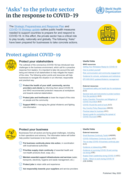
The 'asks' have been prepared for private businesses to take concrete actions in the COVID19 pandemic.

While much progress has been achieved over the past year, the Region of the Americas has stubbornly remained the epicenter of the COVID-19 pandemic. PAHO is launching its 2021 COVID-19 Response Strategy and Donor Appeal to continue supporting Latin American and Caribbean countries and territories i
...
n their fight against COVID-19. This document outlines PAHO’s regional strategy for the year 2021 to sustain and scale-up the response to COVID‑19 pandemic in the Americas, suppress the community transmission of the virus and mitigate the longer-term health impact of the pandemic.
US$ 239 million is needed to support critical response efforts in the Americas between 1 January and 31 December 2021
more
7 June 2020 Version 1
Women in Myanmar have traditionally been underrepresented in public decision-making processes, a trend which is continuing in structures established to respond to COVID-19. This means that even as women are disproportionately affected by the crisis, they have less say in how t
...
heir communities and country respond to it, increasing the risk of a COVID-19 response that does not adequately address the needs and priorities of the most vulnerable women and girls.
more
Immunization is one of the most cost-effective public health interventions to date, saving an estimated 2 to 3 million lives each year. As a direct result of immunization, the world is closer than ever to eradicating polio, and deaths from measles – a major child killer – have declined by 73 per
...
cent worldwide between 2000 and 2018, saving an estimated 23.2 million children’s lives. The emergence of COVID-19, however, threatens to reverse this progress by severely limiting access to life-saving vaccines.
more

Practical actions in cities to strengthen preparedness for the COVID-19 pandemic and beyond
recommended
This document accompanies the interim guidance on “Strengthening Preparedness for COVID-19 in cities and urban settings”. It provides local authorities, leaders and policy-makers in cities with a checklist tool to ensure that key areas have been covered. An excel version that local authorities m
...
ay wish to adapt to meet their needs is also available. It allows filtering by steps of action; suggested domains and responsible teams within local governments for each action; and phase(s) of the emergency management cycle.
more
A new reportshows that people in some 25 countries are set to face devasting levels of hunger in coming months due to the fallout from the COVID-19 pandemic. While the greatest concentration of need is in Africa, countries in Latin America and the Caribbean, and in the Middle East and Asia – inclu
...
ding middle-income countries - are also being ravaged by crippling levels of food insecurity
more
Through the unrivalled outreach of the CatholicChurch we are able to bring together localknowledge at the grassroots level with thecombined expertise and resources of a globalnetwork.
accessed July 2020
The WHO Guidance for Conducting a Country COVID-19 Intra-Action Review (IAR) was developed to guide countries to conduct periodic review(s) of their national and subnational COVID-19 response, so countries do not miss critical opportunities for learning and improvement to better respond to the COVID
...
-19 outbreak in their countries, especially as the possibility of a protracted pandemic becomes increasingly probable. The IAR is a country-led facilitated process conducted during the COVID-19 outbreak in-country, bringing together a small group of COVID-19 responders with knowledge of the public health response pillars under review. Although IARs can be conducted online or face-to-face, the online format is recommended, especially if community transmission remains high in the country. The IAR will identify practical areas for immediate remediation and sustained improvement of the ongoing response.
more

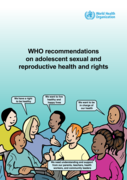
This document provides an overview of sexual and reproductive health and rights issues that may be important for the human rights, health and well-being of adolescents (aged 10–19 years) and the relevant World Health Organization (WHO) guidelines on how to address them in an easilyaccessible, user
...
-friendly format. The document serves as a gateway to the rich body of WHO guidelines, and as a handy resource to inform advocacy, policy and programme/project design and research. It aims to support the implementation of the Global Strategy for Women’s, Children’s and Adolescents’ Health 2016–2030 (1), and is aligned with the WHO Global Accelerated Action for the Health of Adolescents (AA-HA!) as well as the WHO Operational Framework on Sexual Health and Its Linkages to Reproductive Health (2,3).
more
Framework for Action

The results of a WHO survey conducted to assess the impact of the COVID-19 pandemic on up to 25 essential health services in countries show disruptions of essential health services in nearly all countries, and more so in lower-income than higher-income countries. The great majority of service disrup
...
tions were partial, which was defined as a change of 5–50% in service provision or use.
more
Group psychological help for adults impaired by distress in communities exposed to adversity
With this manual, the World Health Organization (WHO) is responding to requests from colleagues around the world for a group version of the manual Problem Management Plus (PM+), which was developed for adul
...
ts impaired by distress in communities who are exposed to adversity. Aspects of Cognitive Behavioural Therapy (CBT) have been changed to make them feasible in communities that do not have many specialists. To ensure maximum use, the intervention is developed in such a way that it can help people with depression, anxiety and stress, whether or not exposure to adversity has caused these problems. It can be applied to improve aspects of mental health and psychosocial well-being no matter how severe people’s problems are.
more
