
Filter
839
Text search:
DRC
Featured
61
346
Language
Document type
481
166
53
46
29
25
24
9
4
2
Countries
256
43
35
33
31
20
20
19
19
16
16
16
15
12
12
12
10
9
9
9
9
8
7
7
7
7
7
7
6
6
6
5
5
5
4
4
4
4
4
4
3
3
3
3
3
3
3
3
3
3
3
2
2
2
2
2
2
2
2
2
1
1
1
1
1
1
1
1
1
1
1
1
1
1
1
1
1
1
1
1
1
1
Authors & Publishers
Publication Years
Category
328
86
39
36
32
10
Toolboxes
140
90
50
35
31
30
25
21
17
16
16
14
13
12
12
12
11
9
7
4
3
3
3
2
2
1
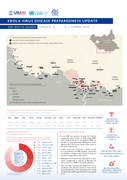
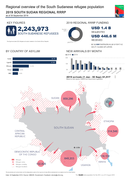
A new FMP was opened in Lutaya (Yei County), bringing the total number of EVD-related FMPs within South Sudan to 14. Six additional FMPs are operated in cooperation with DTM Uganda on the Ugandan side of the border due to access issues on the South Sudanese side.
A field mission was carried ou
...
On Sunday 16th December 2018, some villages in the Province of Mai-Nambiar, Democratic Republic of Congo, neighboring the district of Makotimpoko in the Republic of Congo (CongoBrazzaville) were affected by inter-ethnic conflict between the Banunu and the Batende. The fighting has resulted in 400 fa
...
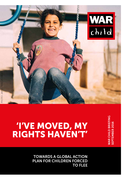
War child: "I´ve moved, my rights haven't" (Towards a global action plan for children forced to flee)
recommended
We live in a world in which 28 million children have been driven from their
homes as a result of conflict, persecution and insecurity¹. If current trends
continue, more than 63 million children could be forced to flee by 2025², of
which over 25 million will cross borders and become refugees. At
...
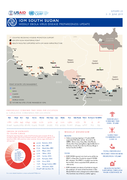
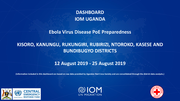
Active screening ongoing in 14 active IOMsupported PoE sites, namely: Yei airstrip, Yei SSRRC, Tokori, Lasu, Kaya, Bazi, Salia Musala, Okaba, Khor Kaya (along Busia Uganda Border) in Morobo County, Pure, Kerwa, Khorijo, Birigo in Lainya County and Bori.
Integrating trauma healing for partner staff into recovery programming.
This assessment shares testimonies from CRS and partner staff who participated in a trauma healing program in Central Africa Republic.
CRS's trauma-healing methodology uses small groups—of all genders, ages and faiths—focu
...
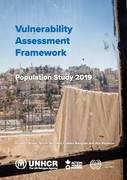
This study provides information about vulnerabilities within the targeted population and contributes to reflection within UNHCR on how to interpret their multisectorial Home Visit assessments. By exploring relationships between vulnerability indicators and other data collected, the report outlines k
...
The Committee examined the clinical development of Ebola virus vaccines and conducted an inventory of available data on their safety. It also reviewed 3 generic issues: updating a global strategy on vaccine safety, use of a network of distributed data
...
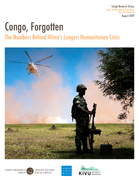
This report used the results of the Tracker’s first two years to examine the general trends of conflict in North and South Kivu, the main factors contributing to the violence, and the broader challenges for peacekeeping efforts.
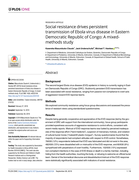
PLoSONE 14(9):e0223104.https://doi.org/10.1371/journal.pone.0223104.
The survey centering on reasons behind community resistance was conducted in Butembo in November during a time of Ebola transmission. A researcher from Catholic University of Graben in Butembo and collaborators at the University o
...

African Jesuits AIDS Network (AJAN) unites Jesuit efforts across Africa to fight HIV and AIDS through compassionate care, counseling, education, and youth empowerment. From providing treatment and psychosocial support to offering scholarships and life skills training, we work to restore dignity and
...
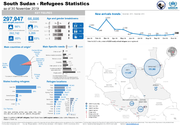
Refugees statistics

20 Mart 2020
http://www.covid19-druginteractions.org
Çeviren:
Kamu Hastaneleri Genel Müdürlüğü
Tedarik Planlama, Stok ve Lojistik Yönetimi Daire Başkanlığı Hastane Eczacılığı Yönetim Birimi
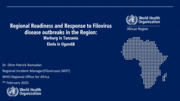
The African region reports the highest number of health emergencies of all the WHO regions every year: an average of
2-3 new events every week
