Filter
58
Text search:
doorways
Featured
4
8
Language
Document type
41
8
3
2
1
1
1
1
Countries
3
2
2
2
1
1
1
1
1
1
Authors & Publishers
Publication Years
Category
12
6
4
3
1
Toolboxes
28
4
4
2
2
2
2
2
1
1
1
1
1
1
1
1
1
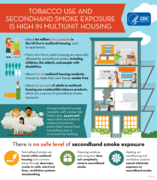
There is no safe level of secondhand smoke exposure
Secondhand smoke can travel within multiunit housing and common areas through doorways, cracks in walls, electrical lines, ventilation systems and plumbing.
Opening windows and using fans does no
...
Accessed online March 2018
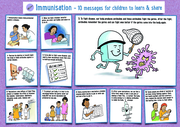
Large File: 28 MB
Inclusive Project Cycle Management
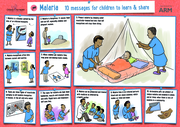
This malaria education poster by Children for Health uses clear, child-friendly language to raise awareness of malaria and promote its prevention. Using simple language and engaging visuals, it informs children and caregivers about key facts, symptoms and protective behaviours, such as using insecti
...

For General Healthcare Settings in West Africa
Inclusive Project Cycle Management
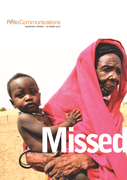
With a focus on Pakistan and Nigeria’s most vulnerable communities, this report provides insight about the role that community push-back is playing in the transmission of the polio virus and how the Global Polio Eradication Initiative (GPEI) can mitigate these social risks to reach every missed ch
...
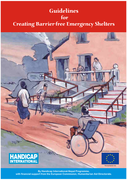
This manual provides guidance on the design and building of barrier-free emergency shelters that are used by all people within a community following a natural disaster, such as a flood or landslide. It provides information with examples of the essential aspects to consider when designing and buildin
...
A Report of A survey study conducted to determine the demand, availability, quality of production, usage, and affordability of wheelchairs in Uganda.
Accessed Febr. 12,2015

The Primary Care Innovator’s Handbook
recommended
Voices from Leaders in the Field
The guideline elaborates on the prevention and control strategy developed by the South-East Asia Regional Office of WHO, which consists of six key components.
Purpose of this document: to present eight practical steps that Member States can take at the national and sub-national level to improve WASH in health care facilities
The Minimum Standards for Age and Disability Inclusion in Humanitarian Action inform the design, implementation, monitoring and evaluation of humanitarian programmes across all sectors and phases of response, and in all emergency contexts, ensuring older people and people with disabilities are not e
...
These guidelines were written for anyone trying to meet and solve the challenges of operating a warehouse today. They are an important reference tool for managers and staff, whether they are constructing a new warehouse, implementing a new warehouse system, or redesigning their current system.
G ...
G ...
Tuberculosis Infection Control Guidelines
recommended
Second Edition