
Filter
1671
Text search:
hazards
Featured
172
414
Language
Document type
750
315
246
157
92
33
31
21
18
4
2
1
1
Countries
105
78
54
52
36
31
30
25
23
23
21
20
18
17
16
15
15
15
15
15
13
12
11
11
11
11
10
9
9
9
8
8
7
7
6
6
6
6
6
6
5
5
5
4
4
4
4
4
4
3
3
3
3
3
3
3
3
2
2
2
2
2
2
2
2
2
2
2
2
2
2
2
2
2
2
2
2
1
1
1
1
1
1
1
1
1
1
1
1
1
1
1
1
1
1
1
1
1
1
1
1
1
1
1
1
1
Authors & Publishers
Publication Years
Category
549
273
97
69
42
33
25
2
Toolboxes
200
121
110
107
93
63
59
58
55
46
45
44
38
34
31
27
22
14
13
11
9
7
3
2
2
2
2

Populations affected by emergencies are continually at risk of outbreaks of epidemic-prone diseases and other public health hazards. This operational guidance aims to guide decision-making on when and how to implement and strengthen Early Warning Al
...

The document is a practical toolkit that provides guidance for healthcare facilities on how to prepare for emergencies, including pandemics and other disasters. It explains how to conduct risk assessments using an all-hazards approach, helping facil
...
The purpose of this document is to inform the public about biological and chemical hazards and thereby prepare the population for an immediate response in the event of an incident until public health support is provided.
The agents reported here
...
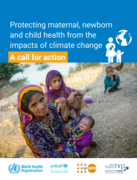
Climate hazards, including extreme heat, are associated with increased risks of developing complications that lead to adverse maternal and perinatal outcomes. These may include multiple causes of maternal and neonatal morbidity and mortality such as
...

This course aims to ensure that all participants recognize possible deliberate events with chemical or biological agents and know the different response types this will require compared to other emergencies.
This course targets WHO staff and emergency responders in various sectors in member state
...
Natural Hazards, Vol.121 (2025): 15091-15108
An all-hazards tool for hospital administrators and emergency managers.
The World Health Organization Regional Office for Europe has developed the Hospital emergency response checklist to assist hospital administrators and emergency managers in res
...

Myanmar is prone to various natural hazards that include earthquakes, floods, cyclones, droughts, fires, tsunamis, some of whichhave the potential to impact large numbers of people. In the event that large numbers of people are affected (such as was
...
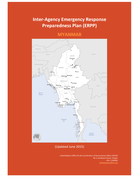
Myanmar is prone to various natural hazards that include earthquakes, floods, cyclones, droughts, fires, tsunamis, some of whichhave the potential to impact large numbers of people. In the event that large numbers of people are affected(such as was
...

- Build community resilience to coastal hazards by improving capacity of inclusive disaster management systems.
- Reduce the mortality rate of persons with disabilities in situations of risk.
- Raise awareness about inclusive policies, practices a
...

Timor-Leste’s vulnerability to natural hazards means if particular care is not taken in the development of the country’s infrastructure, it will remain at risk to disruption.
Timor-Leste developed the 2008 National Disaster Risk Management ...
Timor-Leste developed the 2008 National Disaster Risk Management ...

Today more people are exposed to hazards. While humanitarian action to mitigate the impact of disasters will always be vitally important, the community is facing critical challenge- how to better anticipate, manage and reduce - disaster risks by int
...
A process for improving community awareness and preparedness for technological hazards and environmental emergencies
Heat is the top killer among all types of weather hazards, including hurricanes and tornadoes. But hospitals and health care providers do not always report heat-related illnesses or heat as an underlying cause of a death, making it hard to measure t
...
A manual for people working in environments contaminated by landmines and other explosive hazards including improvised explosive devices.
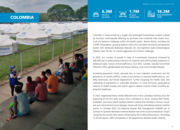
Colombia is characterized by a fragile and prolonged humanitarian context marked by recurrent multi-hazards affecting its territories and combined with severe structural and systemic challenges within the health system. Recent shocks, including the
...
Health workers are at the front line of the COVID-19 outbreak response and as such are exposed to hazards that put them at risk of infection. Hazards include pathogen exposure, long working hours, p
...
According to the International Science Council, the report focuses on identifying the scope of hazards that should be considered in risk reduction efforts, and provides scientifically robust and internationally agreed definitions of these
...
The WHO health advisory provides guidance to countries on adapting all existing preparedness and response plans and procedures for natural hazards such as cyclones, tropical storms, tornadoes, floods, earthquakes and potential outbreaks of other dis
...

The ERF provides WHO staff with essential guidance on how the Organization manages the assessment, grading and response to public health events and emergencies with health consequences, in support of Member States and affected communities. The ERF adopts an all-
...
