
Filter
919
Text search:
água
Featured
73
191
Language
Document type
327
244
113
70
50
38
21
19
14
11
6
2
1
1
Countries
89
88
69
58
52
34
34
32
23
21
19
14
13
11
10
8
8
6
5
5
4
3
2
2
2
2
1
1
1
1
1
1
1
1
1
1
1
1
1
Authors & Publishers
Publication Years
Category
421
114
46
37
16
15
14
Toolboxes
211
67
55
54
50
30
29
22
20
20
19
15
11
10
10
8
6
6
5
5
4
3
3
2
2
El Marco de monitoreo del WASH Cluster Honduras es un documento de referencia para el monitoreo de las actividades que realizan los socios en terreno y para los puntos focales que están a cargo de reportar las actividades en la plataforma. El GTMI Honduras liderado por OCHA utiliza la plataforma 34
...
Cólera: Introdução
recommended
A cólera é uma infeção diarreica aguda causada pela ingestão de água ou alimentos contaminados. Este curso providencia uma introdução geral à cólera e é dirigido aos profissionais que responde a surtos em emergências complexas ou em cont
...
LINEAMIENTO TÉCNICO PARA JORNADAS DE LAVADO Y CEPILLADO DE TANQUES DE ALMACENAMIENTO DE AGUA DE USO DOMÉSTICO Y DEPÓSITOS DE AGUA DE USO INSTITUCIONAL, COMO MEDIDA DE PREVENCIÓN ANTE LA INFESTAC
...
Esta nota de orientación elaborada por el UNICEF tiene por objeto ayudar al personal de agua, saneamiento e higiene en su preparación y respuesta a la actual pandemia de COVID-19. Proporciona una visión general de la prevención y el control de l
...
Esta nota de orientación elaborada por el UNICEF explica cómo el sector del agua, el saneamiento y la higiene puede aplicar medidas de prevención y control de las infecciones en los hogares y las comunidades. Se centra en la reducción de la expo
...
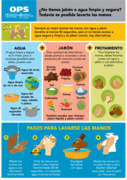
Infografía ilustrando cómo lavarse las manos adecuadamente cuando hay acceso limitado a agua limpia y jabón.
En general se proponen las siguientes recomendaciones: - Los trabajadores sanitarios deberán extremar al máximo las medidas de higiene de manos con agua y jabón.- Se deben colocar una mascarilla quirúrgica durante el contac
...
A cólera é uma infecção intestinal provocada por uma bactéria conhecida como Vibrio cholerae. Os principais sintomas desta doença são diarréia e vômitos. Transmissão de cólera ocorre principalmente pelo consumo de alimentos contaminados ou água
...
2. ed.
Los programas de control de enfermedades diarreicas promueven el uso de la terapia de rehidratación oral como la mejor manera de reducir las muertes por diarrea entre los niños menores de 5 años. Se requiere también aplicar otras intervenciones para prevenirlas enfermedades diarreicas y
...

Segunda edición corregida.
En esta edición corregida se presenta un conjunto de herramientas para ayudar a los países y los programas de lucha contra la ETD a colaborar con la comunidad relacionada con las acciones de agua, saneamiento e higien
...
En el presente informe se señalan las principales deficiencias que padecen los servicios WASH nivel mundial: un tercio de los establecimientos de salud no disponen de los elementos necesarios para limpiarse las manos en los lugares donde se presta atención; uno de cada cuatro establecimientos care
...
La dracunculosis rara vez es mortal, pero las personas infectadas quedan incapacitadas durante semanas o meses. Afecta a personas de comunidades rurales, desfavorecidas y aisladas que para beber dependen principalmente de fuentes superficiales abiertas en que el
...

La atención concedida a la equidad en la Agenda 2030 para el Desarrollo Sostenible obliga a encontrar nuevas formas de ampliar progresivamente los servicios a las poblaciones que no los reciben. Las alianzas satisfactorias entre el sector encargado del suministro de
...
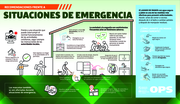
En esta sección se puede acceder a las principales recomendaciones sobre: seguimiento de instrucciones de autoridades locales; lavado de manos con agua segura para evitar enfermedades; cuidado de documentos personales y medicamentos; salud mental a
...
Propósito de la guía. Considerando el contexto de aumento de factores de riesgo de origen natural y social al cual está sujeta la población en general y los niños, niñas, adolescentes y jóvenes (NNAJ) en forma particular, el propósito de esta guía es ofrecer orientaciones a los gobiernos pa
...

A maioria dos produtos de limpeza é feita a partir de produtos químicos. • Misturar diferentes produtos químicos pode ser arriscado. • Limpeza significa eliminar a sujeira. Desinfecção significa matar microrganismos. Os detergentes e sabões são feitos para eliminar a sujeira, mas também
...

Recomendações gerais: • Colocar o paciente em um quarto individual bem ventilado (com as janelas abertas). • Limitar o movimento do paciente pela casa e minimizar o espaço a ser compartilhado. Certificar-se de que os espaços compartilhados estejam bem ventilados. • Separar os espaços para
...
