
Filter
5016
Text search:
2021
Featured
492
285
Language
3731
637
586
274
253
236
219
94
39
37
23
23
22
20
19
18
16
16
15
14
13
13
13
12
12
12
11
11
10
9
9
8
8
8
8
7
7
6
6
5
5
5
4
4
4
4
3
3
3
3
3
2
2
2
2
2
2
2
1
1
1
1
1
1
1
1
1
1
1
Document type
1609
865
469
455
403
385
185
167
131
129
90
58
54
8
5
Countries / Regions
396
200
183
131
117
99
95
86
80
78
72
70
63
56
53
53
51
51
49
49
47
46
42
42
41
41
38
36
36
35
32
32
32
31
30
26
25
24
23
23
23
23
22
22
22
22
20
20
19
18
18
17
16
16
15
15
15
15
14
14
14
13
13
13
12
11
11
11
10
10
10
9
8
8
8
8
7
7
7
7
7
7
7
6
6
6
6
6
6
6
6
6
5
5
5
5
5
5
5
5
5
4
4
4
4
4
4
4
4
4
3
3
3
3
3
3
3
3
3
3
2
2
2
2
2
2
2
2
2
2
2
2
2
2
1
1
1
1
1
1
1
1
1
1
1
1
1
1
Authors & Publishers
925
251
173
103
102
92
80
74
69
62
59
55
55
45
44
43
43
38
38
34
34
32
30
29
25
23
23
22
22
21
20
19
19
17
17
17
16
16
16
16
16
16
15
15
15
14
14
14
13
13
12
12
12
12
11
11
11
11
11
11
10
10
10
10
10
10
10
9
9
9
9
9
9
9
9
8
8
8
8
8
8
8
8
8
8
7
7
7
7
7
7
7
7
7
7
7
7
7
7
6
6
6
6
6
6
6
6
6
6
6
6
6
6
6
5
5
5
5
5
5
5
5
5
5
5
5
5
5
5
5
5
5
5
5
5
5
5
5
5
5
5
5
4
4
4
4
4
4
4
4
4
4
4
4
4
4
4
4
4
4
4
4
4
4
4
4
4
4
4
4
4
4
4
4
4
4
4
4
4
4
4
4
4
4
4
4
4
4
4
4
4
4
4
4
4
4
3
3
3
3
3
3
3
3
3
3
3
3
3
3
3
3
3
3
3
3
3
3
3
3
3
3
3
3
3
3
3
3
3
3
3
3
3
3
3
3
3
3
3
3
3
3
3
3
3
3
3
3
3
3
3
3
3
3
3
3
3
3
3
3
3
3
3
3
3
3
3
3
3
3
3
3
3
3
3
3
3
3
3
3
3
3
3
3
3
3
3
2
2
2
2
2
2
2
2
2
2
2
2
2
2
2
2
2
2
2
2
2
2
2
2
2
2
2
2
2
2
2
2
2
2
2
2
2
2
2
2
2
2
2
2
2
2
2
2
2
2
2
2
2
2
2
2
2
2
2
2
2
2
2
2
2
2
2
2
2
2
2
2
2
2
2
2
2
2
2
2
2
2
2
2
2
2
2
2
2
2
2
2
2
2
2
2
2
2
2
2
2
2
2
2
2
2
2
2
2
2
2
2
2
2
2
2
2
2
2
2
2
2
2
2
2
2
2
2
2
2
2
2
2
2
2
2
2
2
2
2
2
2
2
2
2
2
2
2
2
2
2
2
2
2
2
2
2
2
2
2
2
2
2
2
2
2
2
2
2
2
2
2
2
2
2
2
2
2
2
2
2
2
2
2
2
2
2
2
2
2
2
2
2
2
2
2
2
2
2
2
2
2
2
2
2
2
2
2
2
2
2
2
2
2
2
2
2
2
2
2
2
2
2
2
2
2
2
2
2
2
2
2
2
2
1
1
1
1
1
1
1
1
1
1
1
1
1
1
1
1
1
1
1
1
1
1
1
1
1
1
1
1
1
1
1
1
1
1
1
1
1
1
1
1
1
1
1
1
1
1
1
1
1
1
1
1
1
1
1
1
1
1
1
1
1
1
1
1
1
1
1
1
1
1
1
1
1
1
1
1
1
1
1
1
1
1
1
1
1
1
1
1
1
1
1
1
1
1
1
1
1
1
1
1
1
1
1
1
1
1
1
1
1
1
1
1
1
1
1
1
1
1
1
1
1
1
1
1
1
1
1
1
1
1
1
1
1
1
1
1
1
1
1
1
1
1
1
1
1
1
1
1
1
1
1
1
1
1
1
1
1
1
1
1
1
1
1
1
1
1
1
1
1
1
1
1
1
1
1
1
1
1
1
1
1
1
1
1
1
1
1
1
1
1
1
1
1
1
1
1
1
1
1
1
1
1
1
1
1
1
1
1
1
1
1
1
1
1
1
1
1
1
1
1
1
1
1
1
1
1
1
1
1
1
1
1
1
1
1
1
1
1
1
1
1
1
1
1
1
1
1
1
1
1
1
1
1
1
1
1
1
1
1
1
1
1
1
1
1
1
1
1
1
1
1
1
1
1
1
1
1
1
1
1
1
1
1
1
1
1
1
1
1
1
1
1
1
1
1
1
1
1
1
1
1
1
1
1
1
1
1
1
1
1
1
1
1
1
1
1
1
1
1
1
1
1
1
1
1
1
1
1
1
1
1
1
1
1
1
1
1
1
1
1
1
1
1
1
1
1
1
1
1
1
1
1
1
1
1
1
1
1
1
1
1
1
1
1
1
1
1
1
1
1
1
1
1
1
1
1
1
1
1
1
1
1
1
1
1
1
1
1
1
1
1
1
1
1
1
1
1
1
1
1
1
1
1
1
1
1
1
1
1
1
1
1
1
1
1
1
1
1
1
1
1
1
1
1
1
1
1
1
1
1
1
1
1
1
1
1
1
1
1
1
1
1
1
1
1
1
1
1
1
1
1
1
1
1
1
1
1
1
1
1
1
1
1
1
1
1
1
1
1
1
1
1
1
1
1
1
1
1
1
1
1
1
1
1
1
1
1
1
1
1
1
1
1
1
1
1
1
1
1
1
1
1
1
1
1
1
1
1
1
1
1
1
1
1
1
1
1
1
1
1
1
1
1
1
1
1
1
1
1
1
1
1
1
1
1
1
1
1
1
1
1
1
1
1
1
1
1
1
1
1
1
1
1
1
1
1
1
1
1
1
1
1
1
1
1
1
1
1
1
1
1
1
1
1
1
1
1
1
1
1
1
1
1
1
1
1
1
1
1
1
1
1
1
1
1
1
1
1
1
1
1
1
1
1
1
1
1
1
1
1
1
1
1
1
1
1
1
1
1
1
1
1
1
1
1
1
1
1
1
1
1
1
1
1
1
1
1
1
1
1
1
1
1
1
1
1
1
1
1
1
1
1
1
1
1
1
1
1
1
1
1
1
1
1
1
1
1
1
1
1
1
1
1
1
1
1
1
1
1
1
1
1
1
1
1
1
1
1
1
1
1
1
1
1
1
1
1
1
1
1
1
1
1
1
1
1
1
1
1
1
1
1
1
1
1
1
1
1
1
1
1
1
1
1
1
1
1
1
1
1
1
1
1
1
1
1
1
1
1
1
1
1
1
1
1
1
1
1
1
1
1
1
1
1
1
1
1
1
1
1
1
1
1
1
1
1
1
1
1
1
1
1
1
1
1
1
1
1
1
1
1
1
1
1
1
1
1
1
1
1
1
1
1
1
1
1
1
1
1
1
1
1
1
1
1
1
1
1
1
1
1
1
1
1
1
1
1
1
1
1
1
1
1
1
1
1
1
1
1
1
1
1
1
1
1
1
1
1
1
1
1
1
1
1
1
1
1
1
1
1
1
1
1
1
1
1
1
1
1
1
1
1
1
1
1
1
1
1
1
1
1
1
1
1
1
1
1
1
1
1
1
1
1
1
1
1
1
1
1
1
1
1
1
1
1
1
1
1
1
1
1
1
1
1
1
1
1
1
1
1
1
1
1
1
1
1
1
1
1
1
1
1
1
1
1
1
1
1
1
1
1
1
1
1
1
1
1
1
1
1
1
1
1
1
1
1
1
1
1
1
1
1
1
1
1
1
1
1
1
1
1
1
1
1
1
1
1
1
1
1
1
1
1
1
1
1
1
1
1
1
1
1
1
1
1
1
1
1
1
1
1
1
1
1
1
1
1
1
1
1
1
1
1
1
1
1
1
1
1
1
1
1
1
1
1
1
1
1
1
1
1
1
1
1
1
1
1
1
1
1
1
1
1
1
1
1
1
1
1
1
1
1
1
1
1
1
1
1
1
1
1
1
1
1
1
1
1
1
1
1
1
1
1
1
1
1
1
1
1
1
1
1
1
1
1
1
1
1
1
1
1
1
1
1
1
1
1
1
1
1
1
1
1
1
1
1
1
1
1
1
1
1
1
1
1
1
1
1
1
1
1
1
1
1
1
1
1
1
1
1
1
1
1
1
1
1
1
1
1
1
1
1
1
1
1
1
1
1
1
1
1
1
1
1
1
1
1
1
1
1
1
1
1
1
1
1
1
1
1
1
1
1
1
1
1
1
1
1
1
1
1
1
1
1
1
1
1
1
1
1
1
1
1
1
1
1
1
1
1
1
1
1
1
1
1
1
1
1
1
1
1
1
1
1
1
1
1
1
1
1
1
1
1
1
1
1
1
1
1
1
1
1
1
1
1
1
1
1
1
1
1
1
1
1
1
1
1
1
1
1
1
1
1
1
1
1
1
1
1
1
1
1
1
1
1
1
1
1
1
1
1
1
1
1
1
1
1
1
1
1
1
1
1
1
1
1
1
1
1
1
1
1
1
1
1
1
1
1
1
1
1
1
1
1
1
1
1
1
1
1
1
1
1
1
1
1
1
1
1
1
1
1
1
1
1
1
1
1
1
1
1
1
1
1
1
1
1
1
1
1
1
1
1
1
1
1
1
1
1
1
1
1
1
1
1
1
1
1
1
1
1
1
1
1
1
1
1
1
1
1
1
1
1
1
1
1
1
1
1
1
1
1
1
1
1
1
1
1
1
1
1
1
1
1
1
1
1
1
1
1
1
1
1
1
1
1
1
1
1
1
1
1
1
1
1
1
1
1
1
1
1
1
1
1
1
1
1
1
1
1
1
1
1
1
1
1
1
1
1
1
1
1
1
1
1
1
1
1
1
1
1
1
1
1
1
1
1
1
1
1
1
1
1
1
1
1
1
1
1
1
1
1
1
1
1
1
1
1
1
1
1
1
1
1
1
1
1
1
1
1
1
1
1
1
1
1
1
1
1
1
1
1
1
1
1
1
1
1
1
1
1
1
1
1
1
1
1
1
1
1
1
1
1
1
1
1
1
1
1
1
1
1
1
1
1
1
1
1
1
1
1
1
1
1
1
1
1
1
1
1
1
1
1
1
1
1
1
1
1
1
1
1
1
1
1
1
1
1
1
1
1
1
1
1
1
1
1
1
1
1
1
1
1
1
1
1
1
1
1
1
1
1
1
1
1
1
1
1
1
1
1
1
1
1
1
1
1
1
1
1
1
1
1
1
1
1
1
1
1
1
1
1
1
1
1
1
1
1
1
1
1
1
1
1
1
1
1
1
1
1
1
1
1
1
1
1
1
1
1
1
1
1
1
1
1
1
1
1
1
1
1
1
1
1
1
1
1
1
1
1
1
1
1
1
1
1
1
1
1
1
1
1
1
1
1
1
1
1
1
1
1
1
1
1
1
1
1
1
1
1
1
1
1
1
1
1
1
1
1
1
1
1
1
1
1
1
1
1
1
1
1
1
1
1
1
1
1
1
1
1
1
1
1
1
1
1
1
1
1
1
1
1
1
1
1
1
1
1
1
1
1
1
1
1
1
1
1
1
1
1
1
1
1
1
1
1
1
1
1
1
1
1
1
1
1
1
1
1
1
1
1
1
1
1
1
1
1
1
1
1
1
1
1
1
1
1
1
1
1
1
1
1
1
1
1
1
1
1
1
1
1
1
1
1
1
1
1
1
1
1
1
1
1
1
1
1
1
1
1
1
1
1
1
1
1
1
1
1
1
1
1
1
1
1
1
1
1
1
1
1
1
1
1
1
1
1
1
1
1
1
1
1
1
1
1
1
1
1
1
1
1
1
1
1
1
1
1
1
1
1
1
1
1
1
1
1
1
1
1
1
1
1
1
1
1
1
1
1
1
1
1
1
1
1
1
1
1
1
1
1
1
1
1
1
1
1
1
1
1
1
1
1
1
1
1
1
1
1
1
1
1
1
1
1
1
1
1
1
1
1
1
1
1
1
1
1
1
1
1
1
1
1
1
1
1
1
1
1
1
1
1
1
1
1
1
1
1
1
1
1
1
1
1
1
1
1
1
1
1
1
1
1
1
1
1
1
1
1
1
1
1
1
1
1
1
1
1
1
1
1
1
1
1
1
1
1
1
1
1
1
1
1
1
1
1
1
1
1
1
1
1
1
1
1
1
1
1
1
1
1
1
1
1
1
1
1
1
1
1
1
1
1
1
1
1
1
1
1
1
1
1
1
1
1
1
1
1
1
1
1
1
1
1
1
1
1
1
1
1
1
1
1
1
1
1
1
1
1
1
1
1
1
1
1
1
1
1
1
1
1
1
1
1
1
1
1
1
1
1
1
1
1
1
1
1
1
1
1
1
1
1
1
1
1
1
1
1
1
1
1
1
1
1
1
1
1
1
1
1
1
1
1
1
1
1
1
1
1
1
1
1
1
1
1
1
1
1
1
1
1
1
1
1
1
1
1
1
1
1
1
1
1
1
1
1
1
1
1
1
1
1
1
1
1
1
1
1
1
1
1
1
1
1
1
1
1
1
1
1
1
1
1
1
1
1
1
1
1
1
1
1
1
1
1
1
1
1
1
1
1
1
1
1
1
1
1
1
1
1
1
1
1
1
1
1
1
1
1
1
1
1
1
1
1
1
1
1
1
1
1
1
1
1
1
1
1
1
1
1
1
1
1
1
1
1
1
1
1
1
1
1
1
1
1
1
1
1
1
1
1
1
1
1
1
1
1
1
1
1
1
1
1
1
1
1
1
1
1
1
1
1
1
1
1
1
1
1
1
1
1
1
1
1
1
1
1
1
1
1
1
1
1
1
1
1
1
1
1
1
1
1
1
1
1
1
1
1
1
1
1
1
1
1
1
1
1
1
1
1
1
1
1
1
1
1
1
1
1
1
1
1
1
1
1
1
1
1
1
1
1
1
1
1
1
1
1
1
1
1
1
1
1
1
1
1
1
1
1
1
1
1
1
1
1
1
1
1
1
1
1
1
1
1
1
1
1
1
1
1
1
1
1
1
1
1
1
1
1
1
1
1
1
1
1
1
1
1
1
1
1
1
1
1
1
1
1
1
1
1
1
1
1
1
1
1
1
1
1
1
1
1
1
1
1
1
1
1
1
1
1
1
1
1
1
1
1
1
1
1
1
1
1
1
1
1
1
1
1
1
1
1
1
1
1
1
1
1
1
1
1
1
1
1
1
1
1
1
1
1
1
1
1
1
1
1
1
1
1
1
1
1
1
1
1
1
1
1
1
Publication Years
1
4438
555
20
1
1
Category
1884
284
268
217
201
93
41
3
Toolboxes
1409
366
260
243
217
217
204
195
174
172
137
130
127
88
65
59
46
43
40
37
15
15
10
9
7
UNICEF Syria’s series of think pieces. Every day counts. An outlook on child protection for the most vulnerable children in Syria.To navigate the complex and continuously changing context and attain sustainable results for children, UNICEF – along with other UN agencies - seeks to make a shift i
...
n its programming towards early recovery while maintaining the delivery of humanitarian assistance based on needs on the ground. This will help strengthen the linkages between the needs-based emergency response and essential service restoration, socioeconomic resilience, and social cohesion.
more

This Guideline, the first for the country, draws from national health sector reforms and integration agenda as outlined in the key national strategic documents. The Guide applies lessons learnt from the SRH/HIV Linkages project and its scale-up; other national experiences and from regional and globa
...
l evidence and guidance on high-impact interventions that promote sustainable, equitable and effective delivery of health services to achieve Universal Health coverage.
more
The Pandemic Influenza Preparedness (PIP) Framework is a World Health Assembly resolution adopted unanimously by all Member States in 2011. It brings together Member States, industry, other stakeholders and WHO to implement a global approach to pandemic influenza preparedness and response. The Frame
...
work includes a benefit-sharing mechanism called the Partnership Contribution (PC). The PC is collected as an annual cash contribution from influenza vaccine, diagnostic, and pharmaceutical manufacturers that use the WHO Global Influenza Surveillance and Response System (GISRS). Funds are allocated for: (a) pandemic preparedness capacity building; (b) response activities during the time of an influenza pandemic; and (c) PIP Secretariat for the management and implementation of the Framework.
more
As climate impacts intensify across the globe, nations must dramatically increase funding and implementation of actions designed to help vulnerable nations and communities adapt to the climate storm
Selon un nouveau rapport du Programme des Nations Unies pour l'environnement (PNUE), alors que les conséquences du réchauffement climatiques s'intensifient dans le monde entier, les nations doivent accroître considérablement le financement et la mise en œuvre des actions destinées à aider les
...
nations et les communautés vulnérables à s'adapter à la tempête climatique.
more
Considerando las repercusiones del cambio climático cada vez más intensas en todo el mundo, las naciones deben aumentar drásticamente la financiación y la implementación de medidas diseñadas para ayudar a las naciones y comunidades vulnerables a adaptarse a la tormenta de fenómenos climático
...
s extremos, señala un reciente informe del Programa de las Naciones Unidas para el Medio Ambiente (PNUMA).
more
The report aims to capture lessons from the COVID-19 pandemic and to highlight the opportunity for more ambitious global action: expanding sustainable access to vaccines for all towards
the Immunization Agenda 2030 and pandemic prevention, preparedness and response efforts. The report is organized
...
in two sections: the first section provides WHO insights on global vaccine market dynamics, drawing from data provided by Member States, which are, in turn, analysed and displayed in the second section.
more

Ces deux dernières années, les infirmières et les autres professionnels de santé ont été fortement exposés à la COVID-19,
le manque de protection, de vaccination en temps opportun et de soutien requis pour travailler dans un cadre sûr et sain étant des facteurs aggravants. En outre, les i
...
nfirmières et les médecins sont 16 fois plus susceptibles de subir des violences sur leur lieu de travail que les autres acteurs du secteur des services. Les conditions de travail des infirmières et des autres professionnels
de santé se répercutent non seulement sur leurs propres droits, mais également sur ceux des personnes devant avoir accès à des
soins de santé de qualité et abordables.
more
Issue Brief No. 29:
Planetary Health is an interdisciplinary academic collective of many scientific disciplines. In addition to the fields of
environmental and social sciences, that of human health is one of many.
Because of the many disciplines involved in this topic and the large number of res
...
ources available, we would like to
share with you in this Issue Brief the most important documents related to Planetary Health. All of these
documents and many more can be found in the Planetary Health Toolbox
more
As part of the UN’s data strategy—which seeks to nurture data as a strategic asset for insight, impact and integrity—UNAIDS plays an indispensable role in generating data for effective action against the AIDS pandemic. It leads the
world’s most extensive data collection on HIV epidemiology,
...
programme coverage, policy and finance, and it publishes the most authoritative and up-to-date information on the HIV pandemic and response. The UNAIDS database of countryreported data is a foundational pillar for global and regional AIDS programmes, research, advocacy and resource mobilization
more
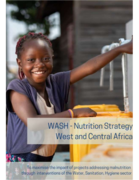
This document was prepared by UNICEF Regional Office for West and Central Africa, under the leadership of Christophe Valingot and the review of Joachim Peeters (WASH Specialist) and Arnaud Laillou (Nutrition Specialist), on behalf of the WASH Regional Group and the Nutrition Regional Group.
This
...
WASH - Nutrition strategic guidance note for West and Central Africa builds on the precedent WASH-in-NUT strategy elaborated in 2012 and is the regional outcome of a multiyear collaborative work conducted at country level between 2018 and 2022, in Mali, Niger, Nigeria Chad, Burkina Faso. This work is based on a strong multi-partner collaboration, involving national technical directorates of the water and sanitation sector as well as technical directorates of Health and Nutrition, civil society organizations, national and international NGOs as well as United Nations agencies.
This document can serve as a technical and strategic guide for any partner wishing to strengthen the intersectorality of WASH-Nutrition programmes. It presents the regional WASH & Nutrition context, a brief review of the latest scientific evidence, and proposes an integrated WASH-Nutrition programming framework adapted to the regional context of West and Central Africa. Beyond the implementation of programmes, this document also calls for the explicit and concrete inclusion of WASH-Nutrition integration into national policy documents.
more
One of the principles underpinning the delivery of all essential services and coordination of those services is the “survivor-centered approach”, which places the human rights, needs, and wishes of women and girl survivors at the centre of service delivery.
A key challenge faced by many entit
...
ies working to end violence against women is ensuring that survivors’ voices and inputs are incorporated into policies, practices, and procedures on response. Survivors have diverse needs and face different risks. Not all women and girls experience violence in the same way. An effective intervention takes into account the realities of their unique circumstances, addresses individual needs, and reduces the risk for further harm and suffering.
UN Women, together with Global Rights for Women, have developed “Safe consultations with survivors of violence against women and girls”, which is designed to provide practical steps, safety measures, and actions that government agencies, civil society and survivor organizations, and United Nations’ entities can take to incorporate survivors' voices into systemic reform efforts, through safe and meaningful consultations.
This guidance is intended to help policymakers develop survivor-centered programming on ending violence against women and girls that meets the needs of diverse groups of women and girls, including those who are at higher risk of experiencing violence and discrimination. It is applicable to programming across the health, justice and policing, and social services sectors, as well as coordination of these sectors, and will help improve the standard and delivery of essential services for women and girls who have experienced violence.
more
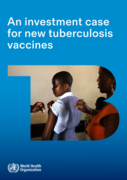
This document summarizes the results of the WHO-commissioned full value proposition for new tuberculosis (TB) vaccines. The assessment was commissioned to provide early evidence for national and global decision-makers involved in TB vaccine development and implementation, who include stakeholders in
...
volved in vaccine research, financing, regulation and policy-making, manufacturing, introduction and procurement. The goal is to accelerate development of effective vaccines against TB and their rapid introduction into countries.
more

Atlas of African Health Statistics 2022: Health situation analysis of the WHO African Region
Since 2019, we have been implementing Phase 2 of the regional Transformation Agenda, which informs and aligns with the global WHO Transformation, to ensure WHO is accountable, driven by re- sults and provid
...
ing value for money in the pursuit of better health. Our global priority in this period is to contribute to delivering on the triple billion targets of expanding universal health coverage, protecting people from emergencies, and promoting health and well-being for people across the Region.
This year’s Atlas of African Health Statistics is being produced in the context of the COVID-19 pandemic that we have been expe- riencing for over two years. The ongoing coronavirus pandemic, together with other health emergencies in the WHO African Re- gion, is yet again testing the strength and resilience of our health systems. Indeed, the impact of COVID-19 is visible in the disruption of services. The report also presents the latest data for more than 50 health-related indicators of the Sustainable Development Goals and WHO’s “triple billion” targets and provides comprehensive country-level statistics using the results chain of the AFRO frame- work of actions for strengthening health systems to achieve UHC and the health-related SDGs.
more
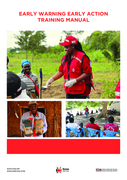
Climate information is critical towards strengthening the decision making among different users interested in mitigating impacts of climate related disasters. However, there is need for the climate users to have basic knowledge on weather and climate concepts and to a larger extend, early warning ea
...
rly action (EWEA) system and approach. This manual presents an opportunity for the climate users including communities to acquire basic knowledge on Early Warning Early Action and this entails; understanding risk areas, existing early warning systems, communication of early warning information and enhancing disaster preparedness through translating early warning into early actions. The EWEA manual largely target the users in different sectors and communities. The execution of the EWEA manual is planned for 3 days and this does incorporate different methods such as; PowerPoint presentation, group work discussions as well as practical exercises.
more

Des gouvernements, des ONG et les Nations Unies déclarent qu’il faut soutenir le leadership des communautés pour vaincre les pandémies CHIANG MAI, THAÏLANDE, le 15 décembre 2022—Les ripostes dirigées par les communautés sont un élément essentiel de la riposte à la pandémie de sida et
...
les ressources doivent leur être accordées en priorité. Les représentants et représentantes ont déclaré que cette démarche, définie par des gouvernements, des organisations de la société civile et des organismes des Nations Unies lors d’une rencontre internationale sur le sida organisée à Chiang Mai en Thaïlande, sera également essentielle pour lutter contre d’autres pandémies et pour s’y préparer. Au cours de cette rencontre, la première définition internationale d’une riposte communautaire à une pandémie a été publiée. Elle est le fruit d’un processus de consultation de deux ans qui a réuni 11 gouvernements, représentant chaque région du monde, et 11 figures de la société civile. Cette équipe multipartite de l’ONUSIDA a travaillé sur les ripostes dirigées par les communautés. L’ONUSIDA, ainsi que l’Organisation mondiale de la Santé et le Programme des Nations Unies pour le développement l’ont organisée ensemble et les résultats ont été présentés lors de la 51e réunion du Conseil de coordination du Programme commun des Nations Unies sur le VIH/sida.
more
Recency assays use one or more biomarkers to identify whether HIV infection in a person is recent (usually within a year or less) or longstanding. Recency assays have been used to estimate incidence in representative cross-sectional surveys and in epidemiological studies to better understand the pat
...
terns and distributions of new and longstanding HIV infections.
This technical guidance outlines best practices regarding the appropriate use of HIV recency assays for surveillance purposes and updates 2011 technical guidance from the World Health Organization (WHO) and the Joint United Nations Programme on HIV/AIDS (UNAIDS) on the use of HIV recency assays.
more

Indian markets caused a stir across the country.1
According to the Centre for Science and the Environment (CSE), a respected New Delhi-based NGO, most honey brands
sold in India contained varying amounts of antibiotics. Their consumption over time could induce resistance to antibiotics,
putting p
...
eople at risk of treatment failure in case of severe infections.
For the study, 12 samples were picked in Delhi, all well-known brands, including one each from Australia and Switzerland.
Antibiotics found included Chloramphenicol and various broad-spectrum drugs such as Ciprofloxacin and Erythromycin.
more

The COVID-19 pandemic has raised profound ethical challenges on an unprecedented global scale. These challenges include how to allocate scarce resources (especially vaccines and therapeutics), both within and between countries, whether and when to mandate vaccines and/or masks, whether and how to co
...
nduct public health surveillance, whether to issue vaccine passports, and how to address stark international and intranational inequities. In addition, there have been ethical concerns about the conduct of COVID-19 research, such as the appropriateness of challenge studies.
more

This new guidance aims to support programme implementers, coordinators and others in humanitarian settings in their actions to counter suicide and self-harm in humanitarian contexts and to save lives.
