
Filter
1923
Text search:
Children
with
cancer
Featured
214
486
Language
Document type
884
437
307
115
79
39
27
10
10
6
5
1
1
Countries
142
113
76
60
47
41
35
34
30
30
30
29
23
23
23
22
21
21
20
19
17
16
16
15
15
12
11
10
10
10
9
9
9
8
7
6
6
5
5
5
5
5
5
5
5
5
5
4
4
4
4
4
4
4
4
4
4
4
3
3
3
3
3
2
2
2
2
2
2
2
2
2
2
2
2
2
2
2
1
1
1
1
1
1
1
1
1
1
1
1
1
1
1
1
1
1
1
1
1
1
1
1
1
1
1
1
1
1
1
1
1
Authors & Publishers
Publication Years
Category
769
202
176
121
56
52
13
1
Toolboxes
159
135
101
89
82
72
66
59
53
50
46
45
45
41
19
14
12
12
12
8
8
6
5
3
1
Understanding and practicing health care that consciously adopts the point of view of individuals, caregivers, families and
communities as participants and beneficiaries of health systems that inspire confidence, are organized not so much according to specific diseases, but rather according to the
...
As of 15 May 2020, more than 4 million confirmed cases of COVID-19, including more than 285,000 deaths have been reported to WHO. The risk of severe disease and death has been highest in older people and in persons with underlying noncommunicable di
...
Quality of Life for Children with Cancer Series: Modules on Paediatric Palliative Care. Module 8: End-of-Life Care
Quality of Life for Children with Cancer Series: Modules on Paediatric Palliative Care. Module 7: Spirituality
Quality of Life for Children with Cancer Series: Modules on Paediatric Palliative Care. Module 1: Overview of paediatric palliative care
Quality of Life for Children with Cancer Series: Modules on Paediatric Palliative Care. Module 4: Symptom Management
Quality of Life for Children with Cancer Series: Modules on Paediatric Palliative Care. Module 2: Care at Home
Quality of Life for Children with Cancer Series: Modules on Paediatric Palliative Care. Module 6: Communication
Quality of Life for Children with Cancer: Modules on Pediatric Palliative Care. Module 3: Quality of life in hospitalized
...
Series Quality of Life for Children with Cancer: Modules on Paediatric Palliative Care. Module 5: Caring for the Caregiver
Childhood cancer is curable for the vast majority of children when essential diagnostic, therapeutic and supportive care services are accessible. However, profound inequalities in outcomes exist wit
...
The purpose of this course is to contribute to the reduction of morbidity and mortality in children and adolescents with cancer by strengthening th
...
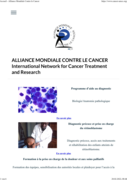
AMCC, a Non-Governmental Organization (NGO) association governed by the law of 1901, the French branch of the INCTR (International Network for Treatment and Research on Cancer) mainly oriented towards women's and
...
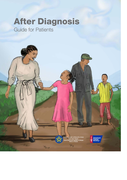
Offers expanded content on social/emotional aspects of having cancer and how to talk with others including children; Features many direct q
...

One of the main aims of the WHO Global Initiative for Childhood Cancer and the CureAll Americas framework is to strengthen centers of excellence and promote the training of the health workforce, especially pediatric oncology nurses, specialized in n
...

International Society of Paediatric Surgical Oncology (IPSO) Surgical Practice Guidelines
recommended
ecancer has just published a comprehensive set of guidelines for paediatric cancer surgery, applicable to low and high resource settings across the world. You can read the guidelines online
The guidelines have been developed by the International
...
The World Health Organization (WHO) highlights the significant health risks associated with household air pollution, primarily resulting from the use of inefficient and polluting fuels and technologies for cooking, heating, and lighting. In 2020, ap
...

Although air pollution is well known to be harmful to the lung and airways, it can also damage most other organ systems of the body. It is estimated that about 500,000 lung cancer deaths and 1.6 million COPD deaths can be attributed to air pollution
...
The WHO fact sheet on household air pollution highlights that around 2.1 billion people rely on solid fuels like wood and coal for cooking, using open fires or inefficient stoves. This leads to severe indoor air pollution, contributing to about 3.2 million premature deaths each year, including over
...

The WHO fact sheet on household air pollution highlights that around 2.1 billion people rely on solid fuels like wood and coal for cooking, using open fires or inefficient stoves. This leads to severe indoor air pollution, contributing to about 3.2 million premature deaths each year, including over
...
