
Toolboxes
Filter
4274
Featured
653
13
Language
2384
620
568
400
346
271
259
79
61
54
40
38
34
30
30
29
22
22
21
20
20
19
18
17
16
16
15
14
14
14
14
14
13
13
12
12
12
12
12
11
11
11
10
10
10
9
8
8
8
8
8
8
7
6
6
5
5
4
4
4
3
3
3
3
2
2
2
2
2
2
2
2
2
2
2
1
1
1
1
1
1
1
1
1
1
1
1
1
1
1
1
1
1
1
1
1
1
1
1
1
1
Document type
1236
615
576
428
269
252
217
162
148
112
86
83
75
10
5
Countries
246
233
188
168
163
146
138
118
102
93
93
93
84
78
78
71
65
55
51
48
44
43
42
40
37
37
36
31
31
29
29
28
27
27
25
25
25
24
24
22
22
21
21
20
19
19
18
17
17
17
15
15
15
14
14
13
13
12
12
12
12
12
11
11
11
10
10
10
10
10
10
10
10
10
9
9
9
9
9
9
9
8
8
8
7
7
7
7
7
7
6
6
6
6
6
6
6
6
5
5
5
5
5
5
5
5
5
5
4
4
4
4
4
4
4
3
3
3
3
3
2
2
2
2
2
2
2
2
2
2
1
1
1
1
1
1
1
1
1
1
1
1
1
1
1
Authors & Publishers
761
152
135
133
119
106
79
72
71
67
62
58
57
55
41
36
34
33
31
31
30
29
28
27
27
26
26
26
25
25
25
25
23
23
22
22
22
20
20
20
20
20
20
19
18
18
17
17
16
16
16
16
16
16
16
15
15
15
14
14
14
14
14
14
14
14
14
14
14
14
13
13
13
13
13
13
13
13
12
12
12
12
12
12
11
11
11
11
11
11
10
10
10
10
10
10
10
10
9
9
9
9
9
9
9
9
8
8
8
8
8
8
8
8
8
8
8
8
8
8
8
8
8
7
7
7
7
7
7
7
7
7
7
7
6
6
6
6
6
6
6
6
6
6
6
6
6
6
6
6
6
6
6
6
6
5
5
5
5
5
5
5
5
5
5
5
5
5
5
5
5
5
5
5
5
5
5
5
5
5
5
5
5
5
4
4
4
4
4
4
4
4
4
4
4
4
4
4
4
4
4
4
4
4
4
4
4
4
4
4
4
4
4
4
4
4
4
4
4
4
4
3
3
3
3
3
3
3
3
3
3
3
3
3
3
3
3
3
3
3
3
3
3
3
3
3
3
3
3
3
3
3
3
3
3
3
3
3
3
3
3
3
3
3
3
3
3
3
3
3
3
3
3
3
3
3
3
3
3
3
3
3
2
2
2
2
2
2
2
2
2
2
2
2
2
2
2
2
2
2
2
2
2
2
2
2
2
2
2
2
2
2
2
2
2
2
2
2
2
2
2
2
2
2
2
2
2
2
2
2
2
2
2
2
2
2
2
2
2
2
2
2
2
2
2
2
2
2
2
2
2
2
2
2
2
2
2
2
2
2
2
2
2
2
2
2
2
2
2
2
2
2
2
2
2
2
2
2
2
2
2
2
2
2
2
2
2
2
2
2
2
2
2
2
2
2
2
2
2
2
2
2
2
2
2
2
2
2
2
2
2
2
2
2
2
2
2
2
2
2
2
2
2
2
2
2
2
2
2
2
2
2
2
2
2
2
2
2
2
2
2
2
2
2
2
2
2
2
2
2
2
2
2
2
2
2
2
2
2
2
2
2
2
2
2
2
2
2
2
2
2
2
2
1
1
1
1
1
1
1
1
1
1
1
1
1
1
1
1
1
1
1
1
1
1
1
1
1
1
1
1
1
1
1
1
1
1
1
1
1
1
1
1
1
1
1
1
1
1
1
1
1
1
1
1
1
1
1
1
1
1
1
1
1
1
1
1
1
1
1
1
1
1
1
1
1
1
1
1
1
1
1
1
1
1
1
1
1
1
1
1
1
1
1
1
1
1
1
1
1
1
1
1
1
1
1
1
1
1
1
1
1
1
1
1
1
1
1
1
1
1
1
1
1
1
1
1
1
1
1
1
1
1
1
1
1
1
1
1
1
1
1
1
1
1
1
1
1
1
1
1
1
1
1
1
1
1
1
1
1
1
1
1
1
1
1
1
1
1
1
1
1
1
1
1
1
1
1
1
1
1
1
1
1
1
1
1
1
1
1
1
1
1
1
1
1
1
1
1
1
1
1
1
1
1
1
1
1
1
1
1
1
1
1
1
1
1
1
1
1
1
1
1
1
1
1
1
1
1
1
1
1
1
1
1
1
1
1
1
1
1
1
1
1
1
1
1
1
1
1
1
1
1
1
1
1
1
1
1
1
1
1
1
1
1
1
1
1
1
1
1
1
1
1
1
1
1
1
1
1
1
1
1
1
1
1
1
1
1
1
1
1
1
1
1
1
1
1
1
1
1
1
1
1
1
1
1
1
1
1
1
1
1
1
1
1
1
1
1
1
1
1
1
1
1
1
1
1
1
1
1
1
1
1
1
1
1
1
1
1
1
1
1
1
1
1
1
1
1
1
1
1
1
1
1
1
1
1
1
1
1
1
1
1
1
1
1
1
1
1
1
1
1
1
1
1
1
1
1
1
1
1
1
1
1
1
1
1
1
1
1
1
1
1
1
1
1
1
1
1
1
1
1
1
1
1
1
1
1
1
1
1
1
1
1
1
1
1
1
1
1
1
1
1
1
1
1
1
1
1
1
1
1
1
1
1
1
1
1
1
1
1
1
1
1
1
1
1
1
1
1
1
1
1
1
1
1
1
1
1
1
1
1
1
1
1
1
1
1
1
1
1
1
1
1
1
1
1
1
1
1
1
1
1
1
1
1
1
1
1
1
1
1
1
1
1
1
1
1
1
1
1
1
1
1
1
1
1
1
1
1
1
1
1
1
1
1
1
1
1
1
1
1
1
1
1
1
1
1
1
1
1
1
1
1
1
1
1
1
1
1
1
1
1
1
1
1
1
1
1
1
1
1
1
1
1
1
1
1
1
1
1
1
1
1
1
1
1
1
1
1
1
1
1
1
1
1
1
1
1
1
1
1
1
1
1
1
1
1
1
1
1
1
1
1
1
1
1
1
1
1
1
1
1
1
1
1
1
1
1
1
1
1
1
1
1
1
1
1
1
1
1
1
1
1
1
1
1
1
1
1
1
1
1
1
1
1
1
1
1
1
1
1
1
1
1
1
1
1
1
1
1
1
1
1
1
1
1
1
1
1
1
1
1
1
1
1
1
1
1
1
1
1
1
1
1
1
1
1
1
1
1
1
1
1
1
1
1
1
1
1
1
1
1
1
1
1
1
1
1
1
1
1
1
1
1
1
1
1
1
1
1
1
1
1
1
1
1
1
1
1
1
1
1
1
1
1
1
1
1
1
1
1
1
1
1
1
1
1
1
1
1
1
1
1
1
1
1
1
1
1
1
1
1
1
1
1
1
1
1
1
1
1
1
1
1
1
1
1
1
1
1
1
1
1
1
1
1
1
1
1
1
1
1
1
1
1
1
1
1
1
1
1
1
1
1
1
1
1
1
1
1
1
1
1
1
1
1
1
1
1
1
1
1
1
1
1
1
1
1
1
1
1
1
1
1
1
1
1
1
1
1
1
1
1
1
1
1
1
1
1
1
1
1
1
1
1
1
1
1
1
1
1
1
1
1
1
1
1
1
1
1
1
1
1
1
1
1
1
1
1
1
1
1
1
1
1
1
1
1
1
1
1
1
1
1
1
1
1
1
1
1
1
1
1
1
1
1
1
1
1
1
1
1
1
1
1
1
1
1
1
1
1
1
1
1
1
1
1
1
1
1
1
1
1
1
1
1
1
1
1
1
1
1
1
1
1
1
1
1
1
1
1
1
1
1
1
1
1
1
1
1
1
1
1
1
1
1
1
1
1
1
1
1
1
1
1
1
1
1
1
1
1
1
1
1
1
1
1
1
1
1
1
1
1
1
1
1
1
1
1
1
1
1
1
1
1
1
1
1
1
1
1
1
1
1
1
1
1
1
1
1
1
1
1
1
1
1
1
1
1
1
1
1
1
1
1
1
1
1
1
1
1
1
1
1
1
1
1
1
1
1
1
1
1
1
1
1
1
1
1
1
1
1
1
1
1
1
1
1
1
1
1
1
1
1
1
1
1
1
1
1
1
1
1
1
1
1
1
1
1
1
1
1
1
1
1
1
1
1
1
1
1
1
1
1
1
1
1
1
1
1
1
1
1
1
1
1
1
1
1
1
1
1
1
1
1
1
1
1
1
1
1
1
1
1
1
1
1
1
1
1
1
1
1
1
1
1
1
1
1
1
1
1
1
1
1
1
1
1
1
1
1
1
1
1
1
1
1
1
1
1
1
1
1
1
1
1
1
1
1
1
1
1
1
1
1
1
1
1
1
1
1
1
1
1
1
1
1
1
1
1
1
1
1
1
1
1
1
1
1
1
1
1
1
1
1
1
1
1
1
1
1
1
1
1
1
1
1
1
1
1
1
1
1
1
1
1
1
1
1
1
1
1
1
1
1
1
1
1
1
1
1
1
1
1
1
1
1
1
1
1
1
1
1
1
1
1
1
1
1
1
1
1
1
1
1
1
1
1
1
1
1
1
1
1
1
1
1
1
1
1
1
1
1
1
1
1
1
1
1
1
1
1
1
1
1
1
1
1
1
1
1
1
1
1
1
1
1
1
1
1
1
1
1
1
1
1
1
1
1
1
1
1
1
1
1
1
1
1
1
1
1
1
1
1
1
1
1
1
1
1
1
1
1
1
1
1
1
1
1
1
1
1
1
1
1
1
1
1
Publication Years
4143
112
18
1
Category
2147
172
94
59
51
37
26

Lista de preguntas y respuestas sobre la priorización de pruebas diagnósticas para la confirmación de la infección por el SARS-CoV-2 orientada a dirigir las necesidades de adquisición de los sistemas de salud.

This document provides brief information answering common questions regarding COVID-19 diagnostic tests and how to prioritize them to the patients most in need.
Der Artikel "Händedesinfektion unter den Bedingungen der SARS-CoV-2-Pandemie" war am 4.5.2020 online vorab erschienen und ist nun in der regulären Ausgabe des Epidemiologischen Bulletins 19/2020 zu finden.

Mund-Nasen-Bedeckung im öffentlichen Raum als weitere Komponente zur Reduktion der Übertragungen von COVID-19. Strategieergänzungen zu empfohlenen Schutzmaßnahmen und Zielen (3. Update) Das RKI empfiehlt ein generelles Tragen einer Mund-Nasen-Bedeckung (MNB) in bestimmten Situationen im öffentl
...
ichen Raum als einen weiteren Baustein, um Risikogruppen zu schützen und den Infektionsdruck und damit die Ausbreitungsgeschwindigkeit von COVID-19 in der Bevölkerung zu reduzieren. Diese Empfehlung beruht auf einer Neubewertung aufgrund der zunehmenden Evidenz, dass ein hoher Anteil von Übertragungen unbemerkt erfolgt, und zwar bereits vor dem Auftreten von Krankheitssymptomen. Ziel des im Epidemiologischen Bulletin 19/2020 veröffentlichten Artikels ist es, eine kurze Übersicht zum fachlichen Hintergrund der Empfehlung zu geben und zu erläutern, welche Dinge hierbei zu berücksichtigen sind.
more

Bei vielen schwer erkrankten Menschen muss mit einer im Verhältnis zu anderen schweren ARE längeren Behandlung mit Beatmung/zusätzlichem Saürstoffbedarf gerechnet werden. Da weder eine Impfung noch eine spezifische Therapie derzeit zur Verfügung stehen, müssen alle Massnahmen darauf ausgericht
...
et sein, die Verbreitung der Erkrankung so gut wie möglich zu verlangsamen. Es gibt 3 Komponenten: A) Verhinderung der Ausbreitung durch Fallfindung und Absonderung von engen Kontaktpersonen, B) soziale Distanz schaffen und C) gezielter Schutz von vulnerablen Gruppen, die aktiviert und intensiviert werden müssen ent-sprechend der jeweils aktuellen Lage
more
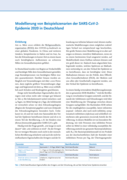
In einem häufig verwendeten Modellierungskonzept, den so genannten SEIR-Modellen,1-3 wird die Bevölke-rung in verschiedene Gruppen unterteilt, und die Dy-namik der Infektionen und Erkrankungen wird über eine Modellierung der Übergänge zwischen diesen Gruppen nachgebildet. Die Buchstaben S
...
EIR stehen für die empfänglichen (susceptible), latent infizierten (exposed – infiziert, aber noch nicht infektiös), symp-tomatisch infektiösen (infectious) und schließlich ver-storbenen oder genesenen (recovered) Anteile der Be-völkerung
more

Dieser Leitfaden zum Management von COVID-19 Ausbruechen richtet sich in erster Linie an die Fachöffentlichkeit im Gesundheitswesen, insbesondere den ÖGD auf allen Ebenen. Er verweist auf viele bereits existierende generische sowie für COVID-19 entwickelten Dokumente. Diese Empfehlungen sind alle
...
unter www.rki.de/covid-19 zu finden, darunter Empfehlungen für das Kontaktpersonenmanagement, Optionen für die Kontaktreduzierung, Kriterien für die Risiköinschätzung von Grossveranstaltungen und Hilfestellung zum Schutz besonders gefährdeter Gruppen. Informationen für Reisende sind beim Auswärtigen Amt zu finden. Informationen zur regionalen oder lokalen Ebene geben die Landes- und kommunalen Gesundheitsbehörden.
Die Inhalte basieren auf den Erkenntnissen zu Erkrankungen (COVID-19) mit Infektionen durch das neuartige Coronavirus (SARS-CoV-2) zum jeweils angegebenen Datenstand. Das Dokument wird aktualisiert und ergänzt, sobald neue Erkenntnisse eine Aktualisierung/Änderung der Empfehlungen notwendig machen.
more

Infografik - Stand 12.5.2020
The spread of COVID-19 poses a challenge for emerging markets such as those in Africa and Latin America. While governments around the world are suffering from a shortage of ventilators, hospital beds, and personal protective equipment, availability of these items is already extremely limited in some
...
countries. In Africa, countries including Mali, Liberia, and Burkina Faso have only a few ventilators available to aid their populations, and there is also a lack of reliable oxygen supplies, ICUs, and healthcare workers to treat the sick. Additionally, many countries in Africa are already suffering from food insecurity and weak economies, which will worsen the long-term effects of coronavirus.
Keeping these factors in mind, GeoPoll conducted a remote study in 12 countries in sub-Saharan Africa on the effects coronavirus is already having on people throughout the region.
more
The spread of COVID-19 poses a challenge for emerging markets such as those in Africa and Latin America. While governments around the world are suffering from a shortage of ventilators, hospital beds, and personal protective equipment, availability of these items is already extremely limited in some
...
countries.
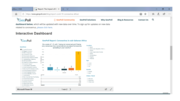
You can also view the results in the interactive dashboard below, which will be updated with new data over time.
more
Accessed on 21.05.2020
Considering a hotline? This set of tools will help you assess, set up and manage different types of channels to communicate with communities during humanitarian crises.

Reusing a legacy interactive audio instruction (IAI) program to provide education in a humanitarian crisis is a quick solution and a smart use of previous investments (“Learning in the Time of Ebola”). This article highlights and advises on the issues that relate to adapting and updating previou
...
sly developed IAI programs, including how to orient current audiences to listen and learn in new ways.
more
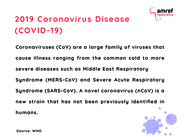
These communication tools are available to share and print in helping prevent the spread of COVID‑19. Feel free to display and/or distribute on social media to communicate key information to the public about COVID‑19. On Twitter please tag @Amref_Worldwide when posting graphics from our COVID‑
...
19 social media toolkit.
more

This What Matters? edition focuses on Covid-19 rumours circulating in the Rohingya camps of Cox’s Bazar. It explores some of the more common rumours, discusses sources and formats of information, presents community perspectives about rumours and communication, and suggests approaches to communicat
...
ing with the Rohingya community about Covid-19.
more

This is a short technical brief with important steps and resources on how country programs can track and address rumors around COVID-19 (as needed). The guide includes a number of great resources and links while also sharing nuggets from global, collective thinking around rumors.
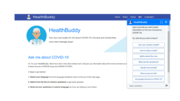
Your very own buddy for info about COVID-19 in Europe and Central Asia.
Just a text message away!

Community engagement from a distance
Shongjog, the national platform for Communication with Communities in Bangladesh.
BBC Media Action
(2020)
C2
This short guide is designed to assist development and humanitarian agencies to think through how risk communication and community engagement activity related to Covid-19 can be carried out without face-to-face interaction with communities. By using remote methods, agencies will be able to safeguard
...
the health of their own and their partners’ staff and volunteers, while still ensuring that communities receive accurate, up-to-date information as well as having access to communication channels which allow them to provide feedback and share their concerns and worries.
more
Wits Reproductive Health and HIV Institute (Wits RHI) is involved in an effort to curb the COVID-19 pandemic that is facing South Africa and the world at large. Prof. Helen Rees is a member of the team advising the Health Minister on COVID-19 (MAC). She is part of the Clinicians Group, the Research
...
group and the Incident Management Team (IMT). Prof. Rees is Co-Chair of the South African arm of the Solidarity study
This is a World Health Organisation (WHO) coordinated trial that will generate high quality evidence on COVID-19 treatment options. Prof Helen is also the International Coordinator for the global Crown Coronation study. This study is aimed at looking at strategies to protect healthcare workers.
more
Website with important informations:
Symptoms , Prevent getting sick etc.
This document provides advice on personal protective measures on publictransport(e.g. bus, metro, train, commuter boats).
