
Filter
4064
Text search:
technical
skills
Featured
393
1225
Language
3992
95
65
44
37
24
19
10
6
6
4
3
3
3
3
3
3
2
2
2
2
2
2
2
2
2
2
2
2
2
1
1
1
1
1
1
1
1
1
1
1
1
1
1
1
1
1
1
1
1
Document type
2306
576
470
322
193
114
41
30
4
4
2
2
Countries
183
155
153
126
102
101
92
90
88
88
86
73
72
69
60
59
59
56
53
48
43
42
36
31
30
29
27
26
24
24
22
22
21
20
19
19
18
18
18
17
16
14
14
12
12
11
10
10
9
9
9
9
8
8
7
7
7
6
6
6
6
6
5
5
5
5
4
4
4
4
4
4
3
3
3
3
3
2
2
2
2
2
2
2
2
2
2
2
2
2
2
2
2
2
2
2
2
2
1
1
1
1
1
1
1
1
1
1
1
1
1
1
1
1
1
1
1
1
1
1
1
1
1
1
1
1
1
1
1
Authors & Publishers
519
141
105
104
95
94
94
80
55
42
34
31
27
27
26
25
25
21
21
21
21
20
20
19
18
18
17
16
16
15
15
14
13
13
13
13
13
13
13
13
13
12
12
12
12
12
11
11
11
11
11
11
11
11
10
9
9
9
9
9
9
9
8
8
8
8
8
8
8
8
8
8
8
8
8
8
8
7
7
7
7
7
7
7
7
7
7
7
7
7
7
6
6
6
6
6
6
6
6
6
6
6
6
6
6
6
6
6
6
6
6
6
5
5
5
5
5
5
5
5
5
5
5
5
5
5
5
5
5
5
5
5
5
5
5
5
5
5
5
5
5
4
4
4
4
4
4
4
4
4
4
4
4
4
4
4
4
4
4
4
4
4
4
4
4
4
4
4
4
4
4
4
4
4
4
4
4
4
4
4
4
3
3
3
3
3
3
3
3
3
3
3
3
3
3
3
3
3
3
3
3
3
3
3
3
3
3
3
3
3
3
3
3
3
3
3
3
3
3
3
3
3
3
3
3
3
3
3
3
3
3
3
3
3
3
3
3
3
3
3
3
3
3
3
3
3
3
3
3
3
3
3
3
3
3
3
3
3
3
3
3
3
3
3
2
2
2
2
2
2
2
2
2
2
2
2
2
2
2
2
2
2
2
2
2
2
2
2
2
2
2
2
2
2
2
2
2
2
2
2
2
2
2
2
2
2
2
2
2
2
2
2
2
2
2
2
2
2
2
2
2
2
2
2
2
2
2
2
2
2
2
2
2
2
2
2
2
2
2
2
2
2
2
2
2
2
2
2
2
2
2
2
2
2
2
2
2
2
2
2
2
2
2
2
2
2
2
2
2
2
2
2
2
2
2
2
2
2
2
2
2
2
2
2
2
2
2
2
2
2
2
2
2
2
2
2
2
2
2
2
2
2
2
2
2
2
2
2
2
2
2
2
2
2
2
2
2
2
2
2
2
2
2
2
2
2
2
2
2
2
2
2
2
2
2
2
2
2
2
2
2
2
2
2
2
2
2
2
2
2
2
2
2
2
2
2
2
2
2
2
2
2
2
2
2
2
2
2
2
2
2
2
2
2
2
2
2
2
2
2
2
2
2
1
1
1
1
1
1
1
1
1
1
1
1
1
1
1
1
1
1
1
1
1
1
1
1
1
1
1
1
1
1
1
1
1
1
1
1
1
1
1
1
1
1
1
1
1
1
1
1
1
1
1
1
1
1
1
1
1
1
1
1
1
1
1
1
1
1
1
1
1
1
1
1
1
1
1
1
1
1
1
1
1
1
1
1
1
1
1
1
1
1
1
1
1
1
1
1
1
1
1
1
1
1
1
1
1
1
1
1
1
1
1
1
1
1
1
1
1
1
1
1
1
1
1
1
1
1
1
1
1
1
1
1
1
1
1
1
1
1
1
1
1
1
1
1
1
1
1
1
1
1
1
1
1
1
1
1
1
1
1
1
1
1
1
1
1
1
1
1
1
1
1
1
1
1
1
1
1
1
1
1
1
1
1
1
1
1
1
1
1
1
1
1
1
1
1
1
1
1
1
1
1
1
1
1
1
1
1
1
1
1
1
1
1
1
1
1
1
1
1
1
1
1
1
1
1
1
1
1
1
1
1
1
1
1
1
1
1
1
1
1
1
1
1
1
1
1
1
1
1
1
1
1
1
1
1
1
1
1
1
1
1
1
1
1
1
1
1
1
1
1
1
1
1
1
1
1
1
1
1
1
1
1
1
1
1
1
1
1
1
1
1
1
1
1
1
1
1
1
1
1
1
1
1
1
1
1
1
1
1
1
1
1
1
1
1
1
1
1
1
1
1
1
1
1
1
1
1
1
1
1
1
1
1
1
1
1
1
1
1
1
1
1
1
1
1
1
1
1
1
1
1
1
1
1
1
1
1
1
1
1
1
1
1
1
1
1
1
1
1
1
1
1
1
1
1
1
1
1
1
1
1
1
1
1
1
1
1
1
1
1
1
1
1
1
1
1
1
1
1
1
1
1
1
1
1
1
1
1
1
1
1
1
1
1
1
1
1
1
1
1
1
1
1
1
1
1
1
1
1
1
1
1
1
1
1
1
1
1
1
1
1
1
1
1
1
1
1
1
1
1
1
1
1
1
1
1
1
1
1
1
1
1
1
1
1
1
1
1
1
1
1
1
1
1
1
1
1
1
1
1
1
1
1
1
1
1
1
1
1
1
1
1
1
1
1
1
1
1
1
1
1
1
1
1
1
1
1
1
1
1
1
1
1
1
1
1
1
1
1
1
1
1
1
1
1
1
1
1
1
1
1
1
1
1
1
1
1
1
1
1
1
1
1
1
1
1
1
1
1
1
1
1
1
1
1
1
1
1
1
1
1
1
1
1
1
1
1
1
1
1
1
1
1
1
1
1
1
1
1
1
1
1
1
1
1
1
1
1
1
1
1
1
1
1
1
1
1
1
1
1
1
1
1
1
1
1
1
1
1
1
1
1
1
1
1
1
1
1
1
1
1
1
1
1
1
1
1
1
1
1
1
1
1
1
1
1
1
1
1
1
1
1
1
1
1
1
1
1
1
1
1
1
1
1
1
1
1
1
1
1
1
1
1
1
1
1
1
1
1
1
1
1
1
1
1
1
1
1
1
1
1
1
1
1
1
1
1
1
1
1
1
1
1
1
1
1
1
1
1
1
1
1
1
1
1
1
1
1
1
1
1
1
1
1
1
1
1
1
1
1
1
1
1
1
1
1
1
1
1
1
1
1
1
1
1
1
1
1
1
1
1
1
1
1
1
1
1
1
1
1
1
1
1
1
1
1
1
1
1
1
1
1
1
1
1
1
1
1
1
1
1
1
1
1
1
1
1
1
1
1
1
1
1
1
1
1
1
1
1
1
1
1
1
1
1
1
1
1
1
1
1
1
1
1
1
1
1
1
1
1
1
1
1
1
1
1
1
1
1
1
1
1
1
1
1
1
1
1
1
1
1
1
1
1
1
1
1
1
1
1
1
1
1
1
1
1
1
1
1
1
1
1
1
1
1
1
1
1
1
1
1
1
1
1
1
1
1
1
1
1
1
1
1
1
1
1
1
1
1
1
1
1
1
1
1
1
1
1
1
1
1
1
1
1
1
1
1
1
1
1
1
1
1
1
1
1
1
1
1
1
1
1
1
1
1
1
1
1
1
1
1
1
1
1
1
1
1
1
1
1
1
1
1
1
1
1
1
1
1
1
1
1
1
1
1
1
1
1
1
1
1
1
1
1
1
1
1
1
1
1
1
1
1
1
1
1
1
1
1
1
1
1
1
1
1
1
1
1
1
1
1
1
1
1
1
1
1
1
1
1
1
1
1
1
1
1
1
1
1
1
1
1
1
1
1
1
1
1
1
1
1
1
1
1
1
1
1
1
1
1
1
1
1
1
1
1
1
1
1
1
1
1
1
1
1
1
1
1
1
1
1
1
1
1
1
1
1
1
1
1
1
1
1
1
1
1
1
1
1
1
1
1
1
1
1
1
1
1
1
1
1
1
1
1
1
1
1
1
1
1
1
1
1
1
1
1
1
1
1
1
1
1
1
1
1
1
1
1
1
1
1
1
1
1
1
1
1
1
1
1
1
1
1
1
1
1
1
1
1
1
1
1
1
1
1
1
1
1
1
1
1
1
1
1
1
1
1
1
1
1
1
1
1
1
1
1
1
1
1
1
1
1
1
1
1
1
1
1
1
1
1
1
1
1
1
1
1
1
1
1
1
1
1
1
1
1
1
1
1
1
1
1
1
1
1
1
1
1
1
1
1
1
1
1
1
1
1
1
1
1
1
1
1
1
1
1
1
1
1
1
1
1
1
1
1
1
1
1
1
1
1
1
1
1
1
1
1
1
1
1
1
1
1
1
1
1
1
1
1
1
1
1
1
1
1
1
1
1
1
1
1
1
1
1
1
1
1
1
1
1
1
1
1
1
1
1
1
1
1
1
1
1
1
1
1
1
1
1
1
1
1
1
1
1
1
1
1
1
1
1
1
1
1
1
1
1
1
1
1
1
1
1
1
1
1
1
1
1
1
1
1
1
1
1
1
1
1
1
1
1
1
1
1
1
1
1
1
1
1
1
1
1
1
1
1
1
1
1
1
1
1
1
1
1
1
1
1
1
1
1
1
1
1
1
1
1
1
1
1
1
1
1
1
1
1
1
1
1
1
1
1
1
1
1
1
1
1
1
1
1
1
1
1
1
1
1
1
1
1
1
1
1
1
1
1
1
1
1
1
1
1
1
1
1
1
1
1
1
1
1
1
1
1
1
1
1
1
1
1
1
1
1
1
1
1
1
1
1
1
1
1
1
1
1
1
1
1
1
1
1
1
1
1
1
1
1
1
1
1
1
1
1
1
1
1
1
1
1
1
1
1
1
1
1
1
1
1
1
1
1
1
1
1
1
1
1
1
1
1
1
1
1
1
1
1
1
1
1
1
1
1
1
1
1
1
1
1
1
1
1
1
1
1
1
1
1
1
1
1
1
1
1
1
1
1
1
1
1
1
1
1
1
1
1
1
1
1
1
1
1
1
1
1
1
1
1
1
1
1
1
1
1
1
1
1
1
1
1
1
1
1
1
1
1
1
1
1
1
1
1
1
1
1
1
1
1
1
1
1
1
1
1
1
1
1
1
1
1
1
1
1
1
1
1
1
1
1
1
1
1
1
1
1
1
1
1
1
1
1
1
1
1
1
1
1
1
1
1
1
1
1
1
1
1
1
1
1
1
1
1
1
1
1
1
1
1
1
1
1
1
1
1
1
1
1
1
1
1
1
1
1
1
1
1
1
1
1
1
1
1
1
1
1
1
1
1
1
1
1
1
1
1
1
1
1
1
1
1
1
1
1
1
1
1
1
1
1
1
1
1
1
1
1
1
1
1
1
1
1
1
1
1
1
1
1
1
1
1
1
1
1
1
1
1
1
1
1
1
1
1
1
1
1
1
1
1
1
1
1
1
1
1
1
1
1
1
1
1
1
1
1
1
1
1
1
1
1
1
1
1
1
1
1
1
1
1
1
1
1
1
1
1
1
1
1
1
1
1
1
1
1
1
1
1
1
1
1
1
1
1
1
1
1
1
1
1
1
1
1
1
1
1
1
1
1
1
1
1
1
1
1
1
1
1
1
1
1
1
1
1
1
1
1
1
1
1
1
1
1
1
1
1
1
1
1
1
1
1
1
1
1
1
1
1
1
1
1
1
1
1
1
1
1
1
1
1
1
1
1
1
1
1
1
1
1
1
1
1
1
1
1
1
1
1
1
1
1
1
1
1
1
1
1
1
1
1
1
1
1
1
1
1
1
1
1
1
1
1
1
1
1
1
1
1
1
1
1
1
1
1
1
1
1
1
1
1
1
1
1
1
1
1
1
1
1
1
1
1
1
1
1
1
1
1
1
1
1
1
1
1
1
1
1
1
1
1
1
1
1
1
1
1
1
1
1
1
1
1
1
1
1
1
1
1
1
1
1
1
1
1
1
1
1
1
1
1
1
1
1
1
1
1
1
1
1
1
1
1
1
1
1
1
1
1
1
1
1
1
1
1
1
1
1
1
1
1
1
1
1
1
1
1
1
1
1
1
1
1
1
1
1
1
1
1
1
1
1
1
1
1
1
1
1
1
1
1
1
1
1
1
1
1
1
1
1
1
1
1
1
1
1
1
1
1
1
1
1
1
1
1
1
1
1
1
1
1
1
1
1
1
1
1
1
1
1
1
1
1
1
1
1
1
1
1
1
1
1
1
1
1
1
1
1
1
1
1
1
1
1
1
1
1
1
1
1
1
1
1
1
1
1
1
1
1
1
1
1
1
1
1
1
1
1
1
1
1
1
1
1
1
1
1
1
1
1
1
1
1
1
1
1
1
1
1
1
1
1
1
1
1
1
1
1
1
1
1
1
1
1
1
1
1
1
1
1
1
1
1
1
1
1
1
1
1
1
1
1
1
1
1
1
1
1
1
1
1
1
1
1
1
1
1
1
1
1
1
1
1
1
1
1
1
1
1
1
1
1
1
1
1
1
1
1
1
1
1
1
1
1
1
1
1
1
1
1
1
1
1
1
1
1
1
1
1
1
1
1
1
1
1
1
1
1
1
1
1
1
1
1
1
1
1
1
1
1
1
1
1
1
1
1
1
1
1
1
1
1
1
1
1
1
1
1
1
1
1
1
1
1
1
1
1
1
1
1
1
1
1
1
1
1
1
1
1
1
1
1
1
1
1
1
1
1
1
1
1
1
1
1
1
1
1
1
1
1
1
1
1
1
1
1
1
1
1
1
1
1
1
1
1
1
1
1
1
1
1
1
1
1
1
1
1
1
1
1
1
1
1
1
1
1
1
1
1
1
1
1
1
1
1
1
1
1
1
1
1
1
1
1
1
1
1
1
1
1
1
1
1
1
1
1
1
1
1
1
1
1
1
1
1
1
1
1
1
1
1
1
1
1
1
1
1
1
1
1
1
1
1
1
1
1
1
1
1
1
1
1
1
1
1
1
1
1
1
1
1
1
1
1
1
1
1
1
1
1
1
1
1
1
1
1
1
1
1
1
1
1
1
1
1
1
1
1
1
1
1
1
1
1
1
1
1
1
1
1
1
1
1
1
1
1
1
1
1
1
1
1
1
1
1
1
1
1
1
1
1
1
1
1
1
1
1
1
1
1
1
1
1
1
1
1
1
1
1
Publication Years
1104
2478
458
21
2
1
Category
1722
361
315
251
217
163
39
1
Toolboxes
295
255
218
156
140
123
122
114
91
89
73
73
71
71
68
68
56
52
41
21
21
21
21
19
13
2
2
Drinking-water quality regulations and standards developed or revised in accordance with this guidance will reflect the best practices identified in the WHO Guidelines for Drinking-water Quality to most effectively protect public health. Moreover, the regulations and standards will consider local ne
...
eds, priorities and capacities to ensure that they are realistic and appropriate. Topics covered include:
- Guiding principles
- Getting started
- Selecting parameters and parameter limits
- Setting out compliance monitoring requirements more
- Guiding principles
- Getting started
- Selecting parameters and parameter limits
- Setting out compliance monitoring requirements more

The Republic of the Union of Myanmar is at a historic moment, with a new civilian government assuming power in 2016. The country graduated to lower-middle-income status in 2015, and has made significant progress in reducing poverty, improving food security and addressing malnutrition.
The remai ... ning challenges to food and nutrition security and achievement of Sustainable Development Goal 2 targets include continued population displacements resulting from conflict, vulnerability to extreme weather events, poverty, limited social protection coverage, high malnutrition and persistent gender inequalities. more
The remai ... ning challenges to food and nutrition security and achievement of Sustainable Development Goal 2 targets include continued population displacements resulting from conflict, vulnerability to extreme weather events, poverty, limited social protection coverage, high malnutrition and persistent gender inequalities. more

In April 2018, Refugees International (RI) conducted a mission to Bangladesh, to research the GBV (gender-based violence) response for Rohingya women and girls. RI found that the entire humanitarian system is struggling under tremendous constraints in Bangladesh, and protection and health actors do
...
deliver lifesaving services to survivors in an incredibly challenging environment. This report, however, focuses on key gaps and challenges in GBV programming, as communicated by practitioners deployed to Bangladesh at various stages of the emergency, by local organizations, and by the affected women and girls themselves.
In the analyses and recommendations provided in this report, RI draws in part from the framework of the international initiative to safeguard women and girls in emergencies — the Call to Action on Protection from Gender-Based Violence in Emergencies — and urges the donors and humanitarian organizations that are Call to Action partners to implement it more effectively and with urgency during this emergency. more
In the analyses and recommendations provided in this report, RI draws in part from the framework of the international initiative to safeguard women and girls in emergencies — the Call to Action on Protection from Gender-Based Violence in Emergencies — and urges the donors and humanitarian organizations that are Call to Action partners to implement it more effectively and with urgency during this emergency. more

National strategy on the management of disaster and climate induced internal displacement (NSMDCIID)
This strategy has been developed with a view to managing climate-induced internal displacement (CIID) in a comprehensive and rights-based manner. It is part of the action plan for the Government of Bangladesh (GoB) to implement the Sendai Framework.
The strategy focuses solely on internal disp ... lacements caused by climate-related disasters and not cross-border displacement issues. It aims to chalk out a comprehensive strategy covering all three phases of displacements: (i) pre-displacement; (ii) displacement phase; and (iii) post-displacement. The multidimensional characteristics of the Strategy require participation of all relevant ministries with a target to integrate the concerns of CIIDPs into the existing programmes of all these ministries. more
The strategy focuses solely on internal disp ... lacements caused by climate-related disasters and not cross-border displacement issues. It aims to chalk out a comprehensive strategy covering all three phases of displacements: (i) pre-displacement; (ii) displacement phase; and (iii) post-displacement. The multidimensional characteristics of the Strategy require participation of all relevant ministries with a target to integrate the concerns of CIIDPs into the existing programmes of all these ministries. more
The National Integrated Comprehensive Cholera Prevention and Control Plan (2017-2022) outlines Uganda's strategy to reduce cholera cases and mortality by 50% by 2022. The plan focuses on improving access to clean water, sanitation, and hygiene (WASH), strengthening disease surveillance, enhancing ca
...
se management, and implementing oral cholera vaccination (OCV) in high-risk areas. It emphasizes multi-sectoral collaboration, involving government agencies, NGOs, and local communities to ensure a sustainable response. Key interventions include community engagement, improved health services, and better outbreak preparedness, aiming for long-term cholera elimination in Uganda.
more

Overview:
- Part A is an introductory part which will give you background information about CBDRR in Myanmar. It has a small section about the importance of CBDRR in Myanmar, the stakeholders of CBDRR in Myanmar, as well as an overview about the challenges that are faced when implementing CBDRR ... in Myanmar.
- Part B contains the instructions on how to conduct the 9-step process agreed upon and described in detail in the step-by-step methodology document. These nine (9) steps are considered the minimum required activities to be followed by all MRCS community based initiatives regardless of their budget or time frame.
- Part C includes all the implementation steps of CBDRR programs namely step 6 (Action Plan Development), and step 7 (Implementation of Action Plan).
- Part D includes all the steps that finalize a CBDRR program namely step 4 and step 8 (Baseline and Endline Study) as well as step 9 (Handover & Exit Strategy). more
- Part A is an introductory part which will give you background information about CBDRR in Myanmar. It has a small section about the importance of CBDRR in Myanmar, the stakeholders of CBDRR in Myanmar, as well as an overview about the challenges that are faced when implementing CBDRR ... in Myanmar.
- Part B contains the instructions on how to conduct the 9-step process agreed upon and described in detail in the step-by-step methodology document. These nine (9) steps are considered the minimum required activities to be followed by all MRCS community based initiatives regardless of their budget or time frame.
- Part C includes all the implementation steps of CBDRR programs namely step 6 (Action Plan Development), and step 7 (Implementation of Action Plan).
- Part D includes all the steps that finalize a CBDRR program namely step 4 and step 8 (Baseline and Endline Study) as well as step 9 (Handover & Exit Strategy). more

The BRACED Myanmar Alliance was a three-year project aiming to ‘build the resilience of 350,000 people across Myanmar to climate extremes’. The project worked in 7 states, 8 townships and 155 communities. The main impact for project populations was intended to be ‘improved well-being and reduc
...
ed loss and damage despite climate shocks’, and the project sought to do this by addressing immediate hazard-related needs at community level while encouraging longer-term solutions driven and delivered by communities and subnational and national government.
Community Resilience Assessments (CRAs) were the first activities delivered as part of the project, and the list of community-identified needs became the basis from which local-level project interventions were selected. The selection typically involved an infrastructure requirement (linked to addressing a natural hazard, and sometimes shared between communities); a package of livelihood support (assets and trainings); capacity-building on climate change/resilience topics; and village savings and loans association (VSLA) support. A particular emphasis was placed on women’s empowerment, and leadership trainings and support to women’s self-help groups were provided. more
Community Resilience Assessments (CRAs) were the first activities delivered as part of the project, and the list of community-identified needs became the basis from which local-level project interventions were selected. The selection typically involved an infrastructure requirement (linked to addressing a natural hazard, and sometimes shared between communities); a package of livelihood support (assets and trainings); capacity-building on climate change/resilience topics; and village savings and loans association (VSLA) support. A particular emphasis was placed on women’s empowerment, and leadership trainings and support to women’s self-help groups were provided. more

The scope of the Guidance is primarily the education in rural settings in Myanmar, but it covers some of the issues which have pan Myanmar implication and relevance. Considering the importance, complexity and vastness of the subject, similar type of initiatives on urban school and education system a
...
nd other issues needs to be taken up in future.
The Guidance has four sections namely Introduction to this Guidance, Rationale for Mainstreaming DRR in the Education Sector, How to Mainstream Disaster Risk Reduction in Reconstruction Process of Education Sector in Myanmar and Creating an Enabling Environment for Safer Education. The Guidance also includes good practices of various agencies involved in Cyclone Nargis education sector recovery as example.
No publication year indicated. more
The Guidance has four sections namely Introduction to this Guidance, Rationale for Mainstreaming DRR in the Education Sector, How to Mainstream Disaster Risk Reduction in Reconstruction Process of Education Sector in Myanmar and Creating an Enabling Environment for Safer Education. The Guidance also includes good practices of various agencies involved in Cyclone Nargis education sector recovery as example.
No publication year indicated. more

- Twenty-two joint integrated rapid response mechanism (IRRM) missions were conducted in 11 counties and reached 305,887 people including 65,432 children under 5 years of age.
- UNICEF’s Integrated Community Mobilization Network reached 345,219 households (total population 2.1 million) advoca ... ting for child rights focused on child survival, birth notification, education and protection. Three million people have been reached with advocacy and life-saving messages through radio and community engagement activities, including activities focused on youth and faith leaders.
- On 27 June, discussions between President Salva Kiir and former First Vice President Riek Machar in Khartoum culminated in agreement to a permanent ceasefire and the opening of humanitarian corridors, effective 30 June. more
- UNICEF’s Integrated Community Mobilization Network reached 345,219 households (total population 2.1 million) advoca ... ting for child rights focused on child survival, birth notification, education and protection. Three million people have been reached with advocacy and life-saving messages through radio and community engagement activities, including activities focused on youth and faith leaders.
- On 27 June, discussions between President Salva Kiir and former First Vice President Riek Machar in Khartoum culminated in agreement to a permanent ceasefire and the opening of humanitarian corridors, effective 30 June. more

The strategic priorities of the CCS 2014–2018 are:
(1) Strengthening the health system.
(2) Enhancing the achievement of communicable disease control targets.
(3) Controlling the growth of the noncommunicable disease burden.
(4) Promoting health throughout the life course.
... (5) Strengthening capacity for emergency risk management and surveillance systems for various health threats. more
(1) Strengthening the health system.
(2) Enhancing the achievement of communicable disease control targets.
(3) Controlling the growth of the noncommunicable disease burden.
(4) Promoting health throughout the life course.
... (5) Strengthening capacity for emergency risk management and surveillance systems for various health threats. more

Improving medicines access and use for child health: a guide to developing interventions
Ross-Degnan, D., Vialle-Valentin, C., and Briggs, J.
USAID, SIAPS (Systems for Improved Access to Pharmaceuticals and Services)
(2015)
C1
Submitted to the US Agency for International Development by the
Systems for Improved Access to Pharmaceuticals and Services (SIAPS) Program.
This manual provides a framework to identify problems and design interventions to improve access to and use of medicines for children. It is a resource for
...
both health policy makers and health system managers and presents a structured approach to the steps introduced in the framework in the context of child health.
more


The five hepatitis viruses have different epidemiological profiles, and their impact, duration, and transmission route also vary. The most common transmission routes contributing to the spread of hepatitis are exposure to infected blood via blood transfusion or unsafe injection practices, consumptio
...
n of contaminated food and drinking water, and transmission from mother to child during pregnancy and delivery. Also, unsafe injection practices, including the use of unsterile needles and syringes, serve as a major pathway for the spread of hepatitis B and C, and reducing transmission of both diseases requires addressing these practices.
more

A nationwide survey of a representative sample of health facilities across public health services in all states and regions of Myanmar has been undertaken since 2014 to track Reproductive Health Commodity Security (RHCS) indicators, such as the availability of reproductive health (RH) commodities; t
...
he supply chain (including cold chain systems); staff training and supervision; availability of guidelines and protocols; information and communication technologies; methods of waste disposal; and user fees. The surveys have also obtained the views of clients about the quality and cost of services through exit interviews. This is the third report for Myanmar, which is an assessment of the situation in 2016.
more
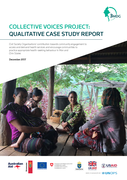
Civil Society Organisations’ contribution towards community engagement to access and demand health services and encourage communities to practice appropriate health-seeking behaviour in Mon and Chin States
The following report is a study of 14 villages under the Collective Voices project (Nov ... ember 2015-December 2017) in the states of Mon and Chin. The objectives of the study were:
(1) to explore Village Health Committee (VHC) members, Basic Health Staff (BHS), and community members’ perceptions on community engagement in seeking and demanding health care and
(2) to describe health-seeking behaviours relating to Maternal, Newborn, and Child Health and hygiene practices among target beneficiaries. more
The following report is a study of 14 villages under the Collective Voices project (Nov ... ember 2015-December 2017) in the states of Mon and Chin. The objectives of the study were:
(1) to explore Village Health Committee (VHC) members, Basic Health Staff (BHS), and community members’ perceptions on community engagement in seeking and demanding health care and
(2) to describe health-seeking behaviours relating to Maternal, Newborn, and Child Health and hygiene practices among target beneficiaries. more

Version 2, January 2016
The primary purpose of this document is to provide 3MDG stakeholders with some essential information on the MNCH core-indicators for 3MDG, which were derived from the 3MDG Logical Framework, Data Dictionary for Health Service Indicators (2014 June, DoPH, MoH), A ... Guide for Monitoring and Evaluating Child Health Programmes (MEASURE Evaluation, September 2005) and Monitoring Emergency Obstetric Care (WHO/UNICEF/UNFPA/AMDD). Partners are strongly encouraged to integrate the MNCH indicators into their ongoing monitoring and evaluation (M&E) activities.
These indicators are designed to help Partners assess the current state of their activities, their progress towards achieving their targets, and contribution towards the national response. This guideline is designed to improve the quality and consistency of data collected at the township level, which will enhance the accuracy of conclusions drawn when the data are aggregated. more
The primary purpose of this document is to provide 3MDG stakeholders with some essential information on the MNCH core-indicators for 3MDG, which were derived from the 3MDG Logical Framework, Data Dictionary for Health Service Indicators (2014 June, DoPH, MoH), A ... Guide for Monitoring and Evaluating Child Health Programmes (MEASURE Evaluation, September 2005) and Monitoring Emergency Obstetric Care (WHO/UNICEF/UNFPA/AMDD). Partners are strongly encouraged to integrate the MNCH indicators into their ongoing monitoring and evaluation (M&E) activities.
These indicators are designed to help Partners assess the current state of their activities, their progress towards achieving their targets, and contribution towards the national response. This guideline is designed to improve the quality and consistency of data collected at the township level, which will enhance the accuracy of conclusions drawn when the data are aggregated. more
In July 2016, the government of Myanmar shared the following update on progress toward achieving its Family Planning 2020 commitment during the 2015-2016 time period (commitment included below for reference). The government added new information to this update in April 2017.

The vision of the new Strategic Action Plan for Strengthening HIS in Myanmar 2017- 2021 is “A strong health information system for a strong health system”. The mission statement of HIS in Myanmar also developed during the strategic planning exercise is “Generating and making accessible compreh
...
ensive, integrated and timely health information for decision making at different levels of health system”. The goal of the HIS in Myanmar formulated during the assessment is “ To provide complete, valid, reliable and timely health information for making right decisions at the right time to ensure an equitable, effective, efficient and responsive health system”.
more
