
Filter
4683
Text search:
children
with
HIV
Featured
486
1452
Language
4464
116
95
79
48
40
32
17
8
7
7
6
6
5
5
5
5
4
4
4
4
4
4
3
3
3
3
3
3
2
2
2
2
2
2
2
2
2
2
2
2
1
1
1
1
1
1
1
1
1
1
1
1
1
1
1
1
1
1
Document type
2812
642
552
208
153
118
112
33
18
15
10
2
1
1
1
Countries
233
189
159
147
138
131
126
124
116
112
108
96
94
76
76
71
68
67
64
59
58
53
49
42
39
39
38
37
36
36
35
33
30
27
25
22
22
20
17
17
17
16
14
14
13
13
13
10
10
10
10
9
8
8
8
8
7
7
7
7
7
6
5
5
5
5
5
4
4
4
4
4
4
3
3
3
3
3
3
3
3
2
2
2
2
2
2
2
2
2
2
2
2
2
2
2
2
2
2
2
2
2
2
2
1
1
1
1
1
1
1
1
1
1
1
1
1
1
1
1
1
1
1
1
1
1
1
1
Authors & Publishers
523
217
150
149
118
118
96
95
80
49
44
38
34
31
30
26
25
25
25
24
23
22
22
22
22
21
20
20
20
19
18
18
17
17
16
16
16
16
16
15
15
15
14
12
12
12
11
11
11
10
10
10
10
10
10
10
10
10
10
9
9
9
9
9
9
9
9
9
9
9
9
8
8
8
8
8
8
8
8
8
8
7
7
7
7
7
7
7
7
7
7
7
7
7
7
7
7
7
6
6
6
6
6
6
6
6
6
6
6
6
6
6
6
6
6
6
6
6
6
6
6
6
6
6
6
6
6
6
6
6
6
6
6
5
5
5
5
5
5
5
5
5
5
5
5
5
5
5
5
5
5
5
5
5
5
5
5
5
5
5
5
5
5
5
5
5
5
4
4
4
4
4
4
4
4
4
4
4
4
4
4
4
4
4
4
4
4
4
4
4
4
4
4
4
4
4
4
4
4
4
4
4
4
4
4
4
4
4
4
4
4
4
4
4
4
4
4
4
4
3
3
3
3
3
3
3
3
3
3
3
3
3
3
3
3
3
3
3
3
3
3
3
3
3
3
3
3
3
3
3
3
3
3
3
3
3
3
3
3
3
3
3
3
3
3
3
3
3
3
3
3
3
3
3
3
3
3
3
3
3
3
3
3
3
3
3
3
3
3
3
3
3
3
3
3
3
3
3
3
3
3
3
3
3
3
3
3
3
3
3
3
3
3
3
3
3
3
3
2
2
2
2
2
2
2
2
2
2
2
2
2
2
2
2
2
2
2
2
2
2
2
2
2
2
2
2
2
2
2
2
2
2
2
2
2
2
2
2
2
2
2
2
2
2
2
2
2
2
2
2
2
2
2
2
2
2
2
2
2
2
2
2
2
2
2
2
2
2
2
2
2
2
2
2
2
2
2
2
2
2
2
2
2
2
2
2
2
2
2
2
2
2
2
2
2
2
2
2
2
2
2
2
2
2
2
2
2
2
2
2
2
2
2
2
2
2
2
2
2
2
2
2
2
2
2
2
2
2
2
2
2
2
2
2
2
2
2
2
2
2
2
2
2
2
2
2
2
2
2
2
2
2
2
2
2
2
2
2
2
2
2
2
2
2
2
2
2
2
2
2
2
2
2
2
2
2
2
2
2
2
2
2
2
2
2
2
2
2
2
2
2
2
2
2
2
2
2
2
2
2
2
2
2
2
2
2
2
2
2
2
2
2
2
2
2
2
2
2
2
2
2
2
2
2
2
2
2
2
2
2
2
2
2
2
2
2
2
2
2
2
2
2
2
2
2
2
2
2
2
2
2
2
2
2
2
2
2
2
2
2
2
2
2
2
2
2
2
2
2
2
2
2
2
1
1
1
1
1
1
1
1
1
1
1
1
1
1
1
1
1
1
1
1
1
1
1
1
1
1
1
1
1
1
1
1
1
1
1
1
1
1
1
1
1
1
1
1
1
1
1
1
1
1
1
1
1
1
1
1
1
1
1
1
1
1
1
1
1
1
1
1
1
1
1
1
1
1
1
1
1
1
1
1
1
1
1
1
1
1
1
1
1
1
1
1
1
1
1
1
1
1
1
1
1
1
1
1
1
1
1
1
1
1
1
1
1
1
1
1
1
1
1
1
1
1
1
1
1
1
1
1
1
1
1
1
1
1
1
1
1
1
1
1
1
1
1
1
1
1
1
1
1
1
1
1
1
1
1
1
1
1
1
1
1
1
1
1
1
1
1
1
1
1
1
1
1
1
1
1
1
1
1
1
1
1
1
1
1
1
1
1
1
1
1
1
1
1
1
1
1
1
1
1
1
1
1
1
1
1
1
1
1
1
1
1
1
1
1
1
1
1
1
1
1
1
1
1
1
1
1
1
1
1
1
1
1
1
1
1
1
1
1
1
1
1
1
1
1
1
1
1
1
1
1
1
1
1
1
1
1
1
1
1
1
1
1
1
1
1
1
1
1
1
1
1
1
1
1
1
1
1
1
1
1
1
1
1
1
1
1
1
1
1
1
1
1
1
1
1
1
1
1
1
1
1
1
1
1
1
1
1
1
1
1
1
1
1
1
1
1
1
1
1
1
1
1
1
1
1
1
1
1
1
1
1
1
1
1
1
1
1
1
1
1
1
1
1
1
1
1
1
1
1
1
1
1
1
1
1
1
1
1
1
1
1
1
1
1
1
1
1
1
1
1
1
1
1
1
1
1
1
1
1
1
1
1
1
1
1
1
1
1
1
1
1
1
1
1
1
1
1
1
1
1
1
1
1
1
1
1
1
1
1
1
1
1
1
1
1
1
1
1
1
1
1
1
1
1
1
1
1
1
1
1
1
1
1
1
1
1
1
1
1
1
1
1
1
1
1
1
1
1
1
1
1
1
1
1
1
1
1
1
1
1
1
1
1
1
1
1
1
1
1
1
1
1
1
1
1
1
1
1
1
1
1
1
1
1
1
1
1
1
1
1
1
1
1
1
1
1
1
1
1
1
1
1
1
1
1
1
1
1
1
1
1
1
1
1
1
1
1
1
1
1
1
1
1
1
1
1
1
1
1
1
1
1
1
1
1
1
1
1
1
1
1
1
1
1
1
1
1
1
1
1
1
1
1
1
1
1
1
1
1
1
1
1
1
1
1
1
1
1
1
1
1
1
1
1
1
1
1
1
1
1
1
1
1
1
1
1
1
1
1
1
1
1
1
1
1
1
1
1
1
1
1
1
1
1
1
1
1
1
1
1
1
1
1
1
1
1
1
1
1
1
1
1
1
1
1
1
1
1
1
1
1
1
1
1
1
1
1
1
1
1
1
1
1
1
1
1
1
1
1
1
1
1
1
1
1
1
1
1
1
1
1
1
1
1
1
1
1
1
1
1
1
1
1
1
1
1
1
1
1
1
1
1
1
1
1
1
1
1
1
1
1
1
1
1
1
1
1
1
1
1
1
1
1
1
1
1
1
1
1
1
1
1
1
1
1
1
1
1
1
1
1
1
1
1
1
1
1
1
1
1
1
1
1
1
1
1
1
1
1
1
1
1
1
1
1
1
1
1
1
1
1
1
1
1
1
1
1
1
1
1
1
1
1
1
1
1
1
1
1
1
1
1
1
1
1
1
1
1
1
1
1
1
1
1
1
1
1
1
1
1
1
1
1
1
1
1
1
1
1
1
1
1
1
1
1
1
1
1
1
1
1
1
1
1
1
1
1
1
1
1
1
1
1
1
1
1
1
1
1
1
1
1
1
1
1
1
1
1
1
1
1
1
1
1
1
1
1
1
1
1
1
1
1
1
1
1
1
1
1
1
1
1
1
1
1
1
1
1
1
1
1
1
1
1
1
1
1
1
1
1
1
1
1
1
1
1
1
1
1
1
1
1
1
1
1
1
1
1
1
1
1
1
1
1
1
1
1
1
1
1
1
1
1
1
1
1
1
1
1
1
1
1
1
1
1
1
1
1
1
1
1
1
1
1
1
1
1
1
1
1
1
1
1
1
1
1
1
1
1
1
1
1
1
1
1
1
1
1
1
1
1
1
1
1
1
1
1
1
1
1
1
1
1
1
1
1
1
1
1
1
1
1
1
1
1
1
1
1
1
1
1
1
1
1
1
1
1
1
1
1
1
1
1
1
1
1
1
1
1
1
1
1
1
1
1
1
1
1
1
1
1
1
1
1
1
1
1
1
1
1
1
1
1
1
1
1
1
1
1
1
1
1
1
1
1
1
1
1
1
1
1
1
1
1
1
1
1
1
1
1
1
1
1
1
1
1
1
1
1
1
1
1
1
1
1
1
1
1
1
1
1
1
1
1
1
1
1
1
1
1
1
1
1
1
1
1
1
1
1
1
1
1
1
1
1
1
1
1
1
1
1
1
1
1
1
1
1
1
1
1
1
1
1
1
1
1
1
1
1
1
1
1
1
1
1
1
1
1
1
1
1
1
1
1
1
1
1
1
1
1
1
1
1
1
1
1
1
1
1
1
1
1
1
1
1
1
1
1
1
1
1
1
1
1
1
1
1
1
1
1
1
1
1
1
1
1
1
1
1
1
1
1
1
1
1
1
1
1
1
1
1
1
1
1
1
1
1
1
1
1
1
1
1
1
1
1
1
1
1
1
1
1
1
1
1
1
1
1
1
1
1
1
1
1
1
1
1
1
1
1
1
1
1
1
1
1
1
1
1
1
1
1
1
1
1
1
1
1
1
1
1
1
1
1
1
1
1
1
1
1
1
1
1
1
1
1
1
1
1
1
1
1
1
1
1
1
1
1
1
1
1
1
1
1
1
1
1
1
1
1
1
1
1
1
1
1
1
1
1
1
1
1
1
1
1
1
1
1
1
1
1
1
1
1
1
1
1
1
1
1
1
1
1
1
1
1
1
1
1
1
1
1
1
1
1
1
1
1
1
1
1
1
1
1
1
1
1
1
1
1
1
1
1
1
1
1
1
1
1
1
1
1
1
1
1
1
1
1
1
1
1
1
1
1
1
1
1
1
1
1
1
1
1
1
1
1
1
1
1
1
1
1
1
1
1
1
1
1
1
1
1
1
1
1
1
1
1
1
1
1
1
1
1
1
1
1
1
1
1
1
1
1
1
1
1
1
1
1
1
1
1
1
1
1
1
1
1
1
1
1
1
1
1
1
1
1
1
1
1
1
1
1
1
1
1
1
1
1
1
1
1
1
1
1
1
1
1
1
1
1
1
1
1
1
1
1
1
1
1
1
1
1
1
1
1
1
1
1
1
1
1
1
1
1
1
1
1
1
1
1
1
1
1
1
1
1
1
1
1
1
1
1
1
1
1
1
1
1
1
1
1
1
1
1
1
1
1
1
1
1
1
1
1
1
1
1
1
1
1
1
1
1
1
1
1
1
1
1
1
1
1
1
1
1
1
1
1
1
1
1
1
1
1
1
1
1
1
1
1
1
1
1
1
1
1
1
1
1
1
1
1
1
1
1
1
1
1
1
1
1
1
1
1
1
1
1
1
1
1
1
1
1
1
1
1
1
1
1
1
1
1
1
1
1
1
1
1
1
1
1
1
1
1
1
1
1
1
1
1
1
1
1
1
1
1
1
1
1
1
1
1
1
1
1
1
1
1
1
1
1
1
1
1
1
1
1
1
1
1
1
1
1
1
1
1
1
1
1
1
1
1
1
1
1
1
1
1
1
1
1
1
1
1
1
1
1
1
1
1
1
1
1
1
1
1
1
1
1
1
1
1
1
1
1
1
1
1
1
1
1
1
1
1
1
1
1
1
1
1
1
1
1
1
1
1
1
1
1
1
1
1
1
1
1
1
1
1
1
1
1
1
1
1
1
1
1
1
1
1
1
1
1
1
1
1
1
1
1
1
1
1
1
1
1
1
1
1
1
1
1
1
1
1
1
1
1
1
1
1
1
1
1
1
1
1
1
1
1
1
1
1
1
1
1
1
1
1
1
1
1
1
1
1
1
1
1
1
1
1
1
1
1
1
1
1
1
1
1
1
1
1
1
1
1
1
1
1
1
1
1
1
1
1
1
1
1
1
1
1
1
1
1
1
1
1
1
1
1
1
1
1
1
1
1
1
1
1
1
1
1
1
1
1
1
1
1
1
1
1
1
1
1
1
1
1
1
1
1
1
1
1
1
1
1
1
1
1
1
1
1
1
1
1
1
1
1
1
1
1
1
1
1
1
1
1
1
1
1
1
1
1
1
1
1
1
1
1
1
1
1
1
1
1
1
1
1
1
1
1
1
1
1
1
1
1
1
1
1
1
1
1
1
1
1
1
1
1
1
1
1
1
1
1
1
1
1
1
1
1
1
1
1
1
1
1
1
1
1
1
1
1
1
1
1
1
1
1
1
1
1
1
1
1
1
1
1
1
1
1
1
1
1
1
1
1
1
1
1
1
1
1
1
1
1
1
1
1
1
1
1
1
1
1
1
1
1
1
1
1
1
1
1
1
1
1
1
1
1
1
1
1
1
1
1
1
1
1
1
1
1
1
1
1
1
1
1
1
1
1
1
1
1
1
1
1
1
1
1
1
1
1
1
1
1
1
1
1
1
1
1
1
1
1
1
1
1
1
1
1
1
1
1
1
1
1
1
1
1
1
1
1
1
1
1
1
1
1
1
1
1
1
1
1
1
1
1
1
1
1
1
1
1
1
1
1
1
1
1
1
1
1
1
1
1
1
1
1
1
1
1
1
1
1
1
1
1
1
1
1
1
1
1
1
1
1
1
1
1
1
1
1
1
1
1
1
1
1
1
1
1
1
1
1
1
1
1
1
1
1
1
1
1
1
1
1
1
1
1
1
1
1
1
1
1
1
1
1
1
1
1
1
1
1
1
1
1
1
1
1
1
1
1
1
1
1
1
1
1
1
1
1
1
1
1
1
1
1
1
1
1
1
1
1
1
1
1
1
1
1
1
1
1
1
1
1
1
1
1
1
1
1
1
1
1
1
1
1
1
1
1
1
1
1
1
1
1
1
1
1
1
1
1
1
1
1
1
1
1
1
1
1
1
1
1
1
1
1
1
1
1
1
1
1
1
1
1
1
1
1
1
1
1
1
1
1
1
1
1
1
1
1
1
1
1
1
1
1
1
1
1
1
1
1
1
1
1
1
1
1
1
1
1
1
1
1
1
1
1
1
1
1
1
1
1
1
1
1
1
1
1
1
1
1
1
1
1
1
1
1
1
1
1
1
1
1
1
1
1
1
1
1
1
1
1
1
1
1
1
1
1
1
1
1
1
1
1
1
1
1
1
1
1
1
1
1
1
1
1
1
1
1
1
1
1
1
1
1
1
1
1
1
1
1
1
1
1
1
1
1
1
1
1
1
1
1
1
1
1
1
1
1
1
1
1
1
1
1
1
1
1
1
1
1
1
1
1
1
1
1
1
1
1
1
1
1
1
1
1
1
1
1
1
1
1
1
1
1
1
1
1
1
1
1
1
1
1
1
1
1
1
1
1
1
1
1
1
1
1
1
1
1
1
1
1
1
1
1
1
1
1
1
1
1
1
1
1
1
1
1
1
1
1
1
1
1
1
1
1
1
1
1
1
1
1
1
1
1
1
1
1
1
1
1
1
1
1
1
1
1
1
1
1
1
1
1
1
1
1
1
1
1
1
1
1
1
1
1
1
1
1
1
1
1
1
1
1
1
1
1
1
1
1
1
1
1
1
1
1
1
1
1
1
1
1
1
1
1
1
1
1
1
1
1
1
1
1
1
1
1
1
1
1
1
1
1
1
1
1
1
1
1
1
1
1
1
1
1
1
1
1
1
1
1
1
1
1
1
1
1
1
1
1
1
1
1
1
1
1
1
1
1
1
1
1
1
1
1
1
1
1
1
1
1
1
1
1
1
1
1
1
1
1
1
1
1
1
1
1
1
1
1
1
1
1
1
1
1
1
1
1
1
1
1
1
1
1
1
1
1
1
1
1
1
1
1
1
1
1
1
1
1
1
1
1
1
1
1
1
1
1
1
1
1
1
1
1
1
1
1
1
1
1
1
1
1
1
1
1
1
1
1
1
1
1
1
1
1
1
1
1
1
1
1
1
1
1
1
1
1
1
1
1
1
1
1
1
1
1
1
1
1
1
1
1
1
1
1
1
1
1
1
1
1
1
1
1
1
1
1
1
1
1
1
1
1
1
1
1
1
1
1
1
1
1
1
1
1
1
1
1
1
1
1
1
1
1
1
1
1
1
1
1
1
1
1
1
1
1
1
1
1
1
1
1
1
1
1
1
1
1
1
1
1
1
1
1
1
1
1
1
1
1
1
Publication Years
1177
3052
433
20
1
Category
2290
383
345
206
187
135
34
3
Toolboxes
428
312
225
224
141
129
103
95
83
83
80
71
60
53
52
47
43
42
37
33
31
19
14
11
1
1
1
The Practical manual on laboratory strengthening, 2022 update provides practical guidance on implementation of WHO recommendations and best practices for TB laboratory strengthening. It is an updated version of the GLI Practical Guide to Laboratory Strengthening published in 2017 and provides the la
...
test practical guidance on use of newly recommended diagnostics as well as guidance in key technical areas, including quality assurance and quality management systems, specimen collection and registration, procurement and supply-chain management, diagnostic connectivity, biosafety, data management, human resources, strategic planning, and model algorithms. The key changes are:
inclusion of recent or updated WHO recommendations for tests to diagnose TB and detect drug resistance;
alignment with the latest WHO critical concentrations for phenotypic drug-susceptibility testing (DST) and the new definitions of pre-XDR-TB and XDR-TB;
updated information on building quality-assured TB testing and management capacity using the Stepwise Laboratory Quality Improvement Process Towards Accreditation (SLIPTA) approach (Score-TB package1);
updated information on assessing, analysing and optimising TB diagnostic networks; and
updated information on the use of next-generation sequencing (NGS) to detect mutations associated with drug resistance for surveillance purposes.
The document also provides references to resources and tools relevant for work on laboratory strengthening.
more

In 2015, the United Nations set important targets to reduce premature
cardiovascular disease (CVD) deaths by 33% by 2030. Africa disproportionately
bears the brunt of CVD burden and has one of the highest risks of dying
from non-communicable diseases (NCDs) worldwide. There is currently
an epide
...
miological transition on the continent, where NCDs is projected
to outpace communicable diseases within the current decade. Unchecked
increases in CVD risk factors have contributed to the growing burden of three
major CVDs—hypertension, cardiomyopathies, and atherosclerotic diseasesleading to devastating rates of stroke and heart failure. The highest age
standardized disability-adjusted life years (DALYs) due to hypertensive heart
disease (HHD) were recorded in Africa. The contributory causes of heart failure
are changing—whilst HHD and cardiomyopathies still dominate, ischemic
heart disease is rapidly becoming a significant contributor, whilst rheumatic
heart disease (RHD) has shown a gradual decline. In a continent where health
systems are traditionally geared toward addressing communicable diseases,
several gaps exist to adequately meet the growing demand imposed by CVDs.
Among these, high-quality research to inform interventions, underfunded
health systems with high out-of-pocket costs, limited accessibility and
affordability of essential medicines, CVD preventive services, and skill
shortages. Overall, the African continent progress toward a third reduction
in premature mortality come 2030 is lagging behind. More can be done in
the arena of effective policy implementation for risk factor reduction and
CVD prevention, increasing health financing and focusing on strengthening
primary health care services for prevention and treatment of CVDs, whilst
ensuring availability and affordability of quality medicines. Further, investing
in systematic country data collection and research outputs will improve the accuracy of the burden of disease data and inform policy adoption on
interventions. This review summarizes the current CVD burden, important
gaps in cardiovascular medicine in Africa, and further highlights priority
areas where efforts could be intensified in the next decade with potential
to improve the current rate of progress toward achieving a 33% reduction
in CVD mortality.
more
Levels and Inequities
DHS Further Analysis Reports No. 110
This study shows large variations in maternal health indicators across high-priority counties in Kenya. Nairobi exceeds the national average on all maternal health indicators in this study, while other highpriority counties consist ... ently are disadvantaged compared with Kenya as a whole in most maternal health indicators. Kisumu exceeds the national average in use of antenatal care, delivery in a health facility, and postnatal care, but not other indicators. Nakuru has fewer women with fertility risk and fewer women who report that the distance they must travel to reach a health facility is a problem.
This study identifies a number of inequities in maternal health indicators across socio-demographic characteristics in the high-priority counties—most in the distribution of delivery care and least in antenatal care. Inequities are also observed in fertility risk and postnatal care. more
DHS Further Analysis Reports No. 110
This study shows large variations in maternal health indicators across high-priority counties in Kenya. Nairobi exceeds the national average on all maternal health indicators in this study, while other highpriority counties consist ... ently are disadvantaged compared with Kenya as a whole in most maternal health indicators. Kisumu exceeds the national average in use of antenatal care, delivery in a health facility, and postnatal care, but not other indicators. Nakuru has fewer women with fertility risk and fewer women who report that the distance they must travel to reach a health facility is a problem.
This study identifies a number of inequities in maternal health indicators across socio-demographic characteristics in the high-priority counties—most in the distribution of delivery care and least in antenatal care. Inequities are also observed in fertility risk and postnatal care. more

Building on the 2021 Interim guidance, this second version and update, incorporates the lessons and feedback from the hepatitis pilots that successfully demonstrated the feasibility of measuring hepatitis B and C impact targets to demonstrate elimination, whilst highlighting challenges caused by hig
...
h disease burden in some countries, as well as delays in reaching mortality targets due to the long natural history of disease progression to liver cirrhosis and hepatocellular carcinoma.
The path to elimination provides a framework with 3 levels of achievements for which WHO certification is available. Each stepwise progression from bronze to silver to gold tiers will promote an iterative expansion of prevention, diagnosis and treatment services for viral hepatitis services and strengthen measurement systems to support attainment of the 2030 elimination goals.
This updated version also includes changes, clarifications and new guidance on alternative measurement approaches for country validation of elimination. Through the validation process, WHO and partners continue to provide country support for strengthening health system capacity and patient-centred services that respect and protect the human rights of people living with viral hepatitis and ensures meaningful engagement of communities in the national, regional and global viral hepatitis response.
more

This resulting toolkit is a practical guide intended to assist users to become advocates for palliative care in a practical and effective
way. It is not necessarily a resource to read from cover to cover; rather, it can also be used selectively to each reader’s needs to engage audiences and
...
ensure that there is a real understanding of the need for palliative care. It should also be read in conjunction with the supplementary resources listed at the end of each of the toolkit’s sections.
more

Workplace Pandemic Preparedness. Training Manual
recommended
Ministry of Health Ghana; NADMO Ghana
GiZ Deutsche Gesellschaft für Internationale Zusammenarbeit
(2013)
C1
A training manual for identifying, assessing, preventing and controlling the risks of pandemics in the workplace. This training manual has been developed for both medical and non-medical personnel who may be called upon to lead emergency response, (eg epidemic outbreak, etc), ensure effective conta
...
inment whiles work continues and essential goods and services continue to be supplied.
The manual provides insight into some of the local epidemics experienced in Ghana such as Cholera, Cerebrospinal meningitis (CSM) and Influenza(s), the causes, signs and symptoms and preventive measures with a view to increasing knowledge among management, staff and their families as well as immediate communities within which they work.
more
Implementation Research in Health – A Practical Guide
David H. Peters, Nhan T. Tran, Taghreed Adam
Alliance for Health Policy and Systems Research (AHPSR) and World Health Organization
(2013)
This guide is an attempt to redress the deficit in understanding of implementation research and to encourage programme personnel and implementers to take a greater interest in the subject, recognizing that implementation research is in fact an integral part of programme planning and execution, rathe
...
r than something that happens once programmes are up and running. Intended for newcomers to the field, those already conducting implementation research, and those with responsibility for implementing programmes, the guide provides an introduction to basic implementation research concepts and language, briefly outlines what it involves, and describes the many exciting opportunities that it presents
more
Handbook on European law relating to asylum, borders and immigration - Edition 2014
European Union Agency for Fundamental Rights; European Court of Human Rights
(2014)
C1
This handbook provides an overview of the law applicable to asylum, border management and immigration in relation to European Union (EU) law and the European Convention on Human Rights (ECHR). It looks at the situation of those foreigners whom the EU usually refers to as third-country nationals. Thi
...
s handbook is designed to assist legal practitioners as well as non-governmental organisations (NGOs) and other bodies that are not specialised in the field of asylum, borders and immigration law and that may be confronted with legal qüstions relating to these subjects.
For versions in other European languages check also http://fra.europa.eu/de/publication/2013/handbuch-zu-den-europarechtlichen-grundlagen-im-bereich-asyl-grenzen-und-migration
more
As part of the Mental Health Gap Action Programme, WHO has developed training manuals (Training of trainers and supervisors training manual and Training of health-care providers training manual) to support implementation of the mhGAP Intervention Guide for mental, neurological and substance use (MNS
...
) disorders in non-specialized health settings, version 2.0. These manuals can be used to build capacity among non-specialist health-care providers in the assessment and management of people with priority MNS conditions in low resource settings.
more

Cambodia drafted and adopted the National Action Plan for Disaster Risk Reduction 2014-2018 in 2014. This plan finalized the required policies and legal processes to strengthen DRM in Cambodia. It also focused on capacity building at national and sub-national levels and provided dedicated resources
...
for strengthening the NCDM and the Sub-National Committees for Disaster Management. Cambodia’s legislature then passed the Law on Disaster Management in June 2015. This legal framework for disaster management assigns legally binding roles and responsibilities, establishes institutions, and assists with the allocation of resources and coordination. NCDM is Cambodia’s lead government agency for emergency preparedness and relief. The NCDM provides the overall leadership of the Plan of Action for Disaster Risk Reduction (DRR) coordination in Cambodia. Cambodia has adopted the Cambodia Red Cross (CRC) as the primary partner for relief operations.
more
BMC Medicine201210:107
https://doi.org/10.1186/1741-7015-10-107© Katchanov and Birbeck; licensee BioMed Central Ltd. 2012
Received: 10 July 2012Accepted: 24 September 2012Published: 24 September 2012
In 2011, the World Health Organization’s (WHO) mental health Gap Action Programme (mhGAP) r
...
eleased evidence-based epilepsy-care guidelines for use in low and middle income countries (LAMICs). From a
geographical, sociocultural, and political perspective, LAMICs represent a heterogenous group with significant differences in the epidemiology, etiology, and perceptions of epilepsy. Successful implementation of
the guidelines requires local adaptation for use within individual countries. For effective implementation and sustainability, the sense of ownership and empowerment must be transferred from the global health authorities to the local people. Sociocultural and financial barriers that impede the implementation of the guidelines should be
identified and ameliorated. Impact assessment and program revisions should be planned and a budget allocated to them. If effectively implemented, as intended, at the primary-care level, the mhGAP
guidelines have the potential to facilitate a substantial reduction in the epilepsy treatment gap and improve the quality of epilepsy care in resource-limited settings.
more
The objective of this guideline is to present the complete set of all WHO recommendations and best practice statements relating to abortion. While legal, regulatory, policy and service-delivery contexts may vary from country to country, the recommendations and best practices described in this docume
...
nt aim to enable evidence-based decision-making with respect to quality abortion care.
This guideline updates and replaces the recommendations in all previous WHO guidelines on abortion care
more

World Psychiatry. 2010 Jun;9(2):67-77.
The main recommendations are presented in relation to: the need for coordinated policies, plans and programmes, the requirement to scale up services for whole populations, the importance of promoting community awareness about mental illness to increase levels
...
of help-seeking, the need to establish effective financial and budgetary provisions to directly support services provided in the community. The paper concludes by setting out a series of lessons learned from the accumulated practice of community mental health care to date worldwide, with a particular focus on the social and governmental measures that are required at the national level, the key steps to take in the organization of the local mental health system, lessons learned by professionals and practitioners, and how to most effectively harness the experience of users, families, and other advocates
more
In an environment of stagnant donor funding and increasing private sector investment in low- and middle-income countries, actors in both the public and private sectors are increasingly interested in using blended finance approaches to catalyze new funding for global health and achieve health outcome
...
s. As USAID moves towards greater engagement with the private sector, blended finance will be an important component to help achieve development objectives.
Accessed 19th May 2019.
more
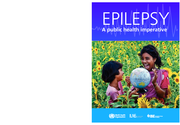
Epilepsy: a public health imperative
recommended
This is the first global report on epilepsy summarizing the available evidence on the burden of epilepsy and the public health response required at global, regional and national levels.
The reports highlights major gaps in awareness, diagnosis, treatment, and health policies through a series of a
...
ppalling numbers. With around 50 million people affected worldwide, epilepsy is one of the most common and serious brain disorders. Nearly 80% of people with epilepsy live in low-income and middle-income countries
more

Pakistan Global Antibiotic Resistance Partnership (GARP) was formed in the wake of international and national efforts for AMR curtailment. A group of experts from microbiology, infectious diseases and veterinary medicine formed a core group at the organizational meet
...
ing of GARP in Kathmandu, Nepal in July 2016. In the meeting, this core group was expanded to include other members from different sectors with the selection of the Chair and co-chairs. These were asked to serve on a voluntary basis, in their own individual capacities, with no personal gains, or gains to the institutions to which they are affiliated. The first phase of GARP took place from 2009 to 2011 and involved four countries: India, Kenya, South Africa and Vietnam. Phase one culminated in the 1st Global Forum on Bacterial Infections, held in October 2011 in New Delhi, India. In 2012, phase two of GARP was initiated with the addition of working groups in Mozambique, Tanzania, Nepal and Uganda. Phase three has added Bangladesh, Lao PDR, Nigeria, Pakistan and Zimbabwe to the network to date.
more

Sudan recorded the first COVID-19 case on 13 March 2020 and, at the beginning of July, the Federal Ministry of Health had confirmed that nearly 10,000 people had contracted the virus, including over 600 who died from the disease across the country. Although more than 70 per cent of the confirmed cas
...
es are in the Khartoum area, COVID-19 has spread throughout the country, with the highest numbers recorded in the central and eastern states. With extremely low testing capacity — around 800 samples per day, the lowest in the region — the official figures of confirmed cases likely underestimate the extent of the pandemic and the actual situation is unknown.
more

This report presents three scenarios on the impact of COVID-19 in Africa using economic growth forecasts, mortality and efforts to ameliorate impact through social grants. Likely effects are examined on per capita income, poverty and the attainment of selected Sustainable Development Goals targets.
...
Africa’s development trajectory has suffered a severe setback, with extreme poverty rising in all the scenarios. The pandemic threatens Africa in several ways, and the report provides policy recommendations to reduce vulnerability and strengthen resilience.
more

As part of our commitment to the fight against NCDs, Nigeria was signatory to the political declaration at the UN General Assembly High Level Meeting on NCDs in September 2011. Thus, the purpose of this document is to develop and ensure the implementation of policies and p
...
rogrammes that will engender and guarantee a healthy lifestyle and quality health for all Nigerians. The core sections include background, scope of the policy, policy goal, strategic thrusts for implementation, programme management and coordination, roles of stakeholders and partnership coordination. It is expected that with the adoption of this policy, the control and prevention of NCDs and their associated risk factors will be well integrated at all levels of government and health care delivery system in Nigeria. This policy document is therefore a stepping stone towards the development of guidelines for the prevention and management of NCDs.
more

The 2020 Report analyzes global health spending for 190 countries from 2000 to 2018 and provides insights as to the health spending trajectory from the MDG era to the SDG era prior to the crisis of 2020. The report shows that global spending on health continually rose between 2000 and 2018 and reach
...
ed US$ 8.3 trillion or 10% of global GDP. The data also show that out-of-pocket spending has remained high in low and lower-middle income countries, representing greater than 40% of total health spending in 2018. We also report and summarize the data on expenditures for PHC, as well as by disease and intervention, including for immunization. The report also analyzes the available data on budget allocation in response to the COVID-19 crisis. In addition, we combine World Bank/IMF projections of the macroeconomic and fiscal impact of the crisis with an analysis of the historical determinants of health spending patterns and UHC indicators, and based on this, we draw out the likely implications of 2020 for future health spending, highlighting key policy and monitoring concerns.
more
