Filter
2245
Text search:
youth
protection
Featured
158
684
Language
2165
67
45
35
27
13
11
9
7
7
5
4
4
4
4
3
3
3
3
3
3
3
3
2
2
2
2
2
2
2
2
2
2
2
2
2
2
2
2
2
2
2
2
1
1
1
1
1
1
1
1
1
1
1
1
1
1
1
1
Document type
1389
392
168
107
97
30
25
22
5
5
4
1
Countries / Regions
93
92
86
67
61
60
54
54
48
47
46
43
42
41
40
40
37
36
35
30
30
27
27
26
25
25
24
22
19
17
16
16
15
15
14
14
13
13
12
12
12
12
11
10
9
9
9
8
8
7
7
7
7
7
7
6
6
5
5
5
5
5
5
5
4
4
4
4
4
4
4
3
3
3
3
3
3
3
3
3
3
2
2
2
2
2
2
2
2
2
2
2
2
2
1
1
1
1
1
1
1
1
1
1
1
1
1
1
1
1
1
1
1
1
1
1
1
1
Authors & Publishers
144
105
90
64
57
54
51
34
29
25
23
23
23
23
22
21
17
16
16
16
16
16
16
12
12
12
11
11
11
11
11
11
11
10
10
10
10
9
9
9
9
9
9
8
8
8
7
7
7
7
7
6
6
6
6
6
6
6
6
6
6
6
6
5
5
5
5
5
5
5
5
5
5
5
5
5
5
5
4
4
4
4
4
4
4
4
4
4
4
4
4
4
4
4
4
4
4
3
3
3
3
3
3
3
3
3
3
3
3
3
3
3
3
3
3
3
3
3
3
3
3
3
3
3
3
3
3
3
3
3
3
3
3
3
3
3
3
3
3
3
3
3
3
3
3
3
3
3
3
3
3
3
3
3
3
2
2
2
2
2
2
2
2
2
2
2
2
2
2
2
2
2
2
2
2
2
2
2
2
2
2
2
2
2
2
2
2
2
2
2
2
2
2
2
2
2
2
2
2
2
2
2
2
2
2
2
2
2
2
2
2
2
2
2
2
2
2
2
2
2
2
2
2
2
2
2
2
2
2
2
2
2
2
2
2
2
2
2
2
2
2
2
2
2
2
2
2
2
2
2
2
2
2
2
2
2
2
2
2
2
2
2
2
2
2
2
2
2
2
2
2
2
2
2
2
2
2
2
2
2
2
2
2
2
2
2
2
2
2
2
2
2
2
2
2
2
2
2
2
2
2
2
2
2
2
2
2
2
1
1
1
1
1
1
1
1
1
1
1
1
1
1
1
1
1
1
1
1
1
1
1
1
1
1
1
1
1
1
1
1
1
1
1
1
1
1
1
1
1
1
1
1
1
1
1
1
1
1
1
1
1
1
1
1
1
1
1
1
1
1
1
1
1
1
1
1
1
1
1
1
1
1
1
1
1
1
1
1
1
1
1
1
1
1
1
1
1
1
1
1
1
1
1
1
1
1
1
1
1
1
1
1
1
1
1
1
1
1
1
1
1
1
1
1
1
1
1
1
1
1
1
1
1
1
1
1
1
1
1
1
1
1
1
1
1
1
1
1
1
1
1
1
1
1
1
1
1
1
1
1
1
1
1
1
1
1
1
1
1
1
1
1
1
1
1
1
1
1
1
1
1
1
1
1
1
1
1
1
1
1
1
1
1
1
1
1
1
1
1
1
1
1
1
1
1
1
1
1
1
1
1
1
1
1
1
1
1
1
1
1
1
1
1
1
1
1
1
1
1
1
1
1
1
1
1
1
1
1
1
1
1
1
1
1
1
1
1
1
1
1
1
1
1
1
1
1
1
1
1
1
1
1
1
1
1
1
1
1
1
1
1
1
1
1
1
1
1
1
1
1
1
1
1
1
1
1
1
1
1
1
1
1
1
1
1
1
1
1
1
1
1
1
1
1
1
1
1
1
1
1
1
1
1
1
1
1
1
1
1
1
1
1
1
1
1
1
1
1
1
1
1
1
1
1
1
1
1
1
1
1
1
1
1
1
1
1
1
1
1
1
1
1
1
1
1
1
1
1
1
1
1
1
1
1
1
1
1
1
1
1
1
1
1
1
1
1
1
1
1
1
1
1
1
1
1
1
1
1
1
1
1
1
1
1
1
1
1
1
1
1
1
1
1
1
1
1
1
1
1
1
1
1
1
1
1
1
1
1
1
1
1
1
1
1
1
1
1
1
1
1
1
1
1
1
1
1
1
1
1
1
1
1
1
1
1
1
1
1
1
1
1
1
1
1
1
1
1
1
1
1
1
1
1
1
1
1
1
1
1
1
1
1
1
1
1
1
1
1
1
1
1
1
1
1
1
1
1
1
1
1
1
1
1
1
1
1
1
1
1
1
1
1
1
1
1
1
1
1
1
1
1
1
1
1
1
1
1
1
1
1
1
1
1
1
1
1
1
1
1
1
1
1
1
1
1
1
1
1
1
1
1
1
1
1
1
1
1
1
1
1
1
1
1
1
1
1
1
1
1
1
1
1
1
1
1
1
1
1
1
1
1
1
1
1
1
1
1
1
1
1
1
1
1
1
1
1
1
1
1
1
1
1
1
1
1
1
1
1
1
1
1
1
1
1
1
1
1
1
1
1
1
1
1
1
1
1
1
1
1
1
1
1
1
1
1
1
1
1
1
1
1
1
1
1
1
1
1
1
1
1
1
1
1
1
1
1
1
1
1
1
1
1
1
1
1
1
1
1
1
1
1
1
1
1
1
1
1
1
1
1
1
1
1
1
1
1
1
1
1
1
1
1
1
1
1
1
1
1
1
1
1
1
1
1
1
1
1
1
1
1
1
1
1
1
1
1
1
1
1
1
1
1
1
1
1
1
1
1
1
1
1
1
1
1
1
1
1
1
1
1
1
1
1
1
1
1
1
1
1
1
1
1
1
1
1
1
1
1
1
1
1
1
1
1
1
1
1
1
1
1
1
1
1
1
1
1
1
1
1
1
1
1
1
1
1
1
1
1
1
1
1
1
1
1
1
1
1
1
1
1
1
1
1
1
1
1
1
1
1
1
1
1
1
1
1
1
1
1
1
1
1
1
1
1
1
1
1
1
1
1
1
1
1
1
1
1
1
1
1
1
1
1
1
1
1
1
1
1
1
1
1
1
1
1
1
1
1
1
1
1
1
1
1
1
1
1
1
1
1
1
1
1
1
1
1
1
1
1
1
1
1
1
1
1
1
1
1
1
1
1
1
1
1
1
1
1
1
1
1
1
1
1
1
1
1
1
1
1
1
1
1
1
1
1
1
1
1
1
1
1
1
1
1
1
1
1
1
1
1
1
1
1
1
1
1
1
1
1
1
1
1
1
1
1
1
1
1
1
1
1
1
1
1
1
1
1
1
1
1
1
1
1
1
1
1
1
1
1
1
1
1
1
1
1
1
1
1
1
1
1
1
1
1
1
1
1
1
1
1
1
1
1
1
1
1
1
1
1
1
1
1
1
1
1
1
1
1
1
1
1
1
1
1
1
1
1
1
1
1
1
1
1
1
1
1
1
1
1
1
1
1
1
1
1
1
1
1
1
1
1
1
1
1
1
1
1
1
1
1
1
1
1
1
1
1
1
1
1
1
1
1
1
1
1
1
1
1
1
1
1
1
1
1
1
1
1
1
1
1
1
1
1
1
1
1
1
1
1
1
1
1
1
1
1
1
1
1
1
1
1
1
1
1
1
1
1
1
1
1
1
1
1
1
1
1
1
1
1
1
1
1
1
1
1
1
1
1
1
1
1
1
1
1
1
1
1
1
1
1
1
1
1
1
1
1
1
1
1
1
1
1
1
1
1
1
1
1
1
1
1
1
1
1
1
1
1
1
1
1
1
1
1
1
1
1
1
1
1
1
1
1
1
1
1
1
1
1
1
1
1
1
1
1
1
1
1
1
1
1
1
1
1
1
1
1
1
1
1
1
1
1
1
1
1
1
1
1
1
1
1
1
1
1
1
1
1
1
1
1
1
1
1
1
1
1
1
1
1
1
1
1
1
1
1
1
1
1
1
1
1
1
1
1
1
1
1
1
1
1
1
1
1
1
1
1
1
1
1
1
1
1
1
1
1
1
1
1
1
1
1
1
1
1
1
1
1
1
1
1
1
1
1
1
1
1
1
1
1
1
1
1
1
1
1
1
1
1
1
1
1
1
1
1
1
1
1
1
1
1
1
1
1
1
1
1
1
1
1
1
1
1
1
1
1
1
1
1
1
1
1
1
1
1
1
1
1
1
1
1
1
1
1
1
1
1
1
1
1
1
1
1
1
1
1
1
1
1
1
1
1
1
1
1
1
1
1
1
1
1
1
1
1
1
1
1
1
1
1
1
1
1
1
1
1
1
1
1
1
1
1
1
1
1
1
1
1
1
1
1
1
1
1
1
1
1
1
1
1
1
1
1
1
1
1
1
1
1
1
1
1
1
1
1
1
1
1
1
1
1
1
1
1
1
1
1
1
1
1
1
1
1
1
1
1
1
1
1
1
1
1
1
1
1
1
1
1
1
1
1
1
1
1
1
1
1
1
1
1
1
1
1
1
1
1
1
1
1
1
1
1
1
1
1
1
1
1
1
1
1
1
1
1
1
1
1
1
1
1
1
1
1
1
1
1
1
1
1
1
1
1
1
1
1
1
1
1
1
1
1
1
1
1
1
1
1
1
1
1
1
1
1
1
1
1
1
1
1
1
1
1
1
1
1
1
1
1
1
1
1
1
1
1
1
1
1
1
1
1
1
1
1
1
1
1
1
1
1
1
1
1
1
1
1
1
Publication Years
625
1432
181
7
Category
1008
159
118
88
39
36
2
Toolboxes
255
192
172
164
121
98
78
68
39
39
31
22
17
17
10
10
9
9
6
6
6
3
2
2
2
1
1
The 2019 Humanitarian Response Plan (HRP) sets out the framework within which the humanitarian community will respond to the large-scale humanitarian and protection needs in Syria throughout 2019, on the basis of the prioritization undertaken across
...
and within sectors. The HRP, based on United Nations’ assessments and analysis, also presents urgent funding requirements to address these needs. It is anchored by three strategic objectives: saving lives and alleviating suffering, enhancing protection, and increasing resilience. These objectives are interlinked and achieving positive outcomes for affected people requires concerted action across all three.
more
Updated: 27 December 2013
Basic Indicators | Nutrition | Health | HIV/AIDS | Education | Demographic Indicators | Economic Indicators | Women | Child Protection | The Rate Of Progress | Adolescents | Disparities By Residence | Disparities By Hous
...
ehold Wealth | Early Childhood Development
more
Singing to the Lions is a free training package (facilitator’s guide, supplement and video) by CRS, that is designed to help children and youth lessen the impact of violence and abuse in their lives. The main component is a three-day workshop wher
...
e participants learn skills that can help them transform their lives and no longer feel dominated by fear. Although the workshop is aimed at young people and includes games, art and songs, it can also be used to help adults take action on aspects of their lives that cause fear and, in so doing, become better parents and caregivers.
Singing to the Lions is available in English, French and Spanish, with Arabic and Hindi in process. See the links below. It can be easily adapted to different cultures, with different pictures and metaphors (e.g., “Singing to the Wolves” in Arabic; “Charming the Snakes” in Hindi.)
more
Our goal at Voices for Georgia’s Children is to help decision-makers craft and implement policies that ensure Georgia’s children grow up to be healthy, educated and productive citizens. To that end, we have developed a comprehensive policy agenda focused on early childhood, child health and disc
...
onnected youth, which, if followed, can effectively prevent and offset some of the damaging experiences faced by our children. Many of our recommendations are aligned with those included in this policy brief.
more
This study primarily aims to understand how children living in areas of civil strife are denied their basic rights, especially the right to education and protection. For this study, eight districts affected by civil strife across the three states (C
...
hhattisgarh: Dantewada, Bijapur, Bastar and Narayanpur, Odisha: Gajapati and Kandhamal and Jharkhand: Khunti and Lohardagga) were chosen to understand the landscape of violence and the state of basic services such as education and protection. This study has attempts to explore the impact of long-term violence on children’s lives and learning.
more
he refugee flow to Ethiopia continued during 2018, with 36,1351 persons seeking safety and protection within the country’s borders. At the start of 2019, the nation hosted 905,8312 thousand refugees who were forced to flee their homes as a result
...
of insecurity, political instability, military conscription, conflict, famine and other problems in their countries of origin. Ethiopia is one of the largest refugee asylum countries world-wide, and the second largest in Africa, reflecting the ongoing fragility and conflict in the region. Ethiopia provides protection to refugees from some 26 countries. Among the principal factors leading to this situation are predominantly the conflict in South Sudan, the prevailing political environment in Eritrea, together with conflict and draught in Somalia.
more
The current COVID-19 epidemic, like other infectious disease outbreak
previously, imposes to Child Protection actors to work and deliver services with
great creativity and flexibility, especially in those areas of interventions
traditionally rely
...
ing on group-gathering (i.e. Child Friendly Spaces) and face-toface
interactions.
more
COVID-19 emergency response: Risk communication and community engagement in the Americas
recommended
Since March, the COVID-19 pandemic has impacted operations and required a different approach to communication with communities.
UNHCR communication channels have been rapidly enhanced and enlarged to ensure the continued provision of vital health and prot
...
ection information.
more
he central Sahel region—Burkina Faso, Mali and Niger—is facing a severe humanitarian and protection crisis.
Massive displacement, most of it driven by intense and largely indiscriminate violence perpetrated by a range of armed actors against ci
...
vilian populations, is taking place across the region. While internal displacement is on the rise substantial numbers of refugees have fled to neighboring countries, and the situation risks spilling over into the coastal countries of Benin, Côte d'Ivoire, Ghana, and Togo.
This context is exacerbated by the COVID-19 pandemic, which is already affecting areas hosting refugees and IDPs
more
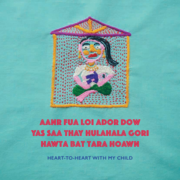
One booklet is called "Heart-to-Heart with My Child." Published for Rohingya adults and children, it conveys key child protection messages in accessible terms in both Rohingya and in English. The messages are illustrated with embroideries made by Ro
...
hingya female artists, engaged with IOM's Rohingya Cultural Memory Centre (RCMC).
During focus group discussions and one-on-one interviews with IOM's protection team, refugees often share stories of harassment and physical abuse. The team encountered several protection risks in the camps, which the staff has been gradually mitigating.
more
An evidence-informed approach for non-formal, out-of-school CSE programmes that aims to reach young people from left-behind populations
This guidance is intended to assist anyone designing and/or implementing CSE in out-of-school settings, especially in low- and middle-income countries. This includ
...

es international and national civil-society organizations, community-based organizations, government departments, UN agencies, health authorities, non-formal education authorities and youth development authorities. It is also intended for anyone else involved in the design, delivery and evaluation of sexuality education programmes out of school, especially those working with the specific groups of young people addressed in the guidance.
more
UNICEF Annual Report 2017 - Burkina Faso
- Healthcare policy for children
- Food insecurity
- Community health strategy
- National child protection system
etc.
The INEE Minimum Standards Handbook is the only global tool that articulates the minimum level of educational quality and access in emergencies through to recovery. The Minimum Standards express a commitment that all individuals—children, youth an
...
d adults—have a right to education. The aim of the Handbook is 1) to enhance the quality of educational preparedness, response and recovery; 2) to increase access to safe and relevant learning opportunities for all learners, regardless of their age, gender or abilities; and 3) to ensure accountability and strong coordination in the provision of education in emergencies through to recovery.
more
These guidelines were developed as part of Kenya's fast-track plan to end AIDS among adolescents and young people. Based on research into adolescent and young key populations in Kenya and elsewhere, they outline a package of HIV prevention services, and emphasize the need to combine biobehavioural i
...
nterventions with services in education, job skills training, mental health, and social care and protection.
more
In the present report, the Special Rapporteur on the sale and sexual exploitation of children, including child prostitution, child pornography and other child sexual abuse material, Mama Fatima Singhateh, focuses on the impact of the coronavirus disease (COVID-19) p
...
andemic on increased risk and various manifestations of sale and sexual exploitation of children. The Special Rapporteur outlines the push and pull factors, protection challenges and good practices, and provides recommendations on measures to address the heightened risks of sale and sexual exploitation of children, both online and offline, during and in the aftermath of the COVID-19 crisis and the ensuing lockdowns.
more
Travailler avec les dirigeants communautaires pour lutter contre la VBG est une très bonne et prometteuse approche, car les dirigeants communautaires sont les gardiens de toutes nos croyances et coutumes. Étant donné que la VBG est enracinée dans les croyances et les coutumes, essayer de s
...
attaquer à la VBG sans impliquer les dirigeants communautaires peut mener à un grand conflit, et vous n’aurez aucun résultat. Les dirigeants communautaires ont également des rôles à jouer dans la réponse aux survivantes de la VBG. Les survivantes s’adressent aux chefs de villages pour faire part de leurs préoccupations et de leurs expériences, et les dirigeants ont des pratiques pour traiter les préoccupations et une approche de la justice qui se base d’abord sur le maintien de la cohésion sociale, mais la VBG ne peut pas être résolue comme n’importe quel autre conflit. D’après mon expérience des programmes de VBG dans mon propre pays et ailleurs, j’ai appris qu’il est plus difficile d’impliquer les dirigeants communautaires dans certains endroits que dans d’autres. Parfois, les aspects religieux rendent les choses plus difficiles. Mais si vous demandez à n’importe quel dirigeant de décrire ce qu’est un dirigeant, ce qu’un dirigeant fait, il parlera de la protection de la communauté. Et c’est aussi ce que nous voulons — protéger les femmes et les filles dans la communauté.
more
In 2022, Namibia had an estimated population of 2.6 million people, where 51 per cent per cent are females and 52.5 per cent of households in urban areas, with fast-growing urban informal settlements which lack access to basic services. Namibia has a young population; 42 per cent are children (0-17
...

years), 13 per cent are under-five, per cent and 19 per cent are aged 15 to 24 years. With the right investment on children and youth, this represents an opportunity for a demographic dividend.
more
The Global status report on violence prevention 2014, which reflects data from 133 countries, is the first report of its kind to assess national efforts to address interpersonal violence, namely child maltreatment, youth violence, intimate partner a
...
nd sexual violence, and elder abuse. Jointly published by WHO, the United Nations Development Programme, and the United Nations Office on Drugs and Crime, the report reviews the current status of violence prevention efforts in countries, and calls for a scaling up of violence prevention programmes; stronger legislation and enforcement of laws relevant for violence prevention; and enhanced services for victims of violence.
You can download summaries in different languages, single chapters and graphics
more
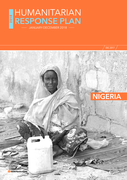
Now entering its ninth year, the crisis in north-east Nigeria has created vulnerabilities and humanitarian concerns. An estimated 7.7 million men, women, boys and girls are in acute need of protection and assistance. While the humanitarian community
...
has provided life-saving assistance to over 5.6 million affected people in 2017 and helped stabilise living conditions for millions of people, reducing mortality and morbidity, significant humanitarian needs still remain.
The Humanitarian Response Plan at a glance:
STRATEGIC OBJECTIVE 1
Provide life-saving emergency assistance to the most vulnerable people in conflict-affected areas ensuring that assistance is timely and appropriate and meets relevant technical standards.
STRATEGIC OBJECTIVE 2
Ensure that all assistance promotes the protection, safety and dignity of affected people, and is provided equitably to women, girls, men and boys.
STRATEGIC OBJECTIVE 3
Foster resilience and early recovery, and strengthen the humanitarian development nexus by working towards collective outcomes.
more
This report presents data and outlines best practices and policies that can put governments on the path to providing every child with the best start in life. It outlines the neuroscience of early childhood development (ECD), including the importance of nutrition,
...
protection and stimulation in the early years. And it makes the case for scaling up investment, evaluation and monitoring in ECD programmes. The report concludes with a six-point call to action for governments and their partners to help maximize the potential of the children who will build the future – by making the most of the unparalleled opportunities offered by the early moments in life.
more