
Filter
4880
Text search:
emergency
care
training
Featured
519
1406
Language
4738
111
71
63
60
33
24
23
12
9
9
6
6
6
6
5
5
5
5
4
4
4
4
4
4
4
4
4
4
4
4
3
3
3
3
3
3
3
3
3
3
3
2
2
2
2
2
2
2
2
2
2
2
2
2
1
1
1
1
1
1
1
1
1
1
1
Document type
2584
728
679
362
259
116
62
59
11
11
3
2
2
1
Countries
214
195
148
144
131
125
116
104
101
97
97
95
83
82
73
71
68
62
62
59
55
53
47
46
42
42
39
38
34
32
31
31
30
29
27
27
24
24
23
21
19
18
18
18
17
17
16
16
14
14
13
13
12
12
12
11
11
11
11
11
11
10
10
10
9
9
9
8
7
6
5
5
5
5
4
4
4
4
4
4
4
4
3
3
3
3
3
3
3
3
3
3
3
3
3
3
3
3
3
2
2
2
2
2
2
2
2
2
2
2
2
2
2
2
1
1
1
1
1
1
1
1
1
1
1
1
1
1
1
1
1
1
1
1
1
1
1
1
1
1
Authors & Publishers
675
201
148
116
110
106
102
100
52
44
41
30
30
27
26
26
26
26
25
23
22
22
21
21
20
20
20
18
18
18
18
18
18
17
17
17
17
16
16
15
15
15
15
15
14
13
13
13
12
12
12
12
12
11
11
11
11
11
11
10
10
10
10
10
10
10
10
10
9
9
9
9
9
9
9
9
9
9
9
9
8
8
8
8
8
8
8
8
8
8
8
8
8
8
7
7
7
7
7
7
7
7
7
7
7
7
7
7
6
6
6
6
6
6
6
6
6
6
6
6
6
6
6
6
6
6
6
5
5
5
5
5
5
5
5
5
5
5
5
5
5
5
5
5
5
5
5
5
5
5
5
5
5
5
5
5
5
5
5
5
4
4
4
4
4
4
4
4
4
4
4
4
4
4
4
4
4
4
4
4
4
4
4
4
4
4
4
4
4
4
4
4
4
4
4
4
4
4
4
4
4
4
4
4
4
4
4
4
4
4
4
4
4
4
4
3
3
3
3
3
3
3
3
3
3
3
3
3
3
3
3
3
3
3
3
3
3
3
3
3
3
3
3
3
3
3
3
3
3
3
3
3
3
3
3
3
3
3
3
3
3
3
3
3
3
3
3
3
3
3
3
3
3
3
3
3
3
3
3
3
3
3
3
3
3
3
3
3
3
3
3
3
3
3
3
3
3
3
3
3
3
3
3
3
3
3
3
3
2
2
2
2
2
2
2
2
2
2
2
2
2
2
2
2
2
2
2
2
2
2
2
2
2
2
2
2
2
2
2
2
2
2
2
2
2
2
2
2
2
2
2
2
2
2
2
2
2
2
2
2
2
2
2
2
2
2
2
2
2
2
2
2
2
2
2
2
2
2
2
2
2
2
2
2
2
2
2
2
2
2
2
2
2
2
2
2
2
2
2
2
2
2
2
2
2
2
2
2
2
2
2
2
2
2
2
2
2
2
2
2
2
2
2
2
2
2
2
2
2
2
2
2
2
2
2
2
2
2
2
2
2
2
2
2
2
2
2
2
2
2
2
2
2
2
2
2
2
2
2
2
2
2
2
2
2
2
2
2
2
2
2
2
2
2
2
2
2
2
2
2
2
2
2
2
2
2
2
2
2
2
2
2
2
2
2
2
2
2
2
2
2
2
2
2
2
2
2
2
2
2
2
2
2
2
2
2
2
2
2
2
2
2
2
2
2
2
2
2
2
2
2
2
2
2
2
2
2
2
2
2
2
2
2
2
2
2
2
2
2
2
2
2
2
2
2
2
2
2
2
2
2
2
2
2
2
1
1
1
1
1
1
1
1
1
1
1
1
1
1
1
1
1
1
1
1
1
1
1
1
1
1
1
1
1
1
1
1
1
1
1
1
1
1
1
1
1
1
1
1
1
1
1
1
1
1
1
1
1
1
1
1
1
1
1
1
1
1
1
1
1
1
1
1
1
1
1
1
1
1
1
1
1
1
1
1
1
1
1
1
1
1
1
1
1
1
1
1
1
1
1
1
1
1
1
1
1
1
1
1
1
1
1
1
1
1
1
1
1
1
1
1
1
1
1
1
1
1
1
1
1
1
1
1
1
1
1
1
1
1
1
1
1
1
1
1
1
1
1
1
1
1
1
1
1
1
1
1
1
1
1
1
1
1
1
1
1
1
1
1
1
1
1
1
1
1
1
1
1
1
1
1
1
1
1
1
1
1
1
1
1
1
1
1
1
1
1
1
1
1
1
1
1
1
1
1
1
1
1
1
1
1
1
1
1
1
1
1
1
1
1
1
1
1
1
1
1
1
1
1
1
1
1
1
1
1
1
1
1
1
1
1
1
1
1
1
1
1
1
1
1
1
1
1
1
1
1
1
1
1
1
1
1
1
1
1
1
1
1
1
1
1
1
1
1
1
1
1
1
1
1
1
1
1
1
1
1
1
1
1
1
1
1
1
1
1
1
1
1
1
1
1
1
1
1
1
1
1
1
1
1
1
1
1
1
1
1
1
1
1
1
1
1
1
1
1
1
1
1
1
1
1
1
1
1
1
1
1
1
1
1
1
1
1
1
1
1
1
1
1
1
1
1
1
1
1
1
1
1
1
1
1
1
1
1
1
1
1
1
1
1
1
1
1
1
1
1
1
1
1
1
1
1
1
1
1
1
1
1
1
1
1
1
1
1
1
1
1
1
1
1
1
1
1
1
1
1
1
1
1
1
1
1
1
1
1
1
1
1
1
1
1
1
1
1
1
1
1
1
1
1
1
1
1
1
1
1
1
1
1
1
1
1
1
1
1
1
1
1
1
1
1
1
1
1
1
1
1
1
1
1
1
1
1
1
1
1
1
1
1
1
1
1
1
1
1
1
1
1
1
1
1
1
1
1
1
1
1
1
1
1
1
1
1
1
1
1
1
1
1
1
1
1
1
1
1
1
1
1
1
1
1
1
1
1
1
1
1
1
1
1
1
1
1
1
1
1
1
1
1
1
1
1
1
1
1
1
1
1
1
1
1
1
1
1
1
1
1
1
1
1
1
1
1
1
1
1
1
1
1
1
1
1
1
1
1
1
1
1
1
1
1
1
1
1
1
1
1
1
1
1
1
1
1
1
1
1
1
1
1
1
1
1
1
1
1
1
1
1
1
1
1
1
1
1
1
1
1
1
1
1
1
1
1
1
1
1
1
1
1
1
1
1
1
1
1
1
1
1
1
1
1
1
1
1
1
1
1
1
1
1
1
1
1
1
1
1
1
1
1
1
1
1
1
1
1
1
1
1
1
1
1
1
1
1
1
1
1
1
1
1
1
1
1
1
1
1
1
1
1
1
1
1
1
1
1
1
1
1
1
1
1
1
1
1
1
1
1
1
1
1
1
1
1
1
1
1
1
1
1
1
1
1
1
1
1
1
1
1
1
1
1
1
1
1
1
1
1
1
1
1
1
1
1
1
1
1
1
1
1
1
1
1
1
1
1
1
1
1
1
1
1
1
1
1
1
1
1
1
1
1
1
1
1
1
1
1
1
1
1
1
1
1
1
1
1
1
1
1
1
1
1
1
1
1
1
1
1
1
1
1
1
1
1
1
1
1
1
1
1
1
1
1
1
1
1
1
1
1
1
1
1
1
1
1
1
1
1
1
1
1
1
1
1
1
1
1
1
1
1
1
1
1
1
1
1
1
1
1
1
1
1
1
1
1
1
1
1
1
1
1
1
1
1
1
1
1
1
1
1
1
1
1
1
1
1
1
1
1
1
1
1
1
1
1
1
1
1
1
1
1
1
1
1
1
1
1
1
1
1
1
1
1
1
1
1
1
1
1
1
1
1
1
1
1
1
1
1
1
1
1
1
1
1
1
1
1
1
1
1
1
1
1
1
1
1
1
1
1
1
1
1
1
1
1
1
1
1
1
1
1
1
1
1
1
1
1
1
1
1
1
1
1
1
1
1
1
1
1
1
1
1
1
1
1
1
1
1
1
1
1
1
1
1
1
1
1
1
1
1
1
1
1
1
1
1
1
1
1
1
1
1
1
1
1
1
1
1
1
1
1
1
1
1
1
1
1
1
1
1
1
1
1
1
1
1
1
1
1
1
1
1
1
1
1
1
1
1
1
1
1
1
1
1
1
1
1
1
1
1
1
1
1
1
1
1
1
1
1
1
1
1
1
1
1
1
1
1
1
1
1
1
1
1
1
1
1
1
1
1
1
1
1
1
1
1
1
1
1
1
1
1
1
1
1
1
1
1
1
1
1
1
1
1
1
1
1
1
1
1
1
1
1
1
1
1
1
1
1
1
1
1
1
1
1
1
1
1
1
1
1
1
1
1
1
1
1
1
1
1
1
1
1
1
1
1
1
1
1
1
1
1
1
1
1
1
1
1
1
1
1
1
1
1
1
1
1
1
1
1
1
1
1
1
1
1
1
1
1
1
1
1
1
1
1
1
1
1
1
1
1
1
1
1
1
1
1
1
1
1
1
1
1
1
1
1
1
1
1
1
1
1
1
1
1
1
1
1
1
1
1
1
1
1
1
1
1
1
1
1
1
1
1
1
1
1
1
1
1
1
1
1
1
1
1
1
1
1
1
1
1
1
1
1
1
1
1
1
1
1
1
1
1
1
1
1
1
1
1
1
1
1
1
1
1
1
1
1
1
1
1
1
1
1
1
1
1
1
1
1
1
1
1
1
1
1
1
1
1
1
1
1
1
1
1
1
1
1
1
1
1
1
1
1
1
1
1
1
1
1
1
1
1
1
1
1
1
1
1
1
1
1
1
1
1
1
1
1
1
1
1
1
1
1
1
1
1
1
1
1
1
1
1
1
1
1
1
1
1
1
1
1
1
1
1
1
1
1
1
1
1
1
1
1
1
1
1
1
1
1
1
1
1
1
1
1
1
1
1
1
1
1
1
1
1
1
1
1
1
1
1
1
1
1
1
1
1
1
1
1
1
1
1
1
1
1
1
1
1
1
1
1
1
1
1
1
1
1
1
1
1
1
1
1
1
1
1
1
1
1
1
1
1
1
1
1
1
1
1
1
1
1
1
1
1
1
1
1
1
1
1
1
1
1
1
1
1
1
1
1
1
1
1
1
1
1
1
1
1
1
1
1
1
1
1
1
1
1
1
1
1
1
1
1
1
1
1
1
1
1
1
1
1
1
1
1
1
1
1
1
1
1
1
1
1
1
1
1
1
1
1
1
1
1
1
1
1
1
1
1
1
1
1
1
1
1
1
1
1
1
1
1
1
1
1
1
1
1
1
1
1
1
1
1
1
1
1
1
1
1
1
1
1
1
1
1
1
1
1
1
1
1
1
1
1
1
1
1
1
1
1
1
1
1
1
1
1
1
1
1
1
1
1
1
1
1
1
1
1
1
1
1
1
1
1
1
1
1
1
1
1
1
1
1
1
1
1
1
1
1
1
1
1
1
1
1
1
1
1
1
1
1
1
1
1
1
1
1
1
1
1
1
1
1
1
1
1
1
1
1
1
1
1
1
1
1
1
1
1
1
1
1
1
1
1
1
1
1
1
1
1
1
1
1
1
1
1
1
1
1
1
1
1
1
1
1
1
1
1
1
1
1
1
1
1
1
1
1
1
1
1
1
1
1
1
1
1
1
1
1
1
1
1
1
1
1
1
1
1
1
1
1
1
1
1
1
1
1
1
1
1
1
1
1
1
1
1
1
1
1
1
1
1
1
1
1
1
1
1
1
1
1
1
1
1
1
1
1
1
1
1
1
1
1
1
1
1
1
1
1
1
1
1
1
1
1
1
1
1
1
1
1
1
1
1
1
1
1
1
1
1
1
1
1
1
1
1
1
1
1
1
1
1
1
1
1
1
1
1
1
1
1
1
1
1
1
1
1
1
1
1
1
1
1
1
1
1
1
1
1
1
1
1
1
1
1
1
1
1
1
1
1
1
1
1
1
1
1
1
1
1
1
1
1
1
1
1
1
1
1
1
1
1
1
1
1
1
1
1
1
1
1
1
1
1
1
1
1
1
1
1
1
1
1
1
1
1
1
1
1
1
1
1
1
1
1
1
1
1
1
1
1
1
1
1
1
1
1
1
1
1
1
1
1
1
1
1
1
1
1
1
1
1
1
1
1
1
1
1
1
1
1
1
1
1
1
1
1
1
1
1
1
1
1
1
1
1
1
1
1
1
1
1
1
1
1
1
1
1
1
1
1
1
1
1
1
1
1
1
1
1
1
1
1
1
1
1
1
1
1
1
1
1
1
1
1
1
1
1
1
1
1
1
1
1
1
1
1
1
1
1
1
1
1
1
1
1
1
1
1
1
1
1
1
1
1
1
1
1
1
1
1
1
1
1
1
1
1
1
1
1
1
1
1
1
1
1
1
1
1
1
1
1
1
1
1
1
1
1
1
1
1
1
1
1
1
1
1
1
1
1
1
1
1
1
1
1
1
1
1
1
1
1
1
1
1
1
1
1
1
1
1
1
1
1
1
1
1
1
1
1
1
1
1
1
1
1
1
1
1
1
1
1
1
1
1
1
1
1
1
1
1
1
1
1
1
1
1
1
1
1
1
1
1
1
1
1
1
1
1
1
1
1
1
1
1
1
1
1
1
1
1
1
1
1
1
1
1
1
1
1
1
1
1
1
1
1
1
1
1
1
1
1
1
1
1
1
1
1
1
1
1
1
1
1
1
1
1
1
1
1
1
1
1
1
1
1
1
1
1
1
1
1
1
1
1
1
1
1
1
1
1
1
1
1
1
1
1
1
1
1
1
1
1
1
1
1
1
1
1
1
1
1
1
1
1
1
1
1
1
1
1
1
1
1
1
1
1
1
1
1
1
1
1
1
1
1
1
1
1
1
1
1
1
1
1
1
1
1
1
1
1
1
1
1
1
1
1
1
1
1
1
1
1
1
1
1
1
1
1
1
1
1
1
1
1
1
1
1
1
1
1
1
1
1
1
1
1
1
1
1
1
1
1
1
1
1
1
1
1
1
1
1
1
1
1
1
1
1
1
1
1
1
1
1
1
1
1
1
1
1
1
1
1
1
1
1
1
1
1
1
1
1
1
1
1
1
1
1
1
1
1
1
1
1
1
1
1
1
1
1
1
1
1
1
1
1
1
1
1
1
1
1
1
1
1
1
1
1
1
1
1
1
1
1
1
1
1
1
1
1
1
1
1
1
1
1
1
1
1
1
1
1
1
1
1
1
1
1
1
1
1
1
1
1
1
1
1
1
1
1
1
1
1
1
1
1
1
1
1
1
1
1
1
1
1
1
1
1
1
1
1
1
1
1
1
1
1
1
1
1
1
1
1
1
1
1
1
1
1
1
1
1
1
1
1
1
1
1
1
1
1
1
1
1
1
1
1
1
1
1
1
1
1
1
1
1
1
1
1
1
1
1
1
1
1
1
1
1
1
1
1
1
1
1
1
1
1
1
1
1
1
1
1
1
1
1
1
1
1
1
1
1
1
1
1
1
1
1
1
1
1
1
1
1
1
1
1
1
1
1
1
1
1
1
1
1
1
1
1
1
1
1
1
1
1
1
1
1
1
1
1
1
1
1
1
1
1
1
1
1
1
1
1
1
1
1
1
1
1
1
1
1
1
1
1
1
1
1
1
1
1
1
1
1
1
1
1
1
1
1
1
1
1
1
1
1
1
1
1
1
1
1
1
1
1
1
1
1
1
1
1
1
1
1
1
1
1
1
1
1
1
1
1
1
1
1
1
1
1
1
1
1
1
1
1
1
1
1
1
1
1
1
1
1
1
1
1
1
1
1
1
1
1
1
1
1
1
1
1
1
1
1
1
1
1
1
1
1
1
1
1
1
1
1
1
1
1
1
1
1
1
1
1
1
1
1
1
1
1
1
1
1
1
1
1
1
1
1
1
1
1
1
1
1
1
1
1
1
1
1
1
1
1
1
1
1
1
1
1
1
1
1
1
1
1
1
1
1
1
1
1
1
1
1
1
1
1
1
1
1
1
1
1
1
1
1
1
1
1
1
1
1
1
1
1
1
1
1
1
1
1
1
1
1
1
1
1
1
1
1
1
1
1
1
1
1
1
1
1
1
1
1
1
1
1
1
1
1
1
1
1
1
1
1
1
1
1
1
1
1
1
1
1
1
1
1
1
1
1
1
1
1
1
1
1
1
1
1
1
1
1
1
1
1
1
1
1
1
1
1
1
1
1
1
1
1
1
1
1
1
1
1
1
1
1
1
1
1
1
1
1
1
1
1
1
1
1
1
1
1
1
1
1
1
1
1
1
1
1
1
1
1
1
1
1
1
1
1
1
1
1
1
1
1
1
1
1
1
1
1
1
1
1
1
1
1
1
1
1
1
1
1
1
1
1
1
1
1
1
Publication Years
1506
2852
493
28
1
Category
1955
431
368
310
253
149
46
1
Toolboxes
492
397
236
212
180
148
143
131
128
127
125
109
93
82
74
72
68
54
49
49
39
38
36
27
10
3
2

National Strategic Plan for Malaria Elimination in Bangladesh: 2021-2025
National Malaria Elimination Programme - Directorate General of Health Services
Ministry of Health & Family Welfare - Government of Bangladesh
(2021)
C2
The National Strategic Plan for Malaria Elimination 2021–2025 outlines Bangladesh’s roadmap to achieve zero indigenous malaria cases by 2030, with an interim goal to reduce transmission to near-zero levels by 2025. The strategy builds upon earlier successes in malaria control and shifts focus to
...
ward elimination in both high- and low-endemic areas.
The plan emphasizes five core objectives: ensuring universal access to quality malaria prevention and treatment services, strengthening surveillance and case detection systems, improving vector control through long-lasting insecticidal nets (LLINs) and indoor residual spraying (IRS), building community engagement, and enhancing program governance and accountability.
High-priority districts, especially in the Chittagong Hill Tracts, are targeted for intensified interventions, including active case detection and tailored outreach to mobile and vulnerable populations. The strategy also calls for robust health systems support, cross-border collaboration, and integration of malaria services into broader primary health care.
This document serves as Bangladesh’s strategic foundation to transition from malaria control to phased elimination, in line with national and global targets.
more
Recovering from the Ebola Crisis
Magdy Martínez-Solimán; Abdoulaye Mar Dieye; Izumi Nakamitsu et al.
United Nations, The World Bank, European Union and African Development Bank
(2015)
Full Report.
In response to a call by the United Nations Secretary-General and the Governments of Guinea, Liberia and Sierra Leone, an international team conducted an Ebola Recovery Assessment. The aim was to contribute towards laying the foundation for short-, medium- and long-term recovery while
...
the medical emergency response continues to tackle the epidemic. This report is a contribution to ongoing efforts by the Governments of Guinea, Liberia and Sierra Leone to design their national Ebola virus disease recovery strategies
more
UNICEF CHILD ALERT May 2018
As part of a UNICEF series highlighting the challenges faced by children in current crisis situations, this Child Alert examines the situation of children affected by violent conflict in Kasai region, Democratic Republic of the Congo. The alert outlines what UNICEF a ... nd its partners have achieved to date in providing humanitarian assistance to children in Kasai affected by malnutrition and lack of access to health care, safe water and education. It calls upon all parties to the conflict – and the international community – to take urgent action protecting the lives and futures of children at risk, before it is too late. more
As part of a UNICEF series highlighting the challenges faced by children in current crisis situations, this Child Alert examines the situation of children affected by violent conflict in Kasai region, Democratic Republic of the Congo. The alert outlines what UNICEF a ... nd its partners have achieved to date in providing humanitarian assistance to children in Kasai affected by malnutrition and lack of access to health care, safe water and education. It calls upon all parties to the conflict – and the international community – to take urgent action protecting the lives and futures of children at risk, before it is too late. more

Updated with information on Ebola virus disease and Middle East respiratory syndrome coronavirus
A wide variety of health events ranging in severity may occur related to air transport, requiring different responses or, perhaps, no response at all. The target audience for this guidance document incl
...
udes the national focal points (NFP) for the IHR and public health authorities at PoE, as well as national aviation regulatory authorities, airport operators and personnel, aircraft operators, air crew and other stakeholders involved in air transport and emergency preparedness and response to public health events
more

An estimated 1.3 billion people globally experience significant disability. This figure has grown over the last decade and will continue to rise due to demographic and epidemiological changes. In 2022, the World Health Organization launched the Global report on health equity for persons with disabil
...
ities. This report demonstrated that many persons with disabilities are still being left behind. Experiencing persistent health inequities, persons with disabilities die earlier, they have poorer health and functioning, and they are more affected by health emergencies than the general population. These differences are largely associated with unjust factors both inside and beyond the health sector and are avoidable. The Global Report called upon Member States to take actions to make health sector more inclusive for persons with disabilities through the primary health care approach. This will be essential for countries to make health coverage truly universal and to progress towards other health-related targets in the sustainable development goals.
more

The report showed commitments made three decades ago to protect the rights of children remain unfulfilled for millions. Violence still affects countless children. Discrimination based on age, gender, disability, sexual orientation and religion harms children worldwide.
Key factors include a lack
...
of investment in critically important services. Most countries fall well short of spending the 5-6% of GDP needed to ensure universal coverage of essential health care. And foreign aid, which many lower income countries rely on, is falling short in areas such as health, education, protection and child care.
Another factor, the report said, is the lack of quality data. Governments tend to rely on data that reflects national averages, making it difficult to identify the needs of specific children and to monitor progress. Comprehensive data collection and disaggregation of data by gender, age, disability and locality, are increasingly important as rights violations disproportionately affect disadvantaged children.
more

Every year, nearly 250 million people move across borders temporarily or permanently for a job opportunity, studying, to flee a crisis back home, or for other reasons. Another 750 million move for similar reasons within the borders of their countries. With the understanding that human mobility affec
...
ts public health, and health affects human mobility and migrants, for decades, IOM has been providing critical health services to women, children and men on the move, while standing by governments for technical and operational support as needed. In 2019, in lower-income settings and in complex emergencies, along the world’s most perilous migration routes, in the aftermath of natural disasters or in response to disease outbreaks, IOM’s health teams have provided hundreds of thousands with primary health-care consultations, mental health and psychosocial support, sexual and reproductive health care, pre-migration health services, and much more.
This year, more than ever before, as the world reels from the socioeconomic impact of COVID-19, we have experienced that health is a cross-cutting component of overall human development and well-being.
more
Programming strategies for Postpartum Family Planning
World Health Organization; USAID; MCHIP
(2013)
This publication is designed to be used by programme planners and managers as a resource when designing interventions to integrate postpartum family planning into national and subnational strategies. Postpartum family planning should not be considered a ‘vertical’ programme, but rather as an int
...
egrated part of existing maternal and child health and family planning efforts. Successful interventions for postpartum family planning require holistic and evidence-based programme strategies that contribute to strengthened health systems and sustained improvements in high-quality services that put people at the centre of health care
more
Bolkan HA, Bash-Taqi DA, Samai M, Gerdin M, von Schreeb J. Ebola and Indirect Effects on Health Service Function in Sierra Leone. PLOS Currents Outbreaks. 2014 Dec 19. Edition 1. doi: 10.1371/currents.outbreaks.0307d588df619f9c9447f8ead5b72b2d.
Inpatient health services have been severely affecte
...
d by the Ebola outbreak. The dramatic documented decline in facility inpatient admissions and major surgery is likely to be an underestimation. Reestablishing such care is urgent and must be a priority.
more
РУКОВОДСТВО ПО ВЕДЕНИЮ НАИБОЛЕЕ РАСПРОСТРАНЕННЫХ БОЛЕЗНЕЙ ДЕТСКОГО ВОЗРАСТА
Второе издание
Данная публикация является вторым изданием Карманного справочника
...
«Оказание стационарной помощи детям», первое издание которого было выпущено Всемирной организацией здравоохранения (ВОЗ) в 2005 году. В справочнике собрана информация из обновленных руководств ВОЗ по ведению распространенных заболеваний детского возраста в стационарах первого уровня в странах с низкой обеспеченностью ресурса- ми. Справочник содержит современные клинические рекомендации, основанные на фактических данных, которые могут быть использованы врачами в их повседневной работе в больницах, где есть возможность проведения элементарных лабораторных исследований и имеются в наличии недорогие лекарственные средства.
Special attention is drawn to the following sections, which are particulary relevant within the COVID-19 context:
Chapter 4: information on cough and difficulty in breathing, pneumonia and bronchiolitis;
Chapter 10: information on essential supportive care including feeding, fluid and oxygen provision;
Annex 1: information on related practical procedures.
more

Integrating Clinical Research into Epidemic Response: The Ebola Experience
Gerald Keusch, Keith McAdam, Patricia Cuff, Michelle Mancher, and Emily R. Busta
National Academies of Sciences, Engineering, and Medicine
(2017)
C1
The 2014–2015 Ebola epidemic in western Africa was the longest and most deadly Ebola epidemic in history, resulting in 28,616 cases and 11,310 deaths in Guinea, Liberia, and Sierra Leone. The Ebola virus has been known since 1976, when two separate outbreaks were identified in the Democratic Repub
...
lic of Congo (then Zaire) and South Sudan (then Sudan). However, because all Ebola outbreaks prior to that in West Africa in 2014–2015 were relatively isolated and of short duration, little was known about how to best manage patients to improve survival, and there were no approved therapeutics or vaccines. When the World Heath Organization declared the 2014-2015 epidemic a public health emergency of international concern in August 2014, several teams began conducting formal clinical trials in the Ebola affected countries during the outbreak.
more
"Achieving, maintaining and improving accuracy, timeliness and reliability are major challenges for health laboratories. Countries worldwide committed themselves to build national capacities for the detection of, and response to, public health events of international concern when they decided to eng
...
age in the International Health Regulations implementation process. Only sound management of quality in health laboratories will enable countries to produce test results that the international community will trust in cases of international emergency. This handbook is intended to provide a comprehensive reference on Laboratory Quality Management System for all stakeholders in health laboratory processes, from management, to administration, to bench-work laboratorians. This handbook covers topics that are essential for quality management of a public health or clinical laboratory. They are based on both ISO 15189 and CLSI GP26-A3 documents"--Page 7.
more
The WHO Cholera Rapid Diagnostic Test (RDT) Target Product Profile outlines the key requirements for developing improved cholera RDTs. It highlights the need for fast, accurate, and easy-to-use tests for early outbreak detection in resource-limited settings. The document sets desired and acceptable
...
performance criteria, including high sensitivity and specificity, rapid results (under 15 minutes), and usability by non-laboratory personnel. The tests should be affordable, stable in extreme conditions, and require minimal training. The goal is to enhance cholera surveillance and outbreak response, ensuring quick containment and improved public health outcomes.
more
Version 2 (unedited). The Basic Needs Analysis (BNA) is a multi-sector needs analysis approach that can be applied in both sudden onset and protracted emergencies. The methodology comprises the Guidance (this document) presenting the conceptual BNA framework and related processes, and a Toolbox, whi
...
ch includes tools, templates, training materials, and examples drawn from its first pilot, in Borno State(Nigeria).
The BNA is conceived to go hand in hand with the Facilitator’s Guide for the Response Options Analysis and Planning (a separate document), as it is part of a broader response planning process (see The BNA within the ). It shall be carried out with other assessments on the operational environment and would not add any value if undertaken in isolation.
more
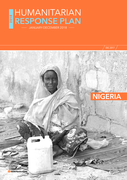
Now entering its ninth year, the crisis in north-east Nigeria has created vulnerabilities and humanitarian concerns. An estimated 7.7 million men, women, boys and girls are in acute need of protection and assistance. While the humanitarian community has provided life-saving assistance to over 5.6 mi
...
llion affected people in 2017 and helped stabilise living conditions for millions of people, reducing mortality and morbidity, significant humanitarian needs still remain.
The Humanitarian Response Plan at a glance:
STRATEGIC OBJECTIVE 1
Provide life-saving emergency assistance to the most vulnerable people in conflict-affected areas ensuring that assistance is timely and appropriate and meets relevant technical standards.
STRATEGIC OBJECTIVE 2
Ensure that all assistance promotes the protection, safety and dignity of affected people, and is provided equitably to women, girls, men and boys.
STRATEGIC OBJECTIVE 3
Foster resilience and early recovery, and strengthen the humanitarian development nexus by working towards collective outcomes.
more
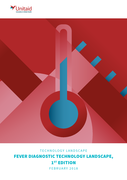
Fever Diagnostic Technology Landscape
recommended
1st edition.
Unitaid’s report describes a slate of new devices that can more efficiently identify dangerously ill children so that they can be treated immediately. These tools make it easier to recognize danger signs, and support integrated approaches to reducing childhood deaths from the three
...
greatest childhood killers: malaria, pneumonia and diarrhoea.
The report also highlights tests that can determine whether or not a child has an illness that can be treated with antibiotics. Viral infections are a common cause of childhood fevers, but cannot be cured with antibiotics. Although many children seeking care at clinics have fever, three-quarters by some estimates, only a small fraction of those have an illness that can be treated with an antimalarial or antibiotic drug
more
This Guide contains information, guidelines, diagrams and other materials addressed to medical practitioners who are engaged in the treatment of casualties of chemical weapons. It is made available to the public for information purposes, but is not intended to be used by the public. All decisions re
...
garding patient care must be made with a healthcare provider and consider the unique characteristics of each patient.
more

The risks of the use of nuclear, radiological, biological or chemical (NRBC) weapons are heterogeneous. Each risk has its own implications for developing and deploying any capacity to assist victims of an NRBC event and, in parallel, for the health and security of the people bringing this assistance
...
. At an international level, there are no plans for assisting the victims of an NRBC event which are both adequate and safe. Recognizing
the realities of the contexts associated with each risk throws up numerous challenges; such recognition is also a prerequisite for addressing these challenges. The realities that have to be considered relate to:
1. developing, acquiring, training for and planning an NRBC response capacity;
2. deploying a response capacity in an NRBC event;
3. the mandates and policies of international organizations pertaining to NRBC events. The challenges that will pose the greatest difficulty for a humanitarian organization are those for which the solutions are ‘non-buyable’ and which involve making extremely difficult decisions. Attempting to assist victims of an NRBC event without a reality-based approach might generate ineffective and unacceptably dangerous situations for those involved.
more
Mounting an effective international humanitarian response to a chemical, biological, radiological or nuclear (CBRN) event, especially if the response is undertaken on an ad hoc basis, would be extremely difficult and would pose many risks to the responders. The International Committee of the Red Cro
...
ss (ICRC) has created a competency-based capacity to respond to at least small-scale CBRN events, including a deployable capability to undertake operational activities. This involves informed assessments of CBRN risks, timely and competent decisions on how to respond, and effectively mobilizing appropriate resources to implement these decisions, through the creation of an emergency roster. In addition to the acquisition of technical expertise and material resources, the creation of such capacity requires the application of central processes, ensuring systematic management of CBRN response (including risk-based decision-making), standing operational procedures, and availability of and access to the necessary resources. Implementation of the ICRC's CBRN response framework as described in this article should be considered by any agency or other stakeholder preparing for international humanitarian assistance in CBRN events – especially if such events are related to armed conflict.
more

Replacement of Annex 2 of WHO Technical Report Series, No. 964
...
care package where snakebites occur. Currently, there is an urgent need to ensure availability of safe, effective and affordable antivenoms, particularly to those in developing countries and to improve the regulatory control over the manufacture, import and sale of antivenoms.>
more
more
