
Filter
1632
Text search:
health
commodities
Featured
140
612
Language
Document type
929
286
168
112
67
24
21
14
7
1
1
Countries
99
81
74
61
59
55
52
45
44
44
42
42
38
37
29
24
24
23
22
21
21
19
17
14
14
14
13
12
12
11
11
11
11
11
9
8
8
8
8
7
7
7
7
6
6
6
6
5
5
5
5
4
4
3
3
3
2
2
2
2
2
2
2
2
2
2
2
2
2
1
1
1
1
1
1
1
1
1
1
1
1
1
1
1
1
1
1
1
1
1
1
1
1
1
1
1
1
1
1
1
1
1
Authors & Publishers
Publication Years
Category
898
110
105
79
64
18
16
Toolboxes
128
79
62
56
53
49
46
44
41
36
33
28
23
22
19
18
15
11
10
7
6
5
4
3
2
1
1
Accessed: 02.04.2020

As information about COVID-19 is rapidly evolving, it can be challenging to navigate and synthesize all of the information. The purpose of this document is to provide a synthesized, indexed reference of accurate, standardized COVID-19 information from trustworthy sources. Information is presented in
...
The Basic Needs and Response Analysis Framework and Toolkit (known as the Framework & Toolkit) is part of the ECHO ERC funded project to increase the uptake of multi-purpose cash grants (MPGs) in emergency responses for more efficient and effective humanitarian action. MPGs are a powerful aid modali
...
Developing countries face disastrous healthcare setbacks, hunger and huge international debt as covid-19’s ‘final wave’

VOX Sanguinis, 2021:
The coronavirus disease 2019 (COVID-19) affected millions of people worldwide and caused disruptions at the global level including in healthcare provision. Countries of the WHO African region have put in place measures for the COVID-19 pandemic containment that may adversely a
...
This new plan has been developed to build on successes made and lessons learnt from implementation of the two initial plans and to provide a short to medium term strategic anchor against which preparedness and response plans to the corona virus disease COVID-19 epidemic in the country should focus o
...
Climate change triggers mounting food insecurity, poverty and displacement in Africa

Joint actions by the Global Fund and UNAIDS are guided by a strong alignment of strategies, goals and targets. UNAIDS has worked with all stakeholders to set a common agenda and targets within the Global AIDS Strategy 2021–2026, and the United Nations General Assembly confirmed this strategy and i
...
IAEA Safety Standards for protecting people and the environment
This Commission report aims to contribute to a new era of multilateral cooperation based on strong UN institutions to reduce the dangers of COVID-19, forestall the next pandemic, and enable the world to achieve the agreed goals of sustainable development, human rights, and peace that governments are
...

Over the 20 years that followed, this unique partnership has invested more than US$53 billion, saving 44 million lives and reducing the combined death rate from the three diseases by more than half in the countries in which the Global Fund invests.

This report shows that increased domestic revenues can and will cover only part of the necessary SDG budget spending of the LIDCs. Achieving the SDGs in the LIDCs will also require increases of both Official Development Assistance (ODA) and Private Development Assistance (PDA) to reach aggregate lev
...

2024 GLOBAL AIDS UPDATE
Thematic briefing note

Core Guidance. Differentiated service delivery is highlighted as a key approach for HIV programmes to enhance implementation quality and efficiency.
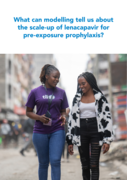
Modelling shows that it will be essential to complement lenacapavir with additional prevention options, testing and treatment. See “Meeting reports” at https://www.unaids.org/en/resources/publications/all for a description of models and tools to estimate potential impact and quantifications requ
...
