
Filter
566
Text search:
World
Health
Organization,
Stop
TB
Partnership
Featured
49
162
Language
Document type
391
65
51
26
22
5
4
1
1
Countries
24
18
18
16
16
14
13
13
12
11
10
9
9
9
9
9
8
7
7
6
6
5
5
5
5
5
4
4
3
3
3
3
3
3
2
2
2
2
2
2
2
2
2
1
1
1
1
1
1
1
1
1
1
1
1
1
1
1
1
1
1
1
1
1
1
1
1
1
1
1
1
1
1
1
Authors & Publishers
Publication Years
Category
212
39
19
10
9
8
2
Toolboxes
245
31
15
14
12
12
10
7
6
6
6
6
5
5
4
3
3
3
2
2
1
1

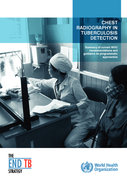
Summary of current WHO recommendations and guidance on programmatic approaches
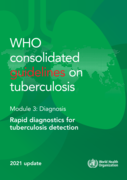
6 July 2021. The “WHO consolidated guidelines on tuberculosis. Module 3: Diagnosis - Rapid diagnostics for tuberculosis detection 2021 update” is the latest document replacing the one issued in 2020. Three new nucleic acid amplification test (NAAT) classes are endorsed by WHO and included in the
...
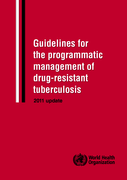
This 2011 update of Guidelines for the programmatic management of drug-resistant tuberculosis is intended as a tool for use by public health professionals working in response
to the Sixty-second World
...
Universal health coverage ensures everyone has access to the health services they need without suffering financial hardship as a result. In December 2012, a UN resolution was passed encouraging gove
...

Mental health is critically important to everyone, everywhere. All over the world, mental health needs are high but responses are insufficient and
...
TB in India 2017
recommended
Revised National TB Control Programme. Annual Status Report

From policy to practice: how the TB-HIV response is working
“The HIV community must place much more focus on TB co-infection than
it has done to date.
...
Progress in diagnosis: Akey in overcoming the MDR-TB crisis.
The expanse-TV project progress and impact brief.
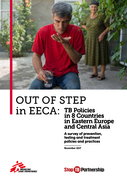
A survey of prevention, testing and treatment policies and practices

The Commission on Macroeconomics and Health (CMH) was established by World Health Organization D
...

It provides insight into WHO’s work that aims to improve the health of the people of the United Republic of Tanzania in collaboration with key stakeholders.

The main objective of these guidelines is to provide guidance on up-to-date, uniform, evidence-informed practices for suspecting, diagnosing and managing various forms of extra-pulmonary tuberculosis (EPTB) at all levels of healthcare delivery. They can then contribute to the National Programme to i
...
