
Filter
1560
Text search:
Disaster
Reduction
Featured
148
507
Language
Document type
880
266
130
121
95
26
17
12
11
2
Countries
102
86
49
39
38
33
32
30
28
25
25
21
20
19
18
18
16
16
15
15
14
14
14
13
12
11
10
9
9
9
8
8
8
8
7
7
7
7
7
6
6
6
6
6
6
6
5
5
4
4
4
4
4
3
3
3
3
3
3
3
3
3
3
2
2
2
2
2
2
2
2
2
2
2
2
2
2
2
1
1
1
1
1
1
1
1
1
1
1
1
1
1
1
1
1
1
1
1
1
1
1
1
1
Authors & Publishers
Publication Years
Category
586
282
75
51
33
30
4
Toolboxes
149
133
100
97
91
85
66
58
47
46
26
20
18
17
14
14
10
10
9
8
7
6
5
5
3
2

The cluster approach is a mechanism that helps to address identified gaps in response and enhance the quality of humanitarian action
Operational Guideline

Specific action sheets offer useful guidance on mental health and psychosocial support and cover the following areas coordination assessment monitoring and evaluation protection and human rights standards human resources community mobilisation and support health services education dissemination of i
...
Training Workshop

This document is for humanitarian health actors working at national and sub-national level in countries facing humanitarian emergencies. It applies to Health Cluster partners, including governmental and non-governmental health service providers.
Based on the IASC Guidelines on Mental Health and Psy
...
SODIS manual - updated version
The SODIS manual contains detailed information about technical and promotional aspects of the SODIS method.
Former version also available in French, Portuguese, Spanish, Uzbek, Russian
This manual is for the beginner/intermediate and advanced EHA courses run by Channel Research on behalf of ALNAP. It is supported by a course specific set of case studies and exercises and by a bibliography of evaluation references

A Review of the IFRC (International Federation of Red Cross and Red Cresent Societies) Secretariat Recovery Shelter Programme in Haiti 2010-2011

Outbreak surveillance in humanitarian emergencies involves rapid detection, data collection, and analysis to identify disease threats, while response focuses on implementing timely control measures to prevent further spread.
This document provides information for WHO Member States, particularly low-income and middle-income countries, to strengthen preparedness and response plans with regard to the social and mental health consequences of biological and chemical attacks.
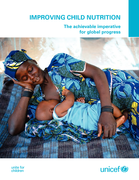
The achievable imperative for global progress

Updated September 2014

Let’s make Disability visible in the fight against HIV

front cover © Hannah Maule-Ffinch/Save the Children

