
Filter
2680
Text search:
Start
Fund
Featured
Recommendations
199
New Publications
813
Language
Document type
No document type
1606
Studies & Reports
476
Guidelines
242
Manuals
129
Strategic & Response Plan
107
Training Material
55
Situation Updates
30
Fact sheets
21
Infographics
6
Resource Platforms
4
Brochures
3
Online Courses
1
Countries / Regions
Global
156
India
85
Kenya
78
Ethiopia
73
Sierra Leone
71
Uganda
63
Nepal
61
Liberia
59
Myanmar / Burma
58
Nigeria
56
Malawi
48
Zambia
46
Syria
45
Bangladesh
44
Tanzania
43
Western and Central Europe
42
Rwanda
41
Ukraine
41
Ghana
36
Namibia
36
Congo, Democratic Republic of
29
South Africa
29
Africa
29
South Sudan
28
Guinea
27
Indonesia
24
Latin America and the Carribbean
24
Asia
24
Eastern Europe
23
Philippines
21
Pakistan
16
Mozambique
16
South–East Asia Region
16
Senegal
15
Cambodia
15
Central African Republic
15
Yemen
15
Cameroon
14
Zimbabwe
14
Afghanistan
14
Lesotho
14
Haiti
11
Jordan
10
Lebanon
9
Botswana
9
Sri Lanka
9
East and Southern Africa
9
West and Central Africa
9
Venezuela
9
Moldova
9
Burkina Faso
8
Somalia
8
China
8
Benin
8
Vietnam
8
Germany
7
Mali
6
Iraq
6
Sudan
6
Eswatini/ Swaziland
6
Brazil
6
Russia
6
Togo
5
Chad
5
Thailand
5
Gambia
5
Peru
5
Middle East and North Africa
5
Eastern Europe and Central Asia
5
Laos
5
Timor Leste/ East Timor
5
Tajikistan
5
Iran
5
Georgia
5
Côte d’Ivoire / Ivory Coast
4
Papua New Guinea
4
Madagascar
4
Palestine
4
Guinea-Bissau
3
Niger
3
North Macedonia
3
Burundi
3
Colombia
3
Libya
3
Albania
3
Turkmenistan
3
USA
2
Egypt
2
Argentina
2
Serbia
2
Croatia
2
Bhutan
2
Poland
2
North Korea
2
Bulgaria
2
Estonia
2
Romania
2
Tunisia
2
Turkey
1
Mauritania
1
Vanuatu
1
Hungary
1
Ecuador
1
Bolivia
1
Greece
1
Mexico
1
Chile
1
Western Pacific Region
1
Paraguay
1
Solomon Islands
1
Italy
1
Djibouti
1
Armenia
1
Southern Africa
1
Canada
1
Slovakia
1
Kyrgyzstan
1
Kazakhstan
1
North America
1
Gabon
1
Japan
1
Mauritius
1
United Kingdom
1
Portugal
1
Spain
1
Algeria
1
Azerbaijan
1
Bosnia and Herzegovina
1
Authors & Publishers
Publication Years
Category
Countries
1029
Key Resources
207
Women & Child Health
186
Clinical Guidelines
127
Public Health
110
Capacity Building
64
Pharmacy & Technologies
11
Toolboxes
HIV
305
COVID-19
184
TB
162
Disability
133
Mental Health
129
Conflict
119
Planetary Health
81
Ebola & Marburg
76
Health Financing Toolbox
64
Caregiver
57
Refugee
56
Global Health Education
53
Natural Hazards
47
AMR
41
Rapid Response
38
NTDs
35
Pharmacy
31
Malaria
30
2.0 Rapid Response
23
Polio
18
NCDs
17
Cholera
12
Zika
10
Social Ethics
7
Specific Hazards
3
South Sudan
2

Every five minutes a child dies as the result of violence, according to a ground-breaking report from Unicef UK. The report reveals that the vast majority of children are killed outside warzones and that physical, sexual and emotional abuse is widespread with millions of children unsafe in their hom
...

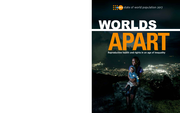
Unchecked inequality and failure to protect the rights of poorest women could undermine peace and world’s development goals, new UNFPA report warns:
- Only about half of the world’s women hold paid jobs
- Globally, women earn 77 per cent of what men get
- Three in five women worldwide lack m
...
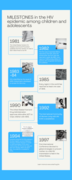
Milestones in the treatment, care and support, Dec 2021
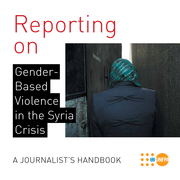
UNFPA launches Journalist’s Handbook: Reporting on Gender-Based Violence in Syria Crisis
Amman, 9 March 2015 – Under the patronage of Her Royal Highness Princess Rym Ali, UNFPA launched a handbook on Reporting on Gender-Based Violence in the Syria Crisis to help journalists better understand
...
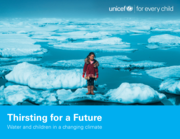
Children without access to safe water are more likely to die in infancy -- and throughout childhood -- from diseases caused by
water-borne bacteria, to which their small bodies are more vulnerable.
The document is part of the briefing package for Ethiopia's Water, Sanitation, and Hygiene (WASH) Cluster, which consists of resources that provide greater clarity and guidance to the cluster partners and other humanitarian actors.
The document is divided into four sections. Each section represen
...
A new frontier for integrated care.
Until now, most efforts to promote integrated care have focused on bridging the gaps between health and social care or between primary and secondary care. But the NHS five year forward view has highlighted a third dimension – bringing together physical and ment
...

More than 8 million children have access to distance learning thanks to partnerships with 322 radio stations and 23 TV channels
1.2 million community masks distributed
25 million people reached with key messages on how to prevent COVID-19 through mass media channels (300 radio stations and
...
The publication draws on pre-COVID data to highlight how children with disabilities face greater risks in the midst of this pandemic. It documents what has happened to services for children and adults with disabilities across the world and includes examples of what has been done to address disruptio
...
Part 2: Part 2 Beyond the evidence: Implications for innovation and practice
Part 2 of the Gap Analysis presents the insights from individuals working in humanitarian response, disability inclusion and older age inclusion. This report begins by looking at how an agenda for the inclusion of people
...
Innocenti Digest No. 13
Over the 20 years that followed, this unique partnership has invested more than US$53 billion, saving 44 million lives and reducing the combined death rate from the three diseases by more than half in the countries in which the Global Fund invests.

The Cholera Q&A Fact Sheet provides essential information about cholera, including its causes, symptoms, treatment, and prevention. Cholera is an acute diarrheal disease caused by Vibrio cholerae, which spreads through contaminated water and food. It leads to rapid dehydration and can be fatal if un
...

Tax capacity—the policy, institutional, and technical capabilities to collect tax revenue—is part of a deeper process of state building that is essential for achieving the sustainable development goals. This Staff Discussion Note shows that developing countries have made some progress in revenue
...

On Global Handwashing Day, WHO and UNICEF have released the first-ever global Guidelines on Hand Hygiene in Community Settings to support governments and practitioners in promoting effective hand hygiene outside health care – across households, public spaces and institutions. Framing hand hygiene
...

What does the future hold for the world’s children?
In many ways, the future is now. Today’s actions and decisions will determine the future children inherit.
Unfortunately, today's children live in a world fraught with crises, poverty and discrimination. Where far too many are deprived of
...
In 2014, GHS/NACP, with support from UNICEF and other partners, conducted a situation analysis on paediatric HIV care and treatment in Ghana. The purpose of this analysis was to identify the gaps within the current delivery of paediatric HIV care and support system and develop a road map for effecti
...
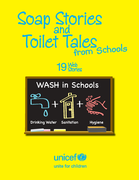
Water, sanitation and hygiene education in schools – WASH in Schools – provides safe drinking water, improves sanitation facilities and promotes lifelong health. WASH in Schools enhances the well-being of children and their families, and paves the way for new generations of healthy children.
f
...
