
Filter
648
Text search:
leprosy
control
Featured
91
232
Language
Document type
422
78
61
39
26
10
5
3
2
1
1
Countries
52
33
31
27
24
22
19
19
18
17
16
13
13
12
11
7
7
6
5
5
4
4
4
4
4
3
3
3
2
2
2
2
2
2
2
2
2
2
2
2
2
2
1
1
1
1
1
1
1
1
1
1
1
1
1
1
1
1
1
1
1
1
1
1
1
1
1
1
1
1
Authors & Publishers
Publication Years
Category
349
65
36
14
10
9
9
2
Toolboxes
115
104
35
20
9
9
8
6
5
5
5
4
4
4
4
4
3
2
2
2
2
1
1
1
1

Regional Network for Equity in Health in east and southern Africa (EQUINET): Disussion Paper 111
The health services delivery system in Zambia is pyramid in structure, with primary healthcare (PHC) services at community level, at the base, followed by first and second level hospitals at distric ...
The health services delivery system in Zambia is pyramid in structure, with primary healthcare (PHC) services at community level, at the base, followed by first and second level hospitals at distric ...

Antibiotics and other antimicrobial agents are invaluable life savers, particularly in resource-limited countries where infectious diseases are abundant. Both uncomplicated and severe infections are potentially curable as long as the aetiological agents are susceptible to the
...

Addressing comorbidities and risk factors for tuberculosis (TB) is a crucial component of the World Health Organization (WHO)’s End TB Strategy. This WHO operational handbook on tuberculosis. Module 6: tuberculosis and comorbidities aims to support countries in scaling up people-centred care, base
...

Health Situation
Health policies and systems
Cooperation for Health
WHO Country Cooperation Strategic Agenda (2008-2013)
WHO Model Formulary for Children
recommended
WHO Model Formulary for children based on the Second Model List of Essential Medicines for Children 2009.
In 2007, the World Health Assembly passed a Resolution titled ‘Better Medicines for Children’. This resolution recognized the need for research and development into medicines for children,
...
Dermatological Preparations For The Tropics
recommended
A formulary of dermatological preparations and background information on therapeutic choices, production and dispensing. 2nd edition
Climate change is having the largest impact on the world’s poorest and most vulnerable people. Within this group, 20% are people with disabilities, who are nearly always doubly disadvantaged.

A review of policy and practice; zero Hunger Phase 1
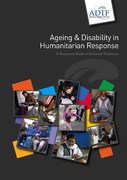
A Resource Book of Inclusive Practices

GUIDELINES FOR AWWs/ASHAs/ANMs/PRIs

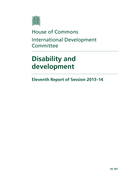
Disabled people in developing countries are the poorest of the poor: if we are serious about tackling extreme poverty, our development work has to target them. The post-2015 development framework offers hope that disabled people will finally get the prominence they deserve on the global development
...
Available in: English, French, Chinese, Spanish, Russian, Arabic, Thai, Korean, Tajik, Vietnamese, Uzbek
http://www.who.int/disabilities/cbr/guidelines/en/
Available in: English, French, Chinese, Spanish, Russian, Arabic, Thai, Korean, Tajik, Vietnamese, Uzbek
http://www.who.int/disabilities/cbr/guidelines/en/
The manual is written for clinicians working at the district hospital (first-level referral care) who diagnose and manage sick adolescents and adults in resource constrained settings. It aims to support clinical reasoning, and to provide an effective clinical approach and protocols for the managemen
...
