
Filter
579
Text search:
hunger
crisis
Featured
46
169
Language
Document type
272
186
39
38
14
11
9
6
2
1
1
Countries
50
22
21
21
14
14
14
13
12
12
10
9
9
9
8
8
8
7
7
7
6
6
6
6
6
5
5
5
5
4
4
4
4
4
4
4
3
3
3
3
3
3
3
2
2
2
2
2
2
2
2
2
2
2
2
2
2
2
2
1
1
1
1
1
1
1
1
1
1
1
1
1
1
1
1
1
1
1
1
1
1
1
1
1
Authors & Publishers
Publication Years
Category
199
86
23
21
8
3
1
Toolboxes
83
75
72
39
29
25
19
15
14
12
9
7
7
6
6
5
4
4
4
2
1
1
1
1
1
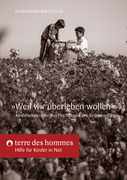
Diese Studie liefert einschlägige Informationen aus erster Hand über die Lebenswirklichkeit von syrischen Kindern, die arbeiten müssen: in ihrem Heimatland, in den Nachbarstaaten oder in Europa. Der syrische Bürgerkrieg ist die schlimmste humanitäre Katastrophe unserer Zeit. Hunderttausende Men
...

Over half a billion children are living in areas with extremely high levels of floods and nearly 160 million children live in areas of high or extremely high droughts. The World Health Organisation (WHO) estimates that 26% of the annual 6.6 million deaths of children under five are linked to environ
...

Discussion Paper "Mental health, poverty and development", July 2009

EU Policies Contribute to Abuse of Migrants in Libya
This report documents severe overcrowding, unsanitary conditions, malnutrition, and lack of adequate health care. Human Rights Watch found violent abuse by guards in four official detention centers in western Libya, including beatings and whippin
...

An output of a series of workshops on psychosocial support held in 2004-2005 by the Bernard van Leer Foundation and the Coalition on Children Affected by AIDS. Authors Linda Richter, Geoff Foster and Lorraine Sherr discuss the issues surrounding psychosocial care and support for children made vulner
...
Social Determinants of Health Discussion Paper 1 (Debates). This paper was prepared for the launch of the Commission on Social Determinants of Health (CSDH) by its secretariat based at WHO in Geneva. It was discussed by the Commissioners and then revised considering their input.

Good mental health is integral to human health and well being. A person’s mental health and many common mental disorders are shaped by various social, economic, and physical environments operating at different stages of life. Risk factors for many common mental disorders are heavily associated wit
...
This publication seeks to describe the best treatments and practices based on the scientific evidence available at the time of writing as evaluated by the authors and may change as a result of new research. Readers need to apply this knowledge to patients in accordance with the guidelines and laws o
...

Miscellaneous
Chapter J.4
This document presents an integrated strategy for mental health system development that will lead to enhanced service delivery, improved outcomes, and improved human rights for people with mental disorders.
By using the practical guidance provided in this document, countries can ensure that thei
...
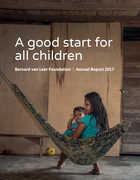
Early childhood matters.
This document looks at specific issues regarding the development of young children, in particular from a psychosocial perspective. It is published twice per year by the Bernard van Leer Foundation. The views expressed in Early Childhood Matters are those of the authors and
...
This valuable and timely guidebook represents an innovative contribution to enhancing quality education through textbooks. It will change the way textbook authors, publishers and educators, as well as governments of the United Nations Member States, see the poten
...
In this course you will examine the interconnections between poverty, development and violent conflict. This is one of seven Medical Peace Work courses.
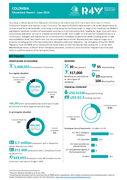
According to official figures from Migración Colombia by the end of June 2019, there were more than 1.4 million Venezuelan refugees and migrants living in Colombia. The majority of people have settled in the border departments of La Guajira and Norte de Santander, continuing to cities along the Car
...

At least half of the world’s population does not have full coverage of essential health services. Health expenses push more than 100 million people into extreme poverty each and every year, forcing them into terrible choices that no one should ever have to make: Buy medicine or food? Education or
...
