
Filter
4009
Text search:
Aids
prevention
Featured
376
1202
Language
3730
146
83
78
41
34
28
21
14
6
5
5
5
3
3
3
3
3
2
2
2
2
2
2
1
1
1
1
1
1
1
1
1
1
1
1
1
1
1
1
1
1
1
1
1
1
1
1
1
1
1
Document type
2474
535
447
185
138
85
67
19
19
11
10
6
5
1
Countries
226
149
124
120
116
112
103
93
93
88
85
76
73
67
66
63
59
57
53
50
48
46
42
37
37
35
32
30
29
28
26
25
24
22
21
21
16
15
14
12
12
11
11
10
10
10
9
9
9
6
6
6
6
6
6
5
4
4
4
4
4
4
4
4
3
3
3
3
3
3
3
3
3
2
2
2
2
2
2
2
2
2
2
2
2
2
2
2
2
2
2
2
2
2
2
2
2
1
1
1
1
1
1
1
1
1
1
1
1
1
1
1
1
1
1
1
1
1
1
1
1
1
1
1
1
1
Authors & Publishers
450
165
145
141
117
89
80
78
57
51
48
40
36
33
30
25
25
24
24
23
23
23
23
22
21
20
20
19
17
16
16
16
16
16
16
16
15
14
14
13
13
12
12
11
11
10
10
10
10
10
9
9
9
9
9
9
9
9
9
8
8
8
8
8
8
8
8
8
7
7
7
7
7
7
7
7
7
7
7
7
7
7
7
7
7
7
6
6
6
6
6
6
6
6
6
6
6
6
6
6
6
5
5
5
5
5
5
5
5
5
5
5
5
5
5
5
5
5
5
5
5
5
5
5
5
5
5
5
5
5
5
5
5
5
5
5
5
5
5
5
5
5
4
4
4
4
4
4
4
4
4
4
4
4
4
4
4
4
4
4
4
4
4
4
4
4
4
4
4
4
4
4
4
4
4
4
4
4
4
4
4
4
4
4
3
3
3
3
3
3
3
3
3
3
3
3
3
3
3
3
3
3
3
3
3
3
3
3
3
3
3
3
3
3
3
3
3
3
3
3
3
3
3
3
3
3
3
3
3
3
3
3
3
3
3
3
3
3
3
3
3
3
3
3
3
3
3
3
3
3
3
3
3
3
3
3
3
3
3
3
3
3
3
3
3
3
3
3
3
3
3
3
3
3
3
3
2
2
2
2
2
2
2
2
2
2
2
2
2
2
2
2
2
2
2
2
2
2
2
2
2
2
2
2
2
2
2
2
2
2
2
2
2
2
2
2
2
2
2
2
2
2
2
2
2
2
2
2
2
2
2
2
2
2
2
2
2
2
2
2
2
2
2
2
2
2
2
2
2
2
2
2
2
2
2
2
2
2
2
2
2
2
2
2
2
2
2
2
2
2
2
2
2
2
2
2
2
2
2
2
2
2
2
2
2
2
2
2
2
2
2
2
2
2
2
2
2
2
2
2
2
2
2
2
2
2
2
2
2
2
2
2
2
2
2
2
2
2
2
2
2
2
2
2
2
2
2
2
2
2
2
2
2
2
2
2
2
2
2
2
2
2
2
2
2
2
2
2
2
2
2
2
2
2
2
2
2
2
2
2
2
2
2
2
2
2
2
2
2
2
2
2
2
2
2
2
2
2
2
2
2
2
2
2
2
2
2
2
2
2
2
2
2
2
2
2
2
2
2
2
2
2
2
2
2
2
2
2
2
2
2
2
1
1
1
1
1
1
1
1
1
1
1
1
1
1
1
1
1
1
1
1
1
1
1
1
1
1
1
1
1
1
1
1
1
1
1
1
1
1
1
1
1
1
1
1
1
1
1
1
1
1
1
1
1
1
1
1
1
1
1
1
1
1
1
1
1
1
1
1
1
1
1
1
1
1
1
1
1
1
1
1
1
1
1
1
1
1
1
1
1
1
1
1
1
1
1
1
1
1
1
1
1
1
1
1
1
1
1
1
1
1
1
1
1
1
1
1
1
1
1
1
1
1
1
1
1
1
1
1
1
1
1
1
1
1
1
1
1
1
1
1
1
1
1
1
1
1
1
1
1
1
1
1
1
1
1
1
1
1
1
1
1
1
1
1
1
1
1
1
1
1
1
1
1
1
1
1
1
1
1
1
1
1
1
1
1
1
1
1
1
1
1
1
1
1
1
1
1
1
1
1
1
1
1
1
1
1
1
1
1
1
1
1
1
1
1
1
1
1
1
1
1
1
1
1
1
1
1
1
1
1
1
1
1
1
1
1
1
1
1
1
1
1
1
1
1
1
1
1
1
1
1
1
1
1
1
1
1
1
1
1
1
1
1
1
1
1
1
1
1
1
1
1
1
1
1
1
1
1
1
1
1
1
1
1
1
1
1
1
1
1
1
1
1
1
1
1
1
1
1
1
1
1
1
1
1
1
1
1
1
1
1
1
1
1
1
1
1
1
1
1
1
1
1
1
1
1
1
1
1
1
1
1
1
1
1
1
1
1
1
1
1
1
1
1
1
1
1
1
1
1
1
1
1
1
1
1
1
1
1
1
1
1
1
1
1
1
1
1
1
1
1
1
1
1
1
1
1
1
1
1
1
1
1
1
1
1
1
1
1
1
1
1
1
1
1
1
1
1
1
1
1
1
1
1
1
1
1
1
1
1
1
1
1
1
1
1
1
1
1
1
1
1
1
1
1
1
1
1
1
1
1
1
1
1
1
1
1
1
1
1
1
1
1
1
1
1
1
1
1
1
1
1
1
1
1
1
1
1
1
1
1
1
1
1
1
1
1
1
1
1
1
1
1
1
1
1
1
1
1
1
1
1
1
1
1
1
1
1
1
1
1
1
1
1
1
1
1
1
1
1
1
1
1
1
1
1
1
1
1
1
1
1
1
1
1
1
1
1
1
1
1
1
1
1
1
1
1
1
1
1
1
1
1
1
1
1
1
1
1
1
1
1
1
1
1
1
1
1
1
1
1
1
1
1
1
1
1
1
1
1
1
1
1
1
1
1
1
1
1
1
1
1
1
1
1
1
1
1
1
1
1
1
1
1
1
1
1
1
1
1
1
1
1
1
1
1
1
1
1
1
1
1
1
1
1
1
1
1
1
1
1
1
1
1
1
1
1
1
1
1
1
1
1
1
1
1
1
1
1
1
1
1
1
1
1
1
1
1
1
1
1
1
1
1
1
1
1
1
1
1
1
1
1
1
1
1
1
1
1
1
1
1
1
1
1
1
1
1
1
1
1
1
1
1
1
1
1
1
1
1
1
1
1
1
1
1
1
1
1
1
1
1
1
1
1
1
1
1
1
1
1
1
1
1
1
1
1
1
1
1
1
1
1
1
1
1
1
1
1
1
1
1
1
1
1
1
1
1
1
1
1
1
1
1
1
1
1
1
1
1
1
1
1
1
1
1
1
1
1
1
1
1
1
1
1
1
1
1
1
1
1
1
1
1
1
1
1
1
1
1
1
1
1
1
1
1
1
1
1
1
1
1
1
1
1
1
1
1
1
1
1
1
1
1
1
1
1
1
1
1
1
1
1
1
1
1
1
1
1
1
1
1
1
1
1
1
1
1
1
1
1
1
1
1
1
1
1
1
1
1
1
1
1
1
1
1
1
1
1
1
1
1
1
1
1
1
1
1
1
1
1
1
1
1
1
1
1
1
1
1
1
1
1
1
1
1
1
1
1
1
1
1
1
1
1
1
1
1
1
1
1
1
1
1
1
1
1
1
1
1
1
1
1
1
1
1
1
1
1
1
1
1
1
1
1
1
1
1
1
1
1
1
1
1
1
1
1
1
1
1
1
1
1
1
1
1
1
1
1
1
1
1
1
1
1
1
1
1
1
1
1
1
1
1
1
1
1
1
1
1
1
1
1
1
1
1
1
1
1
1
1
1
1
1
1
1
1
1
1
1
1
1
1
1
1
1
1
1
1
1
1
1
1
1
1
1
1
1
1
1
1
1
1
1
1
1
1
1
1
1
1
1
1
1
1
1
1
1
1
1
1
1
1
1
1
1
1
1
1
1
1
1
1
1
1
1
1
1
1
1
1
1
1
1
1
1
1
1
1
1
1
1
1
1
1
1
1
1
1
1
1
1
1
1
1
1
1
1
1
1
1
1
1
1
1
1
1
1
1
1
1
1
1
1
1
1
1
1
1
1
1
1
1
1
1
1
1
1
1
1
1
1
1
1
1
1
1
1
1
1
1
1
1
1
1
1
1
1
1
1
1
1
1
1
1
1
1
1
1
1
1
1
1
1
1
1
1
1
1
1
1
1
1
1
1
1
1
1
1
1
1
1
1
1
1
1
1
1
1
1
1
1
1
1
1
1
1
1
1
1
1
1
1
1
1
1
1
1
1
1
1
1
1
1
1
1
1
1
1
1
1
1
1
1
1
1
1
1
1
1
1
1
1
1
1
1
1
1
1
1
1
1
1
1
1
1
1
1
1
1
1
1
1
1
1
1
1
1
1
1
1
1
1
1
1
1
1
1
1
1
1
1
1
1
1
1
1
1
1
1
1
1
1
1
1
1
1
1
1
1
1
1
1
1
1
1
1
1
1
1
1
1
1
1
1
1
1
1
1
1
1
1
1
1
1
1
1
1
1
1
1
1
1
1
1
1
1
1
1
1
1
1
1
1
1
1
1
1
1
1
1
1
1
1
1
1
1
1
1
1
1
1
1
1
1
1
1
1
1
1
1
1
1
1
1
1
1
1
1
1
1
1
1
1
1
1
1
1
1
1
1
1
1
1
1
1
1
1
1
1
1
1
1
1
1
1
1
1
1
1
1
1
1
1
1
1
1
1
1
1
1
1
1
1
1
1
1
1
1
1
1
1
1
1
1
1
1
1
1
1
1
1
1
1
1
1
1
1
1
1
1
1
1
1
1
1
1
1
1
1
1
1
1
1
1
1
1
1
1
1
1
1
1
1
1
1
1
1
1
1
1
1
1
1
1
1
1
1
1
1
1
1
1
1
1
1
1
1
1
1
1
1
1
1
1
1
1
1
1
1
1
1
1
1
1
1
1
1
1
1
1
1
1
1
1
1
1
1
1
1
1
1
1
1
1
1
1
1
1
1
1
1
1
1
1
1
1
1
1
1
1
1
1
1
1
1
1
1
1
1
1
1
1
1
1
1
1
1
1
1
1
1
1
1
1
1
1
1
1
1
1
1
1
1
1
1
1
1
1
1
1
1
1
1
1
1
1
1
1
1
1
1
1
1
1
1
1
1
1
1
1
1
1
1
1
1
1
1
1
1
1
1
1
1
1
1
1
1
1
1
1
1
1
1
1
1
1
1
1
1
1
1
1
1
1
1
1
1
1
1
1
1
1
1
1
1
1
1
1
1
1
1
1
1
1
1
1
1
1
1
1
1
1
1
1
1
1
1
1
1
1
1
1
1
1
1
1
1
1
1
1
1
1
1
1
1
1
1
1
1
1
1
1
1
1
1
1
1
1
1
1
1
1
1
1
1
1
1
1
1
1
1
1
1
1
1
1
1
1
1
1
1
1
1
1
1
1
1
1
1
1
1
1
1
1
1
1
1
1
1
1
1
1
1
1
1
1
1
1
1
1
1
1
1
1
1
1
1
1
1
1
1
1
1
1
1
1
1
1
1
1
1
1
1
1
1
1
1
1
1
1
1
1
1
1
1
1
1
1
1
1
1
1
1
1
1
1
1
1
1
1
1
1
1
1
1
1
1
1
1
1
1
1
1
1
1
1
1
1
1
1
1
1
1
1
1
1
1
1
1
1
1
1
1
1
1
1
1
1
1
1
1
1
1
1
1
1
1
1
1
1
1
1
1
1
1
1
1
1
1
1
1
1
1
1
1
1
1
1
1
1
1
1
1
1
1
1
1
1
1
1
1
1
1
1
1
1
1
1
1
1
1
1
1
1
1
1
1
1
1
1
1
1
1
1
1
1
1
1
1
1
1
1
1
1
1
1
1
1
1
1
1
1
1
1
1
1
1
1
1
1
1
1
1
1
1
1
1
1
1
1
1
1
1
1
1
1
1
1
1
1
1
1
1
1
1
1
1
1
1
1
1
1
1
1
1
1
1
1
1
1
1
1
1
1
1
1
1
1
1
1
1
1
1
1
1
1
1
1
1
1
1
1
1
1
1
1
1
1
1
1
1
1
1
1
1
1
1
1
1
1
1
1
1
1
1
1
1
1
1
1
1
1
1
1
1
1
1
1
1
1
1
1
1
1
1
1
1
1
1
1
1
1
1
1
1
1
1
1
1
1
1
1
1
1
1
1
1
1
1
1
1
1
1
1
1
1
1
1
1
1
1
1
1
1
1
1
1
1
1
1
1
1
1
1
1
1
1
1
1
1
1
1
1
1
1
1
1
1
1
1
1
1
1
1
1
1
1
1
1
1
1
1
1
1
1
1
1
1
1
1
1
1
1
1
1
1
1
1
1
1
1
1
1
1
1
1
1
1
1
1
1
1
1
1
1
1
1
1
1
1
1
1
1
1
1
1
1
1
1
1
1
1
1
1
1
1
1
1
1
1
1
1
1
1
1
1
1
1
1
1
1
1
1
1
1
1
1
1
1
1
1
1
1
1
1
1
1
1
1
1
1
1
1
1
1
1
1
1
1
1
1
1
1
1
1
1
1
1
1
1
1
1
1
1
1
1
1
1
1
1
1
1
1
1
1
1
1
1
1
1
1
1
1
1
1
1
1
1
1
1
1
1
1
1
1
1
1
1
1
1
1
1
1
1
1
1
1
1
1
1
1
1
1
1
1
1
1
1
1
1
1
1
1
1
1
1
1
1
1
1
1
1
1
1
1
1
1
1
1
1
1
1
1
1
1
1
1
1
1
1
1
1
1
1
1
1
1
1
1
1
1
1
1
1
1
1
1
1
1
1
1
1
1
1
1
1
1
1
1
1
1
1
1
1
1
1
1
1
1
1
1
1
1
1
1
1
1
1
1
1
1
1
1
1
1
1
1
1
1
1
1
1
1
1
1
1
1
1
1
1
1
1
1
1
1
1
1
1
1
1
1
1
1
1
1
1
1
1
1
1
1
1
1
1
1
1
1
1
1
1
1
1
1
1
1
1
1
1
1
1
1
1
1
1
1
1
1
1
1
1
1
1
1
1
1
1
1
1
1
1
1
1
1
1
1
1
1
1
1
1
1
1
1
1
1
1
1
1
1
1
1
1
1
1
1
1
1
1
1
1
1
1
1
1
1
1
1
1
1
1
1
1
1
1
1
1
1
1
1
1
1
1
1
1
1
1
1
1
1
1
1
1
1
1
1
1
1
1
1
1
1
1
1
1
1
1
1
1
1
1
1
1
1
1
1
1
1
1
1
1
1
1
1
1
1
1
1
1
1
1
1
1
1
1
1
1
1
1
1
1
1
1
1
1
1
1
1
1
1
1
1
1
1
1
1
1
1
1
1
1
1
1
1
1
1
1
1
1
1
1
1
1
1
1
1
1
1
1
1
1
1
1
1
1
1
1
1
1
1
1
1
1
1
1
1
1
1
1
1
1
1
1
1
1
1
1
1
1
1
1
1
1
1
1
1
Publication Years
954
2635
402
17
1
Category
1920
277
211
192
152
122
40
2
Toolboxes
413
351
199
148
145
103
71
69
64
62
59
59
56
50
43
39
35
33
28
24
24
17
12
11
8
1
Expanding access to quality health services through task sharing
For health care providers.
Sub-Saharan Africa has the highest maternal mortality in the world. According to estimates by the United Nations Maternal Mortality Estimation Inter-Agency Group (UN MMEIG)1 in September 2017, while the African Region had recorded a significant decline in maternal mortali
...
ty rate (MMR) of 37.8% between 2000 and 2017, 66% of the 295 000 maternal deaths reported globally occurred in sub-Saharan Africa. The African Region is also noted to have an extremely high MMR, estimated at 542 per 100000 livebirths, with an average annual rate of reduction of 2.9%.
more

This annual report highlights the work of the WHO from January to June 2021 ( December 2021). The activities featured herein are by no means exhausted but implemented with technical and financial support through WHO in Nigeria; facilitated by its presence at all levels of governance (national, state
...
, local government, and wards).
more
Resumen para Equipos de Salud Edición 2021-2022
Las presentes recomendaciones se encuentran dirigidas a los miembros del equipo de salud que asisten niñas, niños y adolescentes (NNyA) que viven con VIH. También se dirigen a los responsables jurisdiccionales que participan en el proceso de gesti
...
ón de acceso a tratamientos antiretrovirales recomendados. El objetivo es brindar directrices para optimizar el cuidado y tratamiento antiretroviral de NNyA, con opciones más seguras y eficaces, basadas en la mejor evidencia disponible.
more
La salud es un estado de perfecto (completo) bienestar físico, mental y social, y no sólo la ausencia de enfermedad. El Estado Peruano reconoce a la salud como derecho fundamental, estableciendo que toda persona tiene derecho a la protección de su salud, la del medio familiar y la de la comunidad
...
, así como el deber de contribuir a su promoción y su defensa. La salud es derecho en lo cual es condición indispensable del desarrollo humano y medio fundamental para alcanzar el bienestar individual y colectivo y que la protección de la salud es de interés público, por tanto, es responsabilidad del Estado regularla, vigilarla y promoverla
more

Therapeutics for Ebola virus disease
recommended
The WHO Ebola Virus Disease (EVD) Clinical management: living guidance contains the Organization’s most up-to-date recommendations for the clinical management of people with EVD. Providing guidance that is comprehensive and holistic for the optimal care of patients with EVD throughout their il
...
lness is important.
The living guidance is available in both pdf format (via the ‘Download’ button) and via an online platform in both French and English, and is updated regularly as new evidence emerges.
This first version of the Clinical management for EVD living guidance contains four new recommendations regarding use of therapeutics for EVD, this includes two strong recommendations for the use of monoclonal antibody therapies. This new living guideline is written to accompany the optimized supportive care (oSoC) for EVD standard operating procedures (5, 6). The living guideline aims to summarize high quality evidence for EVD therapeutics and make recommendations for their use.
more
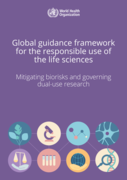
The Global guidance framework for the responsible use of the life sciences: mitigating biorisks and governing dual-use research (the framework) aims to provide values and principles, tools and mechanisms to support Member States and key stakeholders to mitigate and prevent biorisks and govern dual-u
...
se research.
Digital publication you can download the English, French, Spanish and Russian version
The framework adopts the One health approach and focuses on the role that responsible life sciences research can play in preventing and mitigating risks caused by accidents, inadvertent or deliberate misuse with the intention to cause harm to humans, nonhuman animals, plants and agriculture, and the environment.
more

The objective of Health in the Americas: Overview of the Region of the Americas in the Context of the COVID-19 Pandemic is to respond to the need to address important public health issues in an increasingly timely manner, while serving as a platform with a close focus on specific issues of regional
...
importance. This 2022 edition is the second in its new format, providing an overview of the analysis, as well as an in-depth description of the key issues related to COVID-19 in the Region of the Americas. This overview is supported by the Health in the Americas+ virtual platform, which offers interactive resources for data analysis and allows for the comparison of information disaggregated by subregions and countries.
more
On September 10, 2022, the Ministry of Health (MOH) announced a cholera outbreak in Aleppo governorate with 15 laboratory confirmed cases reported between August 25 and September 9, 2022. Activities under this plan seek to address the immediate needs stemming from this outbreak and highlight respons
...
e priorities across all areas of the response and key sectors involved. This plan initially focuses on the Health, Water Sanitation and Hygiene (WASH), and Risk Communication and Community Engagement (RCCE) responses for an initial period of 90 days. The activities detailed in this plan are also within the programmatic scope of the 2022-2023 Humanitarian Response Plan (HRP).
more

Essential health care service disruption due to COVID-19: lessons for sustainability in Nigeria
AHOP National Centre based in Nigeria
World Health Organization WHO, Regional Office Africa
(2022)
C_WHO
The brief concludes that sustaining the continuity of EHS requires policies that ensure a whole-society and systems strengthening approach. This involves increased health care investment, community engagement, disease control regulations, and multisector approaches to improve resilience, EHS quality
...
, and equity.
more

Cities are uniquely positioned to understand local needs and respond rapidly to changing conditions to safeguard health. These changes require strong city leadership to implement multisectoral, health-relevant policies and public services that engage communities. The response to malaria must be an i
...
ntegral part of such policies and processes.
This framework supports the control and elimination of malaria in urban environments. It provides guidance for city leaders, health programmes and urban planners as they respond to the challenges of rapid urbanization in a targeted way. For each urban context, the strategic use of data can inform effective, tailored responses and help build resilience against the threat of malaria and other vector-borne diseases.
more

SAMS team rose to meet these challenges, delivering world class COVID treatment with four newly established COVID hospitals complete with 100 ICU beds and state of the art equipment like ventilators, monitors, and oxygen generators. By using innovative technologies, SAMS’ physicians were able to s
...
hare the knowledge they gained treating
more

Sector Environmental Guidelines, Full technical Update
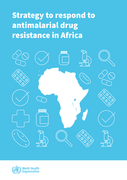
The Strategy to respond to antimalarial drug resistance in Africa is a technical and advocacy document, grounded in the best available evidence to date and aimed at minimizing the threat and impact of antimalarial drug resistance of Plasmodium falciparum parasites in Africa. Its objectives are to: i
...
) improve the detection of resistance to ensure a timely response; ii) delay the emergence of resistance to artemisinin and artemisinin-based combination therapy (ACT) partner drugs; and iii) limit the selection and spread of resistant parasites where resistance has been confirmed.
WHO Team
Global Malaria Programme
Editors
World Health Organization
Number of pages
87
Reference numbers
ISBN: 978 92 4 006026 5
Copyright
more
Hintergründe und Hilfestellung für professionell Pflegende

Atlas of African Health Statistics 2022: Health situation analysis of the WHO African Region
Since 2019, we have been implementing Phase 2 of the regional Transformation Agenda, which informs and aligns with the global WHO Transformation, to ensure WHO is accountable, driven by re- sults and provid
...
ing value for money in the pursuit of better health. Our global priority in this period is to contribute to delivering on the triple billion targets of expanding universal health coverage, protecting people from emergencies, and promoting health and well-being for people across the Region.
This year’s Atlas of African Health Statistics is being produced in the context of the COVID-19 pandemic that we have been expe- riencing for over two years. The ongoing coronavirus pandemic, together with other health emergencies in the WHO African Re- gion, is yet again testing the strength and resilience of our health systems. Indeed, the impact of COVID-19 is visible in the disruption of services. The report also presents the latest data for more than 50 health-related indicators of the Sustainable Development Goals and WHO’s “triple billion” targets and provides comprehensive country-level statistics using the results chain of the AFRO frame- work of actions for strengthening health systems to achieve UHC and the health-related SDGs.
more
What are the FP and CAC competencies?
Through the clear articulation of the family planning and comprehensive abortion care (FP and CAC) competencies for the primary health care workforce, the aim is to advance improvements in FP and CAC service delivery by aligning health worker education approach
...
es with population health needs and health system demands.
This document, which describes these competencies in detail, is intended to:
be a foundational tool to be adopted and adapted by educators and regulators for FP and CAC providers (students) with a pre-service training pathway of at least 12 months;
describe competencies that are relevant to current and future health practice;
enable widespread use of the competencies not only for curriculum development for pre-service education, but also for in-service education, regulation, qualifications, quality assurance, personal development, performance evaluation, recruitment, management and career progression;
focus on the core functions of FP and CAC providers within broader efforts towards achieving universal health coverage
more
The road map 2030 was developed by WHO through an extensive global consultation, with indicators set for measuring progress against targets and milestones. This compendium of indicators provides a comprehensive and standardized listing of recommended indicators, including the 70 core indicators pres
...
ented in the M&E framework. These indicators will also support reporting on strategies described in other road map companion documents to guide action against neglected tropical diseases include the sustainability framework, the global strategy on water, sanitation and hygiene, the One Health approach and the strategic framework for integrated control and elimination of skin-related neglected tropical diseases.
The purpose of this compendium is to guide monitoring and evaluation of programmes and thereby to improve their quality and effectiveness in alignment with the road map goals. It provides a standardized listing of the most widely used indicators relevant to countries, with uniformity in defining indicators to allow comparisons over time and among different programmes. Detailed metadata are provided for each of these indicators to facilitate validity, internal consistency, standardized measurement, estimation methods and comparability of data across countries.
more

A qualitative assessment of knowledge gaps about female genital schistosomiasis among communities living in Schistosoma haematobium endemic districts of Zanzibar and Northwestern Tanzania.
PloS Neglected Tropical Diseases September 30, 2021 https://doi.org/10.1371/journal.pntd.0009789
Schistosoma
...
haematobium causes urogenital schistosomiasis and is widely distributed in Tanzania. In girls and women, the parasite can cause Female Genital Schistosomiasis (FGS), a gynecological manifestation of schistosomiasis that is highly neglected and overlooked by public health professionals and policy makers. This study explored community members’ knowledge, attitudes and perceptions (KAP) on and health seeking behavior for FGS.
more
