
Filter
5381
Text search:
rights
to
education
Featured
469
1358
Language
5198
151
124
89
64
40
29
25
13
10
8
7
7
6
5
5
5
4
4
4
3
3
3
3
3
3
3
3
3
3
3
3
3
3
3
2
2
2
2
2
2
2
2
2
2
1
1
1
1
1
1
1
1
1
1
1
1
1
1
Document type
2879
972
628
348
241
123
91
42
22
16
8
3
1
1
Countries
271
175
160
115
113
104
100
98
98
94
89
88
85
82
76
73
70
65
65
54
52
50
50
48
45
44
43
40
38
38
35
32
31
31
27
27
25
24
23
23
22
20
19
19
19
19
19
19
17
17
16
15
15
13
13
12
12
12
12
12
11
11
11
11
9
8
8
7
7
7
7
7
6
6
5
5
5
4
4
4
4
4
4
4
3
3
3
3
3
3
3
3
3
3
3
2
2
2
2
2
2
2
2
2
2
2
2
2
2
2
2
2
2
2
1
1
1
1
1
1
1
1
1
1
1
1
1
1
1
1
1
1
1
1
1
1
1
1
1
Authors & Publishers
807
248
161
149
139
134
104
83
75
64
52
41
38
35
32
29
29
26
25
23
23
22
22
22
21
20
20
20
20
19
18
17
17
17
16
15
15
15
14
14
14
14
14
14
14
13
13
12
12
12
12
12
12
12
11
11
11
11
11
11
11
11
10
10
10
10
10
10
10
10
10
9
9
9
9
9
9
8
8
8
8
8
8
8
7
7
7
7
7
7
7
7
7
7
7
7
7
7
7
7
7
6
6
6
6
6
6
6
6
6
6
6
6
6
6
6
6
6
6
6
6
5
5
5
5
5
5
5
5
5
5
5
5
5
5
5
5
5
5
5
5
5
5
5
5
5
5
5
5
5
5
5
5
5
5
5
4
4
4
4
4
4
4
4
4
4
4
4
4
4
4
4
4
4
4
4
4
4
4
4
4
4
4
4
4
4
4
4
4
4
4
4
4
4
4
4
4
4
4
4
4
3
3
3
3
3
3
3
3
3
3
3
3
3
3
3
3
3
3
3
3
3
3
3
3
3
3
3
3
3
3
3
3
3
3
3
3
3
3
3
3
3
3
3
3
3
3
3
3
3
3
3
3
3
3
3
3
3
3
3
3
3
3
3
3
3
3
3
3
3
3
3
3
3
3
3
3
3
3
3
3
3
3
3
3
3
3
3
3
3
3
3
3
3
3
3
3
3
3
3
3
3
3
3
3
3
3
3
3
3
3
3
3
3
3
3
3
3
3
3
3
3
3
3
2
2
2
2
2
2
2
2
2
2
2
2
2
2
2
2
2
2
2
2
2
2
2
2
2
2
2
2
2
2
2
2
2
2
2
2
2
2
2
2
2
2
2
2
2
2
2
2
2
2
2
2
2
2
2
2
2
2
2
2
2
2
2
2
2
2
2
2
2
2
2
2
2
2
2
2
2
2
2
2
2
2
2
2
2
2
2
2
2
2
2
2
2
2
2
2
2
2
2
2
2
2
2
2
2
2
2
2
2
2
2
2
2
2
2
2
2
2
2
2
2
2
2
2
2
2
2
2
2
2
2
2
2
2
2
2
2
2
2
2
2
2
2
2
2
2
2
2
2
2
2
2
2
2
2
2
2
2
2
2
2
2
2
2
2
2
2
2
2
2
2
2
2
2
2
2
2
2
2
2
2
2
2
2
2
2
2
2
2
2
2
2
2
2
2
2
2
2
2
2
2
2
2
2
2
2
2
2
2
2
2
2
2
2
2
2
2
2
2
2
2
2
2
2
2
2
2
2
2
2
2
2
2
2
2
2
2
2
2
2
2
2
2
2
2
2
2
2
2
2
2
2
2
2
2
2
2
2
2
2
2
2
2
1
1
1
1
1
1
1
1
1
1
1
1
1
1
1
1
1
1
1
1
1
1
1
1
1
1
1
1
1
1
1
1
1
1
1
1
1
1
1
1
1
1
1
1
1
1
1
1
1
1
1
1
1
1
1
1
1
1
1
1
1
1
1
1
1
1
1
1
1
1
1
1
1
1
1
1
1
1
1
1
1
1
1
1
1
1
1
1
1
1
1
1
1
1
1
1
1
1
1
1
1
1
1
1
1
1
1
1
1
1
1
1
1
1
1
1
1
1
1
1
1
1
1
1
1
1
1
1
1
1
1
1
1
1
1
1
1
1
1
1
1
1
1
1
1
1
1
1
1
1
1
1
1
1
1
1
1
1
1
1
1
1
1
1
1
1
1
1
1
1
1
1
1
1
1
1
1
1
1
1
1
1
1
1
1
1
1
1
1
1
1
1
1
1
1
1
1
1
1
1
1
1
1
1
1
1
1
1
1
1
1
1
1
1
1
1
1
1
1
1
1
1
1
1
1
1
1
1
1
1
1
1
1
1
1
1
1
1
1
1
1
1
1
1
1
1
1
1
1
1
1
1
1
1
1
1
1
1
1
1
1
1
1
1
1
1
1
1
1
1
1
1
1
1
1
1
1
1
1
1
1
1
1
1
1
1
1
1
1
1
1
1
1
1
1
1
1
1
1
1
1
1
1
1
1
1
1
1
1
1
1
1
1
1
1
1
1
1
1
1
1
1
1
1
1
1
1
1
1
1
1
1
1
1
1
1
1
1
1
1
1
1
1
1
1
1
1
1
1
1
1
1
1
1
1
1
1
1
1
1
1
1
1
1
1
1
1
1
1
1
1
1
1
1
1
1
1
1
1
1
1
1
1
1
1
1
1
1
1
1
1
1
1
1
1
1
1
1
1
1
1
1
1
1
1
1
1
1
1
1
1
1
1
1
1
1
1
1
1
1
1
1
1
1
1
1
1
1
1
1
1
1
1
1
1
1
1
1
1
1
1
1
1
1
1
1
1
1
1
1
1
1
1
1
1
1
1
1
1
1
1
1
1
1
1
1
1
1
1
1
1
1
1
1
1
1
1
1
1
1
1
1
1
1
1
1
1
1
1
1
1
1
1
1
1
1
1
1
1
1
1
1
1
1
1
1
1
1
1
1
1
1
1
1
1
1
1
1
1
1
1
1
1
1
1
1
1
1
1
1
1
1
1
1
1
1
1
1
1
1
1
1
1
1
1
1
1
1
1
1
1
1
1
1
1
1
1
1
1
1
1
1
1
1
1
1
1
1
1
1
1
1
1
1
1
1
1
1
1
1
1
1
1
1
1
1
1
1
1
1
1
1
1
1
1
1
1
1
1
1
1
1
1
1
1
1
1
1
1
1
1
1
1
1
1
1
1
1
1
1
1
1
1
1
1
1
1
1
1
1
1
1
1
1
1
1
1
1
1
1
1
1
1
1
1
1
1
1
1
1
1
1
1
1
1
1
1
1
1
1
1
1
1
1
1
1
1
1
1
1
1
1
1
1
1
1
1
1
1
1
1
1
1
1
1
1
1
1
1
1
1
1
1
1
1
1
1
1
1
1
1
1
1
1
1
1
1
1
1
1
1
1
1
1
1
1
1
1
1
1
1
1
1
1
1
1
1
1
1
1
1
1
1
1
1
1
1
1
1
1
1
1
1
1
1
1
1
1
1
1
1
1
1
1
1
1
1
1
1
1
1
1
1
1
1
1
1
1
1
1
1
1
1
1
1
1
1
1
1
1
1
1
1
1
1
1
1
1
1
1
1
1
1
1
1
1
1
1
1
1
1
1
1
1
1
1
1
1
1
1
1
1
1
1
1
1
1
1
1
1
1
1
1
1
1
1
1
1
1
1
1
1
1
1
1
1
1
1
1
1
1
1
1
1
1
1
1
1
1
1
1
1
1
1
1
1
1
1
1
1
1
1
1
1
1
1
1
1
1
1
1
1
1
1
1
1
1
1
1
1
1
1
1
1
1
1
1
1
1
1
1
1
1
1
1
1
1
1
1
1
1
1
1
1
1
1
1
1
1
1
1
1
1
1
1
1
1
1
1
1
1
1
1
1
1
1
1
1
1
1
1
1
1
1
1
1
1
1
1
1
1
1
1
1
1
1
1
1
1
1
1
1
1
1
1
1
1
1
1
1
1
1
1
1
1
1
1
1
1
1
1
1
1
1
1
1
1
1
1
1
1
1
1
1
1
1
1
1
1
1
1
1
1
1
1
1
1
1
1
1
1
1
1
1
1
1
1
1
1
1
1
1
1
1
1
1
1
1
1
1
1
1
1
1
1
1
1
1
1
1
1
1
1
1
1
1
1
1
1
1
1
1
1
1
1
1
1
1
1
1
1
1
1
1
1
1
1
1
1
1
1
1
1
1
1
1
1
1
1
1
1
1
1
1
1
1
1
1
1
1
1
1
1
1
1
1
1
1
1
1
1
1
1
1
1
1
1
1
1
1
1
1
1
1
1
1
1
1
1
1
1
1
1
1
1
1
1
1
1
1
1
1
1
1
1
1
1
1
1
1
1
1
1
1
1
1
1
1
1
1
1
1
1
1
1
1
1
1
1
1
1
1
1
1
1
1
1
1
1
1
1
1
1
1
1
1
1
1
1
1
1
1
1
1
1
1
1
1
1
1
1
1
1
1
1
1
1
1
1
1
1
1
1
1
1
1
1
1
1
1
1
1
1
1
1
1
1
1
1
1
1
1
1
1
1
1
1
1
1
1
1
1
1
1
1
1
1
1
1
1
1
1
1
1
1
1
1
1
1
1
1
1
1
1
1
1
1
1
1
1
1
1
1
1
1
1
1
1
1
1
1
1
1
1
1
1
1
1
1
1
1
1
1
1
1
1
1
1
1
1
1
1
1
1
1
1
1
1
1
1
1
1
1
1
1
1
1
1
1
1
1
1
1
1
1
1
1
1
1
1
1
1
1
1
1
1
1
1
1
1
1
1
1
1
1
1
1
1
1
1
1
1
1
1
1
1
1
1
1
1
1
1
1
1
1
1
1
1
1
1
1
1
1
1
1
1
1
1
1
1
1
1
1
1
1
1
1
1
1
1
1
1
1
1
1
1
1
1
1
1
1
1
1
1
1
1
1
1
1
1
1
1
1
1
1
1
1
1
1
1
1
1
1
1
1
1
1
1
1
1
1
1
1
1
1
1
1
1
1
1
1
1
1
1
1
1
1
1
1
1
1
1
1
1
1
1
1
1
1
1
1
1
1
1
1
1
1
1
1
1
1
1
1
1
1
1
1
1
1
1
1
1
1
1
1
1
1
1
1
1
1
1
1
1
1
1
1
1
1
1
1
1
1
1
1
1
1
1
1
1
1
1
1
1
1
1
1
1
1
1
1
1
1
1
1
1
1
1
1
1
1
1
1
1
1
1
1
1
1
1
1
1
1
1
1
1
1
1
1
1
1
1
1
1
1
1
1
1
1
1
1
1
1
1
1
1
1
1
1
1
1
1
1
1
1
1
1
1
1
1
1
1
1
1
1
1
1
1
1
1
1
1
1
1
1
1
1
1
1
1
1
1
1
1
1
1
1
1
1
1
1
1
1
1
1
1
1
1
1
1
1
1
1
1
1
1
1
1
1
1
1
1
1
1
1
1
1
1
1
1
1
1
1
1
1
1
1
1
1
1
1
1
1
1
1
1
1
1
1
1
1
1
1
1
1
1
1
1
1
1
1
1
1
1
1
1
1
1
1
1
1
1
1
1
1
1
1
1
1
1
1
1
1
1
1
1
1
1
1
1
1
1
1
1
1
1
1
1
1
1
1
1
1
1
1
1
1
1
1
1
1
1
1
1
1
1
1
1
1
1
1
1
1
1
1
1
1
1
1
1
1
1
1
1
1
1
1
1
1
1
1
1
1
1
1
1
1
1
1
1
1
1
1
1
1
1
1
1
1
1
1
1
1
1
1
1
1
1
1
1
1
1
1
1
1
1
1
1
1
1
1
1
1
1
1
1
1
1
1
1
1
1
1
1
1
1
1
1
1
1
1
1
1
1
1
1
1
1
1
1
1
1
1
1
1
1
1
1
1
1
1
1
1
1
1
1
1
1
1
1
1
1
1
1
1
1
1
1
1
1
1
1
1
1
1
1
1
1
1
1
1
1
1
1
1
1
1
1
1
1
1
1
1
1
1
1
1
1
1
1
1
1
1
1
1
1
1
1
1
1
1
1
1
1
1
1
1
1
1
1
1
1
1
1
1
1
1
1
1
1
1
1
1
1
1
1
1
1
1
1
1
1
1
1
1
1
1
1
1
1
1
1
1
1
1
1
1
1
1
1
1
1
1
1
1
1
1
1
1
1
1
1
1
1
1
1
1
1
1
1
1
1
1
1
1
1
1
1
1
1
1
1
1
1
1
1
1
1
1
1
1
1
1
1
1
1
1
1
1
1
1
1
1
1
1
1
1
1
1
1
1
1
1
1
1
1
1
1
1
1
1
1
1
1
1
1
1
1
1
1
1
1
1
1
1
1
1
1
1
1
1
1
1
1
1
1
1
1
1
1
1
1
1
1
1
1
1
1
1
1
1
1
1
1
1
1
1
1
1
1
1
1
1
1
1
1
1
1
1
1
1
1
1
1
1
1
1
1
1
1
1
1
1
1
1
1
1
1
1
1
1
1
1
1
1
1
1
1
1
1
1
1
1
1
1
1
1
1
1
1
1
1
1
1
1
1
1
1
1
1
1
1
1
1
1
1
1
1
1
1
1
1
1
1
1
1
1
1
1
1
1
1
1
1
1
1
1
1
1
1
1
1
1
1
1
1
1
1
1
1
1
1
1
1
1
1
1
1
1
1
1
1
1
1
1
1
1
1
1
1
1
1
1
1
1
1
1
1
1
1
1
1
1
1
1
1
1
1
1
1
1
1
1
1
1
1
1
1
1
1
1
1
1
1
1
1
1
1
1
1
1
1
1
1
1
1
1
1
1
1
1
1
1
1
1
1
1
1
1
1
1
1
1
1
1
1
1
1
1
1
1
1
1
1
1
1
1
1
1
1
1
1
1
1
1
1
1
1
1
1
1
1
1
1
1
1
1
1
1
1
1
1
1
1
1
1
1
1
1
1
1
1
1
1
1
1
1
1
1
1
1
1
1
1
1
1
1
1
1
1
1
1
1
1
1
1
1
1
1
1
1
1
1
1
1
1
1
1
1
1
1
1
1
1
1
1
1
1
1
1
1
1
1
1
1
1
1
1
1
1
1
1
1
1
1
1
1
1
1
1
1
1
1
1
1
1
1
1
1
1
1
1
1
1
1
1
1
1
1
1
1
1
1
1
1
1
1
1
1
1
1
1
1
1
1
1
1
1
1
1
1
1
1
1
1
1
1
1
1
1
1
1
1
1
1
1
1
1
1
1
1
1
1
1
1
1
1
1
1
1
1
1
1
1
1
1
1
1
1
1
1
1
1
1
1
1
1
1
1
1
1
1
1
1
1
1
1
1
1
1
1
1
1
1
1
1
1
1
1
1
1
1
1
1
1
1
1
1
1
1
1
1
1
1
1
1
1
1
1
1
1
1
1
1
1
1
1
1
1
1
1
1
1
1
1
1
1
1
1
1
1
1
1
1
1
1
1
1
1
1
1
1
1
1
1
1
1
1
1
1
1
1
1
1
1
1
1
1
1
1
1
1
1
1
1
1
1
1
1
1
1
1
1
1
1
1
1
1
1
1
1
1
1
1
1
1
1
1
1
1
1
1
1
1
1
1
1
1
1
1
1
1
1
1
1
1
1
1
1
1
1
1
1
1
1
1
1
1
1
1
1
1
1
1
1
1
1
1
1
1
1
1
1
1
1
1
1
1
1
1
1
1
1
1
1
1
1
1
1
1
1
1
1
1
1
1
1
1
1
1
1
1
1
1
1
1
1
1
1
1
1
1
1
1
1
1
1
1
1
1
1
1
1
1
1
1
1
1
1
1
1
1
1
1
1
1
1
1
1
1
1
1
1
1
1
1
1
1
1
1
1
1
1
1
1
1
1
1
1
1
1
1
1
1
1
1
1
1
1
1
1
1
1
1
1
1
1
1
1
1
1
1
1
1
1
1
1
1
1
1
1
1
1
1
1
1
1
1
1
1
1
1
1
1
1
1
1
1
1
1
1
1
1
1
1
1
1
1
1
1
1
1
1
1
1
1
1
1
1
1
1
1
1
1
1
1
1
1
1
1
1
1
1
1
1
1
1
1
1
1
1
1
1
1
1
1
1
1
1
1
1
1
1
1
1
1
1
1
1
1
1
1
1
1
1
1
1
1
1
1
1
1
1
1
1
1
1
1
1
1
1
1
1
1
1
1
1
1
1
1
1
1
1
1
1
1
1
1
1
1
1
1
1
1
1
1
1
1
1
1
1
1
1
1
1
1
1
1
1
1
1
1
1
1
1
1
1
1
1
1
1
1
1
1
1
1
1
1
1
1
1
1
1
1
1
1
1
1
1
1
1
1
1
1
1
1
1
1
1
1
1
1
1
1
1
1
1
1
1
1
1
1
1
1
1
1
1
1
1
1
1
1
1
1
1
1
1
1
1
1
1
1
1
1
1
1
1
1
1
1
1
1
1
1
1
1
1
1
1
1
1
1
1
1
1
1
1
1
1
1
1
1
1
1
1
1
1
1
1
1
1
1
1
1
1
1
1
1
1
1
1
1
1
1
1
1
1
1
1
1
1
1
1
1
1
1
1
1
1
1
1
1
1
1
1
1
1
1
1
1
1
1
1
1
1
1
1
1
1
1
1
1
1
1
1
1
1
1
1
1
1
1
1
1
1
1
1
1
1
1
1
1
1
1
1
1
1
1
1
1
1
1
1
1
1
1
1
1
1
1
1
1
1
1
1
1
1
1
1
1
1
1
1
1
1
1
1
1
1
1
1
1
1
1
1
1
1
1
1
1
1
1
1
1
1
1
1
1
1
1
1
1
1
1
1
1
1
1
1
1
1
1
1
1
1
1
1
1
1
1
1
1
1
1
1
1
1
1
1
1
1
1
1
1
1
1
1
1
1
1
1
1
1
1
1
1
1
1
1
1
1
1
1
1
1
1
1
1
1
1
Publication Years
1
1657
3173
519
26
2
1
2
Category
1897
389
368
338
327
129
32
3
Toolboxes
544
480
370
229
204
202
195
182
174
139
117
91
82
78
78
76
61
59
56
48
48
20
17
17
13
4
1

Children with disabilities are particularly vulnerable in humanitarian settings, yet they are often not able to access the services and protection they need. While multiple factors create these barriers, a major cause is how data about children with
...
disabilities is collected and mapped. Data collection processes often exclude or underrepresent the views of children with disabilities and thier caretakers. When the experiences of children with disabilities and their caretakers are not defined and collected, they become excluded from mainstreamed protective services, which are meant to serve all children. Children with disabilities also do not get the specialised interventions they need.
This guidance note explores how to use qualitative methods to create more robust assessment processes to ensure more effective programming and services for children with disabilities. This note provides promising practices for engaging with children with disabilities and includes sample tools that can be tailored to fit the needs of a particular assessment process. The note also explores the importance of thoughtful cross-sectoral responses so that children with disabilities, and their families, are carefully considered in areas like water, sanitation, and hygiene (WASH), education, health, and nutrition, and therefore receive the holistic support they need and deserve.
This note is intended for a broad audience of relevant child protection actors, including practitioners, coordination groups, researchers, and donors. The information is not limited to one type of humanitarian setting, geographic region, or culture. As a result, the practices and guidance should be adapted to each specific context, ideally in partnership with well-informed local actors, such as representatives from local organisations for persons with disabilities.
more

A policy brief on child marriage in Zambia. Child marriage is a human rights violation, and endangers young people' personal development and well-being; thus reducing opportunities to realize their
...
full potential. Protecting girls from child marriage is a national priority and key towards sustainable development.
more

Timor-Leste’s vulnerability to natural hazards means if particular care is not taken in the development of the country’s infrastructure, it will remain at risk to disruption.
Timor-Leste de ... veloped the 2008 National Disaster Risk Management Policy, which lays out the government’s vison of its disaster management process from the national to the village level. Additionally, through the United Nations Development Program (UNDP), they have conducted national hazards, vulnerability and risk assessments. Through Plan International they have initiated the integration of disaster management education into public schools. Although the Government of Timor-Leste considers DRM as a priority and supports the dissemination of DRM policy to the district levels, the current Strategic Development Plan 2011-2030 of Timor-Leste has not explicitly reflected nor integrated DRM as one of its development priorities. Disaster Management is included in the Strategic Plan Document of MSS 2009-2012. more
Timor-Leste de ... veloped the 2008 National Disaster Risk Management Policy, which lays out the government’s vison of its disaster management process from the national to the village level. Additionally, through the United Nations Development Program (UNDP), they have conducted national hazards, vulnerability and risk assessments. Through Plan International they have initiated the integration of disaster management education into public schools. Although the Government of Timor-Leste considers DRM as a priority and supports the dissemination of DRM policy to the district levels, the current Strategic Development Plan 2011-2030 of Timor-Leste has not explicitly reflected nor integrated DRM as one of its development priorities. Disaster Management is included in the Strategic Plan Document of MSS 2009-2012. more

If you are fleeing the war in Ukraine and coming to the European Union, you will find key information about your rights with regard to crossing the
...
border into an EU country, eligibility for temporary protection and applying for international protection, as well as the rights of travel inside the European Union.
Available in English, Russian and Ukrainian
more

The State of the World’s Children 2013: Children with Disabilities examines the barriers – from inaccessible buildings to dismissive attitudes, from invisibility in official statistics to viciou
...
s discrimination – that deprive children with disabilities of their rights and keep them from participating fully in society. The report also lays out some of the key elements of inclusive societies that respect and protect the rights of all children, regardless of disability, and progress in helping all children to flourish and make their contribution to the world.
more

The recruitment and use of children violates their rights and causes them physical, developmental, emotional, mental, and spiritual harm. The impact on their mental and physical well-being breaches the most fundamental human
...
rights and represents a grave threat to durable peace and sustainable development, as cycles of violence are perpetuated. The Paris Commitments adopted in Paris in February 2007 are an expression of strengthened international resolve to prevent the recruitment of children and highlight the actions governments can and should take to protect children affected by conflict. The Paris Principles are the operational guidelines related to sustainable reintegration of children formerly associated with armed forces and groups.
more
How we respond both now and going forward will help mitigate the impact of COVID-19, and to the extent possible preserve children’s rights to Sur
...
vive, Learn, and Be Protected. We will focus our efforts on the most critical work essential to maintaining these commitments to the extent possible.
more

The State of the world’s nursing 2020 report provides the latest, most up-to-date evidence on and policy options for the global nursing workforce. It also presents a compelling case for considerable – yet feasible – investment in nursing
...
education, jobs, and leadership.
The primary chapters of the report outline the role and contributions of nurses with respect to the WHO “triple billion” targets; the health labour market and workforce policy levers to address the challenges to nurses working to their full potential; the findings from analysis of National Health Workforce Account (NHWA) data from 191 Member States and progress in relation to the projected shortfall of nurses by 2030; and forward-looking policy options for an agenda to strengthen the nursing workforce to deliver the Sustainable Development Goals, improve health for all, and strengthen the primary health care workforce on our journey towards universal health coverage.
more
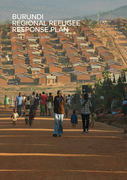
As the Burundi refugee crisis enters its fourth year, some 430,000 Burundian refugees are being hosted across the region by the governments and people of Tanzania, Rwanda, the Democratic Republic of the Congo, and Uganda. Although the spectre of mass violence in Burundi has receded, with the politic
...
al situation still unresolved and the persistence of significant human rights concerns, refugee arrivals are expected to continue in 2018, albeit at lower levels than in previous years.
more

Guidelines.
The guidelines set out essential actions that humanitarian actors must take in order to effectively identify and respond to the needs and rig
...
hts of persons with disabilities who are most at risk of being left behind in humanitarian settings.
The recommended actions in each chapter place persons with disabilities at the centre of humanitarian action, both as actors and as members of affected populations. They are specific to persons with disabilities and to the context of humanitarian action and build on existing and more general standards and guidelines.
These are the first humanitarian guidelines to be developed with and by persons with disabilities and their representative organizations in association with traditional humanitarian stakeholders. Based on the outcomes of a comprehensive global and regional multi-stakeholder consultation process, they are designed to promote the implementation of quality humanitarian programmes in all contexts and across all regions, and to establish and increase both the inclusion of persons with disabilities and their meaningful participation in all decisions that concern them.
more
Syria Regional Crisis Emergency Appeal 2020
recommended
In 2020, UNRWA will continue to support Palestine refugees affected by the protracted crisis through providing relief assistance and ensuring access to essential
...
education and health services. Drawing on its existing structures, supply chains and capacities, the Agency will continue to adapt its interventions to respond to ongoing and evolving needs in an effective and agile manner. In Syria, it is expected that the spontaneous return of Palestine refugees from within and outside the country will continue in areas that experience relative calm and where basic infrastructure is rehabilitated, as observed in Sbeineh and Khan Eshieh camps in recent years. In 2020, UNRWA will increase its efforts to rehabilitate its facilities and restore its services in areas of spontaneous return, including in Dera’a, where small scale returns have been observed in 2019.
more
The main aim of this paper is to present the current situation of children with disabilities in the Republic of Namibia, with special regard to their educational chances and influence of cultural be
...
liefs on their lives. Namibia has a law, which entitles education for all its citizens. Despite numerous legislative acts which should have increased the educational chances of Namibian children with disabilities, their real situation is completely different and depends on various factors, including the infrastructure of the schools, teacher competencies, their attitudes towards students, the small number of special and integrated schools as well as an insufficient amount of money transferred for the education of the children. The paper discusses all of the above factors and provides practical implications, which would improve the situation of children with disabilities in Namibia.
more
IASC Guidelines on Mental Health and Psychosocial Support in Emergency Settings. Checklist
recommended
Armed conflicts and natural disasters cause significant psychological and social suffering to affected populations. The psychological and social impacts of emergencies may be acute in the short term, but they can also undermine the long-term mental
...
health and psychosocial well-being of the affected population. These impacts may threaten peace, human rights and development. One of the priorities in emergencies is thus to protect and improve people’s mental health and psychosocial well-being.
more
More than 51.000 people are stranded around Greece (according to data published by the Greek Government ). The majority have applied for asylum while others wait for relocation or family reunification applications
...
to be decided so that they can move on to other member states.
Applicants for all processes require legal assistance: to ensure the appropriate asylum procedure is pursued, vulnerabilities are detected, deadlines met, the process is fair and that basic human needs are fulfilled, and rights are respected.
more

The COVID-19 pandemic led to school closures around the world, affecting almost 1.6 billion students. The effects of even short disruptions in a child’s schooling on their learning and well-being have been shown
...
to be acute and long lasting. The capacities of education systems to respond to the crisis by delivering remote learning and support to children and families have been diverse yet uneven.
This report reviews the emerging evidence on remote learning throughout the global school closures during the COVID-19 pandemic to help guide decision-makers to build more effective, sustainable, and resilient education systems for current and future crises.
more
WHO operational handbook on tuberculosis: module 4: treatment: tuberculosis care and support
recommended
The consolidated guidelines are complemented by an operational handbook which is designed to assist with implementation of the WHO recommendations by Member States, technical partners and others who are involved in the management of patients with DR
...
-TB. The WHO Operational Handbook on Tuberculosis, Module 4: Treatment - Drug-Resistant Tuberculosis Treatment provides practical guidance on how to put in place the recommendations at the scale needed to achieve national and global impact.
The document provides information on different aspects of care and support for TB patients. In particular, the handbook provides practical guidance on the implementation of the interventions that enable treatment adherence such as social support, treatment administration options, digital adherence technologies. The practical guidance also includes models of care for all TB patients, models of care for children and adolescents, integrated care for TB, HIV and comorbidities, engagement of private sector, managing of TB in health emergencies. This new practical handbook also includes two important chapters on health education and counselling, and palliative care for patients with TB.
more
This programmatic brief explores how to expand HIV and STI prevention and contraceptive method options in contraceptive services and, thus, to reduce HIV and STI incidence among adolescent girls and
...
women. It focuses on settings with extremely high HIV prevalence and incidence. This brief complements existing guidance on HIV prevention and sexual and reproductive health and rights (SRHR), amplifies calls for action and outlines more comprehensive approaches to integration of SRHR and HIV services. It also emphasizes the importance of SRHR for women living with HIV. It aligns with updated WHO recommendations for contraceptive eligibility for women at high risk of HIV and other HIV guidance for adolescent girls and young women.
more
African Jesuits AIDS Network (AJAN) unites Jesuit efforts across Africa to fight HIV and AIDS through compassionate care, counseling, education, and youth empowerment. From providing treatment and p
...
sychosocial support to offering scholarships and life skills training, we work to restore dignity and hope.
more

The purpose of this guide is to offer recommendations for improving the implementation of non‑pharmacological public health measures during the COVID-19 response and compliance with these measures by population groups in situations of vulnerabilit
...
y. This requires determining the main barriers to implementing these measures so that we can identify the groups and territories most affected during the different phases of the pandemic. With this objective in mind––and within the framework of an equity, human rights, and diversity approach––, policies, strategies, and interventions to accompany the implementation and flexibilization of the measures are recommended to ensure that no one is left behind.
more

For many years, Community Health Care Workers (CHWs) in Tanzania and Africa in general have played significant role in community health promotion. Their specific roles have been changing from time to time. However, their key roles have over time inc
...
luded giving health education and dissemination of health information to communities, invariably moving on to include other services such as offering curative services and conducting community surveys. Deployment of CHWs has mainly been a response to the severe shortage of the human resource for health in most African countries due to brain drain for various reasons that include unattractive terms and conditions of employment. On the other hand the human resources for health (HRH) is a result of positive growing demand for health services, a situation confronted by inadequate supply of trained health personnel from training institutions to meet the demand.
more
