
Filter
353
Text search:
UN
Country
Team
in
Nepal
Featured
27
110
Language
Document type
221
51
31
30
11
5
3
1
Countries
62
25
14
11
7
7
6
6
5
5
4
4
4
4
3
3
3
3
3
3
3
3
2
2
2
2
2
2
2
1
1
1
1
1
1
1
1
1
1
1
1
1
1
1
1
1
1
1
1
1
1
1
1
1
1
Authors & Publishers
Publication Years
Category
97
64
36
21
17
6
Toolboxes
57
21
18
18
18
15
13
11
10
9
8
7
7
5
4
2
2
2
2
2
1
1
1
A new publication - Waste Management during the COVID-19 Pandemic: from response to recovery - reviews current practices for managing waste from healthcare facilities, households and quarantine locations accommodating people with confirmed or suspected cases of COVID-19. Jointly produced by UNEP, th
...
Background paper 7
The Independent Panel for Pandemic Preparedness and Response
May 2021
16-17 march 2015, Geneva, Switzerland
Meeting report
Asia-Pacific Human Development Report

The Millennium Development Goals (MDGs) showed
that global commitment and collective action
could significantly reduce the disease burdens of
three deadly communicable diseases: HIV/AIDS,
tuberculosis (TB) and malaria. The MDGs helped
focus efforts on these three deadly diseases
and leveraged
...
Guidance Note A DFID practice paper

Untersuchung und Dokumentation von Folter und Menschrechtsverletzungen. 2. Auflage

Series on Disability-Inclusive Development. This publication introduces the key concepts for disability-inclusive development and highlights practical examples by CBM, to contribute to the dialogue on disability-inclusive development
Background paper for the Oslo Summit on Education for Development
Global concerns: Implications for the future
Child Mental Health Atlas
Education on the move
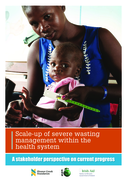
A wide range of potential enablers and barriers were identified for influencing progress for the scale-up of severe wasting services within national health systems. Findings were categorised according to the six pillars of WHO’s health system strengthening framework.
Learning from the Pakistan Experience. A Manual for Post-Disaster Housing Program Managers
This handbook has been compiled as a source of ideas and experiences that can be used for CLTS orientation workshops, advocacy to stakeholders, training facilitators and natural leaders and implementing CLTS activities. It is a resource book especially for field staff, facilitators and trainers for
...

Technical Brief
